
Quick Answer: Which Diaper Pants Brand Fits Your Baby Best?
Finding the right diaper pants for your baby in a tropical climate like the Philippines can feel like a continuous trial-and-error process. With options like Makuku, Pampers, Huggies, and Equator, the ideal choice is rarely a single, universal brand. Instead, the best selection depends heavily on your baby’s current developmental stage, skin sensitivity, active movement patterns, and your household budget.
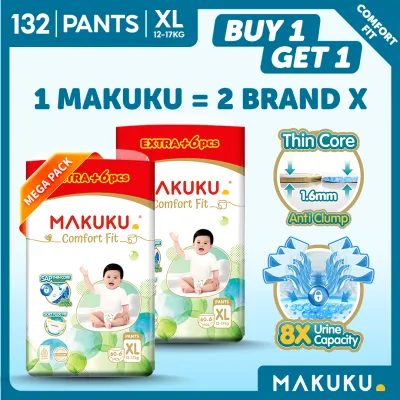
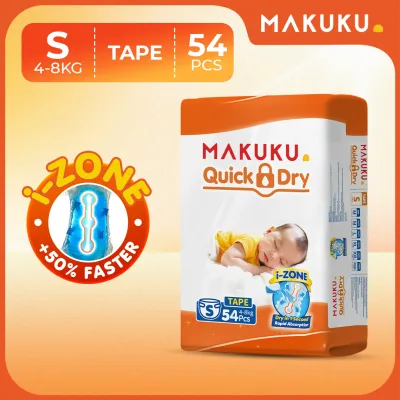
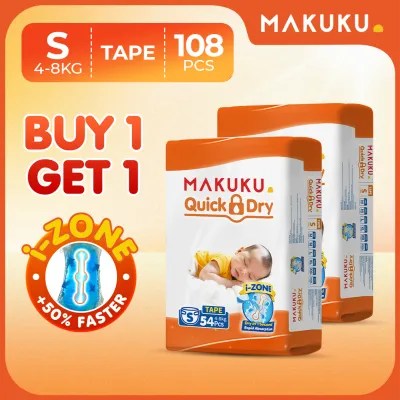
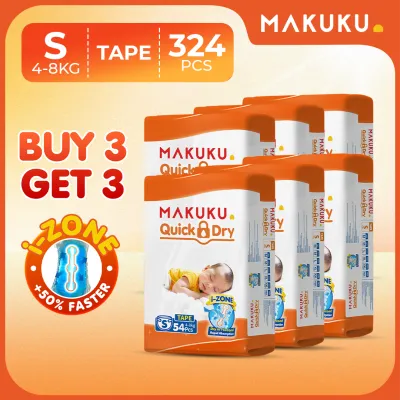
For instance, makuku diaper pants are widely recognized for their ultra-slim design that utilizes advanced Super Absorbent Polymer (SAP) technology, making them an excellent option for hot, humid days. Meanwhile, Pampers provides extensive local availability with various lines tailored to different skin needs, from standard to premium. Huggies is frequently favored by parents who prioritize a secure, snug waistband and robust leg leak guards for highly active toddlers. Finally, Equator serves as a highly practical, budget-friendly option designed for frequent daytime changes. Because diaper performance can vary significantly even within a single brand’s product lines, caregivers must always verify the specific sub-brand, packaging details, and size guides before purchasing.
Key Performance Factors for Diaper Pants in a Humid Climate
Managing baby care in a warm, humid environment requires special attention to how diaper materials interact with moisture and heat. High humidity and temperatures can cause babies to sweat more under their clothes, which increases friction and raises the risk of diaper rash or heat rash, locally known as bungang-araw. To keep your baby comfortable and dry, you must evaluate diaper pants across several critical performance areas.
Products mentioned in this guide
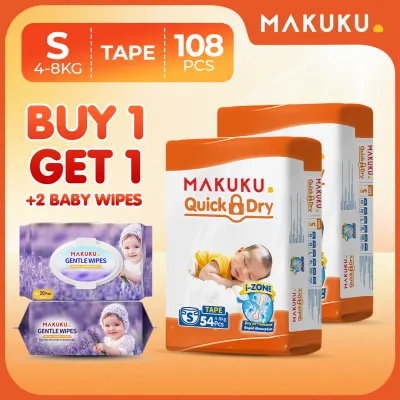
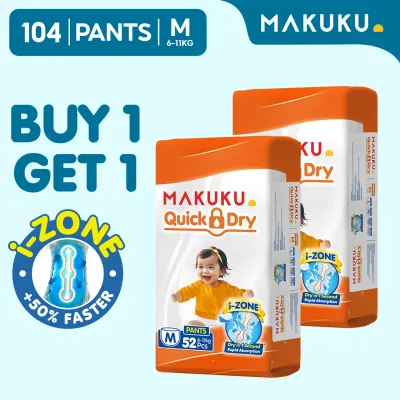
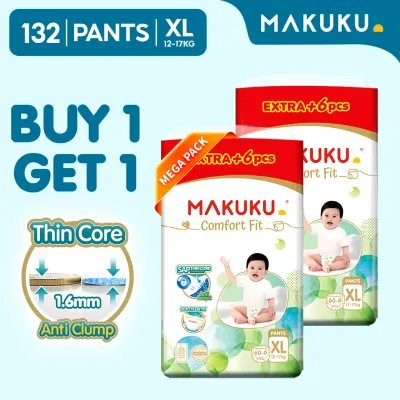
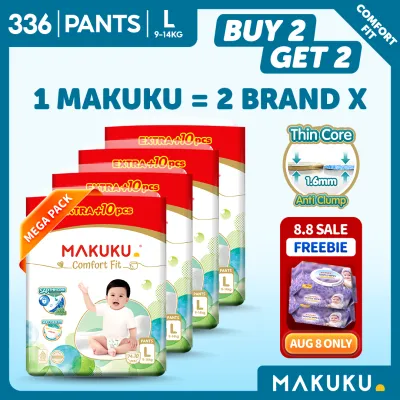
Prices are valid at publication and may change. Please refer to the product page for the latest price.

Absorbency and Core Technology
The core of a diaper determines how quickly liquid is drawn away from your baby’s skin and how well it is locked inside. Traditional diaper cores rely heavily on wood fluff pulp mixed with a small amount of Super Absorbent Polymer (SAP). While effective at holding liquid, fluff pulp tends to clump, break apart, and sag heavily between the baby’s legs once wet. This sagging can pull the diaper down, creating gaps at the waist and legs. Modern SAP-dominant cores, on the other hand, use structured layers of pure polymer. These slim cores absorb liquid rapidly and lock it into a stable gel structure that does not clump or sag, keeping the wetness away from the baby’s skin even under pressure.
Breathability and Heat Dissipation
In a tropical climate, heat buildup inside a diaper can quickly lead to skin irritation and yeast infections. Diapers with micro-porous back sheets and built-in air-flow channels allow hot air and moisture vapor to escape while keeping liquid safely inside. When shopping for diaper pants, look for packaging that explicitly mentions breathable materials or vapor-permeable outer layers. Proper ventilation helps maintain a lower temperature around the baby’s bottom, reducing sweat accumulation and protecting the delicate skin barrier.
Fit and Elasticity
As babies grow and begin to crawl, pull up, or walk, they require diaper pants that move with them. A 360-degree stretchable waistband should hug the baby’s waist gently without restricting breathing or digestion. Leg cuffs must be flexible yet snug enough to prevent side leaks during active play. If the elastic is too tight, it can leave deep red marks on your baby’s thighs and waist; if it is too loose, leaks are inevitable. The ideal diaper pant offers a balanced elasticity that distributes tension evenly across the baby’s body.
Skin-Friendliness
Baby skin is exceptionally thin and sensitive, making it highly susceptible to contact dermatitis from harsh chemicals, synthetic fragrances, or rough textures. Caregivers should look for diaper pants that use ultra-soft, non-woven fabrics on both the inner and outer sheets. While some brands add botanical lotions or mild scents to mask odors, these additives can sometimes trigger allergic reactions in babies with highly sensitive skin or eczema. Choosing fragrance-free, chlorine-free, and dermatologically tested options is often the safest path for babies prone to irritation.
Brand Breakdown: Makuku, Pampers, Huggies, and Equator
To choose the right diaper pants, it is helpful to understand the general design philosophy and market positioning of each brand. Each manufacturer offers multiple tiers of diapers, ranging from basic everyday options to premium specialty lines. Always check the exact product line name on the packaging to ensure you are getting the specific features your baby needs.
Makuku Diaper Pants
Makuku has established a strong reputation in the local market by focusing on ultra-thin, lightweight diaper designs. The brand’s primary innovation is its commitment to a 100% SAP core structure, completely eliminating traditional wood fluff pulp. This design choice results in an exceptionally slim profile that does not swell into a bulky mass or sag when wet, which is highly beneficial for active babies navigating the warm climate of the Philippines.
When purchasing makuku diaper pants, caregivers should inspect the packaging for specific weight ranges and breathability indicators. The ultra-thin construction allows for excellent heat dissipation, helping to keep the baby’s skin cool. However, because the core is so slim, parents of heavy wetters should monitor the wetness indicator closely. While the SAP core locks moisture away efficiently, timely changes are still necessary to maintain optimal skin hygiene during long periods of wear or overnight use.
Pampers Diaper Pants
Pampers is a household name with a massive presence in local supermarkets, department stores, and online marketplaces. The brand offers a diverse range of diaper pants, from their widely available everyday lines to premium tiers designed for superior softness and skin protection. This variety ensures that parents can find an option that aligns with their specific performance expectations and budget.
When selecting Pampers, it is important to read the ingredient and material lists on the packaging. Some of their product lines incorporate mild lotions, aloe vera, or light fragrances to help protect the skin barrier and manage odors. While many babies tolerate these additives well, parents of infants with extremely sensitive skin or active eczema should verify whether the specific line is fragrance-free. The widespread availability of Pampers makes it a highly convenient option for families who want a reliable, easily accessible diaper for daily use.
Huggies Diaper Pants
Huggies is highly regarded by parents who prioritize a secure, robust fit and maximum leak protection. The brand’s diaper pants are engineered with active babies in mind, featuring highly elastic, wide waistbands and double-layered leg leak guards. These design elements work together to keep the diaper firmly in place, even when your baby is crawling, climbing, or running.
Caregivers should carefully check the size chart on the Huggies packaging before buying. Because of their snug, secure fit philosophy, Huggies diaper pants can sometimes feel slightly smaller or tighter compared to other brands within the same weight category. If your baby has chubby thighs or is at the upper limit of a weight range, you may need to size up to prevent red marks. Additionally, verify the specific product line, such as their ultra-slim or standard dry pants, to balance your needs for absorbency and breathability.
Equator Diaper Pants
Equator positions itself as a highly practical, cost-effective option in the diaper market. Often sold in large bulk packs, this brand is favored by budget-conscious families and day-care providers who prioritize frequent diaper changes. Frequent changing is a highly effective way to prevent diaper rash, making a budget-friendly diaper a very sensible choice for daytime wear.
Because Equator diapers are designed for affordability, they typically utilize a traditional core structure containing a blend of wood fluff pulp and SAP. As a result, these diaper pants may feel slightly thicker and bulkier when fully wet compared to premium, pure-SAP alternatives. Parents should manage their expectations regarding overnight absorbency and maximum liquid capacity. Equator diaper pants are highly suited for daytime use where changes occur every few hours, allowing parents to keep their babies clean and dry without incurring high daily costs.
Packaging Checklist: What to Verify Before You Buy
Before heading to the checkout counter or placing an online order, taking a few moments to read the diaper packaging can save you from leaks, skin rashes, and wasted money. Use this practical checklist to verify key details on the box or pack:
- Weight and Size Range: Never rely solely on generic size labels like "Medium" or "Large," as sizing standards differ across brands. Check the specific weight range printed on the package. If your baby is near the upper limit of the weight range, has chubby thighs, or is exceptionally active, consider sizing up to ensure a comfortable fit.
- Wetness Indicator: Look for a clear declaration of a color-changing wetness indicator on the pack. This feature typically consists of a yellow line on the outside of the diaper that turns blue or green when wet, allowing you to monitor your baby's needs without opening the diaper pants.
- Material and Additive Declarations: If your baby has sensitive skin, search the packaging for terms like "fragrance-free," "chlorine-free," "hypoallergenic," or "dermatologically tested." Avoid products with heavily scented descriptions if your baby has a history of contact dermatitis.
- Tear-Away Sides: Ensure the diaper pants feature easy-tear side seams. This design allows you to tear the sides of the waistband open for quick, clean removal during messy diaper changes, rather than pulling a soiled diaper down your baby's legs.
- Manufacturing and Expiry Dates: High humidity can affect the elastic and adhesive components of diapers over long periods. Always check the production or packaging date printed on the box or bag to ensure you are buying fresh stock that has not degraded in storage.
Decision Framework: Matching the Brand to Your Baby's Needs
To make your final decision, consider how your baby’s daily routine, physical build, and skin health align with the strengths of each brand. Use this practical framework to guide your purchase:
- Choose Makuku if: Your baby is highly active, struggles with diaper bulk, or is prone to heat rash in warm weather. The ultra-slim SAP core minimizes sagging and keeps the diaper lightweight, making it ideal for daytime play in tropical conditions.
- Choose Pampers if: You value maximum convenience, widespread availability in local stores, and want a trusted, versatile diaper with options ranging from standard dry protection to premium skin care.
- Choose Huggies if: Your baby is an active crawler or walker who frequently experiences side leaks or blowouts, and you require a secure, highly elastic waistband and robust leg cuffs that stay in place during movement.
- Choose Equator if: You are managing a strict household budget, prefer purchasing diaper pants in bulk, and can commit to frequent daytime diaper changes to keep your baby clean and fresh.
Verify First: If your baby has severe eczema, persistent skin rashes, or known allergies to synthetic materials, consult a pediatrician before switching brands. Look for specialized, ultra-hypoallergenic certifications on the packaging, and always stop using any diaper brand immediately if you notice severe redness, swelling, or skin irritation.
Frequently Asked Questions (FAQ)
How do I know if a diaper pant is too tight or too loose?
A properly fitting diaper pant should allow you to slide two fingers comfortably under the waistband and the leg cuffs. If you see deep red marks or indentations on your baby’s waist or thighs, or if the diaper is difficult to pull up, it is too tight and you should size up. Conversely, if you notice gaps around the leg openings, if the diaper sags significantly even when empty, or if you experience frequent side leaks, the diaper is too loose. If your baby is between weight ranges and experiencing leaks, sizing up often provides a more secure fit.
Is it safe to switch between different diaper brands?
Yes, switching between different diaper brands is generally safe and very common as babies grow and their physical needs change. However, babies with highly sensitive skin may react to differences in materials, manufacturing adhesives, or added lotions. To minimize the risk of irritation, purchase a small pack of the new brand first to test it before buying in bulk. Monitor your baby’s skin closely for the first 24 to 48 hours after switching, and stop using the new brand immediately if any redness or diaper rash develops.

Community discussion
Share your experience or ask a question. Comments are reviewed before publication.