
Finding the right small-size diaper for a newborn or young infant involves balancing absorbency, physical fit, and skin protection. While Makuku, Pampers, Equator, and Huggies all offer diapers labeled as “Small,” these products differ significantly in their structural designs, core materials, and physical dimensions. Because a baby’s comfort directly impacts their sleep and skin health, caregivers must look beyond marketing claims to evaluate how each brand performs under real-world conditions. By understanding the differences in absorbent core technologies and physical cuts, you can make an informed decision that keeps your baby dry and comfortable.
Comparing these brands requires a systematic approach focused on observable physical traits and structured home testing. Since there is no universal standard for diaper sizing, a “small” diaper from one manufacturer may fit quite differently than a “small” diaper from another. This guide provides a practical framework to help you measure your baby, evaluate diaper construction, test absorbency performance, and calculate the true cost per piece in the Philippines.
Understanding Sizing Standards and Weight Ranges
When selecting a small diaper, the first step is recognizing that weight recommendations on packaging are guidelines rather than absolute rules. Each manufacturer establishes its own weight ranges for the “small” size, which often overlap with newborn or medium sizes. For instance, you must check the exact weight limits in kilograms printed on the packaging of Makuku, Pampers, Equator, and Huggies. A diaper rated for 3 to 7 kilograms may fit a long, lean baby differently than a shorter, rounder baby of the exact same weight.
Products mentioned in this guide
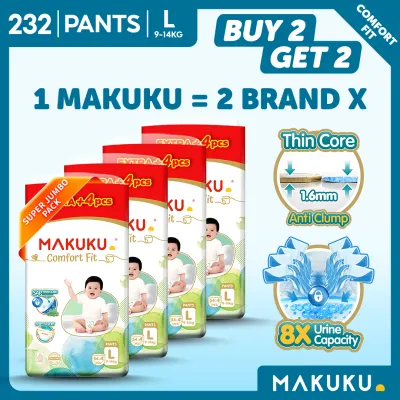
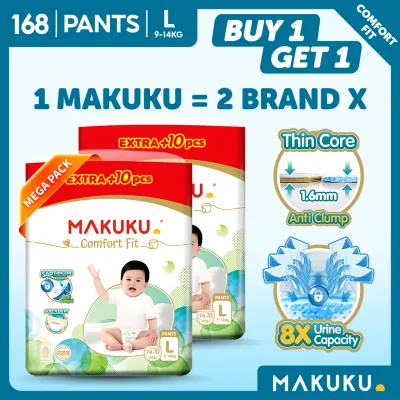
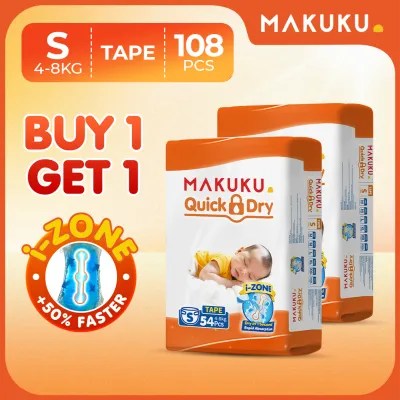
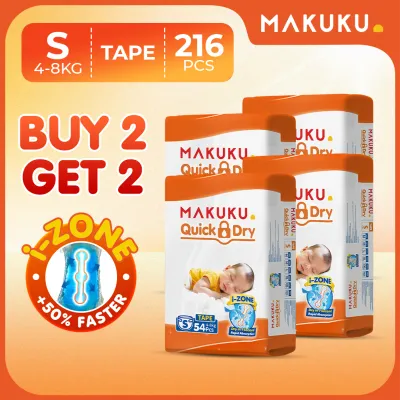
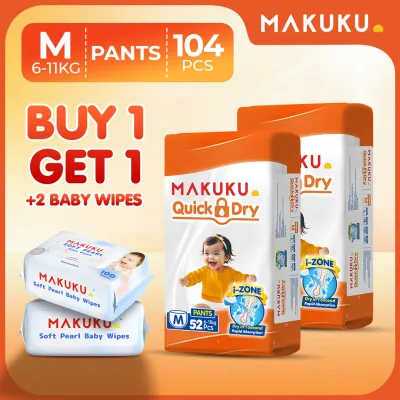
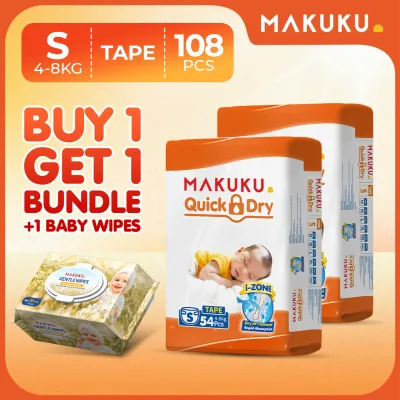
Prices are valid at publication and may change. Please refer to the product page for the latest price.
To establish a proper baseline fit, caregivers should regularly measure both the baby’s current weight and their thigh circumference. Thigh circumference is a critical but frequently overlooked metric; if the leg cuffs are too loose, leaks will occur, whereas cuffs that are too tight can restrict circulation and leave deep red marks. Use a soft, flexible measuring tape around the widest part of your baby’s thigh, and compare this measurement to the manufacturer’s specific size chart, which is often available on their official website or product packaging.
Before opening a full bulk pack of any brand, it is highly beneficial to inspect the physical length and waistband stretch limits of a single diaper. Lay the diaper flat and gently stretch the waistband to its comfortable limit to assess its elasticity. A diaper with limited stretch may cause discomfort around a baby’s abdomen, especially after feeding when the tummy naturally expands. Checking these physical dimensions beforehand allows you to return or exchange unopened packs if the physical cut is clearly incompatible with your baby’s current build.
Comparing Absorbency Mechanisms and Leak Protection
The core technology of a diaper determines how quickly it draws moisture away from your baby’s skin and how well it retains that liquid under pressure. Modern disposable diapers generally utilize one of two primary absorbent core structures: traditional wood pulp blends mixed with Superabsorbent Polymer (SAP), or advanced full-SAP composite cores. Wood pulp blends are typically thicker and provide a soft, cushioned feel, but they can swell significantly and clump when wet. In contrast, full-SAP cores are remarkably thin and designed to distribute liquid evenly without clumping, which helps maintain the diaper’s structural integrity even when full. Caregivers can identify these core types by reading the material specifications on the product packaging.

To evaluate how these different core structures perform in your daily routine, you can conduct a simple, observable absorbency test at home. After your baby has worn the diaper for a set number of hours, gently press a dry, clean paper towel against the inner lining of the diaper during a change. If the paper towel remains completely dry, the core is successfully locking away moisture; any dampness on the paper towel indicates that the surface material is retaining wetness, which can increase the risk of skin irritation. Additionally, observe the diaper for clumping or severe sagging when wet, as these physical changes can restrict your baby’s movement and compromise the fit.
Leak protection relies heavily on the structural integrity of the diaper’s leg cuffs and leak-guard barriers. When applying a diaper from Makuku, Pampers, Equator, or Huggies, always ensure that the double-layered elastic leg guards are fully deployed and flared outward rather than tucked inward. These barriers act as the final line of defense against liquid and runny stools. Inspect the elastic stitching along the thighs to verify that it is intact and flexible, as any manufacturing defect in these areas can lead to immediate leaks.
Caregivers should also monitor for subtle, external signs of absorbency failure during daily use. Dampness on the outer shell of the diaper, wet spots on your baby’s clothing, or persistent red marks around the groin are clear indicators that the diaper’s capacity has been exceeded or that the liquid is not being absorbed quickly enough. In the humid, tropical climate of the Philippines, keeping the skin dry is especially critical to prevent diaper rash, making regular observation of these factors a vital part of your baby’s care routine.
Evaluating Fit, Comfort, and Skin Breathability
Achieving a proper fit is essential for preventing both leaks and skin irritation, and it requires a balance between security and comfort. Caregivers can easily verify the correct tightness of a diaper’s waistband and leg cuffs by using the “two-finger rule.” Once the diaper is fastened, slide two fingers comfortably between the diaper’s waistband and your baby’s tummy. You should also be able to run a finger smoothly around the inside of the leg cuffs. If the fit feels tight against your fingers, or if you cannot easily slide them in, the diaper is too tight and may cause discomfort or restrict your baby’s natural movements.
Material texture and breathability play a significant role in maintaining skin health, particularly in warm and humid environments. When comparing Makuku, Pampers, Equator, and Huggies, physically feel the inner and outer sheets of the diapers to assess their softness. Look for breathability indicators, such as micro-pores or embossed patterns on the back sheet, which are designed to allow heat and moisture vapor to escape while keeping liquid contained. A highly breathable diaper helps maintain a stable microclimate next to your baby’s skin, reducing the likelihood of moisture buildup.
Despite careful selection, a baby’s skin can occasionally react to friction or trapped moisture. Caregivers must actively monitor for early signs of friction, chafing, or heat rash, which typically present as small red bumps or localized redness along the waistband, leg elastics, or groin folds. If you observe these symptoms, it is important to clean the area gently with water, allow the skin to air-dry completely, and consider switching to a diaper with a different physical cut or softer materials. If the skin reaction persists, spreads, or causes your baby visible distress, discontinue use of the brand immediately and consult a qualified pediatrician for professional medical advice.
It is also important to recognize that different baby body shapes interact uniquely with various diaper cuts. A baby with a long torso and lean thighs may require a diaper with a higher waist rise and tighter leg elastics to prevent blowouts. Conversely, a baby with chunky thighs and a round tummy will benefit from a diaper with highly elastic side panels and wider, softer leg cuffs that stretch comfortably without digging into the skin. Observing how a specific brand’s cut aligns with your baby’s unique silhouette will guide you toward the most comfortable option.
Calculating Value and Verifying Availability in the Philippines
When managing a household budget, evaluating the financial aspect of diapering requires looking beyond the initial retail price of a package. Because package sizes and diaper counts vary widely across brands, the most accurate way to compare costs is by calculating the cost per piece. You can easily determine this by using a simple formula: divide the total price of the diaper pack (₱) by the exact number of diapers contained inside. For example, if a pack costs ₱450 and contains 50 diapers, the cost per piece is ₱9.00. Avoid comparing packs of different sizes or diaper counts directly, as larger bulk packs often offer a lower cost per piece than smaller convenience packs.
To ensure you are getting accurate pricing and genuine products, always verify current availability and official costs through authorized channels. In the Philippines, you can check the official online flagship stores of Makuku, Pampers, Equator, and Huggies, or visit local supermarkets and authorized baby specialty retailers. Be cautious of unauthorized online sellers offering unusually low prices, as these products may be counterfeit, improperly stored, or expired, which can compromise their safety and performance.
When transitioning to a new diaper brand or testing a different size, it is highly recommended to purchase smaller trial packs rather than committing to large bulk boxes. While bulk boxes generally offer the best long-term value, buying a large quantity of an untested brand carries the risk of financial waste if the diaper turns out to be incompatible with your baby’s skin or body shape. Once you have verified that a specific brand provides a reliable fit and excellent absorbency for your baby, transitioning to bulk purchases is the most cost-effective strategy.
Decision Framework: Choosing the Right Small Diaper
To help you navigate the selection process, this conditional decision framework matches specific physical traits and environmental conditions to the most suitable diaper characteristics:
- Choose a brand with a thin, full-SAP core if you live in a highly humid area of the Philippines and your baby is prone to heat rash, as these cores minimize bulk and allow for better heat dissipation.
- Choose a brand with wide, highly elastic waistbands if your baby has a round tummy or experiences frequent changes in abdominal size after feeding, ensuring the diaper stretches comfortably without digging in.
- Choose a brand with double-layered, high-rise leg cuffs if your baby has lean thighs and is prone to leg-gap leaks, as these barriers provide a more secure seal around slender legs.
- Choose a brand with a soft, cushioned wood-pulp blend core if you prefer a traditional, plush feel and your baby does not experience clumping issues during daytime wear.
For nighttime use, prioritize diapers that feature high-capacity absorbent cores and robust distribution layers designed to handle multiple wettings over eight to twelve hours. For active daytime hours, lighter and more flexible diapers that allow for unrestricted movement are often more appropriate. Always monitor your baby’s skin during these transitions to ensure their comfort is maintained.
Finally, establish clear stop-conditions to guide your diapering decisions. You should immediately switch to a larger size if you consistently observe red marks on your baby’s thighs or tummy, if the waistband sits well below the belly button, or if you experience sudden, unexplained leaks. If your baby develops persistent skin irritation or diaper rash that does not improve with regular changes and proper hygiene, stop using the current brand entirely and consult a pediatrician to rule out allergic reactions or infections.
Frequently Asked Questions (FAQ)
How do I know if a small diaper is too tight or too loose?
You can determine if a small diaper is too tight by checking for deep red marks or indentations on your baby’s thighs, hips, or waist after removal. If you cannot easily slide two fingers under the waistband or one finger under the leg cuffs, the diaper is too restrictive. Conversely, a diaper is too loose if there are visible gaps between the elastic and your baby’s skin, or if the diaper sags significantly even when empty, both of which will inevitably lead to leaks.
Can I mix different diaper brands for daytime and nighttime use?
Yes, mixing diaper brands is a highly practical strategy used by many caregivers to balance performance and budget. You might choose a highly absorbent, premium diaper with an advanced core for long, uninterrupted nighttime sleep, while utilizing a lighter, more cost-effective diaper for daytime hours when changes are much more frequent. When introducing a secondary brand, always monitor your baby’s skin closely for several days to ensure they do not experience any adverse reactions to the different materials.
What are the signs that my baby needs to move up to a medium size?
The most common signs that your baby has outgrown a small diaper include frequent, unexplained leaks, the waistband sitting significantly below the belly button, and the fastening tabs needing to be secured at the very edge of the landing zone. Additionally, if your baby’s weight is approaching the upper limit of the small size’s recommended weight range, or if you notice persistent red marks around their thighs and waist, it is time to transition to a medium size to ensure continued comfort and protection.

Community discussion
Share your experience or ask a question. Comments are reviewed before publication.