
Finding the right diaper pants in Extra Large (XL) size is a major milestone for parents in the Philippines. At this stage, babies are usually walking, running, and exploring, which means their diapers must withstand constant movement while managing larger volumes of liquid. The tropical heat and high humidity also make breathability and a secure fit critical to preventing skin irritation. Comparing Makuku, Pampers, Huggies, and Equator diaper pants XL helps parents navigate the distinct design philosophies of these popular brands to find the ideal balance of dry comfort and flexible fit.
Rather than searching for a single diaper that excels in every category for every baby, the key is matching a brand’s specific structural design to your toddler’s unique body shape and daily routine. Some brands prioritize ultra-thin, modern core technologies that resist clumping, while others focus on traditional, high-loft cushioning or robust double leak guards. By evaluating how each brand constructs its XL diaper pants, you can make an informed decision that keeps your baby dry, comfortable, and free to move.
Understanding Structural Differences in XL Diaper Pants
To understand how these four brands perform, we must first look at their core construction and structural cuts. Diaper technology has evolved significantly, split primarily between traditional fluff pulp cores and modern Super Absorbent Polymer (SAP) sheets. When examining Makuku diaper pants XL, the brand is widely recognized for utilizing a structured SAP core design. This construction is engineered to keep the diaper exceptionally thin even when wet, as the polymer crystals lock away moisture without the bulky wood pulp that traditionally causes sagging.
Products mentioned in this guide
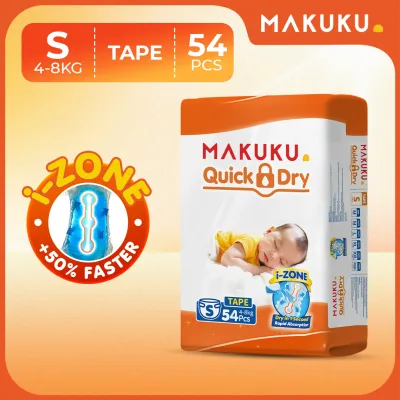
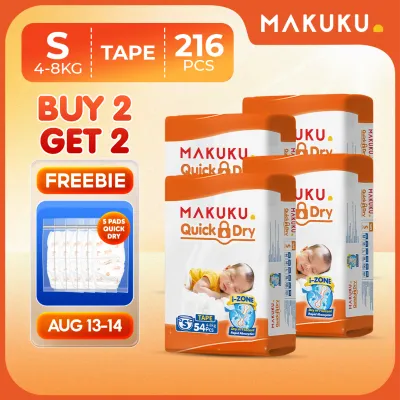
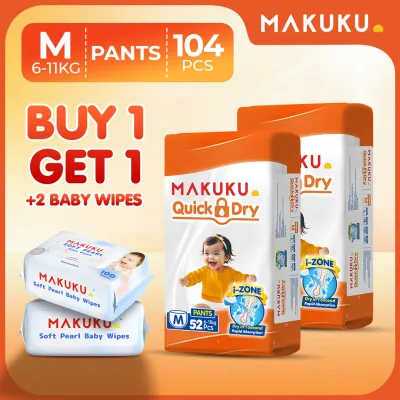
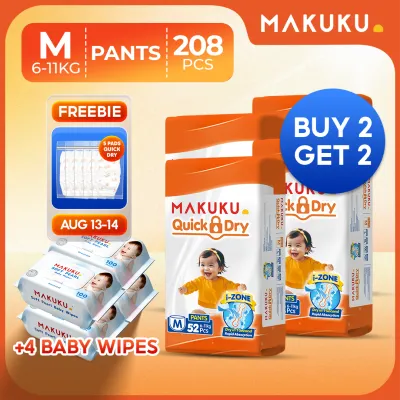
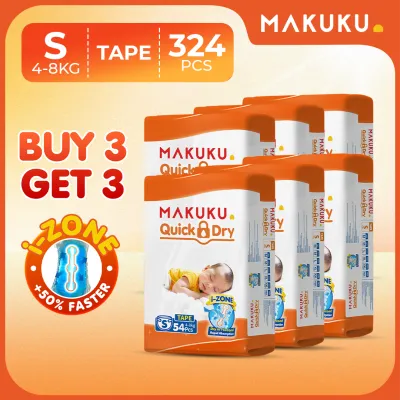
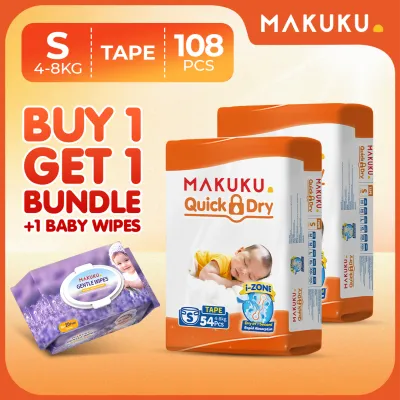
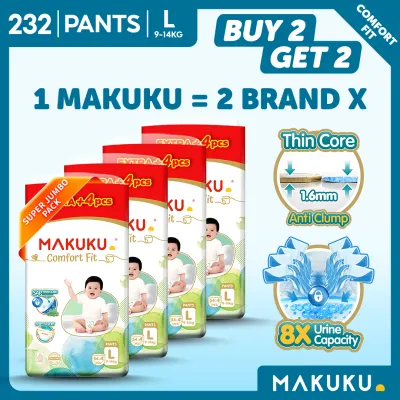
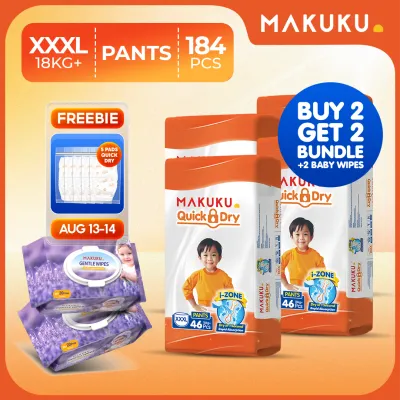
Prices are valid at publication and may change. Please refer to the product page for the latest price.
In contrast, brands like Pampers and Huggies often utilize a blend of high-grade fluff pulp and absorbent gel channels. This classic design provides a soft, cushioned feel that many parents find reassuringly thick. The channels are designed to distribute liquid evenly along the length of the diaper, preventing pooling in the center. Equator diaper pants typically offer a straightforward, practical core design that balances standard absorbent materials to provide reliable everyday protection at a highly accessible price point.
Beyond the core, the waistband and leg cuff designs dictate how well the diaper pants adapt to an active toddler’s movements. When inspecting these brands, look closely at the elasticity of the waistband. A high-quality XL diaper pant should feature a wide, highly stretchable waistband with multiple rows of fine elastic threads. This distributes pressure evenly across your baby’s abdomen, preventing the diaper from slipping down during play. Leg cuffs should feature double-layered hydrophobic barriers that stand upright against the skin, acting as the first line of defense against side leaks.
Evaluating Absorbency for Heavy Wetters and Overnight Use
Absorbency is the most critical factor for overnight sleep and long car rides. For an XL-sized baby, a single wetting event can release a substantial volume of liquid, testing the limits of any disposable diaper. When evaluating these brands, parents should look beyond the generic “up to 12 hours of dryness” claims printed on the packaging and instead observe how the diaper behaves under real-world conditions.

A key indicator of absorbency quality is how dry the inner sheet feels to the touch after several hours of wear. You can verify this by gently pressing a dry paper towel against the inside of a wet diaper during a change; minimal moisture transfer indicates excellent liquid retention and a highly effective distribution layer. If you notice the diaper sagging heavily between your baby’s legs or forming hard, heavy clumps, it suggests the absorbent material is shifting or reaching its capacity limit. SAP-dominant designs, such as those found in Makuku, are structurally designed to resist this clumping, maintaining a flat profile even when fully saturated.
Overnight protection also relies heavily on the height and tension of the leak guards. When preparing your baby for bed, check that the elastic barriers around the thighs are fully extended and not tucked inward. High-capacity diapers like Pampers and Huggies often feature deep pocket designs at the back to catch loose stools and sudden liquid surges. If your baby is a stomach sleeper, look for diaper pants that feature extended absorbent coverage toward the front waistband to prevent leaks when they roll over.
Assessing Fit, Comfort, and Skin Sensitivity
An XL diaper pant can have excellent absorbency, but if the fit is poor, leaks and skin irritation are inevitable. Toddlers come in all shapes and sizes—some have round, chubby thighs and soft tummies, while others are lean and long-waisted. Consequently, a diaper shape that fits one baby perfectly might cause red marks or gaps on another.
When assessing fit, pay close attention to how the diaper conforms to your baby’s thighs. If the leg elastics leave deep, red indentations on the skin, the diaper is either too small or the cut is too narrow for your baby’s build. Conversely, if you can easily slip more than two fingers into the leg opening, the fit is too loose, and liquid will likely escape. Huggies is often noted for its snug, secure fit that hugs the contours of active babies, while Pampers tends to offer a slightly more generous, stretchy cut that accommodates a wide range of body types.
Skin sensitivity is another crucial consideration, especially in the warm, humid climate of the Philippines. Sweat and trapped moisture can quickly lead to diaper rash. Check the product packaging for hypoallergenic certifications, fragrance-free labels, and breathable outer sheets. Diapers with micro-pores in the back sheet allow hot air to escape while keeping liquid contained, which is vital for maintaining a healthy skin barrier. If your baby has highly sensitive skin, prioritize brands that omit added lotions or fragrances, and always monitor the waistline and leg areas for any signs of friction-induced chafing.
Comparing Price, Pack Sizes, and Value in the Philippines
Managing the household budget is a priority for every family, and diapers represent a significant recurring expense. To determine the true value of Makuku, Pampers, Huggies, and Equator diaper pants XL, parents must look past the retail price of a single pack and calculate the cost per individual diaper.
To do this, divide the total price of the pack by the number of diapers inside. For example, if a pack costs ₱600 and contains 40 diapers, the cost per diaper is ₱15. Generally, larger bulk boxes or “mega packs” offer a lower cost per unit than small travel packs. Equator often positions itself as a highly budget-friendly option, making it an attractive choice for daytime changes when diapers are replaced more frequently. Makuku, Pampers, and Huggies typically sit in the mid-to-premium price tiers, reflecting their specialized core technologies and advanced materials.
Availability is another practical factor to consider. While premium brands are widely stocked in major supermarkets, department stores, and official online stores on major e-commerce platforms, some specialized lines may occasionally face stock fluctuations. Buying in bulk during major online sales or subscribing to regular delivery services can secure better prices and ensure you never run out of XL pants during a busy week.
Decision Framework: Which Brand Fits Your Baby Best?
Choosing the right diaper does not have to be a matter of trial and error. By applying a simple decision framework based on your baby’s daily routine and physical needs, you can select the brand that offers the best performance for your situation.
First, consider your baby’s skin sensitivity and the local climate. If your baby is prone to heat rash or diaper dermatitis, prioritize a highly breathable, thin SAP-core diaper like Makuku diaper pants XL, which minimizes bulk and keeps moisture away from the skin. If your toddler is exceptionally active, crawling, climbing, and running throughout the day, a brand with a highly secure, contoured fit and robust leg elastics like Huggies will help prevent leaks during vigorous play.
Second, evaluate your budget and daily schedule. For many families, a dual-brand strategy offers the best value. You might choose a highly economical option like Equator for daytime use, when changes are frequent and immediate, and reserve a premium, high-capacity diaper like Pampers for overnight wear or long outings. Before committing to a large bulk purchase of any new brand, always buy a small trial pack to verify the fit and ensure your baby does not experience any adverse skin reactions.
Frequently Asked Questions (FAQ)
How do I know if the XL diaper pants are too small or too big?
You can determine if your baby has outgrown their XL diaper pants by observing physical signs during use. If the waistband sits well below the belly button, or if you struggle to pull the pants up over your baby’s hips, they are likely too small. Red elastic marks around the waist or thighs also indicate a tight fit. Conversely, if the diaper sags heavily even when dry, or if you notice gaps around the legs when your baby moves, the diaper is too large. Always refer to the weight guidelines on the packaging as a starting point, but let your baby’s actual body shape guide your final size choice.
Can I mix different diaper brands for daytime and nighttime use?
Yes, mixing diaper brands is a highly practical and cost-effective strategy for many parents. During the day, when you change your baby every three to four hours, a lighter, more affordable diaper pant is often sufficient. For overnight sleep, switching to a high-absorbency, premium diaper pant ensures your baby remains dry and comfortable for longer stretches, promoting uninterrupted sleep. When using this strategy, ensure both brands fit your baby securely to avoid having to adjust clothing sizes or dealing with unexpected leaks during transitions.

Community discussion
Share your experience or ask a question. Comments are reviewed before publication.