
There is no single “best” diaper brand for every baby in the Philippines. The ideal choice between Makuku Medium Tape, Pampers, Equator, and Huggies depends entirely on your baby’s unique body shape, skin sensitivity, daily routine, and your household budget. Finding the right fit requires looking past marketing claims and evaluating verifiable packaging specifications, physical design features, and real-world performance on your baby.
In a tropical climate where high humidity and heat are daily realities, diaper selection directly impacts your baby’s comfort. A diaper that works perfectly for one infant might cause leaks or skin irritation for another due to differences in thigh circumference, waist shape, and movement patterns. By systematically comparing the physical structure, absorbency indicators, skin-friendliness, and cost per piece of these four prominent brands, you can make an informed decision. This guide provides a practical framework to help you assess these options objectively and choose the diaper that best supports your baby’s development and your family’s budget.
Comparing the Physical Design and Structure
When examining Makuku Medium Tape alongside Pampers, Equator, and Huggies, the first noticeable difference lies in their physical thickness and core construction. Some modern diapers utilize ultra-thin composite cores designed to remain slim even when wet, while others rely on traditional wood pulp mixed with superabsorbent polymers (SAP) which can feel thicker out of the package. An ultra-thin core profile is often preferred in warm, humid environments because it reduces bulk between the baby’s legs, allowing for more natural movement. However, traditional thicker cores can provide a familiar, cushioned feel that some parents associate with structural stability.
Products mentioned in this guide
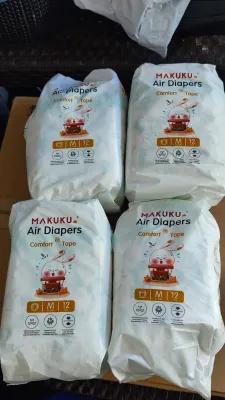
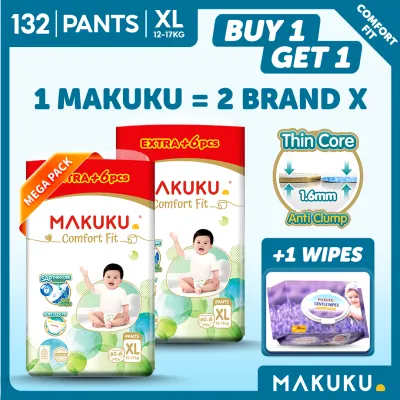
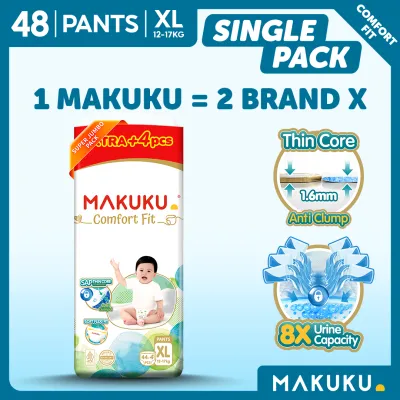
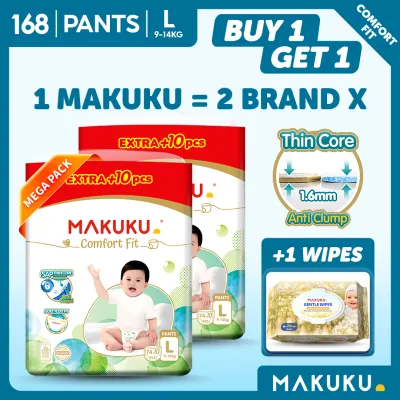
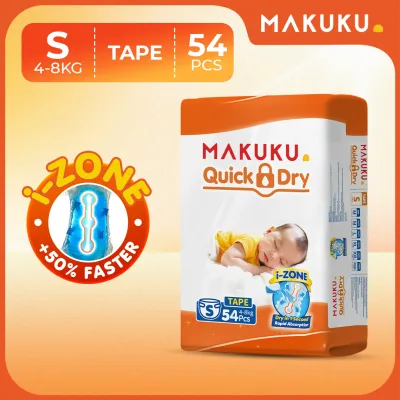
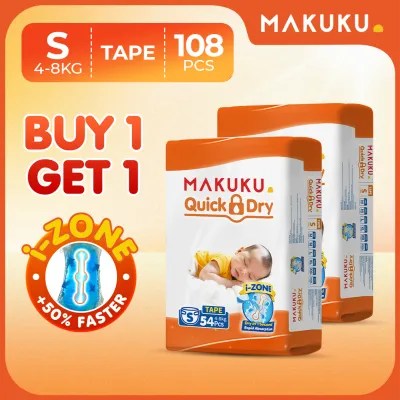
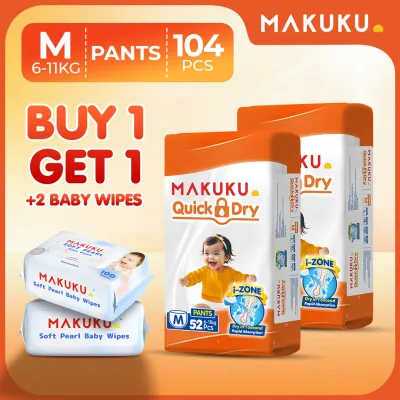
Prices are valid at publication and may change. Please refer to the product page for the latest price.
The waistband design and tape fastening mechanisms also vary significantly across these brands. Look closely at the elasticity of the back waistband and the width of the fastening tape. A wider, stretchier waistband helps secure the diaper against blowouts, especially when the baby is lying down or sitting up. The tape tabs themselves should be checked for re-adjustability. High-quality hook-and-loop style tapes allow you to open and close the diaper multiple times to check for wetness without losing their grip, whereas simpler adhesive tapes may lose stickiness if they come into contact with baby oil or powder.
Surface textures on the inner top-sheet play a critical role in how quickly liquid is drawn away from the skin. Some brands feature a 3D embossed or honeycomb-patterned lining designed to minimize skin contact with moisture, while others use a smooth, flat sheet. Additionally, check the packaging or the diaper itself for a wetness indicator. This is typically a colored line on the outside of the diaper that changes color when wet, serving as a convenient visual cue for busy caregivers to perform a quick change before leaks occur.
Assessing Absorbency and Leak Protection for Day and Night
Evaluating absorbency requires looking at how each diaper manages moisture distribution and prevents lateral leaks. The physical construction of the double-layered leak guards and elastic leg cuffs is your first line of defense against active movement and side leaks. When inspecting the diapers, gently pull the leg cuffs outward to check the height and elasticity of the inner barrier. A taller, more flexible barrier provides better containment around the thighs, which is especially important for active babies who are starting to roll, crawl, or sit.

Absorbent channel placement is another structural feature to verify on the diaper’s exterior and interior. Some brands design specific channels that distribute liquid evenly along the length of the core, preventing the diaper from sagging or clumping in one spot when saturated. This even distribution is crucial for maintaining the diaper’s shape and ensuring that moisture does not pool in a single area, which can cause skin irritation or premature leaks.
Manufacturer guidelines on diaper packaging often indicate recommended wear times or specific designations for overnight use. While some diapers are marketed as high-capacity options suitable for up to twelve hours of sleep, actual performance depends heavily on your baby’s liquid intake and urination patterns. To safely evaluate how a diaper handles heavy wetting, parents can establish a simple observation routine during daytime use. Note how the diaper behaves after a few hours: check if the absorbent material clumps together, sags excessively, or feels damp to the touch on the outside.
If a diaper clumps or sags quickly, it may limit your baby’s mobility or cause the wet core to pull away from their body, increasing the risk of leaks. Monitoring these physical changes during the day helps you determine if a brand is robust enough to handle overnight sleep without causing discomfort. If daytime testing reveals frequent sagging or dampness, it may be best to reserve that brand for quick daytime changes and look for a more structured option for overnight wear.
Evaluating Comfort, Fit, and Skin Sensitivity
A diaper’s fit directly influences your baby’s skin health, particularly in tropical climates where trapped moisture can quickly lead to irritation. When testing a new brand, always inspect the elasticity of the waist and leg openings after your baby has worn the diaper for a few hours. Look for deep red marks or friction lines on your baby’s thighs and tummy, which indicate that the elastic is too tight or the diaper cut is too narrow for their current body shape. Conversely, gaps between the diaper and your baby’s skin suggest that the fit is too loose, which will inevitably lead to leaks.
Before purchasing, carefully read the packaging labels to verify any specific skin-care claims, such as dermatological testing, hypoallergenic certifications, or the inclusion of soothing lotions. Because there are no universal standards for these marketing terms, look for explicit details regarding what materials are excluded, such as chlorine, fragrances, or latex. Checking these details is especially important if your family has a history of sensitive skin or eczema.
Caregivers should actively monitor the diaper area for early signs of heat rash, redness, or moisture retention, especially during the hottest hours of the day. If you notice persistent redness or a bumpy rash that aligns with the diaper’s waistband or leg cuffs, it may indicate a localized sensitivity to the materials or adhesive. Should any signs of skin irritation or allergic reaction appear, discontinue use of that specific brand immediately and consult a qualified pediatrician. Keeping a small log of which diaper materials or brands coincide with skin changes can help your doctor identify potential triggers and recommend safe alternatives.
Calculating Value, Sizing Consistency, and Availability
Finding a diaper that fits your baby is only half the battle; it must also fit your household budget over the long term. To determine the true economic value of Makuku, Pampers, Equator, and Huggies, avoid comparing pack prices directly and instead calculate the exact cost per piece. To do this, divide the total price of the diaper pack (₱) by the number of diapers contained inside. Keep in mind that larger bulk packs or box configurations generally offer a lower cost per piece than smaller convenience packs, though this requires a higher upfront investment.
Sizing consistency is another critical factor to verify, as a “Medium” size is not standardized across different manufacturers. Always check the specific weight ranges printed on the packaging of each brand before making a purchase. For example, one brand’s Medium diaper might be rated for babies weighing 6 to 11 kilograms, while another brand might specify a range of 7 to 12 kilograms. If your baby is near the upper limit of a weight range, it is often wise to transition to the next size up to prevent leaks and ensure comfort.
Before committing to a large bulk purchase of any new brand, highly prioritize finding smaller trial packs or sample sizes. Testing a small quantity first allows you to verify the physical fit, absorbency, and skin compatibility on your baby without risking a significant financial loss on a pack you cannot use. Additionally, consider the local availability of each brand; a diaper that is highly affordable but frequently out of stock in your local supermarket or preferred online store can cause unnecessary stress when you run low.
How to Choose the Right Brand for Your Baby
Selecting the ideal diaper brand requires balancing your baby’s physical measurements, skin needs, and your family’s daily routine. A structured decision framework can help you narrow down the choices based on observable characteristics rather than generic recommendations. By focusing on how each brand’s physical design aligns with your baby’s current growth stage, you can avoid the trial-and-error process that often leads to wasted packs.
Consider choosing Makuku Medium Tape if your baby’s current weight falls comfortably within its specified range, and you prefer an ultra-thin, lightweight core design that minimizes bulk in warm weather. This option is suitable for parents who prioritize a slim profile and modern composite core technology that resists clumping during active daytime play. It is an excellent candidate for families looking for a modern, streamlined diaper that emphasizes breathability and flexibility.
Alternatively, you may want to choose Pampers, Equator, or Huggies if your baby’s body shape requires a different physical cut, such as a wider waistband, more generous leg elastic, or a thicker, more traditional absorbent core. These brands may also be preferable if you require a wider weight tolerance or specific material features, such as distinct wetness indicators or localized availability in your neighborhood retail stores. Each of these established brands offers unique structural cuts that may better suit babies with rounder bellies or chunkier thighs.
Regardless of which brand you lean toward, always prioritize your baby’s skin health by verifying material labels and consulting a pediatrician if your baby has known skin sensitivities or a history of diaper dermatitis. A medical professional can provide tailored advice on diapering practices and skin barriers that complement your chosen diaper brand. Ultimately, the best diaper is the one that keeps your baby dry, comfortable, and free of red marks throughout their daily activities. By systematically testing small packs and observing how each diaper performs under real-world conditions, you will find the perfect balance of comfort, protection, and value.
Frequently Asked Questions (FAQ)
How do I know if the Medium size is too small or too large for my baby?
You can determine if a Medium diaper is the wrong size by observing how it sits on your baby’s body. If the diaper leaves deep, red elastic marks on your baby’s thighs or tummy, or if the waistband sits significantly below the belly button, the diaper is likely too small. On the other hand, if you notice gaps around the legs or waist when your baby moves, or if the diaper frequently leaks despite being changed regularly, it is probably too large and you should adjust the fit or try a different size.
Can I mix different diaper brands for day and night use?
Yes, mixing different diaper brands is a highly practical and cost-effective strategy for many families. You might choose a lighter, more affordable diaper for daytime use when changes are frequent—typically every two to three hours—and reserve a higher-capacity, more structured diaper for overnight sleep to ensure uninterrupted rest. This approach allows you to optimize your budget while still providing your baby with maximum protection and comfort when they need it most.

Community discussion
Share your experience or ask a question. Comments are reviewed before publication.