
Quick Answer: Which Diaper Brand Suits Your Active Baby?
Finding the most reliable diaper for an active baby depends on matching the diaper’s specific design to your child’s unique body shape, movement patterns, and skin sensitivity. There is no single universal winner among Makuku Large, Pampers, and Huggies, as each brand excels in different structural areas.
To narrow down your choice, consider these conditional recommendations based on your baby’s primary needs:
- Choose Makuku Large if you prioritize an ultra-thin, highly flexible core that resists sagging and clumping. This design is highly beneficial in hot, humid tropical climates where bulky diapers can cause discomfort and heat rash.
- Choose Pampers if your baby needs a highly stretchable waistband and rapid, even liquid distribution across the entire diaper surface to prevent localized pooling.
- Choose Huggies if your baby is prone to leg leaks or blowouts during vigorous crawling and walking, as this brand is widely recognized for its robust, snug-fitting double leg barriers.
Because diaper performance varies significantly based on individual fit and activity levels, parents should conduct real-world testing with small trial packs before committing to bulk purchases.
Products mentioned in this guide
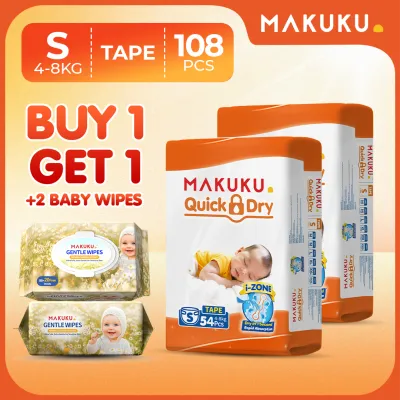
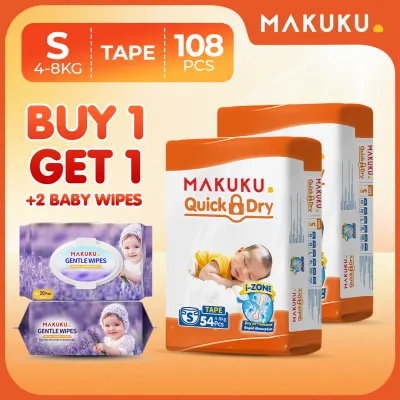
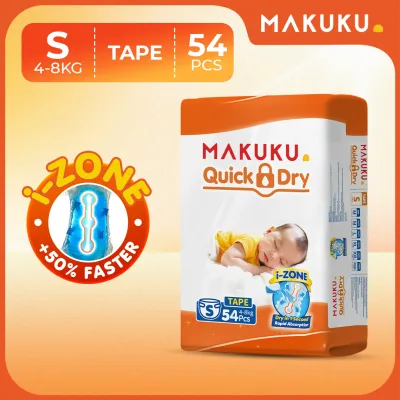
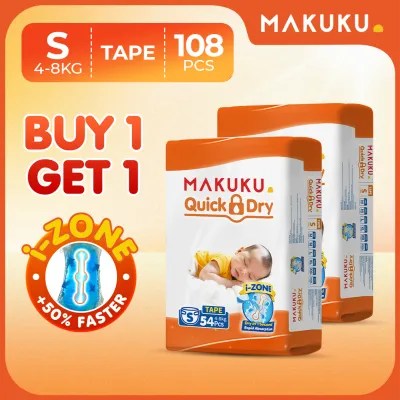
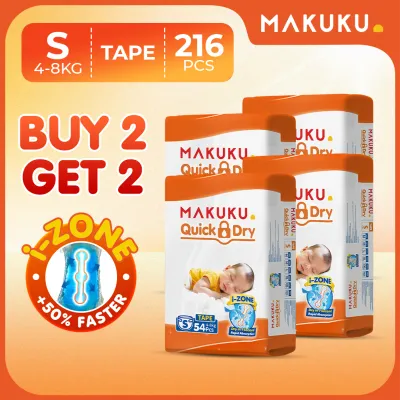
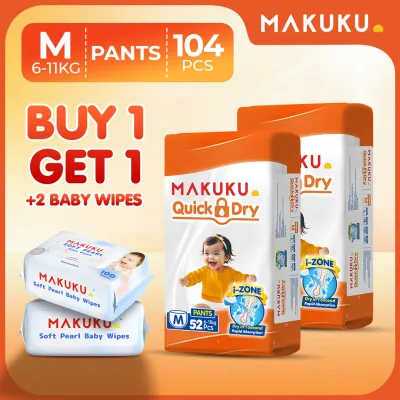
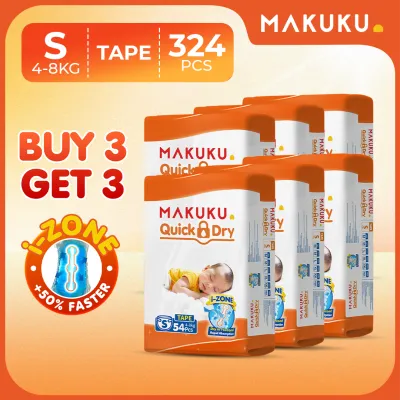
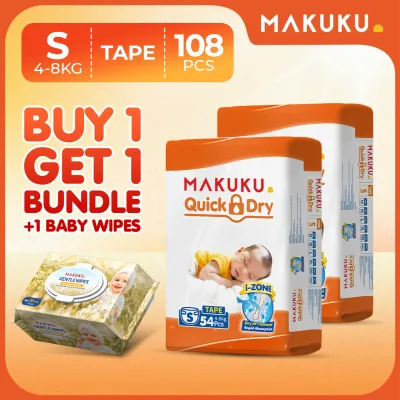
Prices are valid at publication and may change. Please refer to the product page for the latest price.
Key Leak Protection Features to Compare
To understand why a diaper leaks on an active baby, it is essential to look at the engineering behind modern disposable diapers. When a baby transitions from crawling to walking, their movements put constant pressure on different areas of the diaper, testing its structural integrity.

Absorbent Core Technology
The core of a diaper is responsible for drawing wetness away from the skin and locking it inside. Traditional diapers rely on a mix of wood fluff pulp and Super Absorbent Polymer (SAP) particles. While effective, fluff pulp can break apart, clump, and sag when saturated, creating gaps at the waist and legs. Modern core designs, such as full SAP sheets, eliminate fluff pulp entirely. These thin cores lock in moisture evenly, maintaining their flat shape and structural integrity even when fully wet, which allows active babies to move freely without a heavy, sagging mass between their legs.
Leg Cuff Design and Elasticity
The leg cuffs, or side ruffles, serve as the primary barrier against leaks when a baby is running, climbing, or sitting. A high-quality diaper features a double-layered barrier system. The inner cuff must stand upright against the skin to catch sudden rushes of liquid, while the outer cuff provides a secondary seal around the thigh. The elastic material used in these cuffs must be highly flexible; it needs to hug the thighs snugly to prevent gaps without being so tight that it leaves deep red marks or chafes the baby’s delicate skin.
Waistband Stretch and Fastening Strength
Active babies constantly bend, twist, and roll, which puts immense strain on the waistband. For tape-style diapers, the fastening tabs must be strong enough to resist peeling off during play, and the landing zone must allow for secure repositioning. For pants-style diapers, a 360-degree elastic waistband is crucial. The waistband must stretch dynamically with the baby’s tummy as it expands after feeding and contracts during active play, ensuring the diaper does not slide down and cause lower-back leaks.
Breathability and Heat Dissipation
In hot and humid tropical climates, heat and sweat can build up quickly inside a diaper. A breathable outer cover allows hot air to escape while keeping liquid locked inside. If a diaper lacks breathability, sweat can accumulate, leading to skin maceration (softening of the skin due to prolonged moisture), which makes the skin highly susceptible to friction leaks and painful diaper rash.
Makuku Large vs Pampers vs Huggies: Feature Breakdown
When comparing Makuku Large, Pampers, and Huggies, looking closely at the manufacturer specifications and packaging labels helps clarify how each brand approaches leak prevention.
Core Structure and Mobility
Makuku Large is highly regarded for its advanced, ultra-thin SAP core technology. By omitting traditional fluff pulp, the diaper remains remarkably slim even when saturated. This lightweight profile minimizes bulkiness, allowing active babies to walk and run with less restriction.
Pampers focuses heavily on rapid absorption channels. These channels are designed to distribute liquid quickly from front to back, preventing the diaper from becoming heavy in one specific spot. This even distribution helps maintain balance and reduces the risk of gravity pulling the diaper down.
Huggies typically utilizes a high-capacity absorbent core designed for heavy-duty protection. This structure is engineered to handle large volumes of liquid quickly, making it a popular choice for overnight use or long outings where immediate changes are not always possible.
Leg Barriers and Waistband Flexibility
The physical construction of the leg and waist areas varies across these three brands:
- Makuku features soft, double-layered elastic side walls that flex easily with the baby's movements, focusing on a gentle yet secure seal.
- Pampers utilizes highly stretchable sides and soft waistbands that adapt to the baby's changing tummy size throughout the day.
- Huggies is known for its secure, pocketed waistband design at the back, which helps trap runny stools, and its robust leg cuffs that provide a firm barrier against side leaks.
Verifiable Feature Comparison
The following table outlines the key design features and label claims of each brand in the Large size, allowing you to compare their structural differences directly.
| Feature | Makuku Large | Pampers Large | Huggies Large |
|---|---|---|---|
| Primary Core Design | Ultra-thin SAP sheet | Channel-based absorption | High-capacity absorbent core |
| Wetness Indicator | Yes (color-changing line) | Yes (color-changing line) | Yes (color-changing line) |
| Waistband Style | High-stretch elastic | Stretchy sides / 360-degree fit | Snug-fit elastic waistband |
| Key Focus | Slim profile & anti-clumping | Even liquid distribution | Heavy-duty leak barriers |
| Hypoallergenic Claims | Yes (as stated on packaging) | Yes (as stated on packaging) | Yes (as stated on packaging) |
Sizing and Fit Checks for Large Diapers
Even the most technologically advanced diaper will leak if the fit is incorrect. While diaper packaging provides recommended weight ranges (such as 9 to 14 kg for typical Large sizes), these numbers are general guidelines. A baby’s unique body shape—whether they have chunky thighs, a round tummy, or a tall and lean build—significantly influences how a diaper fits.
The Two-Finger Rule
To verify if the waistband is adjusted correctly, perform the two-finger check. After fastening the diaper, you should be able to slide two fingers comfortably between the diaper’s waistband and your baby’s stomach. If the fit is tighter than this, the diaper may pinch and cause discomfort when the baby sits. If it is looser, liquid can easily escape from the back when the baby lies down.
Checking the Leg Cuffs
The most common cause of leg leaks is a simple application error: tucked-in ruffles. Every time you put a diaper on your baby, run your finger along the inside of the leg cuffs to ensure the outer ruffles are flared outward. These ruffles act as gutters; if they are folded inward, they will channel liquid directly out of the diaper.
Tape vs. Pants Diapers for Active Babies
Active babies often resist lying down for diaper changes, making pants-style diapers a highly convenient choice. However, pants diapers rely entirely on the built-in elastic waistband for fit, whereas tape diapers allow for precise micro-adjustments around the waist. If your baby has a narrow waist but chunky thighs, tape diapers may offer a more customizable fit to prevent gaps.
Indicators That It Is Time to Size Up
Do not wait until your baby reaches the maximum weight listed on the packaging to transition to a larger size. Consider upgrading to Extra Large if you observe any of the following signs:
- Frequent leaks occur even when the diaper is applied correctly and is not completely full.
- Deep red marks or elastic indentations remain on your baby's thighs or waist after removal.
- The fastening tape tabs must be secured at the very edges of the landing zone rather than near the center.
- The diaper's rise is too low, failing to cover the baby's belly button or fully wrap around their bottom.
Decision Framework: Choosing the Right Brand
To find the perfect diaper without spending excessively, parents can follow a structured testing process. This methodical approach ensures you find a diaper that prevents leaks while keeping your baby comfortable.
Step 1: Purchase Trial Packs
Avoid buying large bulk boxes of any brand initially. Instead, look for small travel packs or sample packs on official brand stores or online marketplaces. This minimizes financial waste if a particular brand does not suit your baby’s body shape. When calculating your long-term diaper budget, compare the price per piece in ₱ to ensure the brand fits your household expenses.
Step 2: Conduct a Three-Day Active Test
Test each brand over a three-day period under different conditions:
- Active Daytime Play: Observe if the diaper shifts, sags, or bunches up when your baby crawls, climbs, or walks. A diaper that stays in place is less likely to leak.
- Overnight Sleep: Monitor how well the diaper handles long hours of lying down. Check for wetness on the baby's pajamas or bedsheets in the morning.
- Heavy Wetting: Check the diaper after a heavy wet. Feel if the core remains flat and stable or if it becomes clumpy and heavy, which can restrict movement.
Step 3: Monitor Skin Health and Stop Conditions
Keep a close eye on your baby’s skin during the trial. Stop using a brand immediately if you observe persistent skin irritation, redness, or diaper rash. If a rash develops and does not improve after switching brands and applying diaper cream, consult a pediatrician for professional medical advice.
Proper Diaper Storage in Humid Climates
In tropical regions with high humidity, open diaper packaging can absorb moisture from the air, reducing the diaper’s overall absorbent capacity before it is even used. To prevent this, store open diapers in a cool, dry place, preferably inside a sealed plastic container or a zip-top bag. This preserves the integrity of the SAP core and ensures maximum leak protection when worn.
Frequently Asked Questions (FAQ)
Why does my baby's diaper leak at the legs even when it is not full?
Leg leaks in a diaper that is not fully saturated are almost always caused by fit or application issues. If the leg ruffles are accidentally tucked inward during fastening, they cannot trap liquid. Additionally, if the diaper is too large or if your baby has lean thighs, gaps will form when they move, allowing liquid to escape before it can reach the absorbent core.
Is a thicker diaper always better for preventing leaks?
No, a thicker diaper is not necessarily more absorbent. Traditional diapers use fluff pulp to create thickness, which can sag, clump, and break apart when wet, leading to leaks. Modern thin diapers utilize advanced Super Absorbent Polymer (SAP) technology, which can absorb and lock away large volumes of liquid while maintaining a slim, stable profile that stays securely in place on an active baby.
How often should I change a large diaper for an active baby?
For active babies, it is generally recommended to check the diaper every 2 to 3 hours and change it promptly if wet. Always change the diaper immediately after any bowel movement to prevent skin irritation. Utilizing the color-changing wetness indicator on the packaging can help you monitor wetness without constantly opening the diaper.
Community discussion
Share your experience or ask a question. Comments are reviewed before publication.