
Choosing the right drawer lock for your home depends on your furniture type, rental status, and daily habits. For a completely hidden solution that preserves your home’s aesthetic, magnetic drawer locks are the ideal choice for standard wooden cabinets. If you live in a rental property or want a quick, tool-free setup, adhesive drawer locks provide immediate security without the need for drilling. For unconventional setups, wide drawers, or household appliances, flexible strap locks offer the adjustable reach required to secure uneven surfaces.
Before making a final purchase, always verify the manufacturer’s specific weight limits, surface compatibility, and age recommendations on the product packaging. In warm, humid climates like the Philippines, adhesive performance can vary, making it essential to match the lock mechanism to your specific environment.
Key Factors to Evaluate Before Buying
Selecting the right childproofing hardware requires looking closely at your existing furniture and your child’s physical development. Not every lock fits every drawer, and a mismatch can lead to damaged wood or ineffective security.
Products mentioned in this guide
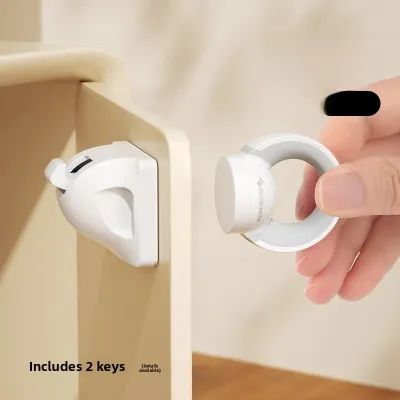
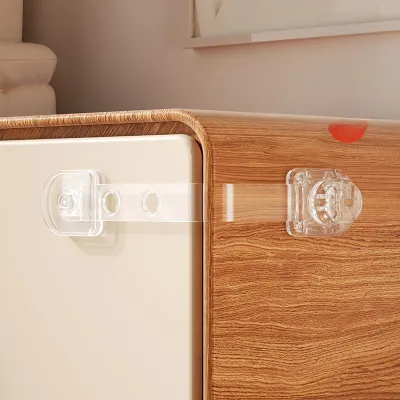
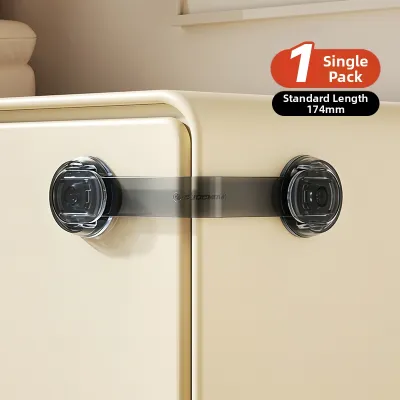
Prices are valid at publication and may change. Please refer to the product page for the latest price.
First, evaluate the furniture material and thickness. Standard wooden drawers with thick frames can easily accommodate internal magnetic catches, but thin veneer or composite boards might not have enough clearance or structural integrity for screws. For these delicate surfaces, heavy-duty external adhesives are often preferred, provided the surface is smooth and non-porous.
Next, consider adult convenience. Caregivers frequently navigate the kitchen or bedroom with a baby in one arm, meaning a drawer lock must be easy to operate with a single hand. If a mechanism is too complex or stiff, adults may find themselves leaving it unlocked, defeating the purpose of childproofing.
A child’s age and mobility also dictate the level of security needed. A curious toddler quickly develops the fine motor skills and strength to bypass simple latches. Matching the lock’s mechanical complexity to your child’s current problem-solving abilities ensures the barrier remains effective as they grow.
Finally, factor in aesthetic preferences and rental rules. If you are renting an apartment, drilling holes into cabinetry might result in a lost security deposit. In such cases, temporary external locks are the standard choice, whereas homeowners often prefer hidden internal locks that keep the furniture’s exterior clean and untouched.
Magnetic Drawer Locks: Invisible Security
Magnetic drawer locks are highly favored by homeowners who want to keep their childproofing measures completely out of sight. This system relies on a split mechanism: an internal latch mounted inside the drawer frame and a matching catch on the drawer itself. To open the drawer, an adult must place a specialized magnetic key against the outside of the wood, which pulls the internal latch down and releases the mechanism.

This design is ideal for standard wooden drawers where drilling is acceptable and maintaining a clean, modern home aesthetic is a priority. Because there are no visible external parts, children are less tempted to pull or play with the lock, reducing the likelihood of wear and tear over time.
However, there are several limitations to verify before choosing this option. You must ensure your drawer lip and frame have sufficient clearance for the internal hardware to align properly. Installation requires basic tools like a drill and screwdriver, which demands precise measurement. Additionally, managing the magnetic key requires discipline; if the key is misplaced, adults cannot access the drawer contents easily.
For safety, always store the magnetic key on a high, metallic surface well out of your child’s reach. Before installation, check the manufacturer’s maximum drawer thickness and weight ratings to confirm the magnet is strong enough to penetrate the wood and hold the drawer secure against a toddler’s pull.
Adhesive Drawer Locks: Quick and Tool-Free Setup
Adhesive drawer locks offer a highly accessible path to childproofing, requiring no power tools or permanent alterations to your cabinetry. These locks typically feature an external latch or push-button mechanism that secures the drawer to the outer frame using heavy-duty double-sided adhesive pads.
This type is particularly suited for lightweight drawers, plastic storage bins, and rental homes where drilling is strictly prohibited. Because they install in minutes, they are an excellent option for grandparents’ homes or temporary setups where immediate security is needed without long-term modifications.
Despite their convenience, adhesive locks have distinct limitations that require careful verification. In tropical environments with high humidity, the bond of the adhesive can weaken over time if not applied correctly. Most manufacturers specify a mandatory curing time—often up to 24 hours—during which no weight or pulling force should be applied to the lock.
To ensure safety, inspect the adhesive bond regularly to confirm it has not begun to peel or slip. Avoid using these locks on porous, uneven, heavily textured, or freshly painted surfaces, as the adhesive may fail to grip properly or could strip the finish when eventually removed.
Strap Drawer Locks: Flexible and Adjustable Fit
Strap drawer locks provide a versatile solution for securing non-standard furniture, wide drawers, and household appliances. This mechanism consists of a flexible plastic or fabric strap anchored by two adhesive pads on either end. The strap spans the gap between the drawer and the frame, preventing the drawer from sliding open more than a fraction of an inch.
These locks are the go-to choice for wide file cabinets, heavy kitchen drawers, oven doors, and refrigerators. Their flexible nature allows them to bend around corners, making them highly effective for securing curved furniture or appliances that generate heat, where internal locks cannot be mounted.
The primary trade-off with strap locks is their high visibility. Because they are mounted entirely on the exterior, they alter the look of your furniture and are highly visible to curious children who may pull on the straps. Precise measurement and alignment during installation are also necessary to ensure the strap is taut enough to prevent small fingers from slipping through the gap.
When installing strap locks, verify the material’s durability and check the manufacturer’s adhesive weight limits. Ensure that when the lock is disengaged, the loose strap does not hang down in a way that creates a tripping hazard or allows a child to pull on it repeatedly.
Side-by-Side Comparison of Drawer Lock Mechanisms
To help you visualize how these three options compare, the table below outlines their primary characteristics. Use this comparison to match the specific layout of your home and furniture to the most appropriate locking mechanism.
| Lock Type | Installation Method | Visibility | Best Furniture Type | Key Maintenance Check |
|---|---|---|---|---|
| Magnetic | Screws or heavy adhesive (internal) | Completely hidden | Standard wooden cabinets and drawers | Check internal latch alignment and key storage |
| Adhesive | Tool-free adhesive pads (external) | Fully visible | Lightweight drawers, plastic bins, rentals | Inspect adhesive bond for peeling due to humidity |
| Strap | Tool-free adhesive anchors (external) | Fully visible | Wide drawers, appliances, curved corners | Check strap tension and anchor stability |
Please note that specific weight limits, age recommendations, and surface compatibility warnings vary by brand. Always verify these details directly on the product packaging before installation. This table serves as a guide to help you align lock features with your home’s layout rather than declaring one single type as universally superior.
Safe Installation and Ongoing Maintenance
Proper installation is just as important as choosing the right lock type. Before applying any adhesive or drilling holes, clean the furniture surfaces thoroughly with an appropriate mild solvent, such as rubbing alcohol, to remove dust, grease, and oils. Allow the surface to dry completely to ensure the best possible bond or screw grip.
Once the lock is installed, perform a controlled pull-test. Gently but firmly pull on the drawer to simulate the force a toddler might apply. This test helps verify that the adhesive has bonded correctly or that the screws are securely anchored before you leave your child unattended in the room.
Childproofing is not a set-and-forget task. Establish a regular schedule to visually inspect all drawer locks in your home. Look for signs of adhesive peeling, fraying straps, misaligned latches, or loose screws that could compromise the lock’s integrity, especially during seasons of high humidity when wood can swell and adhesives can soften.
Knowing when to stop using a lock is crucial for maintaining a safe home. If an adhesive lock repeatedly loses its grip, or if your child has grown strong enough to pull the mechanism open, it is time to upgrade to a more robust solution or transition to active supervision and safety boundaries.
Frequently Asked Questions (FAQ)
Can I use adhesive drawer locks on painted or veneer furniture?
Strong adhesives can pose a risk to delicate finishes, including paint, varnish, and thin wood veneers. When it is time to remove the lock, the bond may be stronger than the paint’s adhesion to the wood, leading to peeling or surface damage. Always check the product packaging for specific surface compatibility guidelines. If the instructions are unclear, test the adhesive on a small, hidden area of the furniture first. If you are concerned about preserving a delicate finish, consider using internal magnetic locks that screw into the inside frame, or utilize temporary physical barriers that do not attach directly to the finished exterior.
What should I do if my child figures out how to open the drawer lock?
Children develop cognitive and motor skills at rapid paces, and it is common for them to eventually bypass basic childproofing measures. If your child figures out a lock, upgrade to a more complex mechanism, such as replacing a simple push-button adhesive latch with a magnetic lock or a dual-action system that requires two simultaneous movements to open. Additionally, remember that mechanical locks are secondary lines of defense. Always relocate hazardous items—such as cleaning chemicals, sharp utensils, and heavy objects—to high, completely inaccessible shelves. Use this milestone as an opportunity to actively supervise and teach your child about household safety boundaries.
Community discussion
Share your experience or ask a question. Comments are reviewed before publication.