
Securing your home for a curious toddler requires a thoughtful look at your furniture. Drawers and cabinets hold everything from sharp kitchen utensils to household cleaners, making reliable barriers essential. The right choice depends on your specific cabinet materials, surface finishes, and handle designs.
While magnetic locks offer a completely hidden solution that preserves the look of fine wooden furniture, flexible adhesive strap locks excel on laminated surfaces and irregular corners. Understanding how these mechanisms interact with your home’s cabinetry prevents unnecessary damage to your wood or laminate while keeping hazardous items out of reach.
Identifying Your Cabinet Materials and Drawer Configurations
Before purchasing any baby-proofing hardware, you must evaluate the physical characteristics of your cabinets. Different materials react uniquely to adhesives, screws, and magnetic fields. Taking a few minutes to inspect your furniture prevents installation failures and surface damage.
Products mentioned in this guide
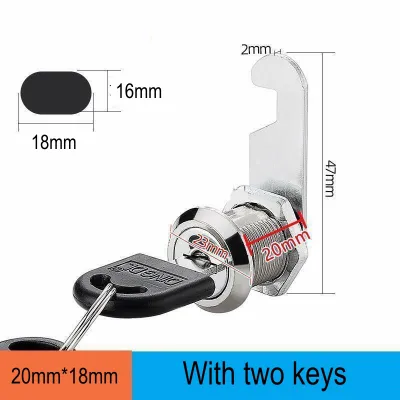
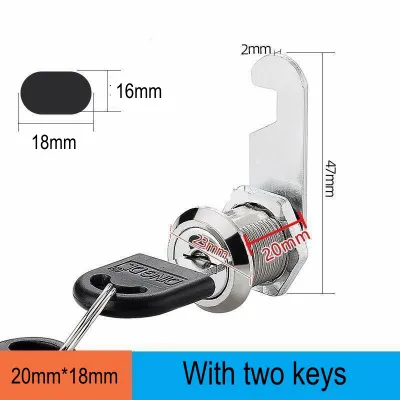
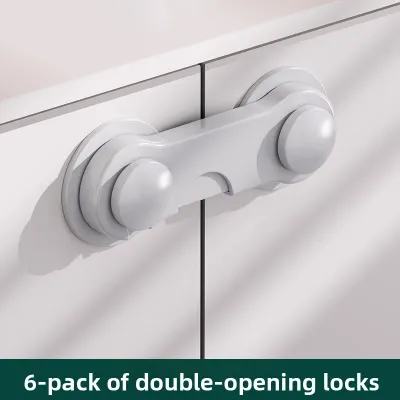
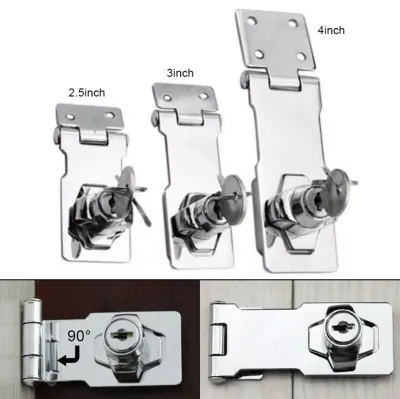
Prices are valid at publication and may change. Please refer to the product page for the latest price.
Begin by checking the surface texture of your drawers. Smooth, non-porous surfaces like plastic laminates, varnished wood, and metal are highly compatible with adhesive mounts. Porous, rough, or unpainted wood surfaces do not bond well with standard adhesives and may require screw-mounted hardware instead. If your cabinets are painted, low-quality or aging paint may peel off when adhesive locks are eventually removed.
Next, measure the thickness of your drawer fronts and the internal clearance behind them. Magnetic locks rely on a strong magnetic field passing through the drawer panel to release the internal latch. If your drawer fronts are exceptionally thick—typically exceeding 25 millimeters—the magnetic key may not be strong enough to actuate the lock. You must also ensure there is enough clearance inside the drawer frame to mount the latch mechanism without obstructing the drawer’s contents.
Handle configurations also dictate which locks will work. Traditional knobs and bar pulls allow you to use external strap locks or cord-style locks that loop around the hardware. Recessed grips, flat-panel modern drawers, and touch-to-open cabinets lack these external anchor points, making internal magnetic or spring-loaded locks the only viable options.
Finally, always review the manufacturer guidelines for both your cabinets and the baby-proofing hardware. Some high-end cabinetry warranties are voided if you drill into the frames or apply heavy-duty adhesives. Checking these details beforehand helps you choose a non-destructive locking method that keeps your warranty intact.
Magnetic Drawer Locks: Ideal for Thick Wood and Seamless Designs
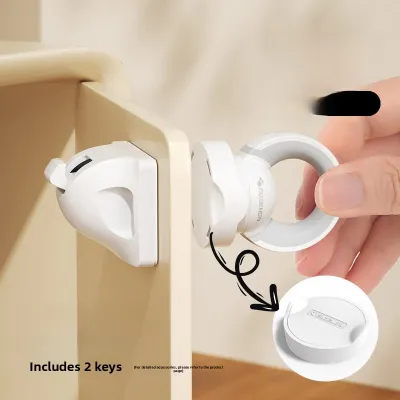
Magnetic drawer locks are a popular choice for homeowners who want to maintain the clean, uninterrupted lines of their cabinetry. Because the entire locking mechanism is installed inside the drawer, there are no visible straps, plastic latches, or buttons on the exterior of your furniture.

The system operates using a spring-loaded internal latch that automatically catches when the drawer is closed. To open the drawer, you place a specialized magnetic key against the outside of the cabinet panel directly opposite the internal lock. The magnetic force pulls the internal lever down, releasing the latch and allowing the drawer to slide open.
To ensure reliable operation, you must verify that your cabinet panels fall within the manufacturer’s specified thickness limits. If the wood is too thick, the magnetic field cannot penetrate sufficiently to pull the internal spring. Conversely, if the panel is extremely thin, the magnet may slam against the surface with enough force to scratch the finish over time.
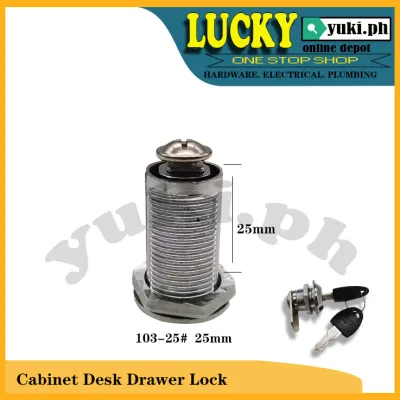
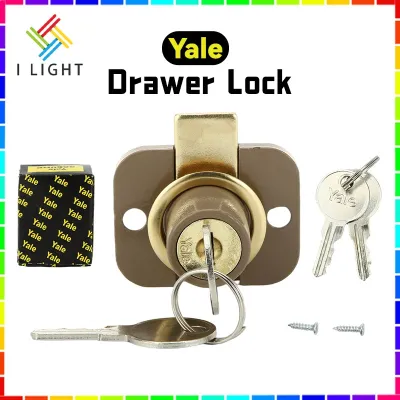
While magnetic locks offer excellent security and aesthetics, they require precise alignment during installation. Most systems use templates or alignment tape to help you position the latch and the catch perfectly inside the cabinet. This process typically requires drilling small pilot screws into the interior drawer box and cabinet frame, making them less suitable for thin glass panels, metal cabinets, or rented properties where drilling is restricted.
From a safety perspective, managing the magnetic key is critical. You must store the key on a high metal surface, such as the top of a refrigerator, completely out of your child’s reach. If you lose the key, you will not be able to open the locked drawers without using specialized bypass techniques or risking damage to the cabinet. Additionally, you should regularly inspect the internal latch to ensure it engages smoothly and does not stick in the open position.
Adhesive Drawer Locks: Best for Smooth Surfaces and Temporary Needs
Adhesive drawer locks are highly versatile and ideal for temporary baby-proofing, especially in rental homes where drilling is not permitted. These locks typically feature a plastic strap or latch that mounts to the exterior of the cabinet using double-sided foam tape.
These locks perform exceptionally well on smooth, non-porous surfaces such as laminated kitchen cabinets, acrylic bathroom vanities, and sealed glass or metal. In warm, humid environments like the Philippines, choosing a high-quality, heat-resistant adhesive is crucial, as constant moisture and high temperatures can weaken standard glue over time.
Proper surface preparation is the key to a long-lasting adhesive bond. You must thoroughly clean the mounting area with rubbing alcohol to remove grease, dust, and soap residue. Allow the surface to dry completely before applying the adhesive pad. Once pressed firmly into place, most manufacturers recommend letting the adhesive cure for at least 24 hours before subjecting the lock to any pulling force.
Avoid using adhesive locks on unfinished wood, highly textured surfaces, or delicate wallpaper. The adhesive cannot form a complete bond on textured surfaces, leading to premature failure. On painted or papered surfaces, the strong adhesive is likely to tear away the paint or wallpaper when you eventually attempt to remove the lock.
To maintain a safe environment, you must inspect the adhesive pads regularly. If you notice any lifting at the edges, stretching of the foam tape, or a loss of grip when the drawer is pulled, replace the adhesive pad or the entire lock immediately. Over time, repeated tugging by a determined toddler can degrade even the strongest adhesive bonds.
Strap and Spring Locks: Suitable for Knobs, Handles, and Irregular Shapes
When dealing with unconventional cabinet layouts, irregular shapes, or drawers with prominent hardware, strap and spring-action locks offer practical solutions. These locks adapt easily to corners, curved surfaces, and double-door cabinets.
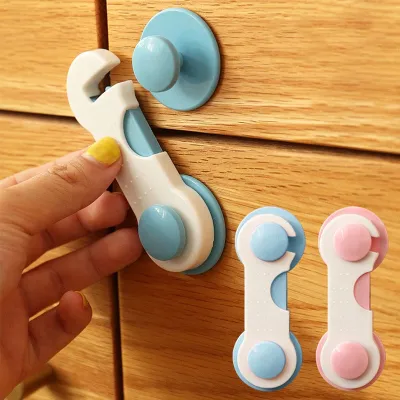
Strap locks consist of a flexible plastic or silicone band anchored by two adhesive mounts. They are designed to wrap around corners or bridge the gap between a drawer front and the cabinet frame. Spring locks, on the other hand, are installed inside the drawer and allow the drawer to open slightly before a plastic hook catches on the frame. To open the drawer fully, you must press down on the flexible spring arm through the narrow opening.
Strap locks require sufficient flat surface area on both sides of the corner to mount the adhesive anchors securely. If your cabinets have decorative molding, deep grooves, or uneven trim, finding a flat mounting spot can be challenging. Spring locks require adequate vertical clearance at the top of the drawer box so your fingers can reach inside to press the release mechanism.
The flexible materials used in strap locks, such as nylon or soft plastics, are subject to wear and tear. In high-traffic areas like kitchen drawers, constant opening and closing can cause the straps to stretch, fray, or snap. You should inspect these flexible components weekly for signs of material fatigue.
When selecting strap or spring locks, pay close attention to the design of the release mechanism. Ensure the lock does not feature small, detachable parts that could pose a choking hazard if they break off. Additionally, spring-loaded latches must be designed to prevent pinch points, ensuring that small fingers do not get caught in the narrow gap if the drawer accidentally slams shut while partially open.
Decision Matrix: Matching Lock Types to Cabinet Styles
To help you select the most effective locking system for your home, use this decision matrix to compare how different lock types perform across various cabinet materials and configurations.
| Lock Type | Compatible Materials | Handle Configurations | Installation Effort | Surface Damage Risk | Best Use Case |
|---|---|---|---|---|---|
| Magnetic Locks | Solid wood, thick plywood, heavy laminates | Flat panels, recessed grips, knobs, bar pulls | High (Requires precise drilling and alignment) | Low (Internal screws only; no exterior damage) | Premium wooden furniture, seamless modern kitchens |
| Adhesive Locks | Smooth laminates, sealed metal, glass, finished wood | Flat panels, modern handleless drawers | Low (Peel-and-stick application; requires curing) | Medium (May peel paint or leave residue on removal) | Rental properties, laminated kitchen vanities |
| Strap Locks | Glass, metal, laminates, finished wood | Double doors, adjacent knobs, corner drawers | Low (Flexible placement on flat surfaces) | Medium (Exterior adhesive residue upon removal) | Appliances, corner cabinets, irregular drawer layouts |
| Spring Locks | Solid wood, thick plywood, sturdy laminates | Knobs, bar pulls, traditional drawers | Medium (Internal screw mounting required) | Low (Internal screws only; no exterior damage) | High-use utility drawers, traditional wooden cabinets |
Note: If your cabinets feature thin glass panels, delicate antique finishes, or highly recessed handles, standard locks may not fit securely. Always verify the dimensions and material compatibility before purchasing.
Installation Checks and Safety Boundaries for Baby-Proofing
Proper installation is just as important as choosing the right lock type. Even the most secure lock will fail if the installation instructions are not followed precisely.
When installing adhesive locks, always respect the recommended curing time. It can be tempting to test the lock immediately, but pulling on the adhesive before it has fully cured prevents the chemical bond from reaching its maximum strength. For screw-mounted locks, use the correct drill bit size and depth stops to avoid drilling completely through your decorative drawer fronts.
Once installed, perform a firm pull-test to simulate the force of a toddler tugging on the drawer. You should repeat this test periodically as part of your home maintenance routine. Check for loose screws, splintering wood around mounting holes, or degraded adhesive pads that may have softened due to kitchen grease or bathroom humidity.
If you observe that your cabinet material is beginning to splinter, the locking mechanism frequently jams, or your child has figured out how to operate the release mechanism, stop using the lock immediately. You should replace the lock with a different style or consult a professional baby-proofing service to find a more secure alternative.
Remember that drawer locks and other baby-proofing hardware are supplementary physical barriers. They are designed to buy you valuable reaction time, but they can never replace active adult supervision. Keeping a watchful eye on your child remains the most effective way to ensure their safety at home.
Community discussion
Share your experience or ask a question. Comments are reviewed before publication.