
Finding the right diaper for your baby in the Philippines is a highly personalized journey. With the country’s tropical climate and high humidity, parents must carefully balance breathability, absorbency, and cost to keep their little ones comfortable and rash-free. While Magic Dry, Pampers, Huggies, and Equator are all prominent names on supermarket shelves and online marketplaces, no single diaper brand serves as a universal solution for every infant. The ideal choice depends heavily on your baby’s current growth stage, physical build, skin sensitivity, and your household’s monthly budget. By understanding the distinct design philosophies of these four brands, you can avoid the trial-and-error process that often leads to wasted packs and skin irritation.
Baseline Differences: What Each Brand Focuses On
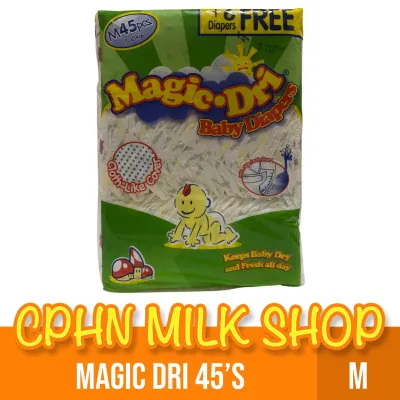
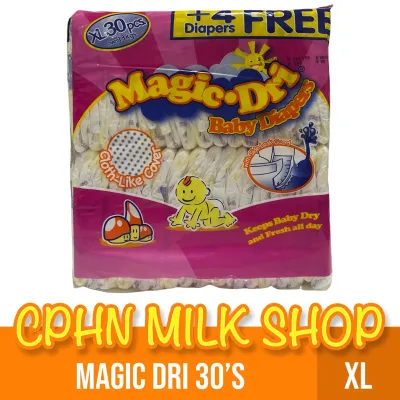
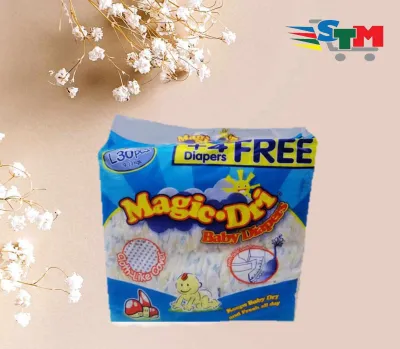
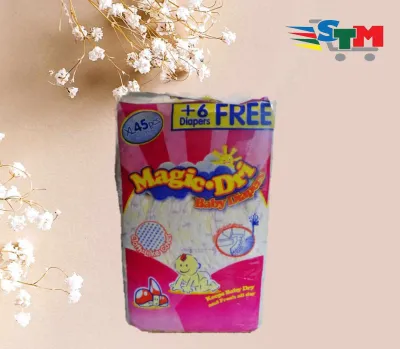
Every diaper brand approaches baby comfort and leak protection from a slightly different angle, targeting specific parental priorities and budgets. Magic Dry focuses on delivering functional, everyday protection at an accessible price point. It is designed for parents who prioritize straightforward utility and local availability without paying a premium for high-end marketing or niche features. This makes it a popular baseline option for daytime wear when diaper changes are naturally more frequent.
Pampers is recognized globally and locally for its emphasis on ultra-thin profiles and advanced moisture-locking technologies. Their design philosophy centers on minimizing bulk, allowing babies to move freely without a heavy, sagging diaper between their legs. This thin profile is particularly appealing in warm weather, as it reduces the overall layers wrapped around the baby’s lower body.
Products mentioned in this guide
Prices are valid at publication and may change. Please refer to the product page for the latest price.
Huggies places a strong emphasis on structural fit and robust physical barriers. Their diapers often feature highly elastic waistbands and pocketed back waistbands designed to contain messy blowouts, making them a popular choice for active, crawling, or rolling babies. Their design philosophy leans toward a secure, contoured fit that hugs the baby’s natural curves.
Equator positions itself as a practical, value-driven alternative in the local market. It focuses on providing reliable baseline absorbency and a soft material feel, appealing to budget-conscious households looking for dependable performance during regular daytime intervals. Because features can vary significantly between a brand’s budget line and its premium offering, always check the specific packaging labels for details on materials and intended use.
Evaluating Absorbency and Leak Protection
Absorbency is the cornerstone of diaper performance, especially in warm, humid tropical environments where trapped moisture can quickly lead to skin breakdown. When evaluating these brands, look closely at the diaper’s core construction. Modern disposable diapers rely on Superabsorbent Polymers (SAP) mixed with wood pulp to draw liquid away from the skin. Check the packaging for terms like “absorbent channels,” “quick-dry layers,” or “magic gel,” which indicate how the brand distributes wetness. A diaper with dedicated distribution channels will prevent sagging by spreading liquid evenly throughout the core rather than letting it pool in one spot.

Wetness indicators—typically a yellow line on the outside of the diaper that turns blue or green when wet—are highly convenient features to look for on the packaging. While common in newborn sizes across most brands, they may not be present in larger sizes or budget-tier lines. If a wetness indicator is a priority for you, verify its presence on the specific pack size before purchasing.
Leak protection is not just about the core; it also depends heavily on the diaper’s physical barriers. Examine the leg cuffs and double-layered gussets. Active babies who are learning to roll, crawl, or stand require highly elastic, snug-fitting leg bands that move with them. If the elastic is too loose, liquid will escape before the core can absorb it; if it is too tight, it can cause painful chafing on chubby thighs.
Daytime versus overnight needs also dictate your choice. Daytime diapers are changed more frequently, meaning you can often opt for thinner, standard-absorbency options. Overnight diapers, however, require extended-wear capabilities, often labeled as “12-hour protection” or “overnight dry.” For uninterrupted sleep, look for packages that explicitly highlight enhanced core capacity and a dry-touch liner to keep moisture away from the skin for up to twelve hours.
Matching Fit, Comfort, and Skin Needs
A baby’s skin is incredibly delicate, and the combination of friction, moisture, and tropical heat can easily trigger diaper dermatitis. To safeguard your baby’s skin, always verify the hypoallergenic and dermatological claims printed on the diaper packaging. Look for labels indicating that the materials are fragrance-free, elemental chlorine-free, and paraben-free. Fragrances are a common trigger for sensitive skin, so opting for unscented varieties is often the safest starting point.
The physical cut of the diaper plays a massive role in both comfort and leak prevention. Babies come in all shapes and sizes—some have round, chubby thighs, while others have long, lean builds. A diaper brand that fits a slender baby perfectly might pinch or leave deep red marks on a chubbier baby. Huggies is widely recognized for its contoured fit and stretchy waistband, which conforms well to rounder bellies. Pampers often features a narrower, trimmer cut that suits leaner babies who need a snug fit around the hips without excess bulk. Magic Dry and Equator generally offer classic, standard cuts that provide a reliable middle-ground fit for average body types.
Carefully observe your baby’s skin during diaper changes. Red marks around the thighs or waist indicate that the diaper is either too small, fastened too tightly, or has a cut that is incompatible with your baby’s shape. Chafing, persistent redness, or a bumpy rash are clear signs of skin irritation. If these symptoms appear, it may be time to switch to a more breathable brand, transition to a larger size to allow better airflow, or consult a pediatrician for professional medical advice.
Price and Value: Calculating the True Cost Per Diaper
While the upfront price of a diaper pack is the most visible cost, it can be highly misleading. Packs vary wildly in quantity, meaning a cheaper pack might actually cost more per change. To find the true financial impact on your household budget, use this simple formula:
Cost per Diaper = Total Pack Price (₱) / Number of Pieces in Pack
For example, if a pack costs ₱450 and contains 30 diapers, the cost per diaper is ₱15.00. If another pack costs ₱600 but contains 50 diapers, the cost per diaper drops to ₱12.00, making the higher-priced pack the more economical choice in the long run. Keeping a running log of these calculations helps you identify genuine bargains.
However, unit price is only half of the equation; you must also consider consumption rates. A cheaper, less absorbent diaper may require changing every two hours to prevent leaks or rash, whereas a slightly more expensive, highly absorbent diaper might comfortably last four hours. If you use eight cheap diapers a day versus five premium diapers, the “expensive” option actually saves you money and reduces waste over time.
To maximize your savings, avoid buying large boxes of an untried brand or size. Start with small travel packs to test the fit and skin compatibility. Once you find a brand that works, look for bulk-buy options, mega-packs, or subscription bundles. You can verify current promotions, seasonal discounts, and official vouchers by visiting the official flagship stores of Magic Dry, Pampers, Huggies, and Equator on major online marketplaces or by checking local supermarket circulars.
Final Decision: Which Diaper Brand Fits Your Baby?
Choosing the right diaper is a process of matching your baby’s physical needs with your practical household constraints. There is no universal winner, but you can use the following guidelines to narrow down your choice:
Choose Magic Dry if you are looking for a highly accessible, budget-friendly diaper for regular daytime use, and your baby has standard skin sensitivity and a typical body shape.
Choose Pampers if you prefer a widely available, trusted brand with an ultra-thin profile that minimizes bulk under clothing, making it ideal for active daytime movement and standard fits.
Choose Huggies if your baby is highly active, crawling, or has a rounder build that benefits from superior waistband elasticity, deep pocketed waistbands, and secure leg cuff structures to prevent blowouts.
Choose Equator if you want an alternative value-tier option that offers straightforward, reliable performance for daytime changes without the premium price tag of global brands.
Before making your final purchase, always verify if your baby has any known skin sensitivities or allergies that require specialized, fragrance-free materials. If you are currently transitioning between sizes, or if the manufacturer’s weight guidelines on the packaging conflict with your baby’s actual fit, prioritize physical comfort and coverage over the printed weight ranges.
Frequently Asked Questions (FAQ)
Can I mix different diaper brands for day and night use?
Yes, mixing diaper brands is a highly practical and cost-effective strategy used by many parents. You can use a budget-friendly brand like Magic Dry or Equator during the day when changes are frequent, and switch to a premium, high-absorbency brand like Pampers or Huggies for overnight sleep. When introducing a new brand into your rotation, monitor your baby’s skin closely for any signs of redness or irritation, as alternating materials can sometimes trigger sensitivities in babies with highly reactive skin.
How do I know if it is time to size up in a specific brand?
Physical indicators are far more reliable than age or weight charts alone. It is time to size up if you notice deep red marks on your baby’s thighs or waist, if the fastening tabs sit too far apart near the hips, or if you experience sudden, frequent leaks. Additionally, if the diaper’s rise is too low—sitting well below the belly button—it will not provide adequate coverage. Always consult the specific weight and size charts on your chosen brand’s packaging, as sizing standards vary significantly between manufacturers.

Community discussion
Share your experience or ask a question. Comments are reviewed before publication.