
Protecting your baby from mosquito bites is a top priority, especially in tropical climates where mosquito-borne illnesses are a constant concern. However, when it comes to using liquid mosquito repellents around infants, safety is not a simple yes-or-no answer. The delicate respiratory systems and sensitive skin of babies make them highly vulnerable to the chemical formulations found in these products.
Generally, liquid mosquito repellents require extreme caution and are often not recommended for direct use on or immediately around infants under a certain age. Whether a product is safe depends heavily on its active ingredients, the method of delivery, and how strictly you follow safety guidelines. Understanding the differences between these products and implementing non-chemical alternatives is the best way to keep your nursery safe and mosquito-free.
Identifying Liquid Repellent Types and Reading Product Labels
Before introducing any mosquito control product into your home, you must understand the format you are using. Liquid mosquito repellents generally fall into two categories: plug-in liquid vaporizers and topical liquid repellents. Each type interacts with your baby’s environment in completely different ways, presenting unique exposure pathways that require distinct safety measures.
Products mentioned in this guide
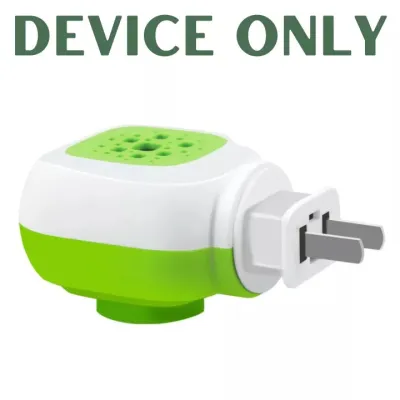
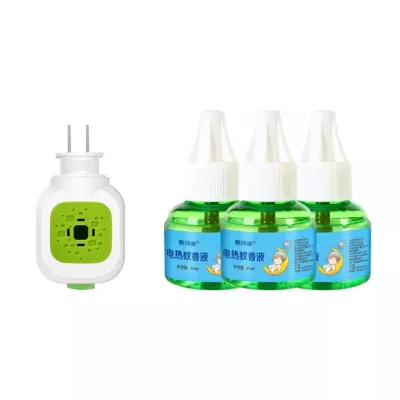
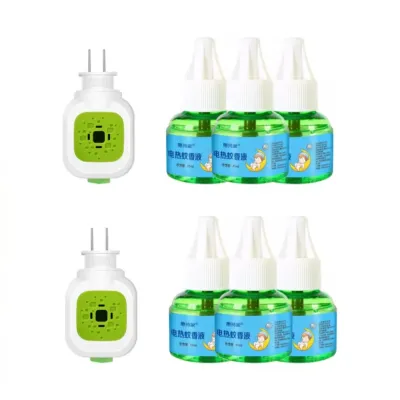
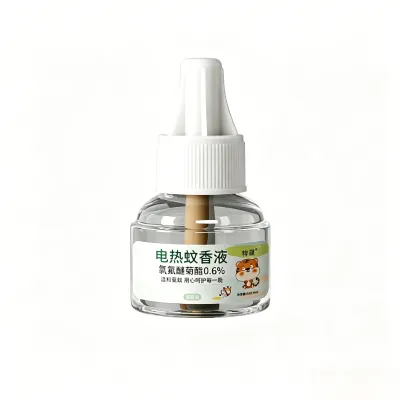
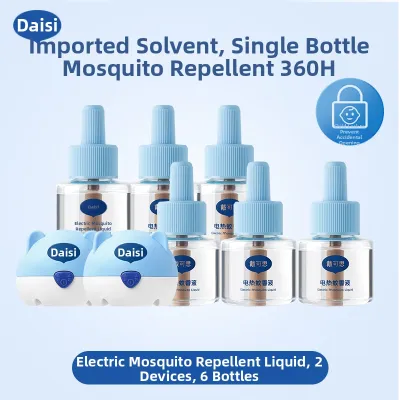
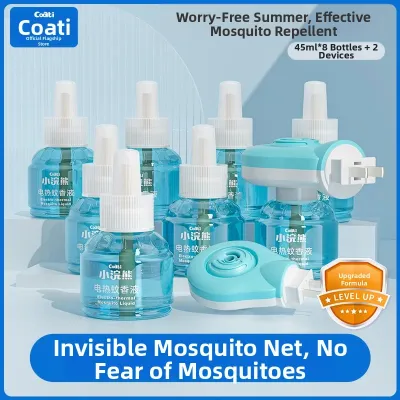
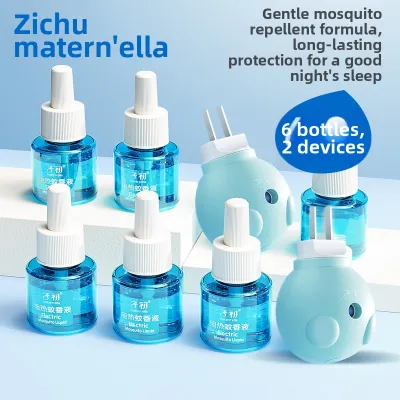
Prices are valid at publication and may change. Please refer to the product page for the latest price.
Plug-in liquid vaporizers work by heating a liquid chemical refill, which then evaporates and disperses into the air to repel or kill mosquitoes. Because this method relies on continuous inhalation exposure, the chemicals remain suspended in the air your baby breathes. On the other hand, topical liquid repellents, such as lotions, sprays, or roll-ons, are applied directly to the skin or clothing, relying on skin absorption and localized evaporation to keep insects away.
To determine if a liquid repellent is safe for your baby, you must carefully read the manufacturer’s packaging. Look closely at the active ingredients list and search for the manufacturer-specified minimum age restrictions. Many chemical formulations are explicitly restricted for newborns and infants under two months of age, while others may not be recommended for children under two years. Always check the warning labels for safety certifications and usage instructions, and ensure all liquid repellent bottles and plug-in units are kept completely out of reach of children.
Recognizing Potential Health Risks and Exposure Pathways
Infants are far more sensitive to environmental chemicals than adults because their organs, immune systems, and respiratory tracts are still developing. When you use liquid vaporizers in enclosed spaces, the continuous inhalation of vaporized chemicals can easily irritate a baby’s delicate airways. Because babies breathe at a faster rate than adults, they inhale more air—and consequently more vaporized chemicals—relative to their small body weight.

Topical liquid repellents present different risks, primarily related to skin absorption and accidental ingestion. A baby’s skin is thinner and more permeable than adult skin, meaning chemicals applied topically can be absorbed into their bloodstream more readily. Furthermore, babies frequently put their hands in their mouths and rub their eyes. If a topical liquid is applied to their hands or arms, they run a high risk of transferring those chemicals directly to their eyes or digestive system.
As a caregiver, you must remain vigilant and monitor your baby for any observable signs of adverse reactions. If a liquid repellent is irritating your infant, they may exhibit respiratory symptoms such as coughing, sneezing, or a runny nose. You might also notice physical signs like watery eyes, skin redness, localized rashes, or unusual fussiness and persistent crying. Recognizing these early warning signs allows you to take immediate action to protect your child.
Setting Up Safe Usage Boundaries in the Nursery
If you decide that using a liquid mosquito repellent is necessary for your household, establishing strict usage boundaries in the nursery is essential to minimize exposure risks. The most critical rule when using any plug-in liquid vaporizer is to ensure proper room ventilation. Never operate these devices in completely closed, unventilated rooms, as this allows chemical vapors to concentrate to levels that can easily irritate your baby’s respiratory system. Keep windows or doors slightly open to maintain a steady flow of fresh air.
Placement is another vital factor in nursery safety. Always position plug-in vaporizers at a safe distance from your baby’s crib, bedding, and play areas. The device should be plugged into an outlet that is far out of the baby’s reach, ensuring they cannot touch the hot heating element or pull the liquid refill out of the socket. Avoid placing the vaporizer in drafty areas where the vapor might be blown directly toward the crib, but ensure it is not so confined that the chemicals pool in one corner of the room.
To further reduce chemical exposure, practice pre-treating the nursery instead of running the device continuously while your baby is in the room. Turn the plug-in vaporizer on a few hours before your baby’s bedtime while the room is unoccupied. Once the room has been cleared of mosquitoes, turn the device off, unplug it, and let the space air out slightly before bringing your baby in to sleep. This simple routine provides the protective benefits of the repellent without exposing your sleeping infant to active chemical vapors throughout the night.
Spotting Adverse Reactions and Knowing When to Stop
Knowing when to stop using a product is just as important as knowing how to apply it. You must immediately discontinue the use of any liquid mosquito repellent if you observe any signs of distress in your baby. Immediate stop-use triggers include respiratory distress—such as rapid breathing, flaring nostrils, or wheezing—as well as persistent, unexplained crying, or sudden allergic skin reactions like hives, swelling, or severe redness.
If you suspect your baby has had an adverse reaction, prompt and safe first-aid steps are necessary. For accidental skin contact with a concentrated liquid or an adverse reaction to a topical product, wash the affected skin immediately with mild baby soap and plenty of cool water to remove any remaining residue. If accidental ingestion occurs, do not attempt to induce vomiting, as this can cause the chemical to enter the lungs or cause further damage to the throat. Instead, immediately check the product label for specific first-aid instructions and seek emergency medical care.
Always consult a pediatrician before introducing any new pest control products to your baby’s environment, especially if your child has a history of allergies, asthma, or sensitive skin. A qualified professional can provide personalized guidance based on your baby’s health history and help you weigh the risks of mosquito-borne illnesses against the potential sensitivities to chemical repellents.
Implementing Chemical-Free Mosquito Protection Alternatives
For parents who prefer to eliminate chemical exposure risks entirely, several highly effective, chemical-free mosquito protection methods can keep your nursery safe. Physical barriers are the most reliable line of defense for infants. Installing high-quality window and door screens keeps mosquitoes out of your living spaces without introducing any airborne substances. For sleeping areas, a properly tucked, fine-mesh mosquito net designed for cribs provides excellent protection, provided it is installed securely so it cannot fall or drape over the baby.
Environmental controls around your home also play a massive role in reducing the local mosquito population. Regularly inspect your property and eliminate any sources of stagnant water, such as in flower pots, buckets, or uncovered drains, where mosquitoes love to breed. Indoors, using a simple electric fan in the nursery can significantly disrupt mosquito flight. Because mosquitoes are weak fliers, the gentle breeze from a fan makes it incredibly difficult for them to land on or bite your baby.
When comparing your options, physical and environmental protection methods offer a zero-chemical risk profile, making them the safest choice for newborns and young infants. While chemical liquid repellents can be highly effective, they require constant supervision, strict adherence to age limits, and careful ventilation management. By prioritizing physical barriers and environmental cleanliness, you can protect your baby from mosquito bites while maintaining a clean, chemical-free nursery environment.
Frequently Asked Questions (FAQ)
Can I use plug-in liquid mosquito repellents while my baby is sleeping?
It is generally not recommended to run plug-in liquid vaporizers continuously in a closed room while your baby is sleeping. Continuous inhalation of vaporized chemicals in an unventilated space can irritate your baby’s developing respiratory system. Instead, use the pre-treatment method: plug the device in to clear the room of mosquitoes while your baby is in another part of the house, then turn it off, unplug it, and ensure the room is ventilated before putting your baby down to sleep.
What should I do if my baby accidentally ingests liquid mosquito repellent?
If your baby accidentally ingests liquid mosquito repellent, act immediately. Check the product packaging for specific first-aid instructions, but do not induce vomiting unless explicitly directed by a medical professional, as this can cause the liquid to enter the baby’s lungs. Contact a pediatrician, a local poison control center, or go to the nearest emergency room immediately, making sure to bring the product container with you so the medical team knows the exact active ingredients.
Community discussion
Share your experience or ask a question. Comments are reviewed before publication.