
Selecting the right diaper for your baby is a deeply personal decision that directly impacts their daily comfort, skin health, and your family’s household budget. With several options available in the market, finding the ideal balance between performance and cost can feel overwhelming. The truth is that there is no single “best” diaper for every baby; the right choice depends on your child’s skin sensitivity, body shape, activity level, and your financial priorities.
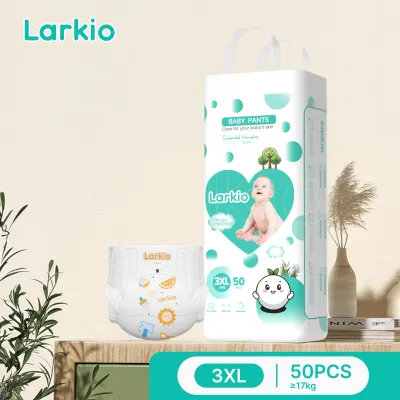
In the Philippines, parents frequently compare established global legacy brands like Pampers and Huggies with value-oriented alternatives like Equator and newer options like Larkio. Pampers and Huggies are widely recognized for their specialized premium and standard lines designed to handle different developmental stages and overnight needs. Equator is popular as a budget-friendly option, often favored for frequent daytime changes where cost-efficiency is key. Larkio serves as an alternative brand focusing on specific material attributes or cost benefits.
To make the right choice, lean towards Pampers or Huggies if your baby requires specialized skin care or long-lasting overnight protection. Consider Equator for economical daytime use, and explore Larkio if their specific product claims and pricing align with your daily diapering needs.
Products mentioned in this guide
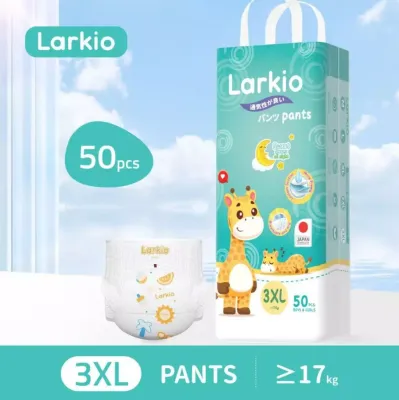
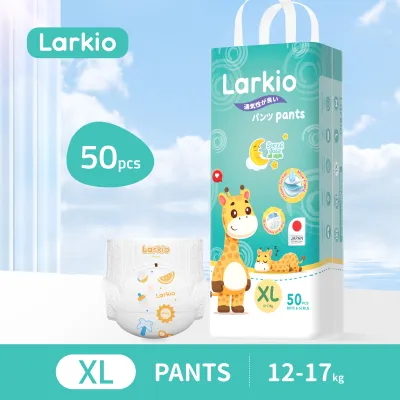
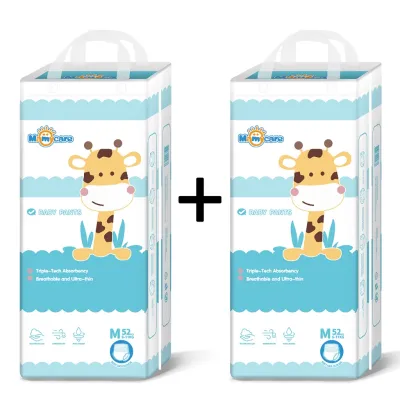
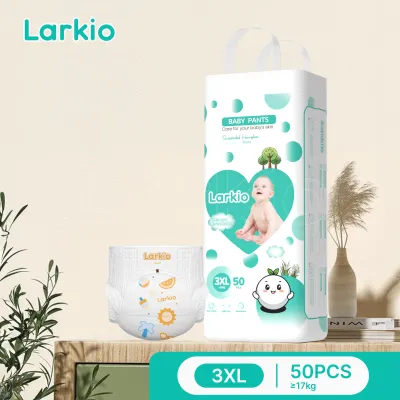
Prices are valid at publication and may change. Please refer to the product page for the latest price.
Brand Overview: Larkio, Pampers, Equator, and Huggies
Pampers and Huggies are legacy brands with wide availability across local supermarkets, major pharmacies, and authorized online marketplaces in the Philippines. Because they have established global manufacturing standards, they offer multiple product tiers, ranging from everyday standard lines to premium overnight variants. This extensive variety allows parents to select diapers tailored to specific developmental milestones, such as ultra-soft tape diapers for newborns or flexible pants diapers for active toddlers.
Equator occupies a distinct value-oriented position in the local market. It is highly favored by parents who prioritize cost-effective bulk purchasing. Because newborns and young infants require frequent diaper changes to maintain hygiene and prevent moisture build-up, Equator is often chosen as a practical daytime option that helps manage household expenses without sacrificing basic utility.
Larkio is an alternative brand that appeals to parents looking for different material or pricing options. When considering Larkio, it is essential to carefully review the product packaging for specific material compositions, manufacturing details, and safety claims. Since alternative brands may not have the same extensive local tracking history as legacy names, verifying these specifications on the box is a vital first step.
Ultimately, brand reputation is merely a starting point. A diaper’s actual performance is heavily dictated by its specific sub-line rather than the brand name alone. A premium line designed for sensitive skin will perform differently than a basic, standard line from the same manufacturer. Always evaluate the specific product variant—such as tape versus pants, or everyday versus overnight options—to find the best match for your baby’s current developmental stage.
Key Comparison Factors for Baby Diapers
Absorbency and Leak Protection
Absorbency is the core function of any diaper, directly influencing your baby’s sleep quality and overall skin health. In the hot and humid tropical climate of the Philippines, keeping skin dry is a constant challenge. Trapped moisture can quickly lead to skin irritation, making high-quality absorbency essential for preventing discomfort and heat rash.

When evaluating different diaper brands, check the packaging for advanced moisture-management features. Look for terms like “absorbent core channels,” “wetness indicators,” “distribution layers,” and “superabsorbent polymers” (SAP). Channels help distribute wetness evenly throughout the diaper to prevent sagging, while SAP locks liquid away from the surface, keeping the inner liner dry against your baby’s skin.
To test leak protection at home, inspect the physical construction of the diaper. Check the elasticity of the double leg cuffs, which should fit snugly around the thighs to prevent leaks without leaving deep marks. Observe the flexibility of the waistband, particularly at the back, to ensure it can contain messy blowouts during active play or sleep.
Softness, Breathability, and Skin Sensitivity
A diaper’s breathability is just as important as its absorbency, especially during warm, humid days. A breathable back sheet allows hot air and moisture vapor to escape while keeping liquid safely contained. This continuous airflow is crucial for maintaining a dry microclimate inside the diaper, reducing the risk of diaper rash.
Because baby skin is thin and highly sensitive, parents should carefully verify the dermatological claims printed on diaper packaging. Look for labels indicating “hypoallergenic,” “dermatologically tested,” “chlorine-free bleaching,” or “lotion-infused liners.” Legacy brands like Pampers and Huggies frequently offer specialized lines with these certifications, whereas value brands like Equator and alternative options like Larkio should be checked individually to see what skin-safety standards they meet.
Keep in mind that softness is subjective and varies by material. Some babies tolerate synthetic top sheets perfectly well, while others with highly reactive skin may require natural fiber blends or organic cotton elements. If your baby has a history of skin irritation, reading the material list on the packaging is an indispensable safety step.
Fit, Sizing, and Comfort
Diaper sizing is not standardized across different brands. A “Medium” diaper in one brand may have a completely different cut, waistband stretch, and weight range than a “Medium” in another. Sizing charts on diaper packaging are helpful guidelines, but they are based on average proportions and may not fit every baby perfectly.
The physical cut of the diaper—whether it has a narrow or wide chassis—affects how it fits different body types. Some diapers are designed with a narrower cut that suits slender babies, while others offer a wider design that accommodates babies with rounder bellies and chunky thighs. An incompatible cut can lead to gaps around the legs or waist, resulting in frequent leaks even if the diaper has high absorbency.
To find the right fit, always check the recommended weight ranges on the box as a starting reference. However, rely on physical cues as your ultimate guide. If you notice deep red indentations on your baby’s thighs or waist, or if the diaper constantly sags or leaks, it is time to try a larger size or a brand with a different cut.
Price and Value for Money
To understand the true cost of diapering, look beyond the retail price of a single pack. Because pack sizes vary significantly between brands, the most accurate way to compare cost is by calculating the price per diaper. Divide the total pack price by the number of diapers inside to find the unit cost.
This calculation highlights the trade-off between premium features and budget-friendly options. Premium lines from Pampers or Huggies often carry a higher price per diaper due to advanced materials, specialized skin lotions, and superior overnight absorbency. Budget-friendly options like Equator generally offer a lower price per piece, making them highly economical for frequent daytime changes. Larkio’s value proposition should be calculated similarly to see where it falls on the cost-to-performance spectrum.
To maximize your budget, explore purchasing strategies available in the Philippines. Look for bulk boxes, multi-pack deals, and subscription discounts offered by authorized online marketplaces and local supermarkets. Seasonal promotions and double-digit online sales days are also excellent opportunities to stock up on your preferred diaper brand at a lower cost per unit.
Diaper Feature Comparison Checklist
To help you compare specific product lines in-store or online, use this general checklist as a quick reference guide.
| Feature/Checklist Item | Pampers | Huggies | Equator | Larkio |
|---|---|---|---|---|
| Wetness Indicator | Available on most lines; verify packaging. | Available on most lines; verify packaging. | Verify packaging; may vary by line. | Verify packaging; check specifications. |
| Hypoallergenic Claims | Offers dermatologically tested options. | Offers hypoallergenic and sensitive options. | Standard materials; verify packaging. | Alternative materials; check packaging. |
| Leg Cuff & Waistband | Flexible stretchy sides; double barrier cuffs. | Snug-fit elastic waist; pocketed leak guards. | Standard elastic leg cuffs and waist. | Verify packaging for elastic specs. |
| Price Tier Positioning | Premium to Mid-Range | Premium to Mid-Range | Budget-Friendly | Budget to Mid-Range |
| Ideal Use Case | Overnight wear and sensitive skin. | Active play and blowout protection. | Frequent daytime changes and bulk buying. | Alternative daytime use or trial. |
Disclaimer: Diaper features, materials, and designs vary significantly across different sub-lines (such as tape versus pants, or everyday versus premium overnight variants). Always inspect the physical packaging of the specific product line to verify claims, weight ranges, and features before purchasing.
How to Decide: Choose Based on Your Baby's Needs
To make your final decision easier, consider how each brand’s strengths align with your baby’s daily routine and physical needs.
Choose Pampers if: You prioritize established dermatological claims, require a wide variety of specialized lines for different developmental stages, and value widespread local availability. If your baby has sensitive skin that reacts easily to moisture, or if you need a reliable overnight diaper that keeps skin dry for up to 12 hours, Pampers’ premium lines are well-suited for these specific needs.
Choose Huggies if: Your baby’s body shape aligns better with their specific cut, or you prefer their distinct waistband and leak-guard designs. Huggies is highly popular for active babies who crawl, roll, or walk, as their elastic waistbands and secure leg cuffs are designed to move with the baby while preventing messy blowouts.
Choose Equator if: You are looking for a highly cost-effective solution for frequent daytime changes. If your daily routine involves changing your baby’s diaper every two to three hours to maintain freshness, Equator allows you to maximize your household budget without paying a premium for advanced overnight features that are unnecessary during the day.
Choose Larkio if: You are open to exploring alternative brands and find that their specific material claims, thickness, or price point align well with your current diapering budget and performance expectations. It serves as a viable alternative for parents who want to experiment with different options to find a balance between cost and daily functionality.
Verify first if: Your baby has a history of contact dermatitis, eczema, or severe diaper rash. If your child has highly sensitive skin, do not commit to a large bulk purchase of any new diaper brand, regardless of its reputation. Always buy a small trial pack first to test the material against your baby’s skin under close supervision before transitioning fully.
Tips for Transitioning and Testing Diapers
When introducing a new diaper brand to your baby’s routine, it is vital to isolate variables. Avoid switching diaper brands, baby wipes, bath soaps, and laundry detergents all in the same week. If your baby develops an adverse skin reaction, changing multiple products simultaneously makes it nearly impossible to determine which item triggered the irritation.
During the testing phase, monitor your baby closely for signs of poor fit or material sensitivity. Look for frequent leaks around the legs or waist, which suggest an incorrect size or incompatible diaper cut. Check for deep red marks on the thighs or waist, indicating the fit is too tight. Additionally, watch for localized redness, bumps, or rashes on the skin that come into direct contact with the diaper’s inner liner, which are signs of material sensitivity.
To ensure your baby’s comfort, always keep a small stash of your old, trusted diaper brand on hand during the transition period. If the new brand causes leaks, discomfort, or skin irritation, you can immediately switch back to the familiar brand while your baby’s skin recovers, preventing prolonged discomfort.
Frequently Asked Questions (FAQ)
Can I mix different diaper brands for day and night use?
Yes, mixing different diaper brands is a highly practical and common strategy among parents looking to balance performance and budget. Many families choose a budget-friendly option like Equator for frequent daytime changes, when diapers are replaced often, and reserve a premium, highly absorbent brand like Pampers or Huggies for overnight sleep or long outings.
If you adopt this strategy, keep in mind that sizing is not standardized. You may need to buy different sizes or styles (such as tape for daytime and pants for nighttime) to ensure a secure, leak-free fit for both brands.
How do I know if a diaper brand is causing a rash?
Diaper rashes can stem from various sources, including friction, trapped moisture, infrequent changes, or a genuine sensitivity to a diaper’s materials, fragrances, or dyes. If a rash appears shortly after switching to a new brand and is confined to the areas in direct contact with the diaper, it may indicate a material sensitivity.
However, if a diaper rash persists, worsens, or spreads despite frequent diaper changes, thorough drying, and the application of a barrier cream, consult a pediatrician or qualified healthcare professional. The irritation could be a fungal or bacterial infection that requires targeted medical treatment rather than a simple brand change.

Community discussion
Share your experience or ask a question. Comments are reviewed before publication.