
When comparing Lampien medium tape diapers with established brands like Pampers, Equator, and Huggies, the ideal choice depends entirely on your baby’s unique body shape, skin sensitivity, and your family’s daily routine. Because diaper performance is highly subjective and influenced by physical variables like thigh circumference, waist shape, and activity level, there is no single brand that works perfectly for every infant. To find the right match, parents must look past marketing claims and evaluate physical attributes like core construction, tape flexibility, and material softness through structured at-home trials.
In the tropical climate of the Philippines, where high humidity and heat are constant, selecting the right diaper requires balancing moisture management with physical comfort. This guide provides a structured framework to help you evaluate absorbency, fit, and comfort through observable checks, at-home trials, and cost calculations, ensuring you make an informed decision based on real-world results rather than packaging promises alone.
What to Look for in Absorbency, Fit, and Comfort
To critically evaluate diaper packaging claims, it is essential to define what absorbency, fit, and comfort actually mean in daily use. Absorbency is not just about how much liquid a diaper can hold, but how quickly it draws moisture away from the skin and locks it inside the core. In warm weather, rapid moisture absorption is vital to prevent heat rash, chafing, and skin irritation caused by prolonged contact with wetness.
Products mentioned in this guide

![Twins LAMPEIN Baby Comfort [MEDIUM] 60+6](https://img.lazcdn.com/g/p/f14f7714397d77afcd36ec86bfcc940e.png_400x400q80.png_.webp)

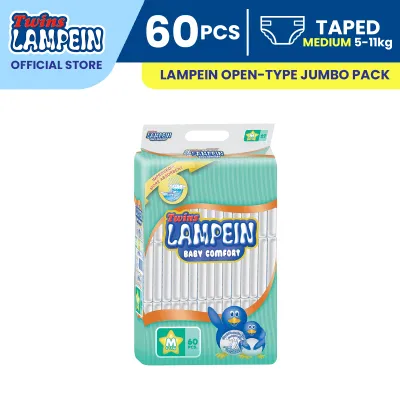
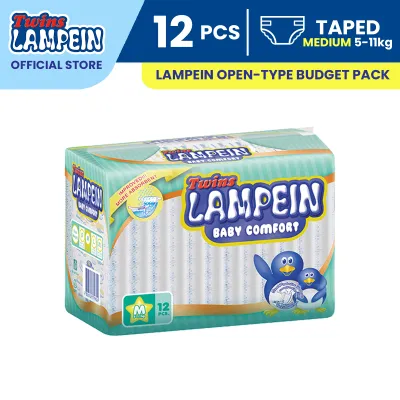
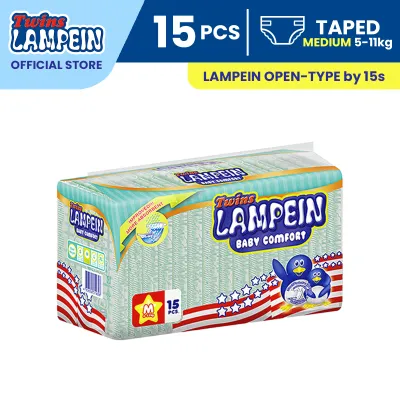
Prices are valid at publication and may change. Please refer to the product page for the latest price.
Your diapering strategy should also differentiate between daytime and nighttime needs. During the day, babies are active and changed frequently, meaning a lighter, more flexible diaper may be sufficient. Overnight, however, you need a diaper with a high-capacity core that can prevent leaks during long stretches of sleep. Understanding these distinct scenarios helps you avoid overpaying for high-capacity features during hours when frequent changes are already standard.
When reading diaper packaging, look for key terms related to core technology, surface materials, and breathability. Terms like “superabsorbent polymer,” “breathable outer cover,” or “moisture-wicking channels” indicate specific design features intended to manage wetness and airflow. However, a baby’s specific body shape and movement level will ultimately influence how well these features perform, as even the most absorbent diaper will leak if it does not conform properly to your baby’s legs and waist.
How to Evaluate Absorbency and Leak Protection
Evaluating absorbency begins with a physical inspection of the diaper before putting it on your baby. Open the diaper and examine the inner lining to see if it is textured or smooth, as textured linings often help channel liquid quickly. Feel the thickness of the core; a thicker core does not automatically mean better absorbency, as modern diapers often use thin layers of Superabsorbent Polymer (SAP) gel beads that swell when wet to maintain a slim profile.

Next, inspect the physical leak guards and waistband elasticity. The leg cuffs should have double-layered elastic guards that stand upright when the diaper is opened, creating a physical barrier against leaks. Check the packaging for descriptions of the absorbent core, such as channel designs that distribute liquid evenly, and note any stated maximum hold capacity as a baseline for your comparison.
To observe real-world performance, plan a structured at-home trial using one brand for daytime and another for overnight. During the day, monitor how the diaper handles wetness over a three-hour period, noting if the core sags heavily or clumps in one area. For overnight testing, observe whether the diaper keeps your baby’s skin dry to the touch by morning and whether any leaks occur along the waist or legs when the baby changes sleeping positions.
Navigating "Medium" Sizing and Fit Across Brands
Sizing is not standardized across diaper manufacturers, meaning a “Medium” diaper from Lampien, Pampers, Equator, or Huggies may fit differently. Compare the stated weight ranges on the packaging of each brand to see how they overlap. For example, one brand’s Medium might target babies weighing 6 to 11 kilograms, while another might specify 5 to 10 kilograms, making it crucial to check these guidelines before purchasing.
Because weight ranges are only general guidelines, you must rely on physical fit indicators on your baby’s body. Look for deep red marks or indentations on your baby’s thighs, hips, or waist, which indicate the elastic is too tight. Conversely, check for sagging when the diaper is empty or gaps at the leg cuffs, which are common culprits for sudden leaks during movement.
Keep in mind that your baby might require a Large in one brand while still fitting comfortably in a Medium in another. Use a simple checklist to determine when to size up: if the fastening tapes must be secured at the very outer edges of the landing zone, if the front waistband sits significantly below the belly button, or if you experience frequent blowouts, it is time to transition to the next size.
Checking Comfort, Breathability, and Skin Sensitivity
To evaluate comfort, start by feeling the inner lining and outer cover of each diaper brand to compare texture, flexibility, and noise levels. Run your fingers over the materials to assess their softness against delicate skin. In humid conditions, stiff or plastic-like outer covers can trap heat and sweat, whereas flexible, cloth-like materials allow better airflow and reduce the rustling noise made during your baby’s movements.
Next, check the ingredient lists or packaging claims for added lotions, aloe vera, or specific hypoallergenic certifications. While these features are designed to protect sensitive skin, they are not universal guarantees of safety. You must verify these claims against your baby’s known skin sensitivities, as some infants may react to added fragrances or botanical extracts.
Monitor your baby’s skin closely during the trial period for any signs of redness, small bumps, or irritation in the diaper area. If you observe any adverse skin reactions, stop using that specific brand immediately to prevent the irritation from worsening. If the redness or rash does not improve within a few days despite frequent changes, consult a qualified healthcare professional or pediatrician for guidance.
Calculating the True Cost and Value per Diaper
To accurately compare the cost-effectiveness of Lampien, Pampers, Equator, and Huggies, you must calculate the cost per piece rather than comparing overall pack prices. Divide the total price of the diaper pack by the exact number of diapers inside. For example, a pack costing ₱450 containing 50 diapers results in a unit cost of ₱9.00 per piece, allowing for a direct comparison across different packaging sizes.
Next, factor in absorbency efficiency to determine the true daily cost of each brand. If a cheaper diaper costs ₱7.00 per piece but requires changing every two hours due to sagging or leaks, you may end up using eight diapers a day (₱56.00 total). If a slightly more expensive diaper costing ₱10.00 per piece keeps your baby dry and comfortable for four hours, you might only use five diapers a day (₱50.00 total), making the higher-priced diaper the more economical choice.
Finally, check the availability of each brand across local supermarkets, pharmacies, and reputable online marketplaces. Some brands may offer significant bulk discounts, subscription savings, or promotional bundles online that lower the cost per piece. Ensure the brand you choose is consistently in stock through your preferred shopping channels to avoid sudden, inconvenient brand switches.
How to Decide Which Diaper Brand Suits Your Baby
Synthesize your observations into a practical decision framework based on your baby’s physical profile and your family’s budget. If your baby has chunky thighs or a rounder belly, prioritize brands that feature highly elastic waistbands and wide, double-layered leg cuffs to prevent red marks. If your baby is highly active or crawling, look for brands with secure, stretchy fastening tapes that remain in place during movement.
Establish clear conditions for when to adjust your diapering routine. If you experience consistent leaks only at night, consider using a highly absorbent brand for overnight sleep while keeping a more budget-friendly brand for frequent daytime changes. If your baby is consistently between sizes or experiencing frequent leaks despite a snug fit, try switching to a different brand’s Medium before moving up to a Large.
Always prioritize your baby’s skin health over brand loyalty or minor cost differences. If persistent diaper rash, redness, or skin irritation occurs regardless of the brand or size used, adjust your changing frequency to ensure the skin stays dry. If the irritation continues to persist, consult a pediatrician to rule out yeast infections or specific material allergies and to receive professional treatment advice.
Frequently Asked Questions (FAQ)
Can I mix different diaper brands for daytime and nighttime use?
Yes, mixing different diaper brands is a highly practical and cost-effective strategy for many families. You can use a budget-friendly brand that fits well for frequent daytime changes, which typically occur every two to three hours. For overnight sleep or long outings, you can switch to a brand with a high-capacity absorbent core and advanced moisture-wicking channels to ensure your baby stays dry and sleeps comfortably. When mixing brands, monitor the fit of both options, as you may need to adjust the fastening tape positions slightly between the daytime and nighttime brands to maintain a secure seal.
How do I know when it is time to move from Medium to Large tape diapers?
Your baby will show clear physical signs when they have outgrown their Medium tape diapers, even if their weight still falls within the manufacturer’s recommended range on the packaging. Look for frequent leaks around the legs or waist, which indicate the absorbent core can no longer handle the volume of wetness. Check for deep red marks or elastic indentations on your baby’s thighs, hips, or waist after removing the diaper. Additionally, if the fastening tapes can no longer reach the center of the landing zone easily, or if the front waistband sits significantly below the belly button, it is time to size up to Large.
Are tape diapers better than pants for medium-sized babies?
The choice between tape diapers and pants depends primarily on your baby’s mobility level and your changing environment. Tape diapers offer a highly customizable fit, allowing you to adjust the tension around the waist and thighs, which is ideal for younger, less active babies who spend most of their time lying down. They are also easier to change without fully removing your baby’s pants or shoes. Pants-style diapers, conversely, are excellent for active, squirming babies who resist lying still, as they can be quickly pulled up while the baby is standing or crawling.
Community discussion
Share your experience or ask a question. Comments are reviewed before publication.