
Quick Answer: Which Diaper Offers the Best Protection?
Finding the ideal diaper for your baby is rarely about choosing a single, universally superior brand. Instead, the best diaper for absorbency and leak protection depends on your baby’s age, weight, physical activity level, and whether the diaper is intended for daytime play or overnight sleep. In the humid, tropical climate of the Philippines, diaper performance is also closely tied to how well the materials handle heat and moisture.
To help navigate your options, the four major brands offer distinct advantages. Pampers and Huggies operate as established premium options featuring highly specialized fit systems and advanced absorbency technologies designed for extended wear. Lampein serves as a strong regional contender, focusing on thin, breathable materials that provide reliable core performance tailored for warm climates. Equator is a highly budget-friendly option designed primarily for frequent, routine daytime changes.
When evaluating these brands, you should prioritize fit and leak-guard design for active, mobile babies who crawl or walk. For overnight use, your primary focus should shift to core absorbency capacity and the quality of the super-absorbent materials. Balancing these factors against your daily budget and your baby’s unique physical shape will guide you to the right selection.
Products mentioned in this guide
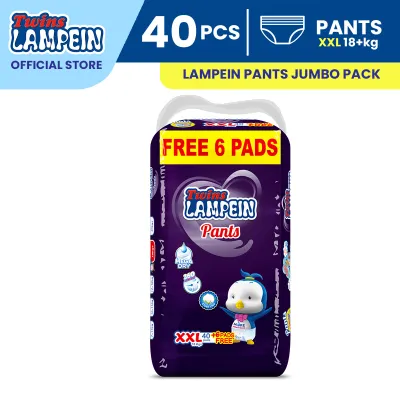
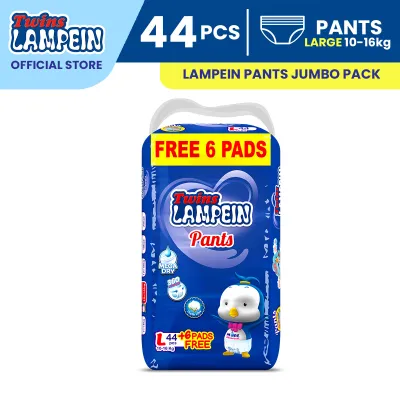
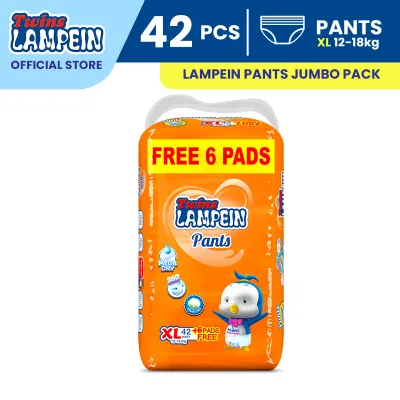
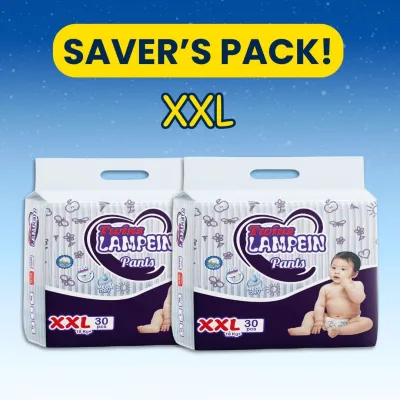
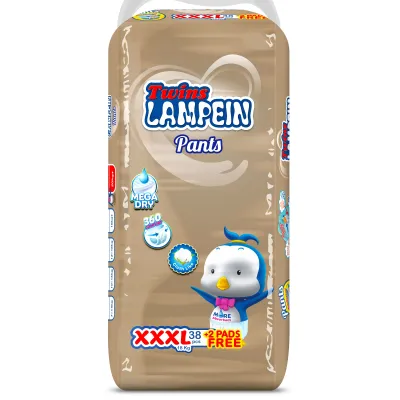
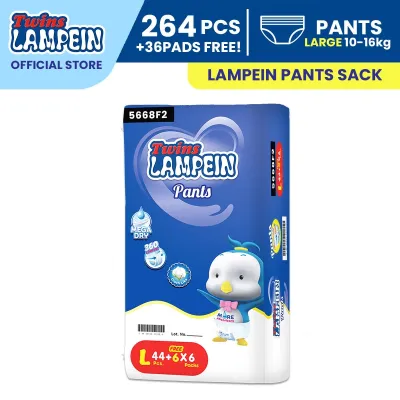
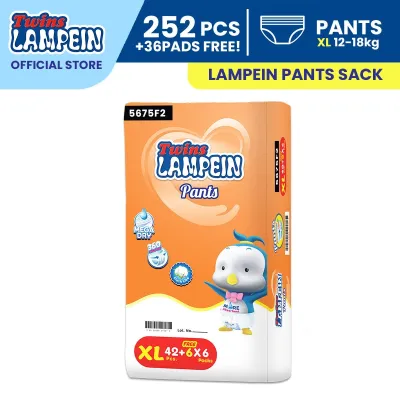
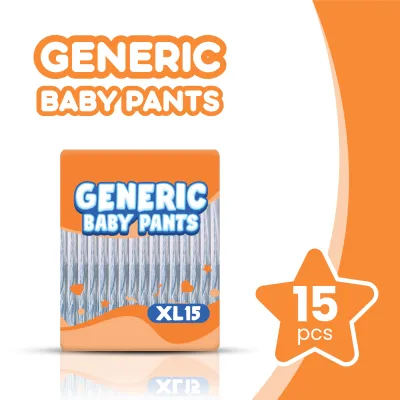
Prices are valid at publication and may change. Please refer to the product page for the latest price.
Core Dimensions for Evaluating Absorbency and Leak Protection
To make an informed choice, you must understand the technical and structural components that dictate diaper performance. Looking past marketing claims allows you to evaluate how a diaper will actually perform when subjected to real-world movement and liquid volume.

Absorbent Core Technology The heart of any modern disposable diaper is its absorbent core, which typically consists of a blend of Super Absorbent Polymer (SAP) and fluff pulp. SAP is a specialized material capable of absorbing many times its weight in liquid, turning wetness into a stable gel that prevents back-flow. When examining diaper specifications, look for designs that distribute this polymer evenly across the core. Even distribution prevents the gel from clumping in one spot, which can cause the diaper to sag, lose its shape, and leak long before its actual capacity is reached.
Leak Guard Design Even the most absorbent core cannot prevent leaks if the diaper does not seal properly around your baby’s legs and waist. High-quality diapers feature 3D leak guards, which are raised, hydrophobic fabric barriers running along the inner leg openings. These barriers work in tandem with elastic leg cuffs and stretchy waistbands to create a secure, flexible seal. It is important to note that improper fit or incorrect sizing, rather than poor material quality, is often the primary cause of leaks. A diaper that is too loose will leave gaps, while one that is too tight will restrict movement and fail to contain sudden liquid surges.
Breathability and Moisture Control In tropical environments characterized by high humidity and heat, breathability is a critical component of leak protection and overall skin health. A diaper must allow hot air and moisture vapor to escape through a breathable back cover while keeping liquid securely trapped inside. If a diaper lacks adequate ventilation, sweat and urine will pool on the top-sheet, leading to rapid skin breakdown and diaper rash. When skin becomes irritated and inflamed, finding a diaper that fits comfortably without causing further friction becomes exceptionally difficult.
Brand Positioning and What to Verify on the Packaging
Every diaper brand targets a specific segment of the market and emphasizes different performance features. Before purchasing a bulk pack, you should understand how each brand positions itself and what specific details you must verify on the packaging.
Lampein Diapers
Lampein diapers are specifically positioned to address the needs of parents living in warm, humid regions. The brand focuses on delivering a lightweight, thin profile that minimizes bulkiness, making it highly suitable for everyday wear in tropical climates. When purchasing Lampein diapers, you should check the packaging for specific claims regarding their breathability layers and the structure of their leak-guard barriers.
Because proper fit is the foundation of leak protection, always verify the recommended weight ranges printed on the packaging. Lampein’s sizing may differ slightly from global brands, so matching your baby’s current weight to their specific size chart is essential. Look for indicators of a soft top-sheet and flexible side tapes, which help prevent skin chafing during warm weather.
Pampers
Pampers is a globally recognized brand known for its extensive distribution and focus on ultra-thin, high-capacity absorbent cores. The brand frequently highlights proprietary technologies, such as air channels and specialized distribution layers, designed to pull wetness away from the skin instantly.
When selecting Pampers, you must verify the specific product line on the packaging, such as their premium lines versus their standard or economic lines. The absorbency, softness, and overall leak protection features can vary significantly between these tiers. Ensure you check whether the specific variant promises overnight dryness or is optimized for active daytime use, as this will dictate how long the diaper can be safely worn.
Huggies
Huggies has built a strong reputation centered around secure fit, robust physical construction, and highly elastic waistbands. The brand is often favored by parents of highly active babies due to its focus on preventing blowouts at the back and sides through deep pocket designs and snug-fitting waistbands.
On the packaging, you should verify the specific claims regarding overnight absorption capacity and the physical thickness of the diaper core. Huggies variants often feature a slightly thicker, more cushioned feel compared to ultra-thin competitors, which some parents prefer for heavy wetters. Check the label to confirm if the variant includes a wetness indicator and specialized leg guards designed to flex with your baby’s movements.
Equator
Equator is positioned as an economical, budget-friendly option designed to facilitate frequent, routine diaper changes. By focusing on essential diapering needs, this brand allows parents to maintain a clean, dry environment for their baby without high recurring costs.
When evaluating Equator packaging, you should manage your expectations regarding maximum overnight absorbency. Look for basic structural features such as elastic leg cuffs and a functional adhesive tape system. Verify the sizing chart carefully, as budget-friendly diapers may occasionally have less elastic stretch in the waistband, requiring you to size up sooner to achieve a secure, leak-free fit.
Scenario-Based Decision Guide: Matching the Diaper to Your Baby
To help you translate these brand profiles into daily practice, consider how each diaper performs under specific, real-world scenarios. Your choice should adapt to your baby’s changing routine throughout the day and night.
Overnight Use and Heavy Wetters
Managing overnight sleep requires a diaper that can handle a high volume of liquid over an extended period without leaking or leaving your baby’s skin damp. Morning leaks can disrupt sleep cycles and create extra laundry, making overnight absorbency a top priority for parents.
Choose Pampers or Huggies (premium overnight lines) if your baby sleeps for long, uninterrupted stretches of 10 to 12 hours and tends to produce a high volume of urine. These premium lines are engineered with advanced SAP concentrations that lock away moisture deep within the core, keeping the surface dry to the touch even after multiple wettings. Always verify that the packaging explicitly states suitability for overnight use or extended wear before relying on them for sleep.
Choose Lampein if you prefer a diaper with a thinner profile that still provides reliable, steady absorption for your baby’s specific weight tier. This is particularly useful if your baby is prone to heat rash and needs a more breathable option during warm tropical nights.
Verify first if you are using a budget-friendly option like Equator for overnight use. Because budget options generally contain less SAP, they may reach capacity quickly. If you choose to use them at night, you should plan to size up the diaper to increase its physical capacity, or prepare for a scheduled mid-night diaper change to prevent leaks.
Active Daytime Use and Mobility
Once babies begin to roll, crawl, pull up, or walk, their physical movement puts unique stresses on a diaper. A diaper that fits perfectly while a baby is lying down may gap or sag during active play, leading to sudden leaks.
Choose Huggies if your baby is constantly on the move and you require a highly secure, stretchy fit. The brand’s signature elastic waistbands and robust leg cuffs are designed to contour closely to an active baby’s body, reducing the risk of gaps forming during vigorous movement.
Choose Lampein or Pampers if you prioritize a lightweight, less bulky feel that minimizes friction and heat retention. In humid weather, a bulky, heavy diaper can cause chafing around the thighs and waist as your baby moves. These brands offer a streamlined profile that allows for natural leg movement while still maintaining adequate elastic leg cuffs to contain messes.
Keep in mind that proper sizing and application are far more critical than brand choice when it comes to preventing blowouts. Always ensure the diaper is centered, the side tapes are fastened symmetrically, and the leg cuffs are fully flared outward before letting your baby play.
Budget-Friendly Routine Changes
For everyday daytime use, maintaining skin health relies heavily on how frequently you change your baby’s diaper. Keeping a baby in a wet diaper for too long, regardless of the brand’s quality, increases the risk of bacterial growth and skin irritation.
Choose Equator if you practice a frequent changing schedule, typically every 2 to 3 hours during the day. Using a highly economical diaper for these routine changes is a practical way to manage household expenses while ensuring your baby’s skin remains clean and dry.
Choose Lampein if you are seeking a balanced middle ground that combines everyday affordability with a slightly more robust core performance. This option is ideal for parents who want reliable leak protection during short outings or naps without paying premium brand prices.
You should always avoid stretching the wear time of budget-friendly diapers to match the claims of premium overnight lines. Attempting to keep a budget diaper on for too long often leads to structural sagging, gel clumping, and skin dampness, which ultimately increases the risk of leaks and painful diaper rashes.
How to Monitor and Test Diaper Performance at Home
Because every baby has a unique body shape and wetting pattern, the only way to know if a diaper is truly effective is to monitor its performance in your own home. You can use several simple, safe, and observable checks to evaluate your current brand.
The Fit Check Whenever you put a fresh diaper on your baby, perform a quick physical inspection. Check the waistband using the “two-finger rule”: you should be able to slide two fingers comfortably between the diaper waistband and your baby’s tummy. Next, run your fingers around the leg openings to ensure that the inner 3D leak guards and outer leg cuffs are pulled completely outward, rather than tucked inward. Tucked cuffs are one of the most common causes of immediate leg leaks.
Absorbency Observation When changing a wet diaper, pay close attention to how the core has handled the liquid. Gently press your hand or a dry tissue against the inner top-sheet; it should feel relatively dry to the touch. Observe whether the absorbent gel has clumped into hard, isolated lumps or if the diaper is sagging excessively between your baby’s legs. If the core is clumping or sagging heavily, it indicates that the diaper’s liquid distribution system is struggling to keep up with your baby’s output.
Skin Health Monitoring Your baby’s skin is the ultimate indicator of diaper performance. Regularly inspect the diaper area for signs of persistent dampness, deep red marks left by tight elastics, or localized rashes. Red marks around the thighs or waist suggest that the diaper is too tight or that the elastics are too stiff, requiring a size adjustment or a brand switch.
When to Switch You should stop using a specific diaper brand or size and consult your pediatrician if your baby develops persistent, unexplained rashes that do not improve with standard barrier creams. Additionally, consider switching brands or sizing up if you experience frequent side leaks despite correct application, or if the diaper consistently reaches its maximum capacity and leaks before your normal change interval.
Frequently Asked Questions (FAQ)
How do I know if a diaper's absorbency is failing my baby?
You can identify absorbency failure through several clear, observable signs. If the diaper feels excessively heavy and sags low between your baby’s legs after only a short period, the core is likely reaching its capacity. Other indicators include visible dampness on your baby’s outer clothing, the presence of small, clear gel beads on their skin (indicating a ruptured core), or skin that feels cold and wet immediately after removing the diaper. When these signs occur regularly before the manufacturer’s typical wear time, it indicates that the diaper’s absorbency capacity is mismatched with your baby’s current urine output.
Can I mix different diaper brands for day and night use?
Yes, mixing different diaper brands is a highly effective, safe, and cost-conscious strategy used by many parents. You can optimize your budget by using highly absorbent, premium brands (such as specific overnight lines from Pampers or Huggies) for bedtime to ensure long, uninterrupted sleep. During the day, when changes are naturally more frequent, you can switch to more affordable, lightweight, and breathable options (such as Lampein or Equator) to keep your baby comfortable in warm weather. Always monitor your baby’s skin to ensure they do not experience sensitivity when transitioning between different diaper materials.
Community discussion
Share your experience or ask a question. Comments are reviewed before publication.