
Selecting the right formula milk for your child is a highly individualized decision that often feels overwhelming given the sheer number of options on supermarket shelves. In the Philippines, parents frequently compare prominent brands like Lactum, Nido, NAN, and Enfagrow. There is no single, universally superior formula milk brand among these choices. The most suitable option for your child depends entirely on their age, specific nutritional requirements, digestive tolerance, and your household budget.
While each brand targets a specific segment of the market, formulations are updated regularly by manufacturers. To make an informed choice, you must look past front-pack marketing claims, objectively compare nutritional labels, and apply a condition-based decision framework tailored to your child’s unique needs.
Understanding the General Positioning of Each Brand
Each of these four brands has established a distinct identity in the market, catering to different developmental stages and parental priorities. Understanding these general positions helps narrow down your initial options before you dive into detailed label comparisons.
Products mentioned in this guide
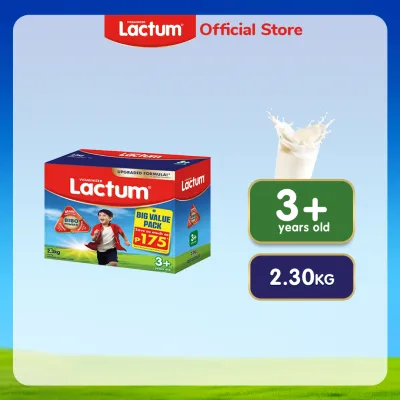
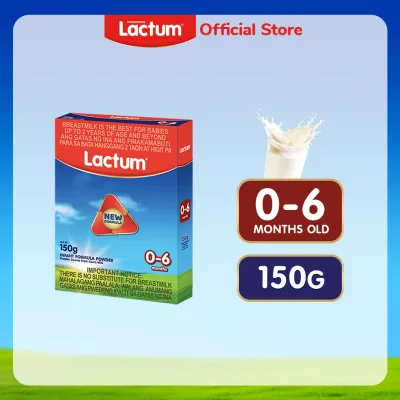
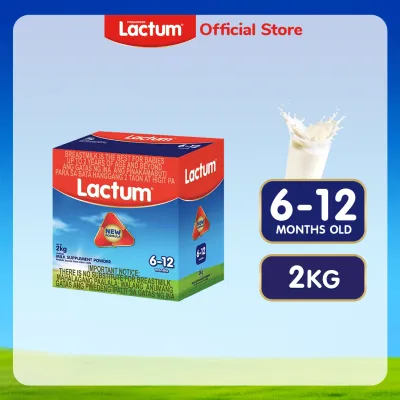
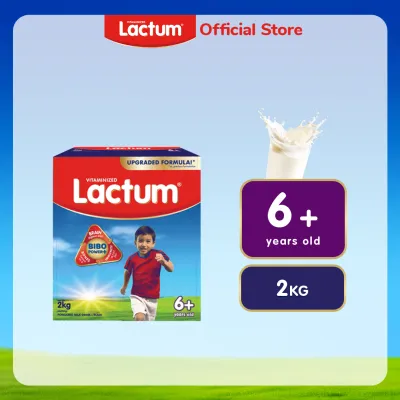

Prices are valid at publication and may change. Please refer to the product page for the latest price.
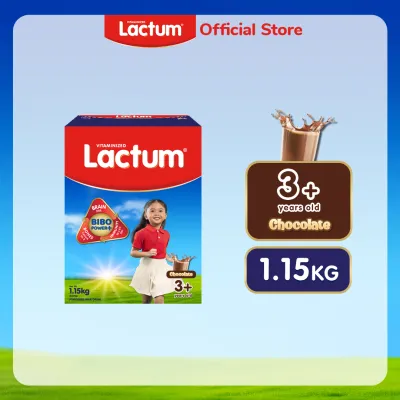
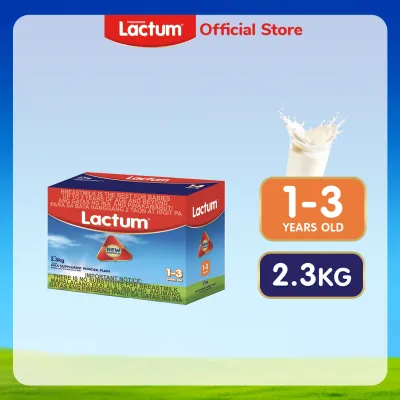
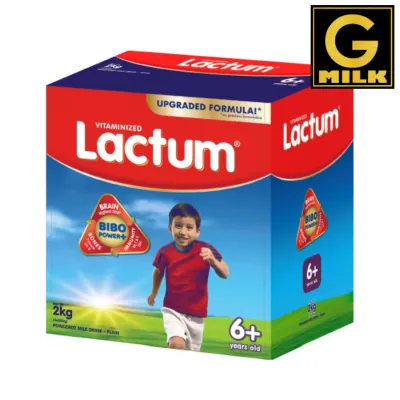
Lactum is widely recognized as an everyday nutritional milk option, often positioned for comprehensive daily nutrition. It is frequently marketed to parents of toddlers and young children, emphasizing a balance of essential nutrients to support overall growth. Because it is designed as an all-around option, it is often priced competitively, making it a popular choice for families seeking a balance between nutritional support and budget-friendliness.
Nido is generally targeted at older toddlers, preschoolers, and school-aged children, typically starting from age one. Its formulations often place a strong emphasis on physical growth and bone development. Because it is designed for active, growing children who are already consuming solid foods, its nutrient profile is tailored to complement a diverse daily diet rather than serving as a primary source of nutrition.
NAN is highly associated with early infancy and digestive comfort. Developed with a focus on pediatric science, NAN formulations often emphasize gut health and gentle digestion. It is a common starting point for infants and toddlers who may have sensitive digestive systems, as the brand frequently incorporates optimized protein blends and active cultures designed to be easy on a developing tummy.
Enfagrow is positioned in the premium segment of the market, with a strong focus on cognitive development and brain growth. Its marketing and formulation strategies heavily emphasize ingredients like DHA (docosahexaenoic acid) and other nutrients associated with brain structure. It is designed for parents who prioritize cognitive support and are comfortable with a higher price point.
While these general positionings provide a helpful starting point, they are not absolute guarantees of suitability. Formulations, ingredient sources, and product lines change over time. You must always verify the specific product packaging for current ingredients, age suitability, and manufacturer warnings to ensure it aligns with your child’s current developmental stage.
How to Compare Nutritional Labels Objectively
To move beyond marketing slogans, you must learn to read and compare the nutritional information panels on the back of the packaging. This objective comparison ensures you are paying for the actual nutrients your child needs.

First, examine the macronutrient profile, which includes proteins, fats, and carbohydrates. The ratios of these macronutrients should align with your child’s specific age stage. For instance, younger infants require highly specific protein-to-fat ratios, while older toddlers can tolerate different sources of carbohydrates and proteins as their digestive systems mature. Check whether the carbohydrates come primarily from lactose or other added sugars.
Second, compare key micronutrients per serving or per 100 grams. Pay close attention to essential minerals and vitamins such as iron, calcium, zinc, and vitamins A, C, D, and E. If your child is a picky eater, you may want to look for a formula that offers higher levels of iron and zinc to help fill potential dietary gaps. If your child already consumes a rich, varied diet of solid foods, a standard baseline is usually sufficient.
Third, scrutinize the ingredient list for added ingredients, such as added sugars, artificial flavors, and specific vegetable oils. Some toddler milks contain added sucrose or corn syrup solids to improve taste, which some parents prefer to avoid. Additionally, check for specific fat sources, such as palm olein oil, which can sometimes affect calcium absorption or stool consistency in sensitive children.
Finally, strictly verify the age appropriateness of the formula stage. Manufacturers label their products clearly (e.g., Stage 1 for newborns, Stage 2 for older infants, Stage 3 for toddlers, and Stage 4 for preschoolers). These stages are formulated to match the physiological capabilities of children at those specific ages. Feeding a child a stage that does not match their age can lead to nutritional deficiencies or digestive strain.
Matching the Formula to Your Baby's Tolerance and Needs
A formula can have an impressive nutritional profile on paper, but if your child’s digestive system cannot tolerate it, it is not the right choice. Every child’s digestive tract matures at a different rate, and individual tolerances vary significantly.
Standard commercial formulas are typically based on cow’s milk protein. However, some children require specialized formulations due to sensitivities or medical conditions. These specialized options include lactose-free, hypoallergenic, or soy-based formulas. You should only introduce these specialized formulas under the direct supervision and recommendation of a pediatrician.
When introducing a new formula or switching brands, closely monitor your child for observable signals of digestive tolerance. Normal adjustment period symptoms can include mild changes in stool color or frequency. However, signs of poor tolerance or potential allergy include excessive gas, frequent spitting up, chronic diarrhea, hard stools, unexplained skin rashes, and persistent fussiness during or immediately after feedings.
If you observe severe symptoms, such as blood in the stool, projectile vomiting, poor weight gain, or signs of an allergic reaction, you must stop using the formula immediately. Consult a pediatrician or qualified healthcare provider right away. Never attempt to diagnose a formula allergy or switch through multiple specialized formulas without professional medical guidance.
Evaluating Cost and Budgeting for Formula Milk
Formula milk represents a recurring, long-term household expense that can significantly impact your monthly budget. Managing this cost effectively requires looking beyond the initial retail price to calculate the true cost of feeding.
To determine the actual cost, calculate the price per serving rather than comparing the shelf price of different container sizes. Divide the total retail price of the package (in ₱) by the number of servings it yields, which you can find by checking the manufacturer’s preparation instructions on the label. This calculation often reveals that larger packaging sizes offer better long-term value.
Consider the packaging formats available, such as tin cans versus refill pouches. Refill pouches are generally more economical, but they require careful handling. In the hot and humid tropical climate of the Philippines, open powder is highly susceptible to moisture absorption and clumping. If you purchase refill pouches, you must transfer the powder into a clean, dry, airtight container immediately after opening.
Additionally, choose your purchasing channels carefully to ensure product safety and authenticity. Buy formula milk only from authorized supermarkets, official brand stores, or reputable online marketplaces. Avoid purchasing from unverified third-party sellers, as counterfeit or improperly stored formula can pose severe health risks. Always inspect the physical integrity of the packaging, ensuring there are no dents, punctures, or broken seals, and verify that the expiration date is clearly legible.
Decision Framework: Which Brand Fits Your Situation?
To simplify your decision, you can use a condition-based framework that aligns each brand’s characteristics with your specific household priorities and your child’s health status.
You may want to choose Lactum if you are looking for a widely available, budget-friendly everyday toddler milk, your child has no known digestive sensitivities, and the specific product label meets your baseline nutritional checklist for supporting daily growth.
You may want to choose Nido if your child is an older toddler or preschooler who is already eating a variety of solid foods, and your primary goal is to complement their diet with a focus on physical growth, bone development, and calcium intake.
You may want to choose NAN if your child has a sensitive digestive system, is prone to mild gas or digestive discomfort, and you want a formulation specifically designed with optimized proteins or active cultures to support gut health, under the guidance of your pediatrician.
You may want to choose Enfagrow if you prioritize high levels of DHA and cognitive-support nutrients on the ingredient label, and the premium pricing fits comfortably within your household’s monthly budget.
Before making any final decision, always verify if your child has specific risk factors, such as a history of premature birth, low birth weight, or known food allergies. In these situations, standard commercial formulas may not be safe or sufficient. Always consult a pediatrician to obtain a personalized recommendation tailored to your child’s medical history.
Frequently Asked Questions (FAQ)
Is it safe to mix different formula brands in the same bottle?
Mixing different formula brands or stages in a single bottle is generally not recommended. Each formula is carefully manufactured with a precise balance of nutrients designed to be reconstituted with a specific volume of water. Mixing different powders alters this delicate balance, which can lead to digestive upset, strain your baby’s immature kidneys, or cause improper hydration.
If you need to transition your child from one brand to another, do so gradually over several days using a separate-bottle method. Start by replacing one full feeding of the old formula with a bottle of the new formula on the first day, gradually increasing the number of new formula bottles over a week. If your child shows any adverse reactions, stop the transition immediately and consult your pediatrician.
How should I store opened formula milk to maintain its quality?
To maintain the quality and safety of opened formula milk, store the container in a cool, dry place away from direct sunlight, moisture, and extreme temperature fluctuations. Do not store formula powder in the refrigerator, as the humidity inside can cause the powder to clump.
Always check the manufacturer’s label for specific storage instructions, but most brands recommend using the powder within three to four weeks of opening. Before preparing a bottle, perform a quick visual and olfactory check of the powder. If you notice hard clumping, discoloration, or an unusual odor, discard the powder immediately to protect your child.
Community discussion
Share your experience or ask a question. Comments are reviewed before publication.