
Selecting the right formula milk for your child is one of the most significant decisions you will make as a parent, especially with household names like Lactum, Nido, NAN, and Enfagrow lining the shelves. The ideal choice depends on your child’s current developmental stage, specific nutritional needs, digestive tolerance, and your family’s monthly budget. While some brands focus on providing essential, everyday nutrition at an accessible price point, others emphasize premium, scientifically advanced ingredients designed for cognitive development or sensitive digestive systems.
Because every child’s digestive system and growth rate are unique, there is no single brand that serves as a universal solution. Navigating the differences between these options requires looking closely at their age-stage offerings, nutritional profiles, and overall value. By understanding what each brand brings to the table, you can make an informed decision that supports your child’s growth while aligning with your household’s practical needs.
Understanding Age Stages and Brand Positioning
Formula milk brands structure their products into specific stages designed to match a child’s changing nutritional requirements as they grow. Lactum, Nido, NAN, and Enfagrow each offer a range of products tailored to different age groups, but their target audiences and brand philosophies differ. Understanding these distinctions helps you narrow down which brand aligns best with your child’s current developmental milestone.
Products mentioned in this guide
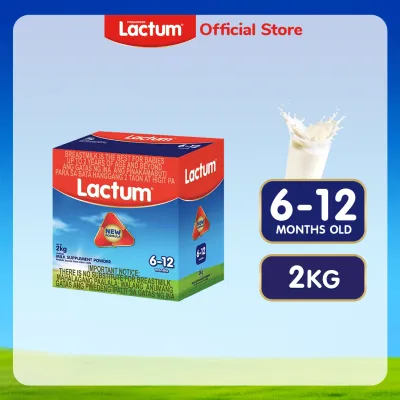
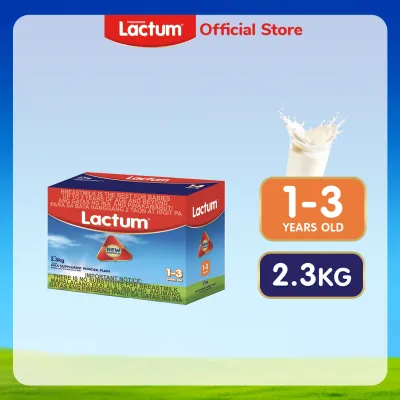
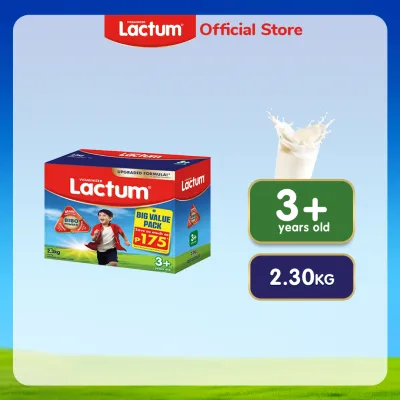
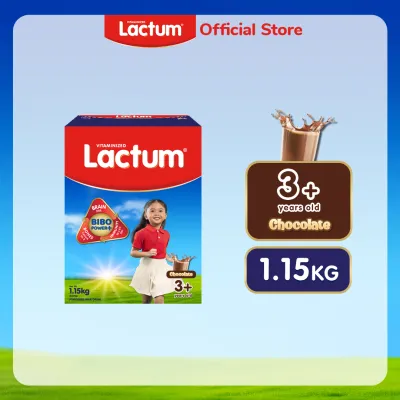
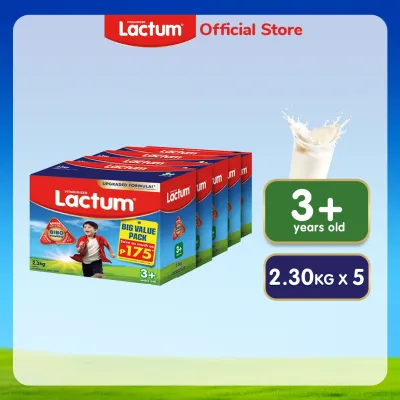
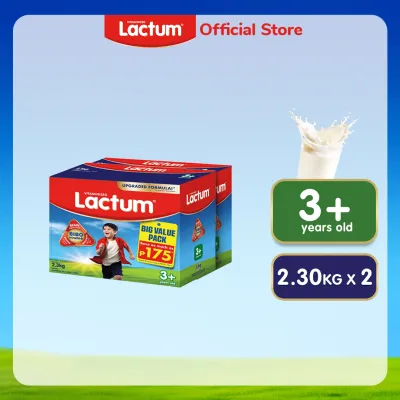
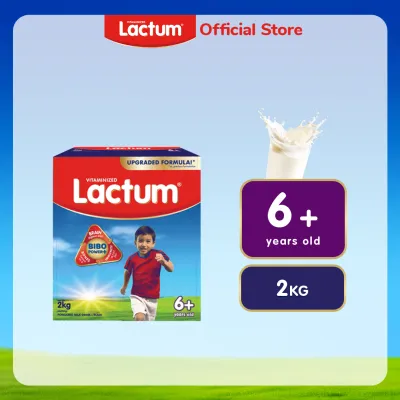
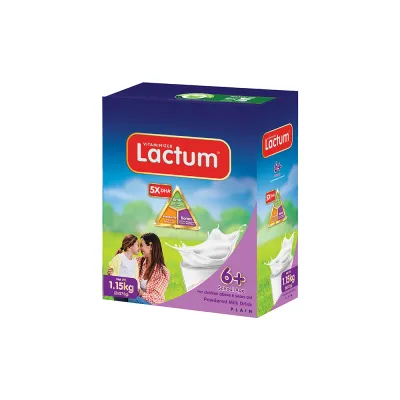
Prices are valid at publication and may change. Please refer to the product page for the latest price.
Lactum is widely recognized in the Philippines as an everyday nutrition brand that aims to support healthy growth and fill common nutritional gaps. It is heavily marketed toward toddlers and preschool-aged children, particularly those who may be experiencing picky eating phases. The brand positions itself as a practical partner for parents, offering essential vitamins and minerals to help ensure a child receives balanced daily nutrition without a premium price tag.
Nido focuses primarily on toddlers, preschool, and school-aged children, with popular stages such as Nido 1+, Nido 3+, and Nido 5+. This brand positions itself around immune support and overall physical development, making it a staple for active, growing kids. Because Nido is designed for children past infancy, its formulations are crafted to complement a solid food diet, helping to fortify the child’s natural defenses as they begin to explore the wider world.
NAN, produced by Nestlé, is positioned as a scientifically advanced brand that spans from infancy through the toddler years. With variants like NAN Optipro and NAN Infinipro, the brand emphasizes protein quality, digestive comfort, and early childhood development. NAN is often favored by parents who seek specialized formulations, including options designed for infants or toddlers with specific digestive sensitivities, under the guidance of healthcare professionals.
Enfagrow, part of the Enfa family, is positioned as a premium brand that focuses intensely on brain development and cognitive milestones. Targeting toddlers and preschoolers, Enfagrow incorporates higher levels of key nutrients like DHA to support learning and mental focus. This brand is designed for parents who prioritize early cognitive support and are willing to invest in premium, research-backed nutritional formulations.
While these general brand positions provide a helpful starting point, you must always verify the exact age suitability printed on the product label. Stage transitions, age ranges, and naming conventions can vary slightly between brands and even between different product lines within the same brand. Checking the manufacturer’s packaging ensures you are selecting a formula that matches your child’s precise age and developmental readiness.
Comparing Nutritional Profiles and Label Reading
Comparing nutritional labels is the most reliable way to understand what you are feeding your child, as marketing terms can sometimes obscure the actual nutrient density. When examining the nutrition information panel on the back of a formula tin or pouch, you should focus on key macronutrients, vitamins, and minerals. Pay close attention to the amounts of protein, carbohydrates, fats, and essential micronutrients like iron, calcium, zinc, and vitamins A, C, and D.

For parents looking to support cognitive development, docosahexaenoic acid (DHA) and arachidonic acid (ARA) are critical fatty acids to look for on the label. Premium brands like Enfagrow often highlight their specific DHA levels, which are formulated to support brain and eye development during crucial early years. When comparing brands, look at the actual milligrams of DHA per serving rather than just the promotional claims on the front of the packaging.
Digestive health is another major differentiator among these brands, particularly when comparing NAN to more standard everyday formulas. NAN often includes specific protein blends, prebiotics, or active cultures designed to be gentle on developing tummies and support healthy gut flora. If your child experiences frequent gas, bloating, or mild digestive discomfort, comparing the prebiotic and probiotic content on the labels can help you identify which formulation might offer better digestive support.
Specialized variants are also available across these brands to address specific dietary needs, though their availability varies. For instance, some brands offer lactose-free, hypoallergenic, or partially hydrolyzed protein options for children with diagnosed sensitivities or allergies. It is crucial to remember that these specialized formulas should only be introduced after a thorough consultation with your pediatrician, as self-diagnosing a formula allergy can lead to nutritional imbalances.
As your child grows, their nutritional requirements naturally shift from complete liquid nutrition to a diet where solid foods play the primary role. Consequently, toddler and preschool formulas are designed to complement, not replace, a balanced diet of solid foods. Always consult your pediatrician to assess your child’s unique growth trajectory and health status before making any major dietary adjustments or switching to a specialized formula.
Evaluating Cost, Packaging, and Availability
Managing the household budget is a practical reality for families in the Philippines, making the cost-effectiveness of formula milk a key decision factor. To accurately compare the financial impact of each brand, you should avoid looking only at the retail price of the package. Instead, calculate the cost per serving by dividing the price of the pack by the total number of servings it yields, which is typically listed on the preparation guide on the label.
The formula for this calculation is straightforward: divide the retail price in ₱ by the total weight of the package in grams, then multiply that number by the grams required for a single serving. This method allows you to compare a budget-friendly option like Nido or Lactum directly against a premium option like Enfagrow or NAN. You may find that while a larger tin has a higher upfront cost, it often offers a lower cost per serving than smaller pouches or boxes.
Packaging formats also play a significant role in both convenience and product freshness, especially in the hot and humid tropical climate of the Philippines. Formula milk is commonly sold in metal tins, cardboard boxes with foil pouches, or economy refill packs. While tins offer the best protection against moisture, humidity, and pests, refill pouches are often more economical and can be transferred to clean, airtight containers to maintain freshness.
Ensuring product authenticity is critical when purchasing formula milk, as counterfeit products pose severe health risks to young children. Always purchase your child’s formula from authorized physical retailers, official brand stores, or verified flagship stores on major online marketplaces. Before opening a new package, inspect the security seals, check the expiration date, and verify that the batch code printed on the bottom of the container is clear and untampered with.
Decision Framework: Matching the Brand to Your Child's Needs
To choose the right formula, you can use a conditional framework that matches each brand’s unique strengths to your family’s specific situation and priorities.
Choose Lactum if you are looking for an affordable, reliable everyday formula that helps fill nutritional gaps for a picky eater. This brand is highly suitable for families who want a balanced, budget-friendly option that supports general growth and development without the premium price tag of specialized cognitive or digestive formulas.
Choose Nido if your child is past infancy, has a strong digestive system, and you want to focus on immune support and physical growth. Nido is an excellent, widely available choice for active toddlers and school-aged children, offering robust fortification of vitamins and minerals at a highly competitive cost per serving.
Choose NAN if your child has a sensitive stomach, requires a highly digestible protein source, or if you are transitioning an infant under medical supervision. NAN’s focus on advanced protein technology and gut health makes it the preferred option for parents prioritizing digestive comfort and gentle nutrition.
Choose Enfagrow if your primary focus is supporting early cognitive development and you have the budget to invest in a premium formula with high levels of DHA. This brand is ideal for parents who want to maximize dietary support for brain development and learning milestones during the toddler and preschool years.
Verify first if your child shows any signs of food allergies, lactose intolerance, or chronic digestive issues before committing to any brand. If your child has a family history of allergies or exhibits persistent discomfort, your pediatrician may recommend a specialized hypoallergenic or lactose-free variant rather than a standard everyday formula.
When transitioning your child to a new formula brand or stage, always do so gradually over several days to allow their digestive system to adapt. Start by replacing a small portion of their current formula with the new one, slowly increasing the ratio of the new formula over a week while closely monitoring their stool consistency, skin condition, and overall mood. If you observe any adverse reactions, stop the transition immediately and consult your pediatrician.
Frequently Asked Questions (FAQ)
Can I mix different formula milk brands or switch abruptly?
Abruptly switching formula brands can upset your child’s sensitive digestive system, leading to gas, constipation, or fussiness. To minimize digestive discomfort, health professionals recommend a gradual transition by mixing the old and new formulas in the same bottle over several days. For example, you can start with a ratio of three-quarters old formula and one-quarter new formula, gradually increasing the new formula’s proportion every two days. If your child exhibits signs of severe discomfort, vomiting, or persistent diarrhea, stop the transition and consult your pediatrician.
How do I identify if my child has an intolerance to a specific formula?
Formula intolerance or allergy typically manifests through clear, observable physical symptoms that indicate your child’s digestive or immune system is reacting poorly. Common signs include excessive fussiness after feeding, frequent spitting up or vomiting, skin rashes or hives, chronic diarrhea, or unusually hard stools. If you observe any of these symptoms, it is important to stop using the formula immediately. Do not attempt to self-diagnose or switch to another random brand; instead, seek professional medical advice to identify the exact cause and obtain a safe recommendation.
When is the right time to transition to the next age stage?
The age ranges printed on formula packaging serve as general guidelines rather than strict, absolute rules for every child. A child’s readiness to transition to the next stage depends on their overall growth, physical development, and how much solid food they are successfully consuming. Before moving your child to a toddler or preschool formula, consult your pediatrician to evaluate their nutritional status. Your doctor can help determine if your child’s current diet requires the specific nutrient ratios offered in the next stage’s formulation.
Community discussion
Share your experience or ask a question. Comments are reviewed before publication.