
Choosing the right formula for your baby between 6 and 12 months of age is a highly individualized decision. There is no single “best” formula that works universally for every infant in the Philippines. Instead, the ideal choice depends on your baby’s unique digestive tolerance, specific nutritional requirements, taste preferences, and your family’s household budget. While some infants thrive on standard formulations, others may require specific protein structures or nutrient profiles to support their growth during this rapid developmental phase.
This guide is designed to help you navigate the key differences among four popular brands available in the market: Lactum, Nido, NAN, and Enfagrow. By comparing their general market positioning, nutritional label metrics, packaging values, and practical decision factors, you can make an informed choice that aligns with your pediatrician’s recommendations.
Understanding the General Focus of Each Formula Brand
Each formula brand on the supermarket shelves targets distinct parental priorities and infant needs. Understanding these general market positions helps you narrow down your initial options before diving deep into the specific ingredient lists.
Products mentioned in this guide
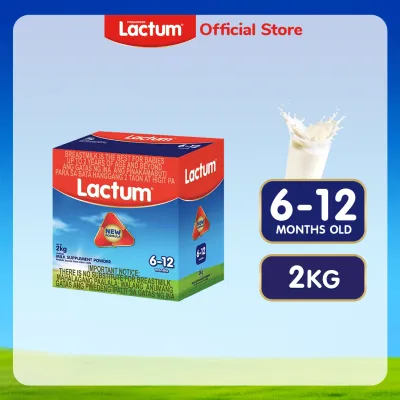
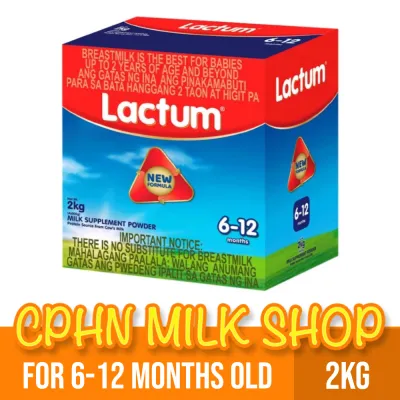
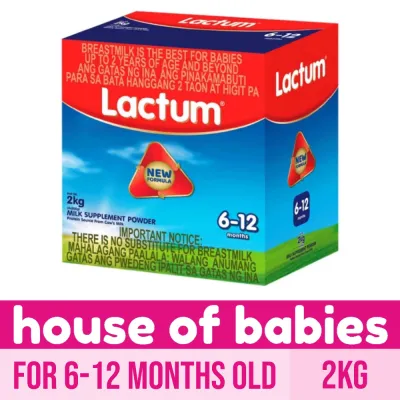

Prices are valid at publication and may change. Please refer to the product page for the latest price.
Lactum is widely recognized in the Philippines as an accessible, budget-friendly option. Its formulation generally focuses on providing essential growth nutrients to support a child’s daily physical development. It is often favored by families looking for a reliable, everyday formula that meets standard nutritional guidelines without a premium price tag.
Nido, particularly its formulations designed for older infants and toddlers, is often associated with its distinct taste profile and whole milk solids. This brand is frequently considered by parents whose babies are transitioning from breastmilk or those who are particularly selective about the flavor of their milk. It aims to provide a familiar, palatable taste while delivering foundational vitamins and minerals.
NAN is positioned with a strong emphasis on digestive comfort and gut health. It is frequently associated with optimized protein blends, such as partially hydrolyzed proteins, which are designed to be gentler on a developing infant’s sensitive stomach. Parents who notice mild gassiness or fussiness in their babies often look toward this brand’s specialized options.
Enfagrow is commonly marketed with a premium focus on cognitive development and immune support. Its formulations often highlight specific levels of fatty acids and dietary fibers intended to support brain growth and natural defenses. This brand appeals to parents who prioritize premium nutritional additions and are comfortable with a higher price point.
It is crucial to remember that formula manufacturers update their recipes and product lines periodically. Always verify the current label claims on the physical packaging and consult your pediatrician before introducing any new formula to your baby’s diet.
Key Nutritional Labels to Compare for 6-12 Month Olds
When your baby reaches the 6-to-12-month mark, their nutritional needs shift significantly as they begin to explore solid foods alongside their milk intake. Reading the nutritional information panel on the back of the tin is the most reliable way to compare what each brand actually offers.

Iron and calcium are two of the most critical minerals to evaluate during this rapid growth phase. Iron supports cognitive development and helps prevent anemia, which becomes a higher risk after six months when a baby’s natural iron stores begin to deplete. Calcium is essential for building strong bones and teeth. Check the exact milligrams per serving on the label rather than relying on general front-of-tin claims to understand the exact intake your baby receives.
Docosahexaenoic acid (DHA) and arachidonic acid (ARA) are polyunsaturated fatty acids that play a role in brain and visual development. While many brands highlight these ingredients prominently on their packaging, the actual concentrations can vary. Turn the tin around to verify the stated amounts in milligrams per serving to make an accurate comparison between brands.
The protein composition of the formula significantly influences how easily your baby can digest it. Look closely at the ratio of whey to casein protein listed on the label. Whey protein remains liquid in the stomach and is generally easier and faster to digest, whereas casein forms a firmer curd that takes longer to break down. A higher whey-to-casein ratio is often gentler on younger or more sensitive digestive systems.
Prebiotics and probiotics are frequently added to support a healthy gut microbiome. Prebiotics, such as galacto-oligosaccharides (GOS) or fructo-oligosaccharides (FOS), serve as food for beneficial gut bacteria. Probiotics are live beneficial microorganisms. If your baby is prone to constipation or hard stools, check the ingredients list for these specific strains and dietary fibers to see if they are included in the formulation.
Evaluating Packaging Sizes, Value, and Availability
Sustaining a daily formula routine requires careful consideration of practical factors, including packaging sizes, overall value, and how easily you can restock the product. A formula that is highly rated but difficult to find or too expensive to purchase consistently can cause unnecessary stress.
Comparing bulk packaging options is an effective way to manage your household expenses. For instance, purchasing a larger size like the Lactum 6 to 12 months 2kg pack can offer a lower cost per gram compared to smaller 400g or 900g tins of Nido, NAN, or Enfagrow. To find the true value, divide the total price in ₱ by the net weight in grams, or calculate the cost per individual serving based on the manufacturer’s feeding chart.
While bulk packaging offers financial advantages, you must also consider shelf life and storage requirements. Once a formula tin is opened, it is typically recommended to consume the powder within a specific timeframe, usually three to four weeks, to maintain freshness and prevent spoilage. Ensure your baby’s daily consumption rate justifies a larger 2kg tin so that no product goes to waste. Keep the container stored in a cool, dry place, away from direct sunlight and tropical humidity.
Local availability is another critical factor in maintaining a consistent feeding schedule. Assess how easily you can purchase your chosen brand at nearby supermarkets, local pharmacies, or authorized online marketplaces in the Philippines. Relying on a formula that is frequently out of stock or requires long shipping times can lead to abrupt, unplanned brand switches, which may upset your baby’s digestive system.
Decision Framework: Matching the Formula to Your Baby
Choosing the right formula involves matching the specific characteristics of each brand to your baby’s physical tolerance and your family’s practical circumstances. This framework can guide your decision-making process based on common parental priorities.
Consider Lactum if your primary goal is to find a cost-effective, reliable formula that meets standard nutritional requirements. It is highly suitable for babies who tolerate standard cow’s milk protein well and do not exhibit signs of digestive sensitivity or colic. This choice allows you to manage your budget effectively while ensuring your baby receives essential growth nutrients.
Consider Nido if your baby is transitioning from breastmilk and has shown a preference for a richer, more traditional milk taste. If your baby has rejected other formulas due to flavor preferences, the palatable profile of this brand may help ease the transition, provided your pediatrician agrees it is appropriate for their developmental stage.
Consider NAN if your baby has experienced mild digestive discomfort, such as frequent gas, bloating, or mild spit-up. The optimized protein structures and gut-supportive ingredients in this brand are designed to be easier on a developing digestive tract, making it a suitable option under the guidance of a healthcare professional.
Consider Enfagrow if you prioritize a formula with a strong emphasis on cognitive and immune-support ingredients, and your household budget comfortably accommodates a premium price point. This option is ideal if you want to align your baby’s diet with specific nutrient profiles recommended by your pediatrician for early development.
Please note that none of these standard formulas may be suitable if your baby has a diagnosed cow’s milk protein allergy or severe lactose intolerance. If your baby exhibits severe symptoms, you must consult your pediatrician immediately to discuss specialized hypoallergenic or soy-based formulas.
Safe Preparation and When to Consult a Pediatrician
Proper preparation and hygiene are vital to protecting your baby’s health, as improper handling can lead to serious illness. Always prioritize safety guidelines over convenience when preparing any infant formula.
Strictly follow the exact water-to-powder ratio printed on the specific tin you have purchased. Using too much powder can strain your baby’s kidneys and cause dehydration, while using too little can lead to nutritional deficiencies. Always use the scoop provided inside that specific tin, as scoop sizes vary between brands and even between different stages of the same brand.
Ensure you use safe, recommended water sources that have been boiled and cooled to the appropriate temperature. Clean and sterilize all feeding equipment, including bottles, nipples, and caps, before every use to prevent harmful bacterial contamination.
Monitor your baby closely after feeding and look out for signs of formula intolerance or allergic reactions. These signs can include persistent vomiting, severe skin rashes, blood or mucus in the stool, chronic diarrhea, or extreme, inconsolable fussiness after feeding.
If you observe any of these adverse reactions, stop using the formula immediately and seek professional medical advice. Never attempt to diagnose a milk allergy or switch through multiple specialized formulas without consulting your pediatrician first.
Frequently Asked Questions (FAQ)
Can I mix two different formula brands in one bottle?
Mixing two different formula brands in a single bottle is generally discouraged. Each brand has a unique nutrient profile and a specific water-to-powder preparation ratio designed to ensure your baby receives the correct concentration of nutrients. Combining them can alter the intended nutritional balance and potentially cause digestive strain or dehydration. It is best to stick to one brand per bottle unless you are explicitly directed otherwise by your pediatrician.
How long can I keep prepared formula at room temperature?
Generally, prepared formula should not be kept at room temperature for more than two hours. If your baby has already started drinking from the bottle, any remaining formula must be discarded within one hour due to the risk of bacterial growth from the baby’s saliva. Always check the specific manufacturer’s guidelines printed on the tin, as storage recommendations can vary slightly depending on the formulation.
Is it safe to switch formulas if my baby refuses the current one?
If your baby refuses their current formula, it is important to first identify the underlying cause, which could range from teething to a temporary lack of appetite. If you decide to switch brands, it is safest to do so under the guidance of a pediatrician. They can recommend a gradual transition method to help your baby’s digestive system adjust and help you monitor for any signs of intolerance or allergic reactions during the switch.
Community discussion
Share your experience or ask a question. Comments are reviewed before publication.