
Quick Answer: Is There a Single Best Formula?
Finding the right formula for your baby during the 6-12 month transition can feel overwhelming. With options like Lactum, Nido, NAN, and Enfagrow on supermarket shelves, many parents search for a single “best” option. The reality is that no single brand is universally superior. The ideal choice depends entirely on your baby’s unique digestive tolerance, nutritional requirements, and your household budget.
While some brands focus on standard, reliable fortification to support general growth, others emphasize specialized digestive comfort or premium brain-development nutrients. Each of these four brands targets a slightly different need. To make the best decision, you must evaluate their nutritional labels, assess how well your baby digests the formula, and calculate the actual cost per serving. Always consult your pediatrician before making any changes to your baby’s diet.
Baseline: What 6-12 Month Old Babies Actually Need
At the six-month mark, your baby undergoes significant developmental changes. During the first six months of life, infants rely heavily on the natural iron stores they accumulated in the womb. By around six months, these natural reserves begin to deplete rapidly. This depletion coincides with a rapid growth spurt and the milestone of starting solid foods, making proper nutritional support vital.
Products mentioned in this guide
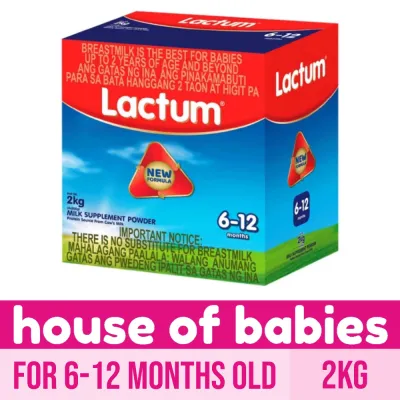
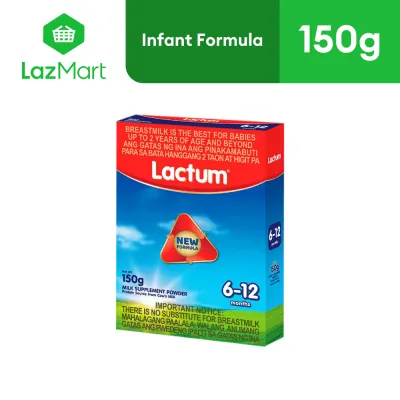
Prices are valid at publication and may change. Please refer to the product page for the latest price.

During the 6-12 month stage, formula milk serves as a crucial complement to a diversifying solid food diet rather than a complete replacement. It fills nutritional gaps as your baby learns to chew and swallow different textures. Key nutrients to look for during this stage include Iron for cognitive development and red blood cell production, Calcium and Vitamin D for strong bone and teeth formation, and essential fatty acids like DHA and ARA to support brain and visual development.
Additionally, your baby’s digestive system is still maturing. The introduction of solid foods introduces new proteins and fibers, which can sometimes cause temporary digestive adjustments. Choosing a formula that aligns with this transitional phase helps ensure your baby receives consistent nutrition without unnecessary tummy distress.
How to Compare Lactum, Nido, NAN, and Enfagrow
To choose between Lactum, Nido, NAN, and Enfagrow, you must look beyond the front packaging and marketing slogans. Formulations, ingredients, and product variants are updated frequently by manufacturers. To make an accurate comparison, you need to examine the physical labels of the specific 6-12 month variants available in your local store.
Reading the Nutritional Label for Key Nutrients
When comparing the nutritional profiles of these four brands, the nutrition facts panel on the back of the packaging is your most reliable tool. Do not simply look at the list of vitamins; instead, compare the exact values of key nutrients like Iron, DHA, and prebiotic fibers.
To make an accurate comparison, you must look at the serving size and the nutrient values per 100 grams of powder or per 100 milliliters of prepared formula. Different brands use different scoop sizes and dilution ratios. For example, if one brand lists Iron per 100 kilocalories and another lists it per 100 grams of powder, you must convert these to a common unit to see which one actually offers higher fortification.
Pay close attention to the source and presence of DHA and ARA. Premium brands like Enfagrow often highlight specific, patented nutrient blends or higher concentrations of DHA on their packaging. You can verify these claims by checking the exact milligrams listed on the label. Meanwhile, standard options like Lactum provide essential levels of these fatty acids that meet standard regulatory requirements for infant growth.
Additionally, look for prebiotic fibers such as GOS and FOS, or specific probiotic strains. These ingredients support gut health by feeding beneficial bacteria. Comparing these specific values helps you determine whether a premium price tag actually translates to a significant nutritional difference for your baby.
Evaluating Digestibility and Tummy Comfort
A formula can only deliver its nutritional benefits if your baby’s digestive system can comfortably process it. The protein source and structure play a massive role in how easily a formula is digested.
Standard formulas use intact cow’s milk proteins, which require a fully functioning digestive process to break down. If your baby experiences mild tummy issues, you might look for formulas that feature partially hydrolyzed proteins. This process breaks the large milk proteins down into smaller, more manageable pieces, making them easier on a sensitive stomach. Brands like NAN often offer variants specifically formulated with partially hydrolyzed proteins or active probiotics to aid digestion.
Lactose content is another factor to consider. While lactose is the primary carbohydrate in breast milk and standard formulas, some babies experience temporary sensitivity to it, especially after a bout of stomach flu. Some specialized formulas reduce the lactose content or replace it with alternative carbohydrates to ease gas and bloating.
To evaluate digestibility, monitor your baby’s physical reactions closely. Observable signs of good digestion include regular, soft stools, minimal spitting up, and a generally calm demeanor after feeding. Conversely, signs of potential intolerance include severe gas, hard or dry stools, frequent watery diarrhea, excessive fussiness, or vomiting. In the warm, humid climate of the Philippines, dehydration from digestive issues like diarrhea can escalate quickly. If you observe any severe digestive symptoms or suspect an allergic reaction, stop using the formula immediately and consult your pediatrician.
Assessing Taste, Texture, and Mixability
A formula’s nutritional value matters very little if your baby refuses to drink it. The taste, smell, and texture of prepared milk can vary significantly between brands due to differences in milk fat content, processing methods, and added ingredients.
Some formulas retain a richer, more traditional milk flavor that babies transition to easily, especially if they are used to a creamier taste. Other formulas, particularly those with hydrolyzed proteins, can have a slightly bitter taste or a distinct aroma that some infants may initially reject.
Mixability is another practical consideration for daily preparation. In humid tropical environments, milk powder can absorb moisture quickly once the container is opened, leading to clumping. When preparing a bottle, observe how easily the powder dissolves in warm water. A high-quality formula should dissolve smoothly without leaving stubborn clumps or a thick residue at the bottom of the bottle, which can clog the nipple and disrupt feeding.
To avoid wasting money on a large container that your baby might reject, it is highly recommended to purchase the smallest available pack size first. This allows you to test your baby’s acceptance of the taste and texture, as well as the formula’s mixability, before committing to bulk purchases.
Calculating Price and Value per Serving
Managing household expenses is a key priority for families in the Philippines. Because formula feeding is a recurring daily cost, calculating the actual value per serving of Lactum, Nido, NAN, and Enfagrow is essential for long-term budgeting.
To find the true cost, do not simply compare the retail price of the tins. Instead, calculate the cost per 100 grams of powder or the cost per single prepared serving. You can do this by dividing the retail price of the package by its net weight in grams, then multiplying that number by the weight of a single serving (typically specified on the preparation guide, usually around 30 to 40 grams of powder).
For example, if a 900-gram tin costs ₱1,200, the cost per gram is approximately ₱1.33. If a single serving requires 36 grams of powder, that serving costs about ₱48. Performing this simple calculation across different brands and packaging sizes will reveal the most economical option.
Generally, purchasing bulk boxes or refill packs offers a lower cost per gram compared to buying individual standard metal tins. Refill packs often contain foil pouches inside a cardboard box; you can transfer these pouches to clean, airtight containers to protect the powder from humidity and pests.
When shopping, always purchase from authorized online stores, official brand flagships, or reputable local supermarkets. Avoid buying from unauthorized third-party sellers on online marketplaces, as these products may be improperly stored, expired, or counterfeit, posing a severe risk to your baby’s health.
Decision Framework: Which Brand Fits Your Baby?
Choosing the right formula involves balancing your baby’s physical tolerance with your financial reality. Use this conditional framework to guide your final decision:
- Choose Lactum if: You are looking for a highly budget-friendly, accessible option that provides standard, essential fortification. If your baby has a strong digestive system, does not suffer from frequent gas or colic, and thrives on standard cow's milk formula, Lactum offers excellent value for everyday nutrition.
- Choose Nido if: You prefer a straightforward, milk-focused formula with a natural, creamy taste profile. This is suitable for babies who transition easily between different milk tastes and do not require specialized digestive support. Be sure to carefully verify the specific 6-12 month variant label to ensure it matches your baby's exact developmental stage.
- Choose NAN if: Your baby experiences mild tummy sensitivities, frequent gas, or occasional constipation. NAN variants often feature specific probiotic strains or partially hydrolyzed proteins designed to support a developing gut, making it a strong candidate if you want to prioritize digestive comfort.
- Choose Enfagrow if: You want to prioritize premium levels of DHA and other brain-development nutrients, and your household budget comfortably accommodates a higher price point. This brand is often chosen by parents who want to maximize specific cognitive-support ingredients during this rapid phase of brain growth.
- Verify first if: Your baby has a diagnosed medical condition, a family history of severe allergies, or shows signs of lactose intolerance. In these cases, standard commercial formulas may not be safe. Always consult your pediatrician to obtain a professional recommendation for specialized or hypoallergenic formulas before making any switch.
Frequently Asked Questions (FAQ)
Can I mix two different formula brands in one bottle?
Mixing two different formula brands or stages in a single bottle is generally not recommended. Each formula brand has a unique nutritional concentration, scoop size, and specific water-to-powder ratio designed to ensure your baby receives the correct balance of hydration and nutrients. Mixing them can alter this delicate balance, potentially leading to undernutrition, overconcentration, or digestive strain on your baby’s kidneys and stomach.
If you need to transition your baby from one brand to another, do so gradually over several days. Start by replacing one full feeding bottle of the old formula with a bottle of the new formula on the first day. Slowly increase the number of new formula bottles over a week, allowing your baby’s digestive system to adapt comfortably to the new taste and ingredients.
When is the right time to switch from Stage 1 to Stage 2 formula?
The transition from Stage 1 (usually 0-6 months) to Stage 2 (6-12 months) formula typically occurs around the six-month mark. This transition is designed to align with your baby’s changing nutritional needs as they begin to sit up, show interest in solid foods, and experience a natural decline in their iron reserves.
Before making the switch, check the specific age grading printed on the front of the formula tin. If your baby was born prematurely, has experienced developmental delays, or has specific dietary requirements, do not rely solely on the age label. Always consult your pediatrician to confirm that your baby’s digestive system and growth trajectory are ready for the higher nutrient concentrations found in Stage 2 formulas.
Community discussion
Share your experience or ask a question. Comments are reviewed before publication.