
Choosing the right toddler formula for your 1-3 year old in the Philippines often comes down to three household names: Lactum, Nido, and Enfagrow. There is no single “best” formula among them because every child has unique nutritional needs, digestive sensitivities, and growth patterns. The ideal choice for your family depends on your toddler’s specific dietary gaps, how well they tolerate the ingredients, and your monthly household budget. By learning how to read product labels, calculate the actual cost per serving, and monitor your child’s physical response, you can confidently select the option that supports their development.
Nutritional Baselines for 1-3 Year Olds
During the toddler years, children undergo rapid physical and cognitive development, requiring a balanced intake of macronutrients and micronutrients. Key nutrients to look for on any toddler milk label include iron to support cognitive development, calcium and vitamin D for strong bones and teeth, and zinc or vitamin C to help support the immune system. These nutrients form the foundation of standard pediatric guidelines for early childhood growth.
It is important to remember that toddler formula is classified as a nutritional supplement, not a total breastmilk or solid food replacement. Between the ages of 1 and 3, solid foods should become your child’s primary source of nutrition. Formula or whole milk serves as a safety net to fill in the nutritional gaps left by picky eating habits, which are highly common during this developmental stage.
Products mentioned in this guide
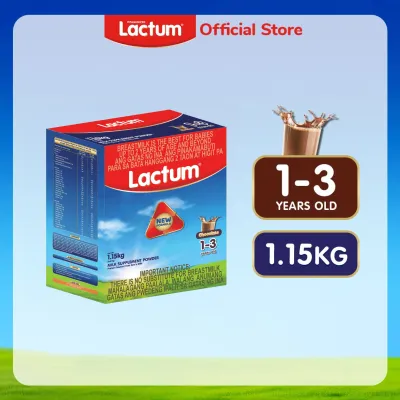

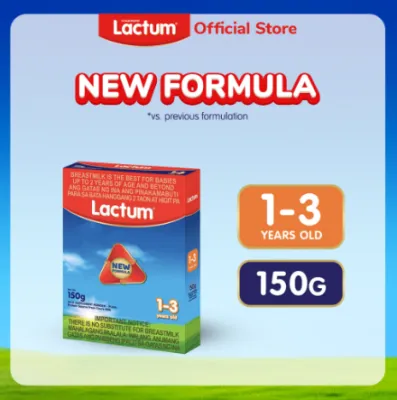
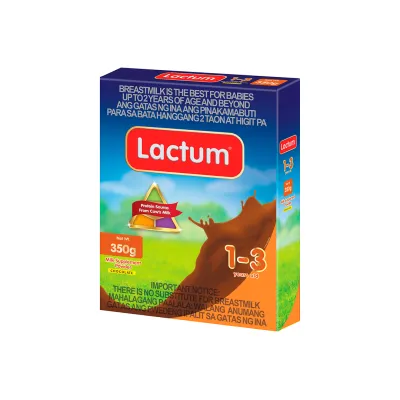
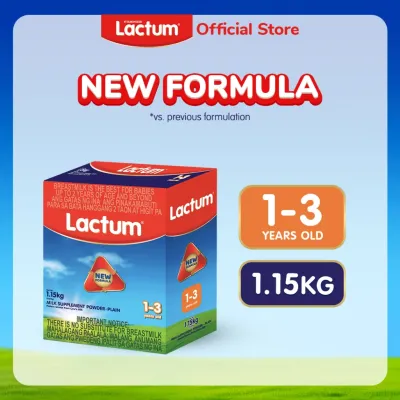


Prices are valid at publication and may change. Please refer to the product page for the latest price.
Before introducing any new milk or switching brands, consulting a pediatrician is essential. A doctor can assess your child’s growth chart, identify specific nutritional deficiencies, and recommend whether a standard toddler formula, a specialized hypoallergenic option, or simple whole milk is the most appropriate choice for your child’s unique health profile.
Lactum vs Nido vs Enfagrow: Label and Specification Check
To compare these brands accurately, you must look directly at the packaging of the specific variants designed for toddlers aged 1 to 3. Manufacturers typically label these as “Stage 3” or explicitly state “1-3 years old” on the front of the tin or box. Ensure you are comparing equivalent stages, as nutritional compositions change significantly between infant formulas and toddler milks.

Turn the package over to examine the Nutrition Facts panel. Here, you can compare the macronutrient profiles, including total carbohydrates, proteins, and fats per serving. Look closely at the vitamins and minerals section. Some brands may fortify their formulas with higher levels of specific nutrients like DHA (an omega-3 fatty acid), prebiotic fibers, or specific vitamins. Note these differences to see which aligns with your pediatrician’s advice.
Next, read the ingredient list carefully. This is crucial if your child has known sensitivities or if you want to monitor their intake of specific ingredients. Check for the types of carbohydrates used, such as lactose, sucrose, or corn syrup solids, as well as the specific vegetable oils included in the fat blend. Identifying these ingredients helps you avoid potential allergens or ingredients you prefer to limit in your child’s diet.
Finally, review the preparation instructions and storage guidelines on the packaging. Pay attention to the recommended water temperature for mixing, as some formulas require lukewarm water to preserve heat-sensitive nutrients or probiotics, while others dissolve easily in room-temperature water. In the humid, tropical climate of the Philippines, proper storage is vital; check the label for instructions on sealing the tin or transfer pack and the recommended timeline for consuming the powder once opened.
Evaluating Cost and Serving Size
Comparing the shelf price of a tin or box of formula can be misleading. To find the true economic value, you need to calculate the cost per serving. Start by checking the net weight of the package (such as 350g, 800g, or 1.2kg) and locate the preparation instructions to find the exact weight of one scoop and the number of scoops required per bottle.
Divide the total net weight of the package by the weight of a single serving (the combined weight of the required scoops) to determine how many servings a single container provides. Once you have the total number of servings, divide the retail price of the package in ₱ by this number. This gives you the precise cost per serving, allowing for an accurate, head-to-head financial comparison between Lactum, Nido, and Enfagrow.
Keep in mind that packaging formats affect the price. Standard tin cans offer excellent protection against tropical humidity and pests, but they often carry a higher price point. Refill packs or boxed options, which are widely available in local supermarkets and authorized online stores in the Philippines, are generally more economical. You can purchase these refill pouches and transfer them to a clean, airtight container at home to save on packaging costs.
To estimate your realistic monthly expenses, factor in the manufacturer’s or your pediatrician’s recommended daily intake. If the label suggests two servings of 200ml per day, multiply your calculated cost per serving by two, and then by thirty days. This monthly estimate prevents budget surprises and ensures you can consistently provide the recommended amount without facing unexpected financial strain.
Decision Framework: Which Formula Should You Choose?
Your final decision should be guided by a structured framework that balances nutritional needs, digestive tolerance, and financial sustainability. First, prioritize nutrition: choose the brand whose Nutrition Facts panel highlights the specific vitamins, minerals, or fatty acids your pediatrician recommended to address your toddler’s unique growth patterns or dietary gaps.
Second, evaluate digestive compatibility and convenience. Select the formula whose ingredient list and preparation instructions fit seamlessly into your daily routine and align with your child’s digestive system. If a particular formula dissolves easily in your standard preparation setup and does not cause your child discomfort, it is a strong candidate for continued use.
Third, assess the long-term financial commitment. Choose the brand where the calculated cost per serving and the available packaging sizes fit comfortably within your monthly household budget. It is far better to choose a moderately priced formula that you can afford to feed your child consistently at the recommended daily servings than a premium brand that forces you to dilute the powder or reduce servings to save money.
Always remember that safety comes first. If your toddler exhibits any signs of a milk protein allergy, lactose intolerance, or poor weight gain, stop using the formula immediately and consult a medical professional. Your pediatrician can help you verify if a specialized, hypoallergenic, or lactose-free variant is necessary, rather than a standard toddler milk.
Transitioning and Monitoring Your Toddler
When introducing a new toddler formula, a gradual transition is highly recommended to give your child’s digestive system time to adapt. Avoid switching brands abruptly overnight. Instead, use a step-by-step mixing method over the course of several days, slowly increasing the proportion of the new formula while decreasing the old one in each bottle.
During this transition period, closely observe your toddler for signs of tolerance. A well-tolerated formula will result in normal bowel movements, consistent energy levels, and a generally happy demeanor. Conversely, watch for adverse reactions such as sudden changes in stool consistency (like severe diarrhea or hard constipation), skin rashes, hives, vomiting, or unusual fussiness and gas after feeding.
If you observe any of these negative physical reactions, or if your child refuses the new milk entirely, stop the transition immediately. Keep a detailed log of the symptoms and the mixing ratios you used, and consult your pediatrician. They can provide personalized guidance, rule out underlying sensitivities, and help you safely navigate the next steps in your child’s feeding journey.
Frequently Asked Questions (FAQ)
Can I mix different brands of toddler formula in one bottle?
It is generally not recommended to mix different brands of toddler formula in a single bottle unless specifically instructed by your pediatrician. Each brand has a unique formulation, scoop size, and concentration of nutrients. Mixing them can alter the intended water-to-powder ratio, potentially leading to an unbalanced nutrient intake or putting unnecessary strain on your toddler’s developing kidneys and digestive system. To compare tolerance or transition between brands, it is safer to offer separate bottles of each brand or follow a structured, gradual transition plan under medical guidance.
How long can a prepared bottle of toddler formula sit out?
Once a bottle of toddler formula is prepared, standard food safety guidelines recommend using it within two hours if kept at room temperature. In the warm and humid climate of the Philippines, bacteria can multiply rapidly in warm milk, increasing the risk of foodborne illness. If your toddler does not finish a bottle, discard any leftover milk within one hour of the start of feeding, as bacteria from their saliva can contaminate the remaining liquid. Unused, freshly prepared formula can be stored in the refrigerator for up to 24 hours, but must be discarded if not consumed within that timeframe.
Is it necessary to give my 1-3 year old formula if they eat solid foods well?
If your 1-3 year old is an active, adventurous eater who consumes a wide variety of solid foods—including fruits, vegetables, proteins, and grains—they may not strictly need toddler formula. At this stage, solid foods should be their primary source of nutrition, and whole cow’s milk can often serve as an adequate beverage. However, if your child is a picky eater, is transitioning slowly to solids, or has specific nutrient gaps, toddler formula can act as a valuable nutritional safety net. Always consult your pediatrician to evaluate your child’s diet and determine if formula is necessary.

Community discussion
Share your experience or ask a question. Comments are reviewed before publication.