
Quick Answer: Which Toddler Formula Is Best for Your Child?
Choosing the right toddler milk for your child between the ages of 1 and 3 is a significant decision for Filipino parents. During this rapid stage of physical and cognitive development, milk serves as a vital nutritional supplement to solid foods. However, walking down the milk aisle of a local supermarket can feel overwhelming with options like Lactum, Nido, Enfagrow, and NAN competing for your attention. There is no single “best” formula for every toddler; the ideal choice depends on your child’s unique digestive tolerance, nutritional requirements, and your family’s monthly budget.
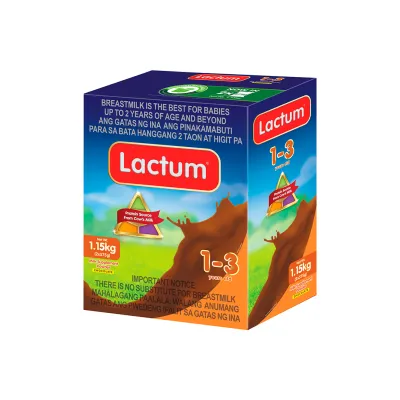
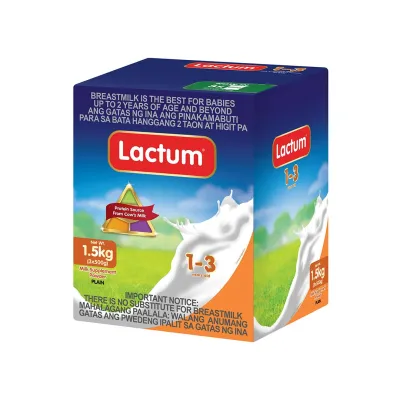
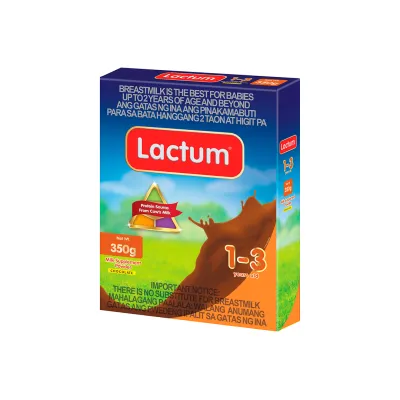
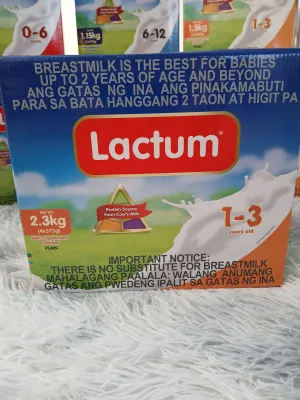
Each of these popular brands targets a distinct aspect of toddler development. For instance, lactum 1 to 3 year old formulations are widely recognized for supporting daily immunity and overall growth at an accessible price point. Nido focuses on a whole milk base rich in calcium for bone health. Enfagrow prioritizes brain development with high levels of DHA, while NAN emphasizes gut health and digestive comfort through advanced prebiotic or probiotic blends. Remember that toddler milk is designed to complement a balanced diet of solid foods, not replace it. Before making any major changes to your child’s diet, especially if they have allergies or digestive issues, always consult your pediatrician.
Nutritional Focus: Comparing Lactum 1 to 3 Year Old Milk, Nido, Enfagrow, and NAN
Understanding the core nutritional profiles and marketing focuses of each brand helps you see what each formula prioritizes. While all these brands aim to support your child’s growth, they do so through different ingredient formulations. Because manufacturers frequently update their recipes, nutrient levels, and ingredient sources, you should always check the physical product label on the packaging for the most accurate, up-to-date information before purchase.
Products mentioned in this guide
Prices are valid at publication and may change. Please refer to the product page for the latest price.

Lactum: Immunity and Overall Growth
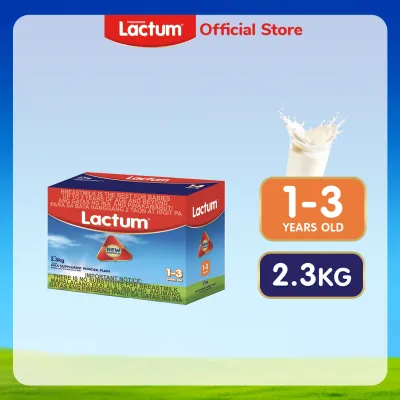
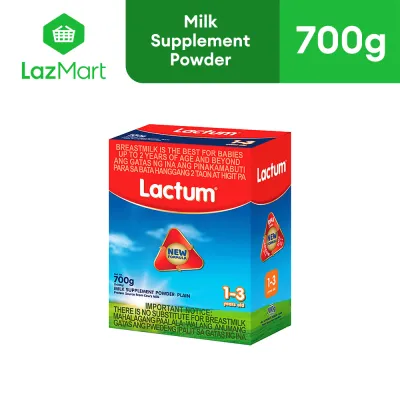
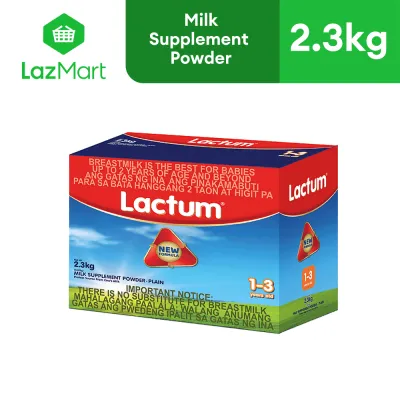
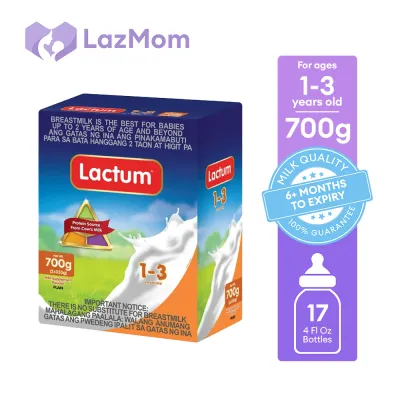
Lactum is formulated with a clear focus on supporting the immune system and promoting overall physical growth. For toddlers aged 1 to 3, this brand typically highlights a blend of essential nutrients, including Vitamin C, Vitamin E, Zinc, and Selenium. These micronutrients are crucial for strengthening your child’s natural defenses, which is especially important as they begin exploring their environment and interacting with other children.
Lactum is widely positioned in the Philippine market as an accessible, practical option for daily nutritional support. It aims to provide what the brand often refers to as “complete nutrition” when combined with three balanced meals a day. This makes it a popular choice for parents who want a reliable, straightforward supplement to help prevent common nutritional gaps without a premium price tag.
Nido: Bone Health and Whole Milk Nutrition
Nido stands out because of its foundation as a whole milk powder. Unlike formulas that heavily modify milk fats and proteins, Nido retains a whole milk base, which naturally provides a richer, creamier taste that many toddlers find highly appealing. This brand traditionally focuses on supporting physical development, skeletal strength, and bone health.
To support these developmental milestones, Nido is heavily fortified with Calcium, Vitamin D, and high-quality protein. These nutrients work synergistically to build strong bones and teeth during this high-growth period. Parents should note that the whole milk base offers a different taste and fat profile compared to highly specialized toddler formulas. If your child has specific dietary fat requirements or a sensitive stomach, this rich profile is an important factor to discuss with your pediatrician.
Enfagrow: Brain Development and Cognitive Support
Enfagrow places a strong market focus on cognitive and brain development during the critical first three years of life, a window when neural connections form at an astonishing rate. The brand’s nutritional strategy centers on delivering high levels of Docosahexaenoic Acid (DHA), an omega-3 fatty acid that serves as a primary building block for brain and eye development.
In addition to DHA, Enfagrow formulations typically include other brain-supporting nutrients such as ARA, Iron, Iodine, and Zinc. This specialized profile is designed for parents who want to prioritize cognitive support, especially if they have a picky eater who may not get enough DHA from natural food sources like fatty fish. Because of this advanced nutritional focus, Enfagrow is positioned as a premium option in the toddler milk category.
NAN: Digestive Comfort and Gut Health
NAN approaches toddler nutrition through the lens of digestive comfort and gut health. A toddler’s digestive system is still maturing as they transition from breast milk or infant formula to solid family foods. NAN addresses this transition by incorporating active probiotic cultures, such as Bifidobacterium lactis, or specific prebiotic blends designed to nourish beneficial gut bacteria.
A healthy gut microbiome is essential for smooth digestion, preventing common issues like constipation, gassiness, and loose stools. Furthermore, because a significant portion of the body’s immune system resides in the gut, supporting digestive health directly contributes to overall immune function. Parents of toddlers with sensitive stomachs or those who experience mild digestive discomfort often find NAN’s gentle, scientifically developed formulations to be a highly effective choice.
Taste, Mixability, and Toddler Acceptance
Even the most advanced nutritional profile is of little use if your toddler refuses to drink the milk. Therefore, practical daily factors like taste, texture, and how easily the powder dissolves are crucial considerations for parents.
The four brands offer distinct taste profiles. Nido, with its whole milk foundation, has a rich, creamy, and traditional milk flavor that many children accept easily. Lactum and Enfagrow tend to have slightly sweeter or vanilla-flavored profiles, which can be highly appealing to toddlers but require parents to monitor overall sugar intake. NAN generally has a more neutral, less sweet taste, which is excellent for parents who want to avoid encouraging a preference for overly sweet foods early in life.
Powder mixability is another practical concern, particularly in the humid tropical climate of the Philippines. High humidity can cause milk powder to absorb moisture quickly, leading to clumping inside the container. NAN and Enfagrow are highly regarded for their solubility, dissolving quickly and smoothly in lukewarm water without leaving sticky residue or lumps. Nido, being a whole milk powder, may require slightly warmer water and more vigorous stirring or shaking to dissolve completely.
If you decide to transition your toddler to a new brand, do so gradually to ensure acceptance and avoid digestive upset. Start by mixing 75% of their current milk with 25% of the new brand for two to three days. If your child tolerates this well, move to a 50/50 mix, then a 25/75 mix, before fully switching to the new brand. Always prepare the milk according to the manufacturer’s exact instructions, using the clean scoop provided in the package.
Price and Value: Budgeting for Toddler Milk in the Philippines
Managing the household budget is a priority for Filipino families, and toddler milk can represent a significant monthly expense. Understanding how these brands are positioned financially can help you plan your grocery budget effectively.
In the Philippine market, Nido and Lactum are generally positioned as budget-friendly, mass-market options that offer excellent value for money. They are widely accessible and affordable for daily use. On the other hand, Enfagrow and NAN are premium brands, reflecting their specialized ingredients, such as high DHA levels or advanced probiotic strains.
To make an accurate financial comparison, do not rely solely on the price of a single tin or box. Instead, calculate the cost per serving or cost per gram. You can do this by dividing the total retail price of the package by its net weight in grams, or by calculating how many standard servings a single pack yields based on the manufacturer’s feeding guide.
Buying in bulk, such as 1.6kg or 2kg packs, almost always offers a lower cost per gram compared to smaller boxes. However, you must balance bulk savings with freshness. In high-humidity environments, large open tins can attract moisture, clump, or attract household pests like ants if not stored in a cool, dry place with an airtight seal. If you travel frequently or use milk less often, smaller boxes or individual sachets may be more practical and hygienic.
To ensure your child’s safety, always purchase milk from reputable retailers, such as major local supermarkets (SM Supermarket, Robinsons, Puregold) or established drugstores (Mercury Drug, Watsons). If you prefer shopping online, buy exclusively from official brand flagship stores on authorized e-commerce platforms. Avoid purchasing from unverified third-party sellers, as counterfeit milk products pose severe health and safety risks to young children.
Decision Framework: Which Brand Should You Buy?
To help you make the final choice for your toddler, use this conditional framework based on your family’s specific priorities:
- Choose Lactum if: You are looking for a widely accessible, budget-friendly option that focuses on general immunity and daily nutritional support. It is an excellent choice for active, healthy toddlers who eat a reasonably balanced diet but need a dependable safety net to fill minor nutritional gaps.
- Choose Nido if: Your child prefers a rich, creamy, traditional milk taste and you want to prioritize physical growth, strong bones, and healthy teeth through high calcium and protein content. It is ideal for toddlers with robust digestive systems who do not require specialized dietary formulas.
- Choose Enfagrow if: Your primary goal is to support cognitive development and brain-building pathways. If your toddler is a picky eater who rarely consumes DHA-rich foods like fish, investing in this premium formula can help ensure they receive optimal brain-building nutrients during these critical formative years.
- Choose NAN if: Your toddler has a sensitive stomach, is prone to gassiness, constipation, or colic, or is transitioning from a gentle infant formula. Its focus on gut health, probiotics, and optimized proteins makes it highly suitable for supporting comfortable digestion and a healthy gut microbiome.
- Verify first if: Your child has a diagnosed milk protein allergy, lactose intolerance, or other metabolic conditions. Standard commercial toddler formulas are not suitable for children with these medical issues. If your child experiences chronic diarrhea, vomiting, skin rashes, or severe colic after drinking milk, stop use immediately and consult your pediatrician, who can recommend a specialized, medically supervised formula.
Frequently Asked Questions (FAQ)
Can I mix two different brands of toddler formula?
While mixing two standard, safe toddler formulas is not toxic, pediatricians generally advise against it. Combining different powders can alter the precise water-to-powder ratio and nutrient balance designed by each manufacturer. This can lead to either over-concentration or dilution of essential vitamins and minerals, potentially causing constipation, dehydration, or digestive strain. Furthermore, if your toddler develops an allergic reaction, skin rash, or stomach upset, mixing brands makes it nearly impossible to identify which product triggered the issue.
When should I transition my child from infant formula to toddler milk?
Most toddlers transition from infant formula (Stage 2) to toddler milk (Stage 3) around their first birthday (12 months). By this age, their primary source of nutrition should shift from milk to solid family foods. Toddler milks are specifically formulated to supplement the dietary gaps of children aged 1 to 3 years. Always check the age indicators on the product packaging and consult your pediatrician to confirm that your child is developmentally ready to make the transition.
Is toddler formula necessary, or can my 1-year-old drink whole cow's milk?
For a healthy 1-year-old who eats a well-balanced, diverse diet of solid foods (including fruits, vegetables, grains, and proteins), plain whole cow’s milk is often a perfectly adequate and cost-effective option. However, many toddlers go through natural phases of picky eating, which can lead to temporary nutritional gaps. In such cases, toddler formulas serve as a valuable nutritional safety net, providing fortified vitamins, minerals, and fatty acids like DHA that may be lacking in their daily meals.
Community discussion
Share your experience or ask a question. Comments are reviewed before publication.