
Choosing the right milk for your growing toddler can feel overwhelming, especially when standing in front of supermarket shelves filled with popular options like Lactum, Nido, and Enfagrow. During the crucial developmental window of 1 to 3 years, your child’s nutritional needs undergo a significant shift. While many parents search for a single “best” formula, the reality is that the optimal choice depends entirely on your toddler’s unique dietary gaps, digestive tolerance, flavor preferences, and your family’s monthly budget.
Because manufacturers frequently update their formulations, ingredients, and packaging sizes, relying on static brand comparisons can be misleading. Instead, the most reliable approach is learning how to analyze the product labels yourself. By understanding what to look for on the nutrition facts panel and ingredient lists, you can confidently select a formula that complements your child’s solid food intake. This guide provides a practical, step-by-step framework to compare Lactum, Nido, and Enfagrow, helping you make an informed decision tailored to your toddler’s specific growth journey.
Understanding Your Toddler's Nutritional Baseline (1-3 Years)
Between the ages of 1 and 3, a toddler’s relationship with food changes dramatically. During infancy, breast milk or infant formula served as the primary source of nourishment. However, once your child reaches their first birthday, milk transitions into a supplementary role. Solid foods should now become the main source of energy, vitamins, and minerals, with toddler milk serving as a nutritional safety net rather than a meal replacement.
Products mentioned in this guide
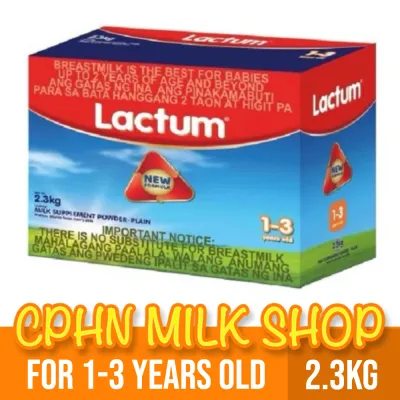

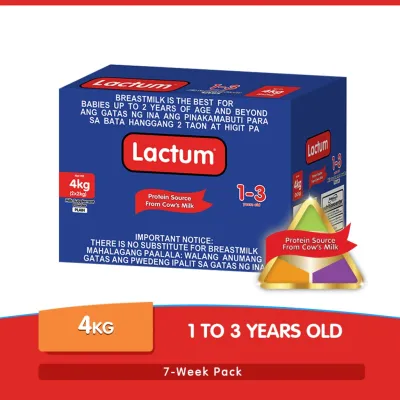
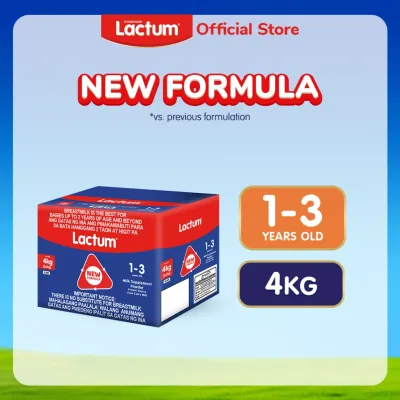
Prices are valid at publication and may change. Please refer to the product page for the latest price.
Despite your best efforts to provide balanced meals, toddlers are notorious for going through picky eating phases. This is where fortified toddler formulas can help bridge the gap. When reading formula labels, there are several key nutrients you should look for to support this rapid stage of physical and cognitive growth. Iron is critical during this period, as toddlers who transition to solid foods can sometimes fall short of their daily iron requirements, which is essential for healthy blood and brain development.
Calcium and Vitamin D are equally vital, working together to build strong bones and teeth as your toddler becomes more active, walking, running, and exploring. Zinc is another essential mineral to look for, as it plays a key role in supporting a healthy immune system. Ultimately, the goal of a toddler formula is not to provide 100% of your child’s daily nutrition, but to offer peace of mind by filling in the gaps that a day of picky eating might leave behind.
How to Compare Lactum, Nido, and Enfagrow Labels
To determine which formula fits your child’s needs, you must look past the marketing claims on the front of the packaging and focus on the detailed information printed on the back. Comparing the labels of Lactum, Nido, and Enfagrow requires a systematic look at their ingredients, sugar content, nutrient fortification, and overall value.

Protein and Base Ingredients
When examining the ingredient list, remember that ingredients are listed in descending order by weight. The first few items listed represent the bulk of the formula. Look closely at the protein sources used in each brand. Some formulas rely primarily on whole milk powder, which retains the natural milk fats and provides a creamier taste. Others use skimmed milk powder or milk solids combined with vegetable oils. You may also see specific protein blends, such as whey protein concentrates. Understanding these base ingredients is important because they influence both how easily your toddler digests the milk and how much they enjoy the flavor.
Added Sugars and Flavorings
One of the most important aspects of comparing toddler formulas is checking for added sugars. While lactose is the naturally occurring sugar found in milk, many toddler drinks contain added sweeteners to improve taste and provide quick energy. When reading the ingredient list, look out for terms like sucrose, corn syrup solids, maltodextrin, glucose syrup, or levulose. Plain milk variants generally contain fewer added sugars than flavored options like vanilla or chocolate. Managing your toddler’s intake of added sugars is crucial not only for preventing early childhood tooth decay but also for establishing healthy taste preferences, as a diet high in added sugars can make toddlers reject natural, less-sweet solid foods.
Fortified Nutrients
Next, compare the specific micronutrients and functional ingredients added to each formula. Look at the Nutrition Facts panel to check the exact amounts of Docosahexaenoic Acid (DHA) and Arachidonic Acid (ARA), which are omega-3 and omega-6 fatty acids often associated with brain and eye development. Additionally, check for the presence of prebiotics (such as fructooligosaccharides or galactooligosaccharides) and probiotics, which help support a healthy gut microbiome. Rather than relying on front-of-pack claims like “brain-boosting” or “immunity-supporting,” compare the actual milligrams or percentage of Daily Value (%DV) per serving to see which brand offers the specific nutrient levels you want for your child.
Packaging and Value
Finally, consider the practical aspect of your household budget. Toddler formulas are available in various packaging sizes, ranging from small tin cans to large economy boxes. In the Philippines, bulk packaging options, such as the popular 4kg refill packs, are highly sought after for their cost-effectiveness. To find the true value, do not just compare the retail price of the boxes. Instead, calculate the cost per serving. Look at the net weight, check the manufacturer’s recommended scoop size, and determine how many servings a single package yields. Dividing the total price in ₱ by the number of servings will show you which option is the most economical over time. Keep in mind that in warm, humid tropical climates, large bulk powders must be transferred to clean, airtight containers immediately after opening to protect the powder from moisture, clumping, and spoilage.
Digestion, Allergies, and Tolerance Checks
Even the most nutritionally advanced formula is not suitable if your toddler’s digestive system cannot tolerate it. Every child’s gut is unique, and what works perfectly for one toddler might cause discomfort for another.
It is common for toddlers to experience mild digestive adjustments when introducing a new formula. Parents should monitor their child for signs of mild sensitivity or lactose intolerance, which can manifest as excessive gas, abdominal bloating, occasional fussiness after drinking, or minor changes in stool consistency, such as mild constipation or slightly loose stools. Often, these mild symptoms resolve as the child’s digestive system matures and adapts.
However, there are critical “red flags” that indicate a serious milk protein allergy or severe intolerance rather than simple sensitivity. If your toddler experiences persistent vomiting, severe skin rashes or hives, chronic diarrhea, blood or mucus in their stool, or any breathing difficulties such as wheezing or sudden nasal congestion, you must stop using the formula immediately. These symptoms require urgent medical evaluation by a pediatrician.
If you suspect your child is not tolerating their current milk, avoid switching brands rapidly on your own. Constantly changing formulas can further irritate a sensitive digestive tract. Instead, consult your pediatrician, who can help identify the root cause of the discomfort and recommend a safe, structured transition plan to a more suitable formula, such as a hypoallergenic or lactose-free option if medically necessary.
Decision Framework: Choosing the Right Formula for Your Child
To help you navigate the choices between Lactum, Nido, and Enfagrow, it is helpful to match your child’s specific profile and your family’s priorities with the general characteristics of each brand. Use this conditional framework as a starting point, always verifying the latest labels on the shelves.
Choose Lactum if: Your primary focus is finding a reliable, standard fortified milk that fits comfortably within a practical household budget. If your toddler has no history of digestive sensitivities and eats a reasonably balanced diet, Lactum is an excellent option. It is particularly appealing for parents who prefer buying in bulk, as its widely available large-format packaging, such as the 4kg economy boxes, allows for efficient budget management without compromising on essential daily nutrients.
Choose Nido if: Your toddler prefers a rich, creamy, traditional milk flavor and you want a straightforward fortified milk drink for general nutritional support. Nido is highly suitable for active toddlers who are already transitioning well to solid foods and simply need a dependable daily beverage to help secure their intake of calcium, vitamin D, and basic immune-supporting nutrients. It is a highly accessible option found in most local stores.
Choose Enfagrow if: You are prioritizing premium nutrient blends and are willing to invest in a higher cost per serving. If you are specifically looking for higher levels of DHA, specialized prebiotic fibers, or unique nutrient combinations designed to support cognitive development and gut health, Enfagrow is often the preferred choice. Ensure your child accepts the specific flavor profiles of this brand before purchasing larger quantities.
Verify first if: Your child has a personal or family history of eczema, asthma, food allergies, or chronic digestive issues. Standard cow’s milk-based formulas like Lactum, Nido, and Enfagrow may not be appropriate for children with these sensitivities. Always consult your pediatrician before introducing any new formula to ensure it aligns with your child’s medical history and developmental needs.
Frequently Asked Questions (FAQ)
Can I mix different toddler formula brands in the same cup?
Mixing different toddler formula powders in the same cup or bottle is generally discouraged. Each brand is formulated with a specific nutrient density, scoop size, and water-to-powder ratio designed by the manufacturer. Mixing them can easily lead to incorrect dilution, resulting in milk that is either too concentrated (which can strain your toddler’s developing kidneys and cause dehydration) or too diluted (which deprives them of necessary nutrients). If you need to transition your child from one brand to another, it is best to do so gradually by serving separate cups of each formula at different times of the day, slowly increasing the number of cups of the new brand over several days.
How long can prepared toddler formula sit out at room temperature?
Once a cup of toddler formula has been prepared, food safety guidelines recommend consuming it within two hours if it has been left untouched at room temperature. However, if your toddler has already started drinking from the cup, bacteria from their saliva will enter the milk. In this scenario, any leftover formula must be discarded within one hour of the start of the feeding. Never save leftover milk in the refrigerator for a later feed once it has been touched by your child’s mouth, as bacteria can multiply rapidly, especially in warm and humid tropical climates. Always refer to the specific preparation and storage instructions on your product’s packaging for the safest practices.

Community discussion
Share your experience or ask a question. Comments are reviewed before publication.