
Choosing the right growing-up milk for your school-aged child in the Philippines involves looking beyond brand popularity to examine the actual nutritional values printed on the box. As children enter the busy school years between 6 and 12 years old, their physical and cognitive demands increase significantly. While Lactum, Nido, and Enfagrow are household names, the ideal choice is not a one-size-fits-all solution; it depends entirely on your child’s unique dietary gaps, daily activity levels, and digestive tolerance. By learning how to read and compare their physical labels, you can make an informed decision that supports your child’s growth without relying on marketing claims.
Identifying Your 6 to 12-Year-Old's Nutritional Gaps
During the school-age years, children experience rapid growth spurts, increased academic focus, and high physical activity from sports and play. To determine if a growing-up milk is necessary, start by evaluating your child’s daily food intake. Many children in this age group can be picky eaters, often skipping essential food groups or preferring quick snacks over balanced meals. Take note of what they regularly consume in their school lunchboxes, or baon, and during family dinners to identify potential gaps in macronutrients or micronutrients.
Active children who participate in outdoor games or sports under the tropical sun require sufficient energy and hydration. If your child seems constantly fatigued or struggles to concentrate during afternoon classes, they might benefit from targeted nutritional support. However, before introducing any milk supplement, consider any existing dietary restrictions or known food sensitivities. Consulting a pediatrician is the safest way to identify specific deficiencies, such as low iron or calcium levels, and to obtain a personalized recommendation tailored to your child’s growth chart.
Products mentioned in this guide
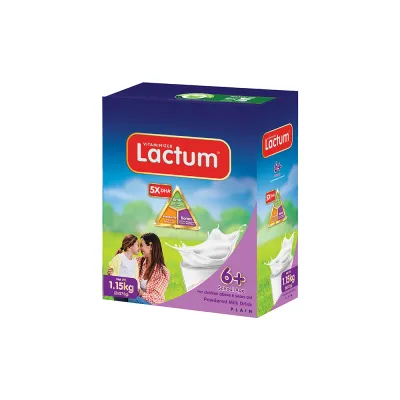
Prices are valid at publication and may change. Please refer to the product page for the latest price.
Comparing the Nutritional Labels of Lactum, Nido, and Enfagrow
To make an objective comparison, you must look directly at the physical packaging of Lactum, Nido, and Enfagrow. Formulations are updated frequently by manufacturers, meaning online reviews or older articles may contain outdated information. When holding the product in-store or checking a verified online marketplace listing, turn the package to the Nutrition Information panel. Look closely at the vitamins and minerals listed per serving, paying close attention to vitamin D, calcium, iron, zinc, and vitamin C, which are crucial for bone development and immune support.

Next, compare the macronutrient ratios, which include proteins, total fats, and carbohydrates. School-aged children need a balanced distribution of these nutrients to sustain their energy throughout the day. Be sure to check the serving size, as some brands may require more scoops per glass, which affects both the nutritional intake per serving and how quickly you will finish a single pack.
Another critical factor to verify is the presence of added sugars, artificial flavorings, or preservatives. Look at the ingredient list for terms like sucrose, corn syrup solids, or maltodextrin. While some added sugars are common in flavored milk drinks to make them palatable for children, keeping these levels within daily recommended limits is essential for long-term dental and metabolic health.
To help you compare these options at home, use this checklist when examining the labels side-by-side:
- Protein Content: Verify the grams of protein per serving to ensure it supports muscle growth.
- Micronutrient Percentages: Check the % RENI (Recommended Energy and Nutrient Intakes) or daily value percentages for calcium, iron, and vitamin D.
- Sugar Levels: Compare the total sugars and identify the types of sweeteners used in the ingredient list.
- Special Additives: Look for specific ingredients like DHA, prebiotic fibers, or probiotics, and verify their exact amounts per serving.
Matching the Milk to Tolerances and Dietary Restrictions
Digestive health is a primary consideration when choosing a growing-up milk. Some school-aged children experience discomfort, bloating, or gas after consuming dairy products, which could indicate mild lactose sensitivity or intolerance. If your child shows these symptoms, check the product labels to see if the brand offers a lactose-free or reduced-lactose variant. Never ignore persistent digestive issues, and consult a healthcare professional if you suspect a milk protein allergy, which is a more serious immune response.
Allergen warnings are another vital element to inspect on the packaging. Manufacturers are required to list potential allergens, such as soy lecithin, gluten, or traces of nuts, which might be present due to shared manufacturing equipment. If your child has a known allergy, reading these warnings carefully is non-negotiable.
Additionally, consider your child’s sensitivity to specific fat sources or artificial additives. Some formulas use a blend of vegetable oils to provide essential fatty acids, while others may include specific flavor enhancers. If your child has a sensitive stomach or is prone to skin reactions, opting for a simpler formulation with minimal artificial ingredients and flavorings is often the safest path.
Practical Factors: Taste, Preparation, and Daily Routine
A milk powder can have an excellent nutritional profile, but it is of no use if your child refuses to drink it. Taste preference plays a massive role in compliance, especially for school-aged children who have developed distinct likes and dislikes. Some children prefer a rich, creamy milk taste, while others favor specific flavors like chocolate or vanilla. If you are transitioning from a previous stage formula or a different brand, buy the smallest available packaging size first to test your child’s acceptance before committing to a large tin.
Preparation and solubility are also important for busy mornings. In the humid climate of the Philippines, milk powder can easily clump if exposed to moisture. Check the manufacturer’s instructions for the recommended water temperature; some powders dissolve easily in room-temperature or cold water, which is highly convenient for making quick, refreshing drinks on hot afternoons.
Evaluate the practical aspects of storage and packaging. Powdered milk sold in foil pouches or refill packs is often more economical, but it must be transferred to a clean, airtight container immediately after opening to protect it from humidity, ants, and spoilage. Keep track of the scoop size provided in each pack, as scoop volumes vary between brands and using the wrong scoop can lead to over-concentrated or diluted milk, affecting both nutrition and digestion.
Making the Final Decision: Which Milk Fits Your Child?
The final decision should always be guided by your child’s individual needs rather than brand prestige or promotional discounts. Choose a specific brand if its label-verified nutrients directly address the dietary gaps you and your pediatrician have identified. For instance, if your child’s daily diet lacks sufficient calcium and iron, select the formulation that offers the highest percentage of these minerals per serving, provided your child enjoys the taste and digests it well.
If the standard formulation of your preferred brand causes digestive issues or does not appeal to your child’s palate, look for alternative variants within the same brand family or switch to a competitor that offers a different ingredient profile. Keep in mind that if your child has a diagnosed medical condition, such as severe malabsorption or a metabolic disorder, standard growing-up milks are not suitable. In these cases, your child will require a specialized, prescription-only formula managed closely by a clinical specialist.
Always prioritize professional medical advice. If you find conflicting information on product labels, or if you are unsure how a specific milk supplement fits into your child’s overall health plan, schedule a consultation with a pediatrician. They can provide a tailored assessment to ensure your choice safely supports your child’s journey through these active school years.
Frequently Asked Questions (FAQ)
Is growing-up milk necessary if my child eats a balanced diet?
A varied diet consisting of whole foods—such as fresh vegetables, fruits, lean meats, fish, and whole grains—is always the primary and preferred source of nutrition for school-aged children. Growing-up milk is not a replacement for solid meals. However, in scenarios where a child is an extremely picky eater, recovering from an illness, or experiencing a rapid growth spurt, a pediatrician may recommend a milk supplement to help bridge temporary nutritional gaps and ensure they meet their daily nutrient requirements.
Can I mix different brands of growing-up milk?
Mixing different brands of growing-up milk in a single serving is generally not recommended. Each brand is formulated with a specific balance of nutrients, proteins, and additives designed to dissolve in a precise ratio of water. Combining them can alter the concentration of nutrients, potentially overloading your child’s digestive system or causing stomach upset. To accurately monitor your child’s tolerance, taste acceptance, and any potential allergic reactions, it is best to stick to one brand at a time.
How long can a child safely drink growing-up milk?
Most growing-up milks are formulated for specific age ranges, such as 3 to 6 years or 6 to 12 years, as indicated on the product packaging. Children can safely consume these products within the manufacturer’s recommended age limits and daily serving guidelines. As your child’s digestive system matures and their solid food diet becomes more diverse and balanced, you can gradually transition them to regular pasteurized or UHT fresh milk, in consultation with your pediatrician.
Community discussion
Share your experience or ask a question. Comments are reviewed before publication.