
Choosing the right growing-up milk for your six-year-old child can feel like a daunting task. With popular options like Lactum, Nido, and Enfagrow lining the supermarket shelves, each promising to support your child’s development, it is easy to feel overwhelmed by the choices. There is no single “best” growing-up milk for every 6-year-old, as the ideal choice depends entirely on your child’s specific nutritional gaps, taste preferences, digestive tolerance, and your family’s budget.
By learning how to look past marketing claims and objectively analyze nutrition labels, you can identify which product aligns with your child’s daily diet. This guide will walk you through the essential steps of comparing these three prominent brands, calculating the true cost per serving, and observing your child’s physical response to ensure you make an informed, practical decision.
Understanding Your 6-Year-Old's Nutritional Baseline
At six years of age, children experience a transition into formal schooling, which brings increased physical activity and cognitive demands. During this stage, their bodies require a steady supply of essential nutrients to support rapid bone elongation, muscle development, and immune system resilience. Key nutrients such as calcium, vitamin D, and high-quality protein serve as the building blocks for physical growth, while iron, zinc, and docosahexaenoic acid (DHA) support cognitive function and immune defense.
Products mentioned in this guide
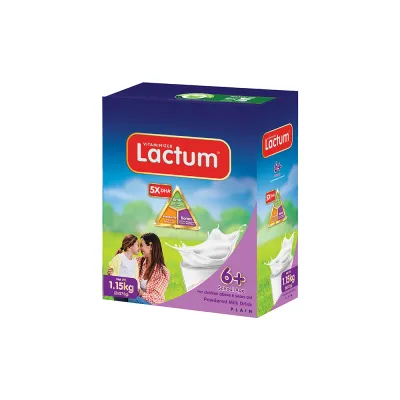
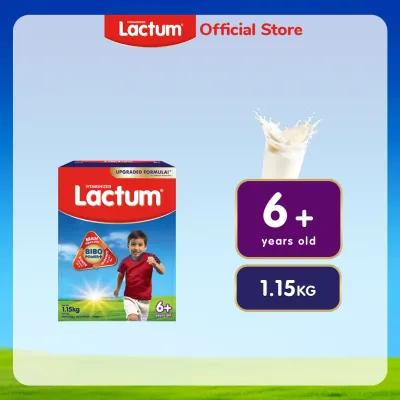
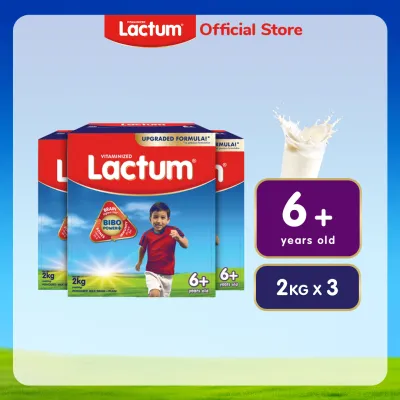
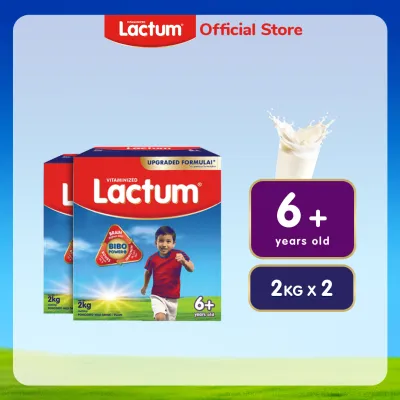
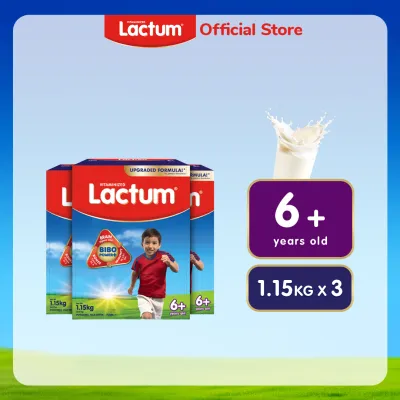
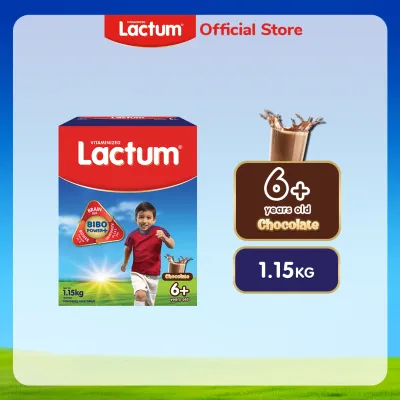

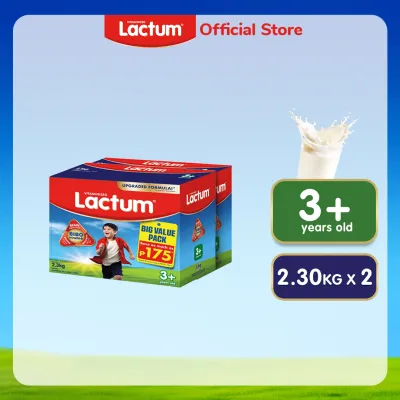
Prices are valid at publication and may change. Please refer to the product page for the latest price.
It is crucial to remember that growing-up milk is formulated as a dietary supplement, not a replacement for whole foods. A six-year-old should ideally obtain the vast majority of their daily nutrients from a diverse, balanced diet consisting of fruits, vegetables, lean proteins, and whole grains. If your child is an active, enthusiastic eater who consumes a wide variety of foods, their nutritional baseline may already be well-supported, meaning their milk intake serves primarily as a top-up for hydration and basic calcium.
Conversely, if your child is experiencing a phase of selective eating or has a highly active lifestyle in a tropical climate where energy demands are high, a fortified milk can help bridge specific nutritional gaps. Before committing to a specific brand, it is highly recommended to consult your pediatrician. A healthcare professional can evaluate your child’s growth chart, assess their dietary intake, and identify any specific deficiencies that a targeted, fortified milk product should address.
How to Compare Lactum, Nido, and Enfagrow Labels
To make an objective comparison, you must look directly at the Nutrition Facts panel and the ingredient list on the back of the packaging rather than relying on front-of-pack slogans. Start by examining the serving size and the corresponding nutrient values. Different brands use different scoop sizes and water ratios, so always compare the nutrients per 100 grams or per prepared serving to ensure you are looking at equivalent measurements.

Pay close attention to the percentage of daily recommended energy and nutrient intake (RENI) provided by each serving. Look specifically at the levels of calcium, iron, zinc, and vitamins A, C, and D. Some formulations may offer higher concentrations of specific micronutrients, while others focus on a broader, more balanced spectrum. If your pediatrician has highlighted a need for extra iron or zinc, look for the brand that delivers a higher percentage of these specific minerals per prepared glass.
Another critical factor to evaluate is the presence of added sugars. Carefully read the ingredient list, where items are listed in descending order of weight. Look for terms such as sucrose, corn syrup solids, maltodextrin, or glucose syrup. While some carbohydrates are necessary for energy, a high concentration of added sugars can contribute to excessive calorie intake and affect your child’s appetite for healthy meals. Compare the total sugar content per serving across the three brands to identify which option offers a more balanced profile.
Finally, check the label for specialized dietary additions. Some growing-up milks include prebiotics (such as oligofructose or inulin), probiotics, or specific fiber blends designed to support gut health. If your child has a sensitive stomach or is prone to occasional digestive irregularities, these added components can be a significant factor in your decision. Always verify these ingredients on the physical packaging, as formulations can change over time.
Evaluating Taste Acceptance and Digestive Tolerance
Even the most nutritionally advanced milk is of little value if your child refuses to drink it. At six years old, children have highly developed taste preferences and are quick to reject flavors or textures they dislike. When introducing a new milk brand, observe how your child reacts to its sweetness, aroma, and overall mouthfeel. Some brands offer flavored variants, such as chocolate or honey, while others focus on a classic, creamy milk flavor.
If you are transitioning your child from one brand to another, do so gradually to avoid sudden changes that might trigger rejection. You can start by mixing a small portion of the new milk powder with their current preferred brand, slowly increasing the ratio of the new milk over several days. This gradual introduction allows your child’s palate to adjust to the subtle differences in flavor and sweetness without causing resistance.
Beyond taste, monitoring your child’s digestive tolerance is paramount. Keep a close eye on their physical comfort in the hours and days following the introduction of a new milk. Watch for signs of digestive discomfort, such as bloating, excessive gas, abdominal pain, or sudden changes in bowel movements, such as constipation or loose stools. A child’s digestive system can be sensitive to variations in protein structures, lactose levels, or added prebiotic fibers.
If you notice persistent digestive issues or if your child experiences skin rashes or respiratory symptoms, stop using the product immediately and consult your pediatrician. These reactions could indicate an underlying sensitivity or allergy that requires professional medical assessment. Ultimately, a successful milk choice is one that your child drinks willingly and digests comfortably without any adverse physical symptoms.
Calculating Cost Per Serving and Purchasing Convenience
For most households, the long-term financial commitment of purchasing growing-up milk is a key consideration. Comparing the retail price of different tins or boxes on the supermarket shelf can be misleading, as package weights and recommended scoop sizes vary significantly. To find the true economic impact, you must calculate the cost per prepared serving.
To perform this calculation, divide the total weight of the package by the weight of a single serving (as specified in the preparation instructions) to determine how many servings a single container yields. Then, divide the retail price of the container by the number of servings. For example, if a tin costs ₱800 and provides 20 servings, the cost per serving is ₱40. Comparing this per-serving cost across Lactum, Nido, and Enfagrow will give you a clear picture of the daily and monthly expenditure required for each option.
In addition to cost, consider the purchasing convenience and availability of each brand in your local area. Some brands are widely distributed and easily found in neighborhood convenience stores, local supermarkets, and major online marketplaces, while others might only be available in larger department stores or specialized outlets. Ensure that your chosen brand is consistently accessible so you do not run out unexpectedly.
Take note of the packaging options available for each brand. Many manufacturers offer budget-friendly refill pouches alongside standard tin cans. Purchasing refill packs can lower your cost per serving while reducing packaging waste. However, if you opt for refill pouches, ensure you have a clean, dry, airtight container at home to store the powder, protecting it from the tropical humidity and pests common in local households.
Decision Framework: Matching the Brand to Your Child
To finalize your choice, synthesize your observations, budget calculations, and label comparisons into a practical decision framework. No single brand is a universal winner; instead, the best choice is the one that aligns with your specific household priorities and your child’s unique physical needs.
- Consider Lactum if your label comparison reveals that its specific nutrient distribution directly addresses your child's dietary gaps, they enjoy its taste profile, and you are looking for a widely available option that balances nutritional support with everyday practicality.
- Consider Nido if your primary goal is to find a highly cost-effective option per serving that fits comfortably within your monthly household budget, and your child has demonstrated excellent digestive tolerance to its standard formulation during a trial period.
- Consider Enfagrow if your pediatrician has recommended a highly specific fortification profile—particularly regarding cognitive or immune support markers—and you are comfortable with its corresponding cost per serving as part of your child's daily routine.
If your child exhibits persistent digestive discomfort, refuses all tested brands and flavors, or has a known or suspected food allergy, do not attempt to force a transition. In these situations, stop using standard growing-up milks and consult a healthcare professional. A pediatrician or pediatric nutritionist can recommend specialized, hypoallergenic, or lactose-free alternatives tailored to your child’s specific medical requirements.
Frequently Asked Questions (FAQ)
Can a 6-year-old drink regular fresh milk instead of growing-up milk?
Yes, a healthy six-year-old can drink regular fresh milk as part of a balanced diet. Standard fresh milk provides high-quality protein, calcium, and naturally occurring vitamins that support bone development and overall growth. However, regular fresh milk does not contain the elevated levels of fortified micronutrients—such as iron, zinc, vitamin C, and DHA—that are typically added to growing-up milks.
If your child is an excellent eater who regularly consumes a diverse diet rich in meat, fish, vegetables, and whole grains, they may not require the extra fortification of a growing-up milk, making fresh milk a suitable and often less sweet alternative. Conversely, if your child has specific dietary gaps or is a selective eater, a fortified growing-up milk can provide peace of mind by acting as a nutritional safety net. Consult your pediatrician to determine which option best suits your child’s dietary profile.
How many servings of growing-up milk should a 6-year-old drink daily?
Generally, one to two servings of growing-up milk per day are sufficient for a six-year-old child, but you should always refer to the specific manufacturer’s feeding guide printed on the product packaging. Consuming too much milk can fill your child’s stomach, reducing their appetite for solid meals and preventing them from learning to enjoy a variety of whole foods.
It is essential to balance milk intake with plenty of water throughout the day, especially in warm climates, to ensure proper hydration without adding unnecessary calories or sugars to their diet. Treat growing-up milk as a supportive supplement to, rather than a replacement for, structured family meals and healthy snacks.
Community discussion
Share your experience or ask a question. Comments are reviewed before publication.