
Choosing the right chocolate milk powder for your child as they transition into the structured world of grade school is a common decision point for parents in the Philippines. At six years old, children face increased cognitive and physical demands, making consistent daily nutrition vital. If you are comparing Lactum and Nido chocolate variants, you are likely looking for a balance between nutritional value and a taste your child will actually enjoy. When considering a product like lactum choco 6 years old kids can consume, or its Nido counterpart, the ideal choice depends on your child’s specific dietary needs, taste preferences, and digestive tolerance.
Quick Answer: Which Chocolate Milk Wins for School-Age Kids?
The “better” choice between Lactum and Nido chocolate milk is not absolute; it is highly conditional. Lactum variants often focus on targeted school-age fortifications, such as specific brain and immune support nutrients designed to assist children during their early school years. On the other hand, Nido typically emphasizes a traditional, rich milk-based nutritional profile that supports overall growth and bone development.
Because formulations can vary and undergo updates over time, parents should always read the exact Nutrition Facts panel of the specific variants available in local supermarkets. Relying on the physical packaging ensures you have the most accurate, up-to-date information regarding sugar content, vitamins, and minerals before making a purchase.
Products mentioned in this guide
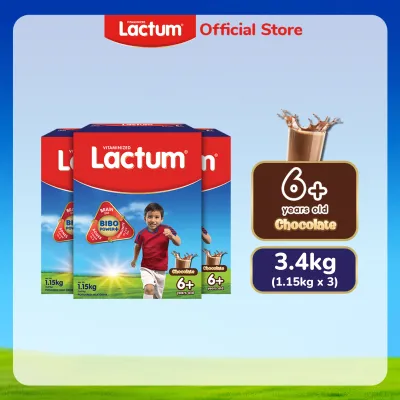
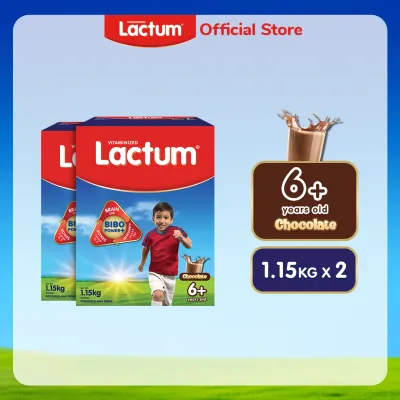
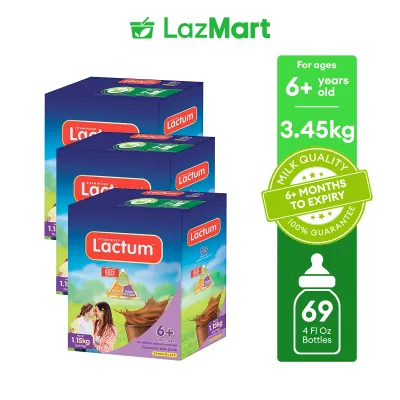
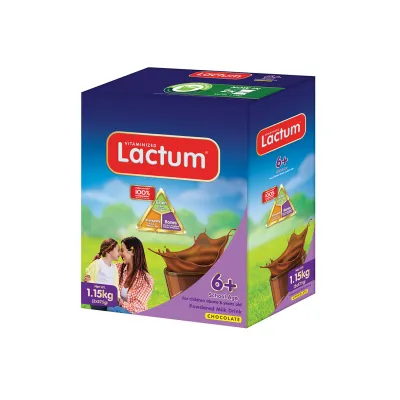
Prices are valid at publication and may change. Please refer to the product page for the latest price.
Nutritional Breakdown: What to Check on the Label for Lactum Choco 6 Years Old
To make an informed decision, parents must understand what to look for on the nutritional labels of both Lactum and Nido chocolate milk powders. At six years old, children are rapidly growing, starting primary school, and interacting with larger groups of peers. This developmental stage requires specific nutrients to support cognitive function, immune defense, and physical growth.

Calcium and Vitamin D
Calcium is the primary building block for strong bones and teeth, which are developing rapidly in a six-year-old. Vitamin D is equally critical because it facilitates the absorption of calcium in the body. When examining the labels of Lactum and Nido, locate the “Calcium” and “Vitamin D” lines under the micronutrient list. Check the percentage of the Daily Value (% DV) or the specific milligrams (mg) per serving. A higher percentage means the serving contributes more significantly to your child’s daily skeletal requirements.
Iron and Zinc
Iron is essential for oxygen transport in the blood and plays a direct role in cognitive development, helping school-age children stay focused during classroom activities. Zinc supports cellular growth and works closely with vitamin C to maintain a robust immune system, protecting your child from common schoolyard illnesses. Compare the iron and zinc levels on the packaging of both brands to see which one aligns better with your child’s daily nutritional targets.
DHA (Docosahexaenoic Acid)
DHA is an omega-3 fatty acid that supports brain development and visual function. For school-age kids, cognitive support is often a priority for parents. Look at the ingredient list and the nutritional table to verify if DHA is present in the specific chocolate formulation you are holding, and note the amount per serving. Some formulations highlight DHA prominently, while others may focus on different nutrient blends.
The Chocolate Factor and Added Sugars
While chocolate flavoring makes milk highly appealing to children, it typically comes with added sugars. When comparing these powders, look closely at the “Total Sugars” and “Added Sugars” lines under the carbohydrate section. The World Health Organization and pediatric guidelines recommend limiting added sugar intake for young children to prevent dental cavities and maintain stable energy levels throughout the day. Opt for the variant that provides the best balance of essential nutrients with the lowest amount of added sugar per serving.
The Ingredient Base
Flip the package over to read the ingredient list, which is organized by weight from highest to lowest. Note whether the primary ingredient is full cream milk powder, milk solids, reconstituted milk, or a blend of milk powder and whey. A product with full cream milk powder as the first ingredient offers a traditional, whole-milk foundation, whereas products utilizing milk solids or whey blends may have different fat and protein structures. Understanding this base helps you identify the core source of the drink’s macronutrients.
Taste and Mixability: Will Your Child Actually Drink It?
No matter how nutritionally complete a milk powder is, it provides no benefit if your child refuses to drink it. Six-year-olds are developing distinct taste preferences and can be highly sensitive to changes in flavor, sweetness, and texture. The practical success of introducing a new chocolate milk depends heavily on its taste profile and how easily it prepares.
Subjective Taste Profiles
Lactum and Nido chocolate milk powders present different sensory experiences. Lactum chocolate variants are often characterized by a distinct, slightly malted or fortified flavor profile that appeals to children who enjoy a deeper, cocoa-forward taste. Nido chocolate variants typically lean toward a creamier, more traditional milk-rich taste, emphasizing the natural creaminess of dairy combined with a mild chocolate flavor. Because taste is entirely subjective, what one child loves, another might reject.
The Sachet Test Method
To avoid wasting money on a large tin or bag that your child might refuse, employ a practical testing strategy. Look for the smallest packaging format available at your local grocery store, such as a single-serve sachet or a small box. Introduce this smaller portion first to conduct a taste test at home. This allows you to observe your child’s genuine reaction to the flavor and sweetness before committing to a larger, more expensive volume.
Evaluating Mixability
In the warm, tropical climate of the Philippines, school-age children often prefer their chocolate milk served cold or chilled. This preference makes mixability a crucial factor for daily preparation. Some milk powders dissolve smoothly in cold water, while others tend to clump, leaving dry pockets of powder at the top or a thick residue at the bottom of the glass. Clumping can ruin the drinking experience for a child who dislikes uneven textures.
When preparing the milk, test how well the powder dissolves in water of different temperatures. If you find that the chocolate powder clumps in cold water, try dissolving it in a small amount of warm water first to create a smooth concentrate, then top it off with cold water and ice. Alternatively, using a shaker bottle or a small hand-held milk frother can quickly emulsify the powder, ensuring a smooth, appealing texture every time.
Digestibility and Tummy Comfort
A child’s digestive system is unique, and introducing or switching milk powders can sometimes cause temporary tummy upset. Both standard Lactum and Nido chocolate milk powders are dairy-based products containing lactose. Understanding how your child tolerates these formulations is essential for their daily comfort and overall well-being.
Monitoring Digestive Tolerance
When you introduce a new chocolate milk powder to your six-year-old, monitor their physical reactions closely during the first week. Look for common signs of digestive sensitivity, such as:
- Mild bloating or a visibly distended stomach after drinking.
- Increased flatulence or complaints of stomach cramps.
- Sudden changes in bowel movements, such as unusually loose stools or constipation.
Keeping a simple food diary during this transition period can help you correlate any physical discomfort directly with the milk intake.
Checking for Specialized Variants
If your child has a known sensitivity to lactose or specific dairy proteins, standard commercial chocolate milk powders may not be suitable. Read the packaging carefully or visit the official brand websites to verify if they offer low-lactose, lactose-free, or hypoallergenic alternatives. These specialized variants are formulated to be gentler on sensitive digestive tracts while still providing essential vitamins and minerals.
Establishing Safety Boundaries
It is vital to distinguish between mild digestive adjustment and a serious adverse reaction. If your child experiences persistent digestive discomfort, severe diarrhea, vomiting, or shows signs of an allergic reaction—such as hives, skin rashes, swelling of the lips or face, or wheezing—you must stop administering the milk immediately. Do not attempt to self-diagnose milk allergies or lactose intolerance. Consult a pediatrician or a qualified healthcare professional promptly to obtain an accurate diagnosis and receive professional guidance on safe dietary alternatives.
Price and Value: Comparing Cost Per Serving
Managing a household budget requires evaluating the long-term cost of daily milk consumption. Because retail prices in the Philippines fluctuate due to inflation, store promotions, and regional distribution costs, looking solely at the shelf price of a package can be misleading. Instead, parents should focus on calculating the true cost per serving to determine which brand offers better value.
Calculating Cost Per Serving
To find the actual cost of feeding your child daily, do not just compare the price of a 1-kilogram bag of Lactum with a 1-kilogram bag of Nido. Use this simple formula:
Cost Per Serving = Total Pack Price / Number of Servings
You can find the “Number of Servings” or “Servings Per Pack” printed clearly on the Nutrition Facts panel of the packaging. By dividing the retail price by this number, you will find exactly how much each glass of chocolate milk costs. This calculation often reveals that a product with a lower shelf price actually has a higher cost per serving because it requires larger scoop sizes or contains fewer total servings.
Packaging Formats and Storage
The choice of packaging format also impacts both cost and product quality. Bulk tins and bags generally offer the lowest cost per serving, making them highly economical for daily use. However, in the high humidity of the Philippines, large opened bags or tins are susceptible to moisture absorption, which can cause the powder to clump or spoil prematurely. If you buy in bulk, ensure the container is airtight and stored in a cool, dry pantry away from direct sunlight.
Conversely, while sachets and single-serve boxes typically carry a higher cost per serving, they provide excellent portion control, maintain freshness by protecting the powder from humidity, and are highly convenient for packing in a school lunchbox.
Finding Legitimate Deals
To maximize value, look for promotions, bundle packs, or subscription discounts at reputable local supermarkets or official online brand stores on major e-commerce platforms. Be cautious when shopping online; avoid buying deeply discounted milk powders from unauthorized third-party sellers. Counterfeit milk powders pose severe health risks to young children, so always verify that you are purchasing from verified official stores or established retail chains.
The Final Decision Framework
Choosing between Lactum and Nido chocolate milk for your six-year-old does not require guesswork. By structuring your decision around your child’s specific profile, you can confidently select the brand that supports their school-age journey.
Use this conditional framework to guide your final purchase:
- Choose Lactum if: Your primary goal is targeted school-age fortification, your child enjoys a distinct, cocoa-forward flavor profile, and you have verified on the label that its specific vitamin and mineral levels match your child's nutritional gaps.
- Choose Nido if: You prefer a traditional, creamy milk-based nutritional foundation, your child favors a rich, dairy-forward taste, and you want a formulation that prioritizes classic growth support.
- Verify first if: Your child exhibits any signs of lactose sensitivity, food allergies, or specific dietary restrictions. If these conditions exist, bypass standard commercial chocolate milks and consult your pediatrician to select a specialized therapeutic formula.
Remember that chocolate milk powder should always serve as a supplement to, not a replacement for, a balanced diet. At six years old, your child should obtain the vast majority of their daily nutrients from a diverse range of solid foods, including fresh fruits, vegetables, lean proteins, and whole grains. Use chocolate milk as a nutritious treat or a breakfast accompaniment rather than the primary source of their daily caloric intake.
Frequently Asked Questions (FAQ)
Can I mix chocolate milk powder with water instead of milk?
Yes, commercial chocolate milk powders like Lactum and Nido are specifically formulated and nutritionally balanced to be mixed with clean, safe drinking water. Mixing these powders with additional liquid milk instead of water significantly increases the total calories, fats, and sugars in a single serving. This can lead to an excessive intake of nutrients and energy that may not be suitable for daily school-age consumption. Always adhere to the exact preparation instructions and water-to-powder ratios printed on the product label to ensure your child receives the intended nutritional profile.
How many glasses of chocolate milk should a 6-year-old drink daily?
Generally, pediatric dietary guidelines recommend that school-age children consume 2 to 3 servings of dairy products daily to meet their calcium and protein needs. However, because chocolate milk contains added sugars for flavoring, it is best to limit consumption to 1 glass per day, using plain milk or other calcium-rich foods to fulfill the rest of their daily dairy requirement. Always consult the specific brand’s recommended serving size on the packaging and balance this drink with your child’s total daily sugar intake from all other foods and beverages to maintain a healthy, balanced diet.

Community discussion
Share your experience or ask a question. Comments are reviewed before publication.