
Quick Answer: Comparing Lactum 1 to 3 Year Old Milk with Enfagrow and Nido
When your child transitions from infancy to toddlerhood, choosing the right milk supplement becomes a primary focus. If you are considering lactum 1 to 3 year old options alongside competitors like Enfagrow and Nido, you are likely trying to balance nutritional completeness, physical growth, brain development, and your family budget.
There is no universal “best” formula for every child. The ideal choice depends on your toddler’s specific nutritional gaps, digestive tolerance, taste preferences, and your household budget. Each brand targets a distinct parental priority:
- Lactum is designed to provide comprehensive vitamin and mineral fortification, helping to fill nutritional gaps for picky eaters.
- Enfagrow focuses on cognitive and visual development, incorporating higher levels of brain-support nutrients like DHA.
- Nido offers a fortified whole milk base that delivers a rich, creamy taste and essential bone-building nutrients at a highly accessible price point.
Toddler formulas are intended as dietary supplements to a balanced, solid-food diet, rather than a primary source of nutrition. Because every child’s physical development and digestive system are unique, always consult a pediatrician before introducing a new formula or if your child has a history of allergies, eczema, or gastrointestinal issues.
Products mentioned in this guide
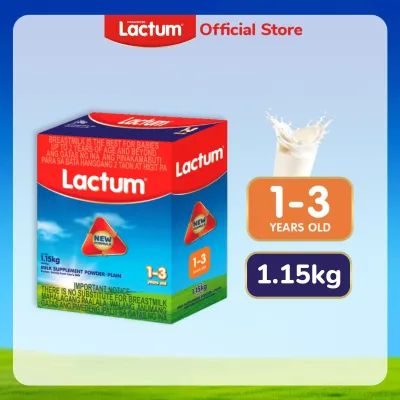
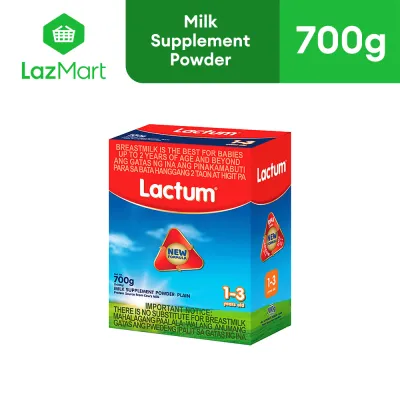
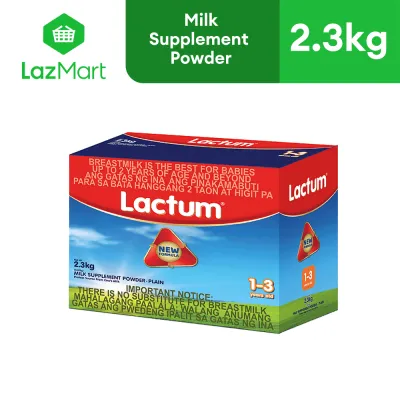
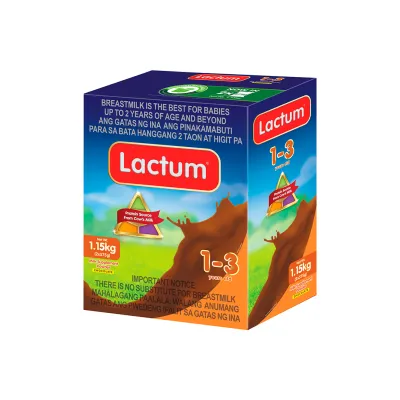
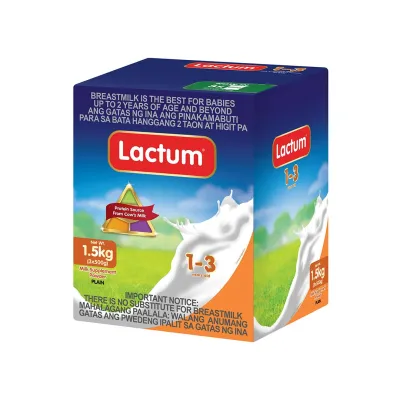
Prices are valid at publication and may change. Please refer to the product page for the latest price.
Nutritional Profiles: Comparing Lactum, Enfagrow, and Nido
Understanding what goes into your toddler’s cup requires a close look at the ingredient list and nutrition panel. Between the ages of one and three, toddlers undergo rapid physical growth and cognitive expansion, making specific vitamins, minerals, and fatty acids essential to their daily intake. During this transition, their reliance on liquid nutrition decreases as solid foods take center stage, yet milk remains a vital source of calcium, vitamin D, and high-quality protein.

The nutritional needs of a toddler differ significantly from those of an infant. While infants require highly modified formulas that mimic breast milk, toddlers benefit from formulas designed to support active lifestyles, developing immune systems, and accelerating cognitive pathways. Comparing these three popular options reveals distinct formulation philosophies that cater to different developmental goals.
Lactum (1-3 Years)
Lactum 1-3 is formulated with a primary focus on supporting physical growth and strengthening the immune system. It aims to address the common parental concern of “picky eating” by offering a broad spectrum of essential nutrients that children might miss from solid meals alone. This formulation serves as a nutritional safety net, ensuring that even on days when solid food intake is low, key vitamins and minerals are still delivered.
The nutritional profile typically highlights key immune-supporting elements, including Vitamin C, Vitamin E, Zinc, and Selenium. These micronutrients work synergistically to support the body’s natural defenses, which is particularly important as toddlers begin exploring their environment and interacting with other children. Additionally, it contains Iron and B-vitamins to support energy metabolism and prevent nutritional deficiencies. Iron is especially critical during this stage, as iron-deficiency anemia can hinder physical and cognitive development.
Beyond immunity, Lactum is designed to support “all-around” development, which includes bone health and brain function. It contains calcium and phosphorus in ratios intended to support skeletal strength, alongside basic levels of DHA to contribute to brain development. This balanced approach makes it a popular everyday choice for parents who want a reliable, comprehensive milk supplement that is widely available in local supermarkets across the Philippines.
Because formulations can be updated periodically by the manufacturer, parents should always inspect the physical product packaging. Check the Nutrition Facts panel for the exact milligrams (mg) or International Units (IU) of each nutrient per serving to ensure it aligns with your child’s pediatric recommendations. Additionally, review the ingredient list to identify the types of carbohydrates used, as some variants may contain added sugars or flavorings to enhance palatability for older toddlers.
Enfagrow (Toddler / 1-3 Years)
Enfagrow positions itself as a premium option centered on brain and visual development. During the first three years of life, a child’s brain develops at an extraordinary rate, forming connections that shape future learning, memory, and behavior. This period of rapid neurological growth requires specific lipid building blocks that the body cannot always synthesize in optimal quantities.
To support this rapid cognitive growth, Enfagrow is formulated with a focus on DHA (Docosahexaenoic Acid), an omega-3 fatty acid that serves as a primary structural component of the brain and retina. Alongside DHA, these formulations often include supporting nutrients such as Choline, Iron, Iodine, and Zinc, which play critical roles in neurotransmitter synthesis and overall cognitive functioning. Some premium variants also feature milk fat globule membrane (MFGM) or prebiotic blends to support both brain health and immunity.
Mead Johnson structures its Enfagrow products to target specific developmental stages, with Enfagrow Four being a common choice for the 1-3 age group. The brand emphasizes that the synergy of DHA and MFGM helps support cognitive development and behavioral control. This premium focus makes Enfagrow a preferred choice for parents who wish to maximize brain-support nutrients during their child’s peak developmental window, even if it comes at a higher cost.
It is important to note that the exact levels of DHA and supporting nutrients can vary significantly between different product lines, such as Enfagrow A+ versus standard variants. Parents must verify the specific Nutrition Facts panel on the container to understand the exact amount of DHA provided per serving, keeping in mind that these specialized ingredients often contribute to the product’s higher price point.
Nido (1+ or Fortificada)
Nido 1+ takes a different approach, positioning itself as a fortified whole milk powder rather than a highly modified, multi-ingredient toddler formula. It is designed to transition children from breast milk or infant formula to a family-style milk drink while retaining essential nutritional enhancements. This makes it an appealing option for parents who prefer a more natural, less processed dairy option for their growing child.
The primary focus of Nido 1+ is on bone development and general physical strength. It is naturally rich in high-quality dairy protein and calcium, which are vital for building strong bones and teeth during these highly active years. To enhance the absorption of calcium, Nido is fortified with Vitamin D. It also typically includes basic levels of Vitamin A, Vitamin C, and Zinc to support immune health, along with prebiotic fibers to aid digestion.
Nestlé often markets Nido 1+ as containing specific prebiotic blends, such as Prebio3, which are designed to support gut health and respiratory defenses. Because toddlers are prone to catching common colds and respiratory infections, this focus on gut-mediated immunity is a key selling point. The simplicity of the whole milk base means that it retains a natural dairy structure, which is highly digestible for children who do not have specific milk sensitivities.
Because Nido uses a whole milk powder base, its macronutrient profile generally features a higher natural fat content compared to highly processed formulas. This healthy fat content provides concentrated energy for active toddlers but should be carefully balanced with their overall solid food diet to prevent excessive calorie intake.
How to Read the Nutrition Facts Panel
Comparing formulas side-by-side can be confusing because manufacturers use different serving sizes and measurement units. To make an accurate comparison, do not simply look at the absolute numbers on the back of the tin; instead, establish a common baseline.
Start by checking the serving size, which is usually listed in both grams of powder and milliliters of water. Because scoop sizes vary between brands, a single scoop of one formula may weigh more or less than a scoop of another. Calculate the nutrient values per 100 grams of powder or per 100 milliliters of prepared milk to achieve a true comparison of nutrient density.
Additionally, examine the order of ingredients on the label. Ingredients are listed in descending order of weight, meaning the first few ingredients make up the bulk of the product. If whole milk or milk solids are listed first, the formula has a strong dairy base. If sweeteners like sucrose, corn syrup solids, or maltodextrin appear high on the list, the formula will be sweeter and have a higher glycemic index, which is an important consideration for dental health and long-term taste preferences.
When evaluating specific nutrients, look at the “% Daily Value” (%DV) or the absolute milligram values for critical components:
- Iron: Essential for preventing anemia; compare the mg per serving to ensure your child meets their daily requirement.
- Calcium and Vitamin D: Check that these are balanced to support optimal bone mineralization.
- DHA: Look for the exact milligram count per serving rather than generic "omega-3" claims, as some products may contain only trace amounts.
- Sugar Content: Examine the ingredient list for sucrose, corn syrup solids, or maltodextrin. If you prefer to limit added sugars, look for options where lactose is the primary carbohydrate source.
Taste, Mixability, and Digestive Tolerance
A formula can have an outstanding nutritional profile on paper, but it is of little use if your toddler refuses to drink it or experiences digestive discomfort afterward. Practical daily usage factors are critical to long-term success.
Taste and Toddler Acceptance
Toddlers are notorious for their strong sensory preferences and can reject a milk supplement based on taste or texture alone. The three brands offer distinct flavor profiles that appeal to different palates. This sensory barrier is often the hardest hurdle for parents to overcome when transitioning their child to a new brand.
Nido is widely recognized for its rich, creamy, and traditional whole milk taste. Because it is based on whole cow’s milk with minimal heavy modifications, it tastes very similar to regular dairy milk, which many toddlers find highly comforting and palatable. It lacks the distinct metallic aftertaste that can sometimes accompany heavily fortified formulas.
In contrast, Lactum and Enfagrow feature more complex formulations that can introduce a slight mineral or metallic note due to the high levels of added iron, vitamins, and DHA. To mask these notes and increase toddler acceptance, these brands often incorporate natural sweeteners or flavorings, such as vanilla or honey. If your toddler is a picky eater or sensitive to strong flavors, consider purchasing smaller trial sizes or single-serve sachets before committing to a large, expensive tin.
To ease the transition between different tastes, parents can use a gradual mixing method. Start by mixing 75% of the old, familiar milk with 25% of the new formula in a single serving. Over the course of a week, slowly adjust the ratio—moving to 50/50, then 25/75—until the toddler is drinking 100% of the new formula. This gradual adjustment helps prevent feeding strikes and allows the child’s palate to adapt naturally.
Mixability and Preparation
Preparing a bottle or cup of milk quickly is essential, especially during busy mornings or late-night routines. The physical properties of the powder determine how easily it dissolves without clumping.
To ensure proper mixability, always follow the manufacturer’s specific preparation instructions. Use the exact water-to-powder ratio specified on the packaging, as adding too much powder can strain your child’s kidneys, while adding too little can lead to nutritional deficiencies. Always use safe, clean drinking water that has been boiled and allowed to cool to the recommended temperature.
It is critical to remember that scoops are not interchangeable between different brands. A scoop from a Lactum tin is calibrated specifically for Lactum’s density and weight, and using it to measure Nido or Enfagrow can result in incorrect measurements. Always use the specific scoop that comes inside the tin you are currently preparing.
Using lukewarm or room temperature water is generally recommended, as excessively hot water can destroy heat-sensitive nutrients, such as Vitamin C, B vitamins, and any beneficial probiotics. In the tropical, high-humidity climate of the Philippines, milk powder can easily absorb moisture from the air once the container is opened. To prevent clumping and maintain freshness, store the tin in a cool, dry pantry, seal the lid tightly immediately after use, and never store the powder in the refrigerator.
Digestive Tolerance and Sensitivities
A toddler’s digestive system is still maturing, making them susceptible to mild digestive upsets when transitioning to a new milk supplement. Parents must monitor how their child’s body responds to each formula.
Some formulas include prebiotic fibers (such as GOS, FOS, or inulin) to support the growth of beneficial gut bacteria, which can help improve digestion and stool consistency. While these prebiotics are highly beneficial for long-term gut health, some toddlers may experience mild gas or a temporary change in stool frequency when first introduced to them. This is usually a normal adjustment process that resolves within a few days as the gut microbiome adapts.
It is crucial to understand that standard versions of Lactum, Enfagrow, and Nido are all based on cow’s milk protein and contain lactose. They are not suitable for children with diagnosed cow’s milk protein allergy (CMPA) or severe lactose intolerance. When introducing any of these formulas, closely observe your child for signs of intolerance or sensitivity, which can include:
- Gastrointestinal symptoms: Excessive bloating, painful gas, frequent diarrhea, watery stools, or vomiting.
- Skin reactions: Unexplained rashes, hives, or worsening of eczema.
- Behavioral changes: Extreme irritability, colic-like crying, or refusal to feed.
If you observe any of these warning signs, stop feeding the formula immediately and consult your pediatrician. Do not attempt to diagnose a milk allergy at home, and do not switch between standard cow’s milk formulas without professional medical guidance, as this can exacerbate digestive inflammation.
Pricing and Value: How to Calculate the True Cost per Serving
For many households, the monthly cost of milk is a significant component of the family budget. To make an economically sound decision, you must look beyond the retail price printed on the shelf label and calculate the actual cost per serving.
A common mistake is assuming that a cheaper tin of milk is always the most economical choice. To find the true value, use this simple calculation:
Cost per Serving = (Total Tin Price ÷ Total Weight of Tin in Grams) × Grams of Powder per Serving
For example, if a 900g tin costs ₱900, the cost per gram is ₱1.00. If the manufacturer’s recommended serving size is 36g of powder, then each serving costs ₱36.00. However, if a competing brand sells a 900g tin for ₱800 (costing ₱0.89 per gram) but requires a larger serving size of 45g of powder, each serving actually costs ₱40.05. In this scenario, the cheaper tin is more expensive to feed over time because you will run out of powder much faster.
Additionally, consider how storage and consumption habits affect the overall value. Once a tin of milk powder is opened, it must typically be consumed within three to four weeks to prevent spoilage and nutrient degradation. If your toddler drinks milk only occasionally, purchasing a massive 2kg bulk tin might lead to waste if you cannot finish it within the recommended timeframe. In such cases, smaller tins or individual sachets, despite having a higher cost per gram, can actually save money by preventing waste.
When shopping, consider the following practical strategies to optimize your budget:
- Bulk Packaging: Larger tin sizes (such as 1.2kg, 1.6kg, or 2kg) generally offer a lower cost per gram compared to smaller 400g or 900g tins. Only buy in bulk once you are certain your child tolerates and enjoys the formula.
- Sachet Options: If you are transitioning or traveling, single-use sachets can prevent waste, though they carry a higher unit cost.
- Authorized Channels: Always purchase your toddler's milk from reputable sources, such as official brand stores on major e-commerce platforms, established supermarkets, or trusted national pharmacies. Counterfeit milk powder is a serious health hazard; buying from unverified online sellers to save money poses unacceptable risks to your child's safety.
Decision Framework: Which Formula Should You Choose?
Selecting the right option involves matching your child’s developmental needs and your family’s daily realities with the strengths of each brand. Use this conditional decision framework to guide your choice:
- Choose Lactum if: Your primary goal is to address picky eating habits with a well-rounded, cost-effective daily vitamin and mineral supplement that supports physical growth and immune defense, and your child has no issues digesting standard cow's milk.
- Choose Enfagrow if: You want to prioritize cognitive and visual development by investing in higher levels of DHA and other brain-support nutrients, and your household budget comfortably accommodates a premium-priced formula.
- Choose Nido if: Your toddler prefers a rich, creamy, traditional whole milk flavor, already eats a highly balanced and varied solid food diet, and you want a highly budget-friendly, fortified option focused on calcium and bone strength.
- Verify first if: Your toddler has a history of eczema, asthma, food allergies, or digestive issues like chronic diarrhea or severe gas. Standard formulas are not appropriate in these situations; you must consult a pediatrician to obtain a recommendation for a specialized, hypoallergenic, or lactose-free formula.
Frequently Asked Questions (FAQ)
Can I mix Lactum, Enfagrow, or Nido with fresh cow's milk instead of water?
You should never mix formula powders with fresh cow’s milk instead of water. Toddler formulas are carefully engineered to be reconstituted with a specific ratio of clean water to achieve the precise osmotic balance and nutrient concentration safe for a child’s developing digestive system and kidneys. Mixing the powder with fresh milk instead of water significantly increases the concentration of proteins, sodium, and other minerals, which can overload your toddler’s kidneys and lead to severe dehydration or digestive distress. Always follow the manufacturer’s exact instructions using clean, safe drinking water.
When should I transition my child from toddler formula to fresh milk?
Many pediatric organizations suggest that healthy toddlers who are eating a diverse, well-balanced diet of solid foods can transition to whole fresh cow’s milk around the age of one to two years, or by age three. However, this timeline is highly individual and depends on your child’s growth rate, iron levels, and dietary habits. If your toddler is a picky eater who struggles to consume enough iron, calcium, or vitamins from solid meals, continuing with a fortified toddler formula can serve as a valuable nutritional safety net. Consult your pediatrician to assess your child’s specific nutritional status before making the transition.
Community discussion
Share your experience or ask a question. Comments are reviewed before publication.