
Quick Answer: Choosing Between Lactum 6 Plus, Nido, and Enfagrow
Selecting the right growing-up milk for a six-year-old child involves balancing dietary gaps, taste acceptance, and the family budget. There is no single universal winner among lactum 6 plus, Nido FortiGrow, and Enfagrow. Each of these popular options in the Philippines is formulated with distinct nutritional priorities, flavor profiles, and price points to meet different household needs.
To help guide your decision, here is a brief conditional summary of how these three brands typically align with specific parenting priorities:
- Lactum 6 plus is often selected by parents who want a balanced, everyday milk option that focuses on specific digestive or immune-support ingredients, helping to support children during their early school years.
- Nido FortiGrow is highly favored for its classic, familiar milk taste and wide availability, serving as a practical, budget-friendly option for general growth, bone development, and school-age cognitive support.
- Enfagrow is typically chosen by parents prioritizing premium cognitive nutrients, such as higher levels of Docosahexaenoic Acid (DHA) and other brain-development ingredients, and whose household budget accommodates a premium-tier product.
It is vital to remember that growing-up milk is designed as a nutritional supplement to a diverse, well-balanced diet, rather than a replacement for solid foods. Before introducing any new growing-up milk, or if your child has specific medical conditions, food allergies, or severe dietary restrictions, always consult a pediatrician to ensure the choice is safe and appropriate for your child’s development.
Products mentioned in this guide
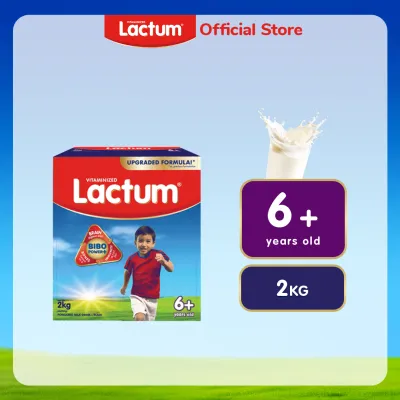
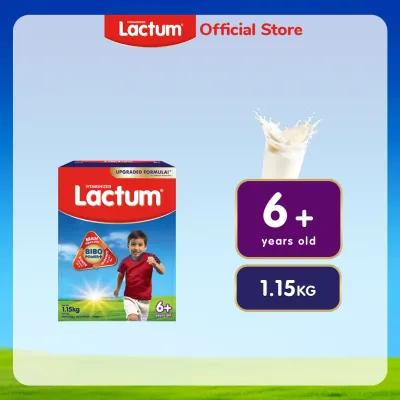
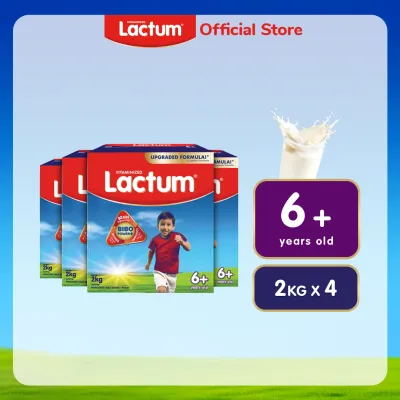
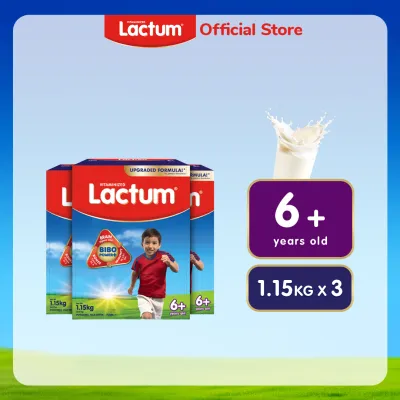
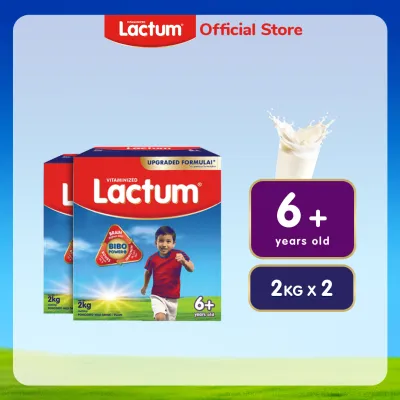

Prices are valid at publication and may change. Please refer to the product page for the latest price.
Nutritional Profiles: Comparing Key Nutrients for 6-Year-Olds
When comparing growing-up milks, the nutrition facts panel on the back of the packaging is your most reliable tool. Manufacturers periodically update their formulations to reflect the latest pediatric nutrition research, meaning that packaging labels can change. Parents should always verify the current product labels at the time of purchase rather than relying on older reviews or word-of-mouth recommendations.

Macronutrients and Energy
At six years old, children are entering a highly active phase of life, balancing classroom learning with physical play. The macronutrient profile—consisting of proteins, fats, and carbohydrates—provides the structural building blocks and energy required for these daily activities.
When evaluating protein content, look at the grams per serving. Protein is essential for muscle growth, tissue repair, and overall physical development. A school-age child needs consistent protein intake to support growth spurts, but the milk’s protein level should complement, not replace, protein from solid foods like eggs, fish, and lean meats.
Fat content is another critical factor. Healthy fats are necessary for brain development and the absorption of fat-soluble vitamins such as A, D, E, and K. Compare the total fat and saturated fat levels on each label to ensure the milk provides a balanced source of energy without excessive saturated fats.
Carbohydrates provide the primary fuel for your child’s busy school days. However, the source of these carbohydrates matters. Compare the total carbohydrate grams and look closely at how much of that total comes from lactose (the natural sugar found in milk) versus added sugars, which can affect energy stability and dental health.
Calorie density, or the number of calories per prepared glass, should align with your child’s physical activity level. A highly active child who participates in sports may benefit from a more energy-dense formula, whereas a child who eats large, balanced meals may only need a lighter milk option to supplement their daily intake.
Essential Micronutrients
Micronutrients support vital physiological processes, including bone elongation, cognitive function, and immune defense. In the Philippines, nutrition labels typically display these vitamins and minerals alongside their percentage of the Recommended Energy and Nutrient Intakes (RENI), which helps you see how much of a six-year-old’s daily requirement is met by a single serving.
Calcium and Vitamin D work synergistically to support skeletal growth and dental health. Around the age of six, children begin losing their primary teeth and developing permanent teeth, making structural bone support highly critical. Look for a milk that offers a strong combination of both nutrients, as Vitamin D is necessary for the body to absorb calcium efficiently.
Iron and Zinc are vital for school performance and immune resilience. Iron is key for oxygen transport in the blood and supports cognitive focus, memory, and learning capacity in the classroom. Zinc plays a direct role in cellular growth and helps strengthen the immune system against common schoolyard germs and seasonal illnesses.
Added Sugars and Flavorings
Monitoring sugar intake is a primary concern for parents of school-aged children. Excessive consumption of added sugars can lead to dental caries, sudden energy spikes followed by behavioral crashes, and a preference for overly sweet foods that can disrupt a child’s appetite for nutritious solid meals.
To identify added sugars, read the ingredient list carefully. Ingredients are listed in descending order by weight, meaning the first few ingredients make up the majority of the product. Scan the list for terms such as sucrose, corn syrup solids, maltodextrin, glucose syrup, or fructose, which indicate added sweeteners rather than natural milk sugars.
While flavorings like vanilla or chocolate can make milk more appealing to picky eaters, they often come with higher levels of added sugar. If your child is accustomed to plain milk, prioritizing unsweetened or lightly sweetened plain options is generally better for establishing long-term healthy eating habits and protecting dental health.
Taste, Texture, and Mixability: Ensuring Your Child Drinks It
The most nutritionally advanced milk powder is of little value if your child refuses to drink it. Children at age six have highly defined taste preferences and sensory sensitivities, making flavor, texture, and mouthfeel critical factors in your purchasing decision.
Growing-up milks generally come in plain, vanilla, or chocolate flavors. Plain versions retain a more traditional, creamy dairy taste, while vanilla and chocolate options are sweeter and designed to appeal to children who dislike the natural taste of milk. Be aware that some highly fortified milks can have a subtle metallic aftertaste due to high iron content, which some children might reject.
Mixability refers to how easily the powder dissolves in water. Ideally, the powder should dissolve smoothly without leaving sticky clumps at the bottom of the glass or floating on the surface. Clumping not only makes the drink unappealing to children but also means essential nutrients are left behind in the glass.
In the tropical climate of the Philippines, high humidity can cause milk powder to absorb moisture quickly once the container is opened. This moisture absorption can lead to localized clumping inside the tin, which makes measuring scoops inaccurate and hinders dissolution. To prevent this, always store the milk in a cool, dry place, seal the container tightly immediately after use, and avoid using a wet scoop.
To evaluate mixability, test the powder in both warm and room-temperature water. While some brands dissolve easily in room-temperature water, others require lukewarm water to break down the fats and proteins smoothly. If your child prefers cold milk, it is often best to dissolve the powder in warm water first before chilling it or adding ice.
Before committing to a large, expensive tin can, employ a practical purchasing strategy. Buy the smallest available box, pouch, or single-serve sachet first. This allows you to test your child’s acceptance of the taste, evaluate how easily the powder mixes in your daily routine, and monitor their digestive response without risking financial waste.
Price and Value: How to Calculate the True Cost Per Serving
Evaluating the financial impact of a growing-up milk requires looking beyond the retail price of the package. A larger, more expensive tin may actually offer better long-term value than a smaller, cheaper box if the serving sizes and yields differ significantly.
To determine the true cost of each milk option, use a simple cost-per-serving calculation. Do not rely solely on the weight of the package, as different brands use different scoop sizes. Instead, look at the nutrition facts panel to find the “Servings Per Container” or “Servings Per Pack” value, and use the following steps:
- Identify the retail price of the specific package size you are evaluating.
- Locate the total number of servings provided in that package, as specified by the manufacturer's preparation instructions.
- Divide the total price of the package by the number of servings to find the cost per single glass of milk.
For example, if a tin costs ₱900 and contains 30 servings, the cost per serving is ₱30. If another brand costs ₱750 but only provides 20 servings due to a larger recommended scoop size, the cost per serving rises to ₱37.50, making the first option more economical despite its higher upfront price.
Next, factor in your child’s daily consumption. Most brands recommend one to two glasses of milk per day to supplement a school-aged child’s diet. Multiply your calculated cost per serving by the daily frequency, and then by 30, to project the monthly impact on your household budget. This projection helps you determine if a premium brand is financially sustainable over several months or years.
In the Philippines, purchasing channels also play a role in safety and value. Counterfeit, expired, or improperly stored milk powders pose a real risk to child health. High heat and humidity in non-air-conditioned storage facilities can degrade sensitive vitamins and alter the taste of the milk.
To ensure product safety, purchase milk only from official brand flagship stores on reputable e-commerce platforms, major established supermarkets, or leading national drugstores. When your order is delivered, immediately inspect the packaging. Check that the security seal is fully intact, ensure there are no deep punctures or heavy dents in the tin, and verify that the expiration date is clearly printed and well into the future.
Decision Framework: Matching the Milk to Your Child's Needs
To make the final choice for your six-year-old, match your family’s specific priorities, budget, and your child’s health profile against the characteristics of each milk brand.
- Choose Lactum 6+ if: You want a dependable, middle-tier growing-up milk that focuses on balanced everyday nutrition, specific digestive support, or immune-strengthening ingredients, and your child prefers its specific taste profile.
- Choose Nido FortiGrow if: You are looking for a highly accessible, budget-friendly option that supports school-age children with core nutrients for bone growth, physical energy, and general cognitive development, and your child enjoys a classic, creamy milk flavor.
- Choose Enfagrow if: Your primary focus is maximizing the intake of premium cognitive development ingredients like DHA, your child accepts the flavor, and your household budget comfortably accommodates a premium-priced product.
Before finalizing your choice, always verify your child’s physiological compatibility with standard growing-up milks. If your child has a known history of lactose intolerance, milk protein allergies, or specific metabolic conditions, standard formulas can cause adverse reactions.
In any of these situations, or if you notice persistent digestive changes after introducing a new milk, stop use immediately. Consult a pediatrician or a registered dietitian to explore specialized, lactose-free, or hypoallergenic alternatives that can safely support your child’s nutritional needs.
Frequently Asked Questions (FAQ)
Can a 6-year-old just drink regular fresh milk instead of growing-up milk?
Yes, a six-year-old can drink regular pasteurized fresh milk if they consume a diverse, well-balanced diet. Regular fresh milk is an excellent source of calcium, protein, and vitamin D. Growing-up milks are specifically fortified with additional micronutrients, such as iron, zinc, and DHA, to help fill nutritional gaps for children who are picky eaters or have dietary deficits. If your child eats a wide variety of meats, vegetables, grains, and fruits, regular fresh milk is often entirely sufficient.
How many servings of growing-up milk should a 6-year-old have per day?
Most manufacturers recommend one to two servings of growing-up milk per day for a six-year-old child. It is important to follow the serving suggestions and scoop measurements indicated on the specific product label. Giving your child more than the recommended amount can make them feel too full, which may reduce their appetite for solid meals during breakfast, lunch, or dinner, ultimately limiting their intake of varied whole foods.
What should I do if my child experiences stomach upset after switching milk brands?
If your child experiences mild stomach upset, such as gas or loose stools, when switching brands, it may be due to a sudden change in formulation. If the manufacturer’s instructions allow, you can try a gradual transition by slowly mixing the old and new milk powders over several days, gradually increasing the proportion of the new brand. However, if your child experiences severe symptoms like persistent bloating, vomiting, severe diarrhea, or skin rashes, stop using the milk immediately and consult a healthcare professional to rule out food allergies or lactose intolerance.
Community discussion
Share your experience or ask a question. Comments are reviewed before publication.