
Choosing the right milk for your three-year-old can feel like a daunting task given the wide array of choices on supermarket shelves in the Philippines. The simple truth is that the ideal formula milk depends entirely on your child’s specific nutritional gaps, their taste preferences, and your family’s monthly budget. There is no single universal option that works perfectly for every toddler, as each child has a unique dietary profile and physical development rate.
Generally, these three popular brands occupy distinct spaces in the market. Options like lactum 3 plus years old milk are formulated as a comprehensive daily nutritional supplement to support overall immunity and active play. Nido, specifically Nido 3+, is widely recognized for its focus on foundational growth, bone health, and cost-effective daily nutrition. Enfagrow, particularly Enfagrow A+ Four, positions itself at a premium level with a strong emphasis on cognitive development and brain-supporting ingredients.
Because manufacturers update their formulations periodically, parents must always verify the current Nutrition Facts label on the physical packaging before purchasing. Additionally, this guide serves as an educational resource and does not replace professional medical advice. Always consult a pediatrician or qualified healthcare professional, especially if your child has specific medical conditions, food allergies, or severe picky eating habits.
Products mentioned in this guide
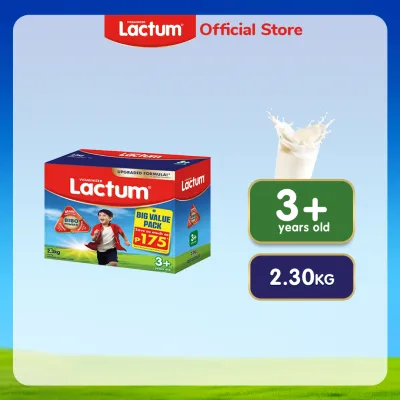
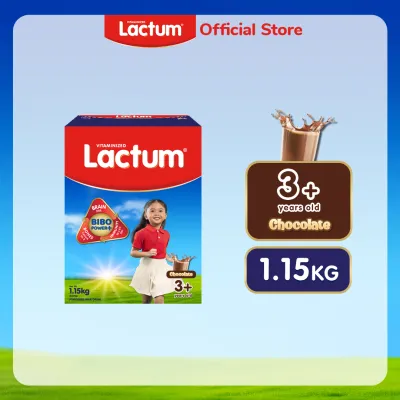
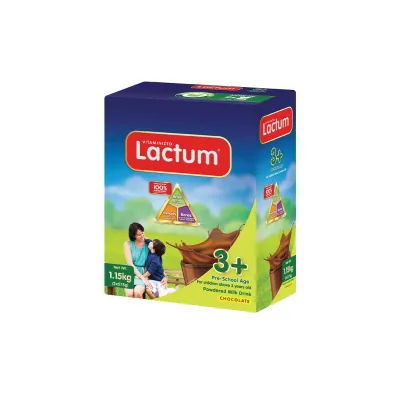
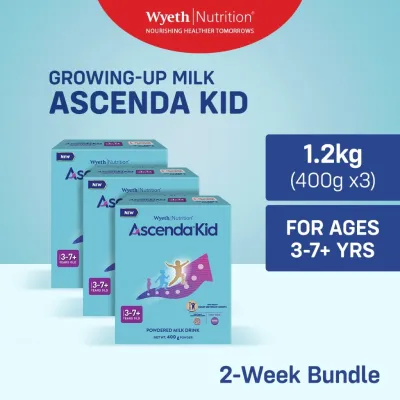
Prices are valid at publication and may change. Please refer to the product page for the latest price.
Nutritional Profiles: Comparing Lactum 3 Plus Years Old, Nido, and Enfagrow
At three years old, your child is undergoing rapid physical and cognitive changes, transitioning from a baby to an active preschooler. During this stage, milk is no longer their primary source of nourishment but rather a liquid supplement designed to fill the nutritional gaps left by solid foods. A diverse, balanced diet of solid foods must always remain the foundation of their daily nutrition, with formula acting as a supportive safety net.
When comparing these three brands, focusing on specific developmental milestones will help you decode the ingredient lists on the back of the packaging.
Brain and Eye Development
Cognitive growth is a major focus for parents as toddlers begin to explore their environments and interact with peers. To support brain and eye development, look closely at the levels of Docosahexaenoic Acid (DHA), Arachidonic Acid (ARA), and Choline on the product labels. These fatty acids and essential nutrients play key roles in supporting brain structure and visual performance.
While Enfagrow frequently highlights its high DHA content and cognitive support ingredients in its marketing, you should not rely on brand reputation alone. Take the time to compare the actual milligrams of DHA per serving listed on the current packaging of each brand, as formulations can vary. Keep in mind that your child also obtains these vital fatty acids from dietary sources like fatty fish and eggs.
Immunity and Gut Health
As three-year-olds in the Philippines start attending preschool or playing outdoors in warm, humid tropical weather, they are naturally exposed to more environmental pathogens. A robust immune system relies heavily on a healthy gut, which houses a large portion of the body’s immune cells. When evaluating formulas, search the label for prebiotics (such as oligofructose, polydextrose, or inulin), probiotics, zinc, and vitamins C and E.
Prebiotics and probiotics work together to support a balanced gut microbiome, which can help reduce the occurrence of mild digestive issues. Zinc and vitamin C are well-known for their roles in supporting cellular immunity and helping the body fight off common seasonal bugs. Both Lactum and Nido feature specific nutrient blends aimed at immune support, so check the percentages of these vitamins relative to daily recommended energy and nutrient intakes.
Bone and Muscle Growth
Your toddler’s physical frame is growing quickly, requiring steady support for bone elongation and muscle development. Calcium, vitamin D, and high-quality protein are the essential building blocks for this growth phase. Calcium is critical for developing strong bones and teeth, while vitamin D acts as the key that unlocks calcium absorption in the body.
When reviewing the labels, check whether the formula provides a significant portion of the daily calcium requirement per serving. Nido is highly regarded by many Filipino families for its emphasis on physical growth and bone development, but all three brands offer calcium-fortified options. Ensure the formula you select contains adequate vitamin D to ensure the calcium is utilized efficiently by your child’s body.
Iron and Energy
Iron is another critical nutrient during early childhood, as it is essential for oxygen transport in the blood and supports overall cognitive function and energy levels. Iron deficiency can lead to fatigue, irritability, and developmental delays. Because the human body absorbs iron more effectively when it is paired with vitamin C, look for a formula that maintains a balanced ratio of these two nutrients.
Verify the iron content on the label and assess how well it complements your child’s solid food intake. If your toddler is a picky eater who avoids iron-rich foods like red meat or dark leafy greens, choosing a formula with higher iron levels can provide valuable peace of mind.
Added Sugars
One of the most important aspects of reading a formula label is checking for added sugars, which may appear as sucrose, corn syrup solids, maltodextrin, or fructose. While these ingredients provide quick energy, high levels of added sugar can contribute to childhood tooth decay and encourage a preference for sweet foods. Establishing a preference for less sweet beverages early on is beneficial for long-term dietary habits.
Compare the ingredient lists of Lactum, Nido, and Enfagrow to identify which options contain lower amounts of added sucrose or use lactose as the primary carbohydrate source. Opting for formulas with minimal added sugars helps protect your child’s dental health and supports balanced energy levels throughout the day.
Taste, Mixability, and Toddler Acceptance
Even the most scientifically advanced, nutrient-dense formula is of no value if your child refuses to drink it. Toddlers have highly sensitive taste buds and can be remarkably stubborn when introduced to new flavors or textures. Understanding the sensory characteristics of each brand can help you make a choice that your child will actually enjoy.

Flavor Profiles
The three brands exhibit distinct taste profiles that appeal to different palates. Lactum and Enfagrow are well-known for their appealing vanilla flavors, which many toddlers find highly palatable due to their mild sweetness. This can be a double-edged sword; while it often ensures quick acceptance, it may reinforce a child’s preference for sweetened foods.
In contrast, Nido typically offers a more traditional, rich, and creamy plain milk flavor that is less sweet. If your goal is to transition your child toward regular fresh milk in the future, a plain flavor profile like Nido’s can make that transition smoother. Consider your child’s current palate and try to avoid excessively sweet options if they are already prone to preferring sugary snacks.
Mixability and Texture
The humid climate of the Philippines can affect how milk powder behaves once the tin or pouch is opened. Exposure to moisture can cause the powder to clump, which can lead to poor dissolution and an unpleasant, grainy texture at the bottom of the cup. Many toddlers will reject a glass of milk if they encounter clumps or an inconsistent texture.
To achieve a smooth mix, always follow the manufacturer’s specific instructions regarding water temperature. Generally, using lukewarm, previously boiled water is ideal for dissolving the powder completely without damaging heat-sensitive vitamins or probiotics. Avoid using boiling water, which can cause proteins to clump and degrade certain nutritional components.
Transitioning and Acceptance
If you decide to switch your child from one brand to another, avoid making the change abruptly. A sudden shift in taste, smell, or mouthfeel can trigger immediate rejection and may also cause mild digestive upset as their stomach adapts. A gradual transition plan is the most effective way to introduce a new formula.
Start by mixing the old and new milk powders in the same cup. For the first two days, use a ratio of 75% of the old formula and 25% of the new formula. If your child accepts this, move to a 50/50 split for the next two days, followed by a 25% old and 75% new ratio. By the seventh day, you can safely serve 100% of the new formula. Serving the milk at your child’s preferred temperature—whether slightly warm or lightly chilled—can also help ease the transition.
Evaluating Price and Value in the Philippines
Managing household expenses is a priority for Filipino families, and formula milk can represent a significant portion of the monthly grocery budget. However, evaluating the true cost of formula requires looking beyond the retail price printed on the shelf label.
Cost Per Serving Calculation
To determine which brand offers the best financial value, you must calculate the cost per serving rather than comparing container prices directly. A larger tin may have a higher upfront cost but could contain more servings, making it cheaper in the long run.
To perform this calculation, locate the “Nutrition Facts” panel on the back of the packaging and find the total number of suggested servings per container. Divide the retail price of the package by this number of servings. This will give you the precise cost of a single glass of milk, allowing you to make an accurate, head-to-head financial comparison between Lactum, Nido, and Enfagrow.
Packaging Sizes and Trade-Offs
These brands are widely available across the Philippines in a variety of packaging sizes, ranging from single-use sachets and small 150g boxes to mid-sized 400g pouches and large 1.2kg or 1.6kg tins. Each size serves a specific purpose in your purchasing strategy.
If you are introducing a new brand to your toddler, it is wise to purchase the smallest size available, such as a sachet or a 150g box. This minimizes financial waste if your child ultimately rejects the taste or experiences digestive discomfort. Once you are confident that your child accepts the milk and digests it well, purchasing the largest bulk sizes or multi-packs will yield the lowest cost per gram and save you money over time.
Where to Buy Safely
With the rise of online shopping, ensuring the authenticity of your child’s formula milk is more critical than ever. Counterfeit or improperly stored milk powders pose severe health risks to young children. Always purchase your formula from established supermarkets, reputable pharmacy chains, or official brand flagship stores on recognized online marketplaces.
Be highly cautious when browsing third-party sellers on online platforms. If a seller offers a popular brand at a price that seems too good to be true, it may be counterfeit, expired, or stored in poor conditions that compromise its safety. Prioritize your child’s health by sticking to authorized retail channels.
Promotions and Subscriptions
You can maximize your budget by taking advantage of official promotional events, bundle deals, and loyalty programs. Many official online flagship stores offer discounts during monthly double-digit sales or provide free shipping vouchers.
Additionally, some online platforms and supermarkets offer subscription services that deliver your chosen formula on a recurring schedule at a discounted rate. When purchasing promotional bundles, always check the expiration dates to ensure your child can safely consume all the milk before it expires.
Decision Framework: Matching the Milk to Your Child's Needs
To make a final decision, it helps to align each brand’s specific strengths with your child’s developmental needs, taste preferences, and your family’s budget. Use this conditional framework to guide your choice.
Choose Lactum 3+ if:
Your child is an active toddler who eats a reasonably diverse diet but needs a well-rounded daily nutritional safety net to support overall immunity and daily play. Lactum 3+ is an excellent option if your child prefers a balanced, familiar vanilla flavor and you want a trusted brand that offers a good balance of essential vitamins and minerals without a premium price tag.
Choose Nido if:
Your primary focus is on supporting robust physical growth, bone strength, and general development, and you prefer a widely accessible, highly cost-effective option. Nido is ideal for families looking for a creamy, classic, less-sweet milk flavor that fits comfortably within a moderate budget, especially for toddlers who already eat a wide variety of solid foods.
Choose Enfagrow if:
You want to prioritize ingredients specifically marketed for brain development and cognitive support, such as higher levels of DHA, as your child enters a highly stimulating preschool environment. This brand is suitable for parents who are comfortable paying a premium price for a specialized nutritional profile focused on cognitive milestones.
Verify First / Neither May Fit if:
Your child has a diagnosed cow’s milk protein allergy, lactose intolerance, or other specific metabolic conditions. Standard growing-up formulas are not suitable for children with these medical needs. If your child exhibits symptoms of intolerance—such as chronic diarrhea, vomiting, skin rashes, or severe abdominal pain—you must stop using these formulas immediately. Consult a pediatrician or a pediatric gastroenterologist, who can recommend a specialized hypoallergenic, lactose-free, or amino acid-based formula tailored to your child’s specific medical requirements.
Milk Is a Supplement, Not a Meal
Regardless of which brand you select, always remember that at three years old, milk is a supplement to, not a replacement for, solid foods. Your child should obtain the vast majority of their daily calories, fiber, iron, and other essential nutrients from a balanced diet consisting of meats, fish, vegetables, fruits, and whole grains. Relying too heavily on milk can lead to poor eating habits and nutritional deficiencies.
Frequently Asked Questions (FAQ)
Is it safe to switch between these formula brands?
Yes, switching between these formula brands is generally safe for healthy three-year-olds who do not have underlying medical conditions or food allergies. However, a sudden switch can sometimes cause temporary, mild digestive adjustments, such as changes in stool consistency, mild gas, or temporary fussiness, as your child’s digestive system adapts to a new blend of ingredients. To minimize tummy discomfort, transition gradually over a period of 5 to 7 days by mixing the old and new formulas in shifting ratios. Monitor your child closely during this period; if you notice persistent diarrhea, vomiting, skin rashes, or extreme discomfort, stop the transition immediately and consult your pediatrician.
How many glasses of milk should a 3-year-old drink daily?
According to general pediatric guidelines, toddlers aged 2 to 3 years old typically need about 2 cups of milk per day, which equates to approximately 400 to 500 milliliters. It is important not to exceed this amount, as overconsuming milk can fill up your toddler’s small stomach, leaving them with little to no appetite for solid foods during meal times. This can lead to nutritional imbalances, particularly iron deficiency, since milk is low in iron and can displace iron-rich foods like meat, beans, and leafy green vegetables in their diet. Always prioritize solid meals and use milk as a supportive supplement to their daily intake.
Community discussion
Share your experience or ask a question. Comments are reviewed before publication.