
Choosing the right milk for your growing toddler is a frequent decision for parents navigating the transition from infancy to early childhood. In the Philippines, the milk aisle presents a vast array of options, with Lactum 3 Plus, Nido, and Enfagrow standing out as three of the most popular choices. Deciding among them requires balancing your child’s specific developmental needs, their daily diet, and your family’s monthly grocery budget.
The ideal formula for your household depends entirely on your child’s exact age, their unique nutritional gaps, and what you are comfortable spending. As a quick guide, Lactum 3 Plus is a suitable choice if you are looking for a budget-friendly option tailored for active, preschool-aged children. Enfagrow is highly appropriate if you want to prioritize specific brain-development nutrients like DHA and are comfortable with a higher price point. Nido serves as an accessible, fortified milk drink ideal for older toddlers who already eat a diverse range of solid foods.
Before making any changes to your child’s diet, always consult a pediatrician. This step is critical if your child has a history of eczema, asthma, food allergies, or sensitive digestion. A medical professional can help ensure that any new milk you introduce aligns perfectly with your child’s health profile.
Products mentioned in this guide
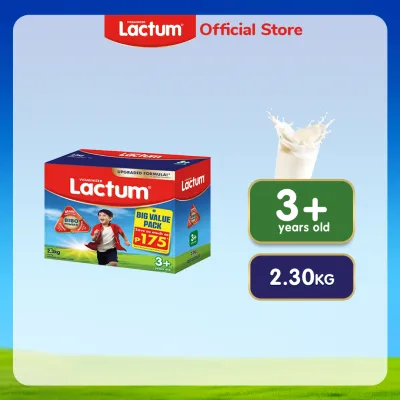
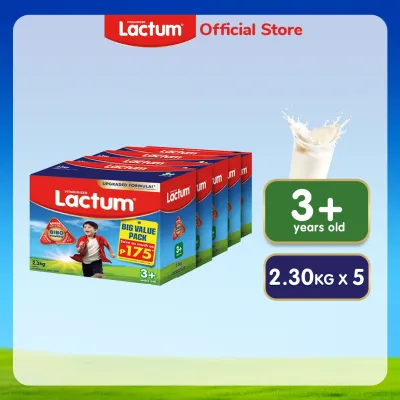
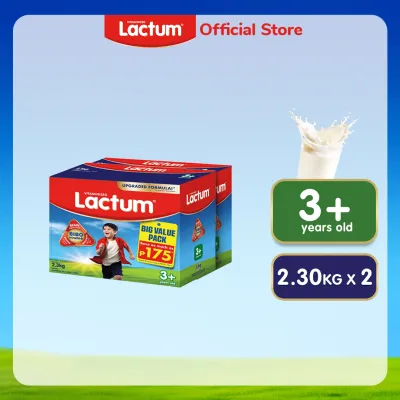
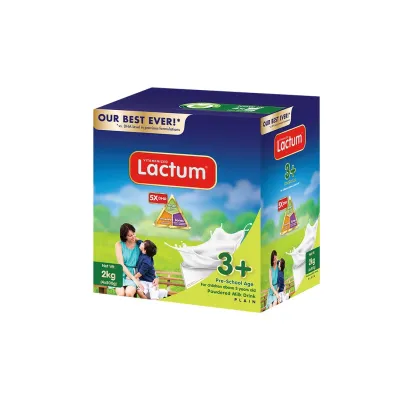

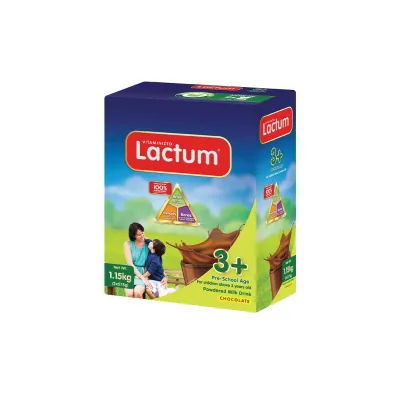
Prices are valid at publication and may change. Please refer to the product page for the latest price.
Nutritional Focus: Comparing Key Ingredients
Understanding what goes into your child’s milk tin is crucial for supporting their rapid physical and mental development. While marketing campaigns highlight various health benefits, the nutrition facts panel on the back of the packaging remains your most reliable source of truth.
Brain and Eye Development
When reviewing formula labels for cognitive support, key nutrients to look for include Docosahexaenoic Acid (DHA), Arachidonic Acid (ARA), and Lutein. DHA is an omega-3 fatty acid crucial for brain development and visual acuity during early childhood. Enfagrow is widely recognized for its strong emphasis on DHA content, often positioning this nutrient at the center of its formulation. Lactum 3 Plus and Nido also contain essential fatty acids and brain-support nutrients, though the specific levels and sources can vary. Because manufacturers frequently update their recipes to reflect new pediatric research, always check the current packaging to compare the exact milligrams of DHA per serving.
Immune System Support
A toddler’s immune system is constantly challenged as they explore their environment, making protective nutrients highly important. Look closely at the label for prebiotics like fructooligosaccharides (FOS), galactooligosaccharides (GOS), or polydextrose, which feed the beneficial bacteria in your child’s gut. Additionally, check for robust levels of Vitamin C, Vitamin E, Zinc, and Selenium, which play vital roles in cellular defense. Brands like Lactum 3 Plus emphasize a blend of immune-supporting nutrients designed to keep active preschoolers healthy. Meanwhile, Nido formulations often highlight specific probiotic strains or fortified vitamin mixes aimed at building a strong daily defense system.
Bone and Muscle Growth
The rapid growth spurts of toddlerhood require a steady supply of structural building blocks. Calcium and Vitamin D work synergistically to build strong bones and teeth, while high-quality protein supports muscle development. When comparing these three brands, verify how their nutritional values align with the daily dietary requirements recommended by local food and drug administration guidelines. Some brands may offer higher protein concentrations, while others focus on optimizing the Calcium-to-Phosphorus ratio for better absorption. Ensure the milk you select complements the protein and calcium your child already gets from solid foods like fish, eggs, and tofu.
Sugar and Sweeteners
The source of sweetness in toddler milk is a growing concern for parents focused on long-term dental health and establishing healthy eating habits. Natural milk sugar, or lactose, is the preferred carbohydrate source for young children as it provides steady energy without excessively spiking blood sugar. Some commercial toddler milks may use added sugars such as sucrose, corn syrup solids, or maltodextrose to enhance flavor and mixability. Carefully read the ingredient list on the tin; ingredients are listed in descending order of weight. Choosing a formula with minimal or no added sucrose can help protect your child’s developing teeth from cavities and prevent them from developing an intense preference for overly sweet foods.
Age Appropriateness and Formula Stages
Toddler milks are carefully calibrated to meet the changing metabolic and physiological demands of different childhood stages. Feeding your child a formula meant for a different age bracket can lead to nutritional imbalances or put unnecessary strain on their developing kidneys.

Lactum 3 Plus
This specific formulation is primarily positioned for preschoolers, typically covering children from 3 to 6 years of age. At this stage, children are often entering preschool or daycare, exposing them to more physical activity and a wider variety of environmental germs. The nutritional profile of Lactum 3 Plus shifts to support this active lifestyle, focusing heavily on sustained energy release and robust immune defenses. It is designed to act as a nutritional safety net for kids who might become selective or picky eaters as they assert their independence.
Nido (1+ and 3+)
The Nido product line is divided into clear age-specific stages to cater to different developmental milestones. Nido 1+ is formulated for toddlers aged 1 to 3 years, focusing on gut health and early physical growth during the transition from infant formula or breastmilk. Nido 3+ is tailored for children aged 3 to 5 years, offering a fortified milk drink that supports cognitive development and physical activity. It is important to view Nido as a fortified milk supplement designed to accompany a balanced diet of solid foods, rather than a primary source of liquid nutrition.
Enfagrow (A+ 3 and 4)
Enfagrow structures its toddler nutrition through a progressive step system designed to match precise developmental phases. Enfagrow Step 3 is formulated for toddlers aged 1 to 3 years, prioritizing rapid brain growth and early motor skill development. Enfagrow Step 4 is designed for children aged 3 years and older, supporting advanced cognitive tasks, social-emotional learning, and preschool readiness. This structured approach allows parents to transition smoothly between stages as their child’s cognitive and physical milestones evolve.
Actionable Advice for Parents
Always adhere strictly to the age recommendations printed clearly on the front of the tin. Do not transition your child to a higher-stage milk early simply because they seem physically large or active. Similarly, avoid mixing different stages or brands in the same preparation, as this can disrupt the carefully calculated balance of nutrients. If you feel your child is ready to transition to a different stage or brand, consult your pediatrician to plan a safe and gradual switch.
Taste, Mixability, and Digestive Tolerance
Even a nutritionally complete formula is of no use if your child refuses to drink it or experiences digestive discomfort afterward. Practical, day-to-day usability is a major factor in finding the right long-term option.
Taste Profiles
Children have highly sensitive palates, and their flavor preferences can dictate which milk they accept. Enfagrow and Lactum 3 Plus are known for their appealing vanilla flavors, which many toddlers find highly palatable and comforting. Nido generally offers a more classic, creamy, and slightly sweet milk flavor that closely resembles fresh milk. Because tastes vary, purchase small trial packs or sachets before investing in large tins to prevent waste.
Mixability
Preparing milk quickly is essential, especially during busy mornings or late-night feedings. Some powders dissolve instantly in lukewarm water, while others require vigorous shaking and may leave stubborn clumps at the bottom of the bottle. Always use the exact water temperature recommended on the label to ensure smooth mixability and preserve heat-sensitive nutrients. In the warm and highly humid climate of the Philippines, milk powder can quickly absorb airborne moisture. Always store your opened tins in a cool, dry pantry—never in the refrigerator unless specifically instructed—and ensure the lid is sealed airtight after every use to prevent clumping and spoilage.
Digestive Tolerance
When introducing a new milk brand, closely monitor your child for physical signs of digestive distress. Watch for symptoms such as unusual bloating, excessive gas, abdominal pain, sudden changes in stool consistency (such as severe constipation or watery diarrhea), or unexplained fussiness after feeding. A normal adjustment period takes a few days, but persistent discomfort suggests the formula does not suit your child. Keep in mind that standard commercial toddler milks are not suitable for children with diagnosed lactose intolerance or cow’s milk protein allergies. If you suspect an allergy or severe intolerance, stop using the product immediately and seek a pediatrician’s guidance regarding specialized hypoallergenic formulas.
Evaluating Price and Value for Your Budget
Providing consistent nutrition for your child is a long-term commitment, making the ongoing cost of toddler milk a major consideration for many Filipino households. Evaluating the true economic value of a formula requires looking beyond the price tag on the shelf.
Cost Per Serving Calculation
Calculate the cost per serving rather than comparing upfront tin prices to understand the actual impact on your monthly budget. Divide the total price of the tin by the number of servings it contains. To find the number of servings, check the nutrition panel for the total net weight of the powder and the recommended weight per scoop. Keep in mind that scoop sizes and the number of scoops required per glass vary significantly between Lactum 3 Plus, Nido, and Enfagrow. A cheaper tin with a larger recommended serving size may actually cost more per glass than a slightly more expensive tin with a highly concentrated formula.
Packaging Options
Most brands offer multiple packaging options to suit different budgets and purchasing habits. Large tins or bulk cardboard box bundles generally offer the lowest cost per gram, making them the most economical choice for daily, long-term use. On the other hand, smaller boxes, foil pouches, or single-use sachets are highly convenient for travel and serve as low-risk options when testing a new brand. If you are on a tight weekly budget, purchasing smaller pouches can help manage cash flow, even if the cost per gram is slightly higher than buying in bulk.
Promotions and Authenticity
Look for legitimate sales, discount vouchers, and bundle deals from authorized retailers to maximize savings. Many parents prefer shopping on official brand flagship stores or authorized e-commerce platforms to take advantage of seasonal promotions. When buying online, always prioritize safety and authenticity over the lowest price. Counterfeit or improperly stored milk powder can pose severe health risks to your child. Verify that the seller has an official brand store badge, read recent customer reviews carefully, and inspect the packaging upon delivery for intact safety seals and clear expiration dates.
Final Decision Framework: Matching Formula to Your Child
Choosing between these three reputable brands ultimately comes down to identifying which product matches your child’s specific developmental stage and your family’s practical needs.
Choose Lactum 3 Plus if:
Your child is in the preschool stage (typically 3 years and older) and requires a balanced, everyday nutritional supplement to support their active lifestyle. This option is ideal if you want a reliable, immune-supporting formula that fits comfortably within a moderate monthly grocery budget without sacrificing essential nutrients.
Choose Nido if:
You are looking for a highly accessible, cost-effective, and creamy fortified milk drink for a toddler or preschooler who is already eating a well-rounded diet of solid foods. Nido is excellent for providing a general nutritional safety net, offering essential vitamins and minerals to complement daily meals.
Choose Enfagrow if:
You wish to place a strong emphasis on early brain development and cognitive support, particularly through targeted levels of DHA. This premium option is best suited for parents who are comfortable with a higher price point and whose children prefer its specific taste and structured developmental stages.
Verify First if:
Your child has a known medical condition, sensitive stomach, or a family history of allergies, eczema, or asthma. In these scenarios, standard commercial toddler milks may not be appropriate. Always prioritize a clinical assessment by a qualified pediatrician before introducing or switching any formula products.
Frequently Asked Questions (FAQ)
Can I mix two different formula brands in one bottle?
You should avoid mixing different formula brands or stages in a single bottle. Each brand is formulated with a precise balance of nutrients, and mixing them can alter the concentration of essential vitamins and minerals. Furthermore, different brands use different scoop sizes and water-to-powder ratios. Combining them makes it highly difficult to measure the preparation accurately, which can lead to accidental overfeeding, underfeeding, or digestive strain for your toddler.
How long can I keep prepared toddler formula at room temperature?
As a general food safety rule, prepared toddler formula should not be kept at room temperature for more than 1 to 2 hours. In the warm and humid climate of the Philippines, bacteria can multiply rapidly in warm milk, increasing the risk of foodborne illness. If your child has already started drinking from the bottle, discard any remaining milk within 1 hour, as bacteria from their saliva can contaminate the liquid. Always consult the specific preparation and storage instructions printed on your product’s tin for precise safety guidelines.
Is it necessary to give my toddler formula if they eat solid foods well?
Toddler formulas and fortified milks are designed as dietary supplements, not as replacements for wholesome solid foods. If your child eats a diverse, well-balanced diet consisting of fruits, vegetables, proteins, grains, and healthy fats, they may not strictly require formula. However, many parents find these milks useful for filling minor nutritional gaps, especially during phases of picky eating. Consult your pediatrician or a registered dietitian to evaluate your child’s specific dietary intake and determine if a fortified milk supplement is necessary.
Community discussion
Share your experience or ask a question. Comments are reviewed before publication.