
Choosing the right toddler formula for your growing child is one of the most frequent decisions parents in the Philippines face. As children transition from infant formula or breast milk to stage 3 toddler milk, their nutritional needs shift to complement a diet of solid foods. With popular options like Lactum 3 Plus Plain, Nido, NAN, and Enfagrow lining supermarket shelves, finding the formula that balances nutritional value, taste acceptance, and household budget requires a close look at what is actually inside each tin.
The decision ultimately depends on your child’s specific digestive tolerance, your preference regarding added sugars, and how you evaluate the cost per serving. While some brands focus heavily on cognitive development ingredients, others prioritize digestive comfort or straightforward, unflavored nutrition. By learning how to decode nutritional labels and calculate the actual cost per feed, you can make an informed choice that supports your toddler’s growth without overstretching your family budget.
Understanding the Contenders: Brand Positioning and Core Focus
Every toddler formula brand on the market designs its product with a specific nutritional philosophy and target audience in mind. Understanding these distinct brand positions helps you set realistic expectations before comparing specific ingredient lists and nutritional panels.
Products mentioned in this guide
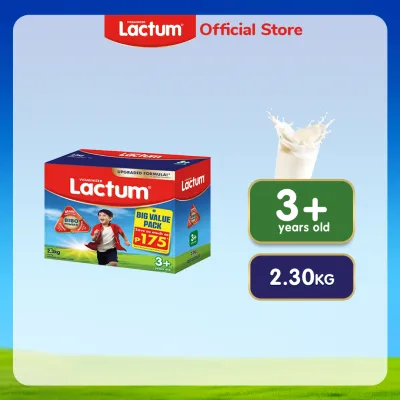
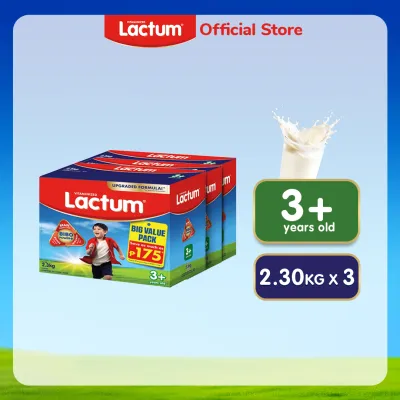
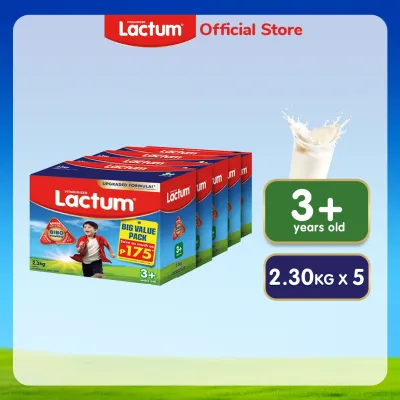
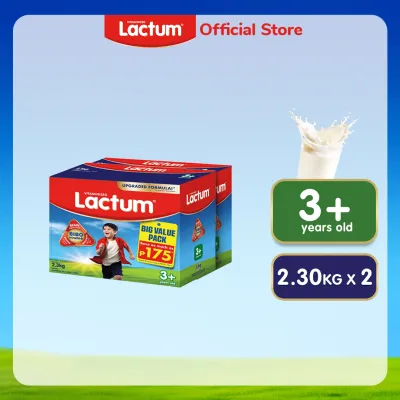
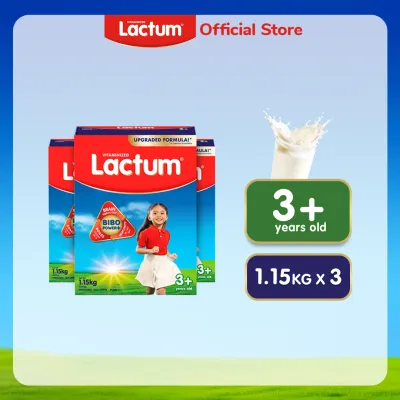
![[LAZ EXCLUSIVE] Lactum 3+ Plain Powdered Milk Supplement Drink for Children 3+ Years Old 13.8kg (2.3kg x 6)](https://img.lazcdn.com/g/p/3836595092b27440da246aa42d0c6675.jpg_400x400q80.jpg_.webp)
Prices are valid at publication and may change. Please refer to the product page for the latest price.
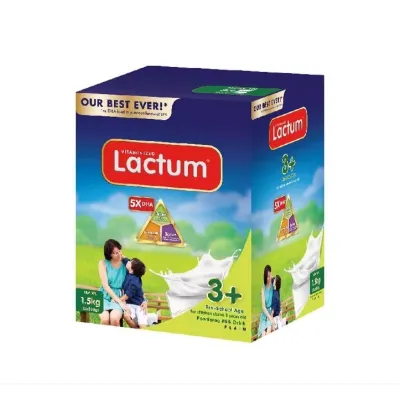
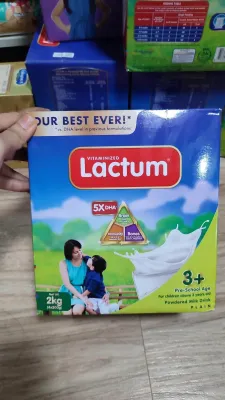
Lactum 3 Plus Plain is widely recognized for its straightforward approach to toddler nutrition. Its primary positioning centers on providing an unflavored, plain milk option that delivers essential nutrients without the addition of sucrose or artificial flavorings. This makes it a popular choice for parents who want to establish healthy eating habits early by avoiding highly sweetened beverages. It serves as a practical, baseline nutritional supplement to a toddler’s daily solid food intake.
Nido is a long-standing household name in the Philippines, traditionally associated with family milk and growing-up nutrition. In the toddler category, its products are often positioned around overall growth, physical development, and immune support. When evaluating Nido, it is essential to check the specific packaging labels carefully, as the brand offers various formulations tailored to different age brackets, some of which may contain different flavoring profiles or sweetening agents.
NAN, produced by Nestlé, is generally positioned in the premium segment with a strong emphasis on pediatric science and digestive health. The brand frequently highlights its research into protein quality and specialized prebiotic or probiotic blends designed to support a healthy gut. Parents who choose NAN are often looking for formulas that prioritize easy digestion and comfort, particularly for toddlers with sensitive stomachs or those prone to minor digestive issues.
Enfagrow, manufactured by Mead Johnson, positions itself as a premium brand with a heavy focus on cognitive development and brain nutrition. Its marketing and product labeling consistently emphasize ingredients like DHA and other brain-support nutrients. While it is highly regarded by parents focusing on cognitive milestones, it is important to verify the exact declared amounts of these nutrients on the label to understand how they compare to other options on the shelf.
Key Label Checks: Nutrients, Ingredients, and Additives
To move past marketing claims, parents must become proficient at reading the nutritional information panel and the ingredient list on the back of the packaging. This is the only way to verify what your child is actually consuming per serving.

When comparing essential micronutrients, look closely at the declared levels of Iron, Calcium, and Vitamin D. These three nutrients are critical for toddlers in the Philippines, where nutritional gaps in solid foods can sometimes occur. Compare these values based on a standardized serving size (such as per 100ml of prepared milk or per single serving) rather than the total weight of the package, as scoop sizes and preparation instructions vary significantly between brands.
For cognitive and immune support, locate the specific lines for DHA (Docosahexaenoic Acid), ARA (Arachidonic Acid), and prebiotics like FOS (Fructooligosaccharides) or GOS (Galactooligosaccharides). While Enfagrow is well-known for its focus on DHA, you might find that other brands also contain comparable amounts of these fatty acids. Check the ingredient list to see if these nutrients are derived from high-quality sources and note whether specific probiotic strains, such as Bifidobacterium lactis, are explicitly listed and guaranteed at the time of consumption.
One of the most critical aspects of the label check is identifying added sugars and flavorings. Lactum 3 Plus Plain distinguishes itself by omitting added sucrose, offering a neutral, natural milk taste. When examining other brands, look at the ingredient list for terms like sucrose, corn syrup solids, maltodextrin, or artificial vanilla flavorings. Ingredients are listed in descending order of weight, so if a sweetener appears near the top of the list, it indicates a higher concentration of added sugars, which may impact your toddler’s long-term taste preferences and dental health.
Taste, Mixability, and Toddler Acceptance
Even the most nutritionally advanced formula is only beneficial if your toddler is willing to drink it. Transitioning between brands or moving from a flavored milk to a plain option requires patience and careful observation of your child’s reactions.
Choosing an unflavored option like Lactum 3 Plus Plain offers significant long-term benefits by preventing a preference for overly sweet tastes. However, if your toddler is already accustomed to sweet, vanilla-flavored formulas, transitioning to a plain profile can sometimes result in initial rejection. To ease this transition, you can gradually introduce the plain formula by mixing it in small ratios with their current milk, slowly increasing the proportion of the plain formula over a week or two until they accept the natural taste.
Mixability is another practical factor that affects daily preparation, especially in the warm and humid climate of the Philippines. High humidity can cause milk powder to absorb moisture quickly once the container is opened, leading to clumping. Observe how easily the powder dissolves in lukewarm water; formulas that clump excessively can clog bottle nipples or leave residue at the bottom of the cup, which may frustrate your toddler and lead to incomplete feeds.
As you introduce a new formula, closely monitor your toddler’s digestive response. It is entirely normal to observe mild, temporary changes in stool consistency, color, or frequency during the first few days of a transition as the gut microbiota adapts to a new protein or prebiotic blend. These minor adjustments usually resolve on their own without intervention.
However, parents must know when to stop using a formula and seek professional medical advice. If your toddler experiences persistent diarrhea, frequent vomiting, severe constipation, unexplained skin rashes, hives, or signs of abdominal pain such as excessive crying after feeding, stop the formula immediately. These symptoms could indicate an underlying cow’s milk protein allergy or severe intolerance, requiring a specialized diagnostic evaluation by a pediatrician.
Cost, Availability, and Value Evaluation
Managing household expenses is a priority for most families, making it essential to evaluate the true financial value of each toddler formula rather than simply looking at the retail price of the box or tin.
To calculate the true cost per serving, do not rely on the price tag alone. Instead, look at the net weight of the package and the manufacturer’s preparation instructions. First, determine the weight of a single serving by multiplying the weight of one scoop (usually listed in grams on the label) by the number of scoops required for one feed. Next, divide the total net weight of the package by the single serving weight to find the total number of servings per container. Finally, divide the retail price of the package by the total number of servings to find the exact cost per feed (₱ per serving). This calculation often reveals that larger packaging sizes or specific brands offer much better long-term value.
| Formula Brand & Variant | Primary Packaging Formats | Key Storage Requirements in Tropical Climates |
|---|---|---|
| Lactum 3 Plus Plain | Tin cans, cardboard boxes with foil pouches | Must transfer pouch contents to an airtight container; store in a cool, dry pantry away from ants. |
| Nido (Toddler variants) | Tin cans, soft plastic refill packs | Seal refill packs tightly with clips or transfer to clean, dry tins to prevent moisture absorption. |
| NAN | Primarily metal tin cans with plastic lids | Ensure the plastic lid is pressed down firmly after every use to protect the premium powder from humidity. |
| Enfagrow | Tin cans, cardboard boxes with foil pouches | Keep foil pouches tightly sealed; avoid storing near heat sources like stoves or refrigerators. |
Packaging formats also play a significant role in both cost and storage. Purchasing cardboard boxes containing foil refill pouches is generally more economical than buying metal tin cans. However, in the tropical climate of the Philippines, storing refill pouches requires extra care. Once a foil pouch is opened, the powder is highly susceptible to humidity, clumping, and pests like ants. It is highly recommended to transfer the opened pouch, or the entire foil bag, into a clean, dry, airtight tin can or glass jar to preserve its freshness and prevent spoilage.
To ensure product safety and authenticity, always purchase toddler formula through authorized and safe channels. Counterfeit milk powders can pose severe health risks to your child. Buy directly from official brand stores on reputable ecommerce platforms, or from established physical supermarkets and pharmacies. Avoid purchasing from unauthorized third-party sellers offering unusually low prices, as these products may be expired, improperly stored, or counterfeit.
Decision Framework: Which Formula Fits Your Toddler?
To make the final decision, align the unique characteristics of each brand with your household priorities, your toddler’s health needs, and your budget.
- Choose Lactum 3 Plus Plain if: Your primary goal is to avoid added sugars and establish healthy, low-sweetness dietary habits for your child. This option is ideal for parents seeking a straightforward, reliable nutritional baseline at a practical price point, without paying extra for specialized digestive or cognitive additives.
- Choose Nido if: Your toddler prefers a specific taste profile, accepts growing-up milk formulations readily, and you are looking for a highly accessible, widely available brand that fits comfortably within a standard household budget. Always verify the exact age-stage labeling on the packaging before purchasing.
- Choose NAN if: Your toddler has a sensitive digestive system and you want to explore premium formulations that focus specifically on digestive comfort, protein quality, and active probiotic cultures. Ensure you verify the specific probiotic strains and digestive claims on the label.
- Choose Enfagrow if: You want to prioritize a formula with a strong emphasis on declared DHA levels and cognitive support nutrients, provided your toddler accepts the taste and the cost per serving fits sustainably into your monthly family budget.
- Verify first if: Your child has a known medical condition, lactose intolerance, or a suspected cow's milk protein allergy. In any of these situations, do not attempt to transition between standard commercial formulas on your own. Pause your comparison and consult a pediatrician for a specialized, medically supervised formula recommendation.
Frequently Asked Questions (FAQ)
Can I mix two different brands of toddler formula together?
Mixing dry powders from different brands in the same bottle is not recommended. Each manufacturer designs its formula with a precise balance of nutrients, scoop sizes, and water-to-powder ratios to ensure proper osmolarity and safe digestion. Combining different powders can disrupt this delicate balance, potentially leading to concentrated feeds that strain your toddler’s kidneys or diluted feeds that do not provide adequate nutrition.
If you are transitioning your toddler from one brand to another, the safest method is to swap entire feeds gradually. For example, replace one daily feed with the new brand for a couple of days, then progress to replacing two feeds, until the transition is complete. This gradual method allows you to monitor your child’s digestive tolerance and taste acceptance safely.
How long can I keep prepared toddler formula at room temperature?
As a general food safety rule, prepared toddler formula should not be left at room temperature for more than one to two hours. In the warm and humid climate of the Philippines, bacteria can multiply rapidly in prepared milk, increasing the risk of foodborne illness. Always check the specific preparation and storage instructions printed on your brand’s packaging, as some formulations may have stricter time limits.
If your toddler has already started drinking from a bottle or cup, any leftover milk must be discarded within one hour. Saliva introduces bacteria into the milk, which can grow quickly even if the container is placed in the refrigerator. To minimize waste, prepare only the amount of milk you know your toddler will consume in a single feeding.

Community discussion
Share your experience or ask a question. Comments are reviewed before publication.