
Choosing the right chocolate formula milk for your toddler in the Philippines is not about finding a single, universally superior brand. Instead, the ideal choice among Lactum 3 Chocolate, Nido FortiGrow, and Enfagrow A+ depends entirely on your child’s specific nutritional needs, their taste preferences, and your household budget. While all three brands are popular fixtures on local supermarket shelves, they cater to different developmental priorities and feeding stages.
To make an informed decision, parents must look beyond eye-catching packaging and examine the actual product labels. By evaluating nutritional profiles, testing taste acceptance, and calculating the true cost per serving, you can identify which option aligns best with your toddler’s daily routine. This guide provides a practical, step-by-step framework to help you compare these three options objectively.
Nutritional Profiles: Comparing Key Vitamins and Minerals
When comparing Lactum 3 Chocolate, Nido FortiGrow, and Enfagrow A+, the Nutrition Facts panel is your most reliable tool. Toddlers aged one to three years undergo rapid physical and cognitive development, requiring a steady intake of essential macronutrients and micronutrients. As you inspect the labels, pay close attention to the levels of protein, calcium, iron, and zinc, which support bone growth, oxygen transport, and immune function.
Products mentioned in this guide
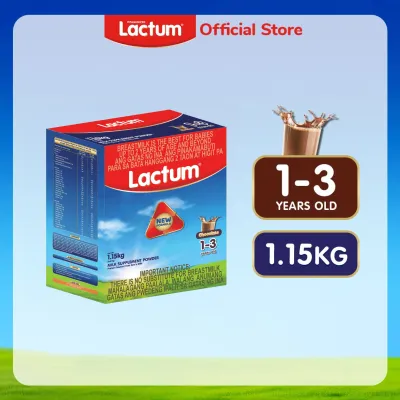
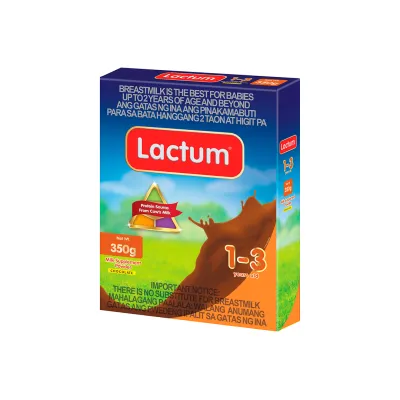
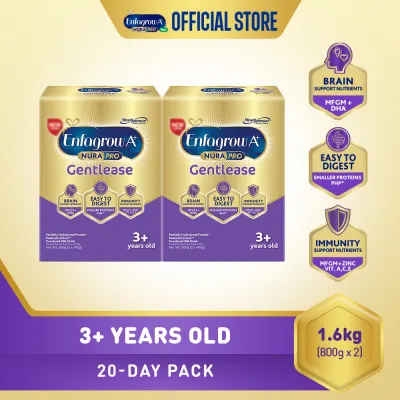

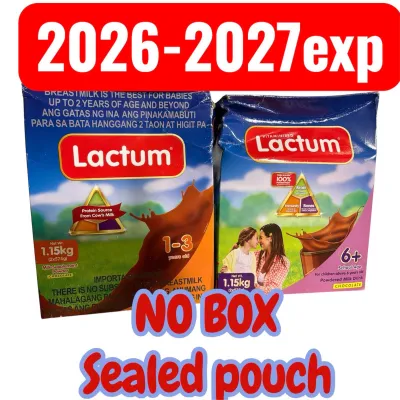
Prices are valid at publication and may change. Please refer to the product page for the latest price.
Because these are chocolate-flavored formulas, managing daily sugar intake is a key consideration for parents. Turn the package over and read the ingredients list carefully to identify added sugars, which may appear as sucrose, corn syrup solids, or maltodextrin. While cocoa powder provides the beloved chocolate flavor, the accompanying sweeteners vary significantly between brands. Comparing the total carbohydrates and sugar content per serving helps you manage your child’s overall sugar consumption alongside their solid meals.
Additionally, always verify the recommended serving size and the specific scoop count listed in the preparation instructions. A brand that appears to offer higher amounts of vitamins or minerals per serving might simply require a larger scoop or more powder per glass. To make an accurate comparison, calculate the nutrient density per gram of powder rather than relying solely on the per-serving values printed on the box.
Taste Acceptance and Mixability for Toddlers
A formula can have an outstanding nutritional profile, but it serves no purpose if your toddler refuses to drink it. Chocolate toddler milks vary in their sweetness levels and cocoa intensity. Some brands lean toward a richer, more traditional cocoa flavor, while others offer a milder, sweeter profile that appeals to younger palates. Because toddlers can be highly selective, introducing a new flavor requires patience and observation.

Another practical factor to consider is how easily the powder dissolves in water. In the humid tropical climate of the Philippines, milk powder can absorb moisture quickly once the packaging is opened, leading to stubborn clumps. When preparing a bottle or cup, observe how well the powder mixes in both warm and room-temperature water. A formula that dissolves smoothly without leaving thick residue at the bottom of the cup ensures your child gets the full nutritional benefit of each serving.
To avoid wasting money on a large container that your child might reject, look for smaller packaging options first. Many local supermarkets and neighborhood stores stock small boxes, trial pouches, or single-serve sachets. Starting with these smaller formats allows you to conduct a low-risk taste test at home before committing to a larger, more expensive tin or refill pack.
Price and Value: Calculating the Cost Per Serving
For many Filipino families, managing the monthly grocery budget is just as important as nutritional content. Comparing the retail price of different milk brands can be misleading because packaging sizes and serving recommendations vary. To find the true value, you need to calculate the cost per serving rather than simply comparing the price of the boxes on the shelf.
To calculate the cost per serving, use this simple formula: divide the retail price of the package by the total net weight in grams, then multiply that number by the grams required for a single serving as indicated on the label. For example, if a 900-gram pack costs ₱600 and a single serving requires 40 grams of powder, the cost per serving is approximately ₱26.67. Performing this quick calculation reveals the actual daily expense of feeding your toddler.
The choice of packaging format also plays a significant role in long-term value. Refill pouches or cardboard boxes are generally more economical than metal tins, but they require careful handling. In humid environments, transferring powder from an opened pouch into a clean, dry, airtight container is essential to prevent spoilage and insect infestation. Keep in mind that prices can fluctuate across local supermarkets, neighborhood pharmacies, and online marketplaces, so checking current local listings is always recommended.
Side-by-Side Comparison Matrix
| Brand | Primary Protein Source | Key Fortified Nutrients to Check on Label | Available Packaging Formats | Best Suited For |
|---|---|---|---|---|
| Lactum 3 Chocolate | Cow's milk protein | Iron, Zinc, Vitamin C, Brain-development nutrients | Boxes, tins, refill pouches | Choose if looking for a widely available chocolate option with a balance of essential vitamins. |
| Nido FortiGrow | Cow's milk protein | Calcium, Vitamin D, Iron, Zinc | Pouches, tins | Choose if prioritizing school-age preparation nutrients and budget-friendly pouch options. |
| Enfagrow A+ | Cow's milk protein | DHA, Beta-Glucan, Prebiotics, Iron | Tins, boxes | Choose if prioritizing specialized brain and immune support nutrients and are comfortable with a premium price point. |
How to Choose the Right Formula for Your Child
Selecting the right formula requires balancing your child’s unique dietary needs with your practical household constraints. No single product fits every family, so a conditional decision framework can help clarify your choice.
Choose Lactum 3 Chocolate if you are looking for a widely accessible, mid-range option that focuses on essential growth nutrients like iron, zinc, and key vitamins, while offering a familiar chocolate taste that many local toddlers accept easily.
Choose Nido FortiGrow if your primary goal is school-age preparation with a strong focus on calcium and iron, and you prefer the convenience of highly affordable pouch formats that fit easily into a tight weekly budget.
Choose Enfagrow A+ if you want to prioritize specialized nutrients such as DHA and prebiotics for cognitive and digestive support, and you are comfortable investing in a premium-tier product.
Before making any final decision, always verify if your child has specific dietary sensitivities. If your toddler has a known or suspected lactose sensitivity, cow’s milk protein allergy, or chronic digestive issues, consult a pediatrician before introducing any new formula. Remember that toddler milk is designed to supplement a balanced diet of solid foods, not to replace the diverse nutrients your child should be getting from rice, vegetables, fish, and fruits.
Frequently Asked Questions (FAQ)
Is chocolate formula milk safe for a 1-year-old?
Yes, chocolate formula milk designed for toddlers aged one to three is generally safe, provided you follow the manufacturer’s age guidelines. However, because chocolate variants contain added sugars and cocoa, it is important to monitor your child’s overall daily sugar intake. Introduce these formulas gradually and maintain a consistent dental hygiene routine, brushing your toddler’s teeth after they drink milk to prevent early childhood cavities. If you have concerns about sugar or dietary habits, consult your pediatrician.
Can I mix chocolate formula with regular milk or water?
You should always mix chocolate formula milk with clean, safe water according to the exact water-to-powder ratio specified on the product packaging. Altering this ratio by adding regular milk or changing the water volume can disrupt the carefully balanced nutrient density, potentially causing digestive discomfort or dehydration. Never dilute the formula to make it last longer, and do not concentrate it in an attempt to provide more nutrients, as this can strain your toddler’s developing kidneys.
What should I do if my toddler refuses the chocolate flavor?
If your toddler rejects the chocolate flavor, try transitioning them gradually by mixing a small amount of the new chocolate formula with their familiar plain milk, slowly increasing the proportion over several days. You can also experiment with the temperature of the milk, as some children prefer it slightly warm while others like it at room temperature. If the refusal persists, do not force it; your child may simply dislike the cocoa flavor, and switching to a plain or vanilla variant of the same brand is often the easiest solution.
Community discussion
Share your experience or ask a question. Comments are reviewed before publication.