
Quick Answer: Which Formula Is Right for Your Baby?
Choosing between Lactum 1 and NAN 1 for a newborn aged 0 to 6 months is a decision that depends heavily on your baby’s unique digestive tolerance and your family’s monthly budget. Both are highly visible, established infant formulas on supermarket shelves across the Philippines, but neither can be declared a universal winner.
It is vital to remember that breast milk remains the gold standard for infant nutrition. The World Health Organization and local health authorities strongly advocate for exclusive breastfeeding during the first six months of life. When breastfeeding is not possible or needs to be supplemented, choosing an infant formula must always begin with a consultation with your pediatrician.
As you evaluate these two options, your decision-making process will center on three main pillars: the specific nutritional ingredients listed on the packaging, how well your baby digests the formula, and the long-term cost per serving. By understanding how to analyze these factors, you can make an informed choice that supports your newborn’s growth and comfort.
Products mentioned in this guide
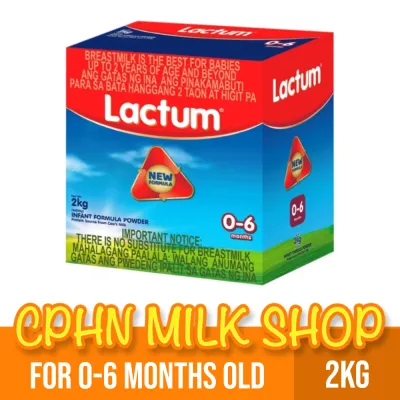
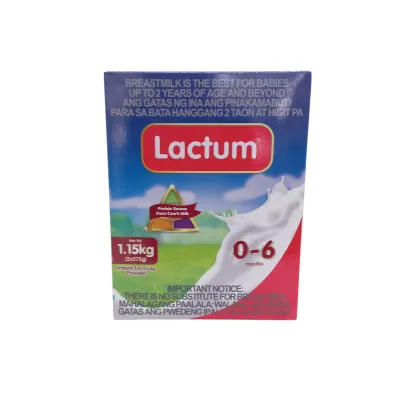

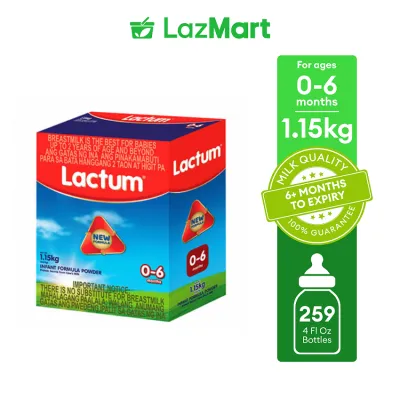
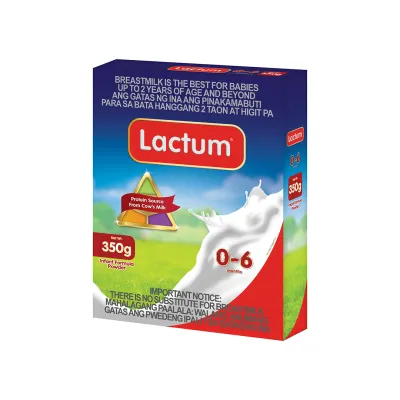
Prices are valid at publication and may change. Please refer to the product page for the latest price.
Comparing Nutritional Profiles and Key Ingredients
When comparing infant formulas for the 0-6 month stage, the nutrition facts panel on the back of the can is your most reliable tool. Because manufacturers update their formulations periodically to reflect new research, you should always verify the exact ingredient list on the physical container you plan to purchase rather than relying solely on online summaries.

One of the primary aspects to examine is the protein composition, specifically the ratio of whey to casein. Breast milk is naturally whey-dominant, especially in the early stages of lactation, because whey protein remains liquid in the stomach and is generally easier for a newborn’s immature digestive system to break down. Casein, on the other hand, forms a firmer curd in the stomach, which takes longer to digest. When looking at the labels of Lactum 1 and NAN 1, check the protein breakdown to see how closely each option aligns with this whey-to-casein balance.
Another critical category to compare is the presence of long-chain polyunsaturated fatty acids, specifically Docosahexaenoic Acid (DHA) and Arachidonic Acid (ARA). These fatty acids are highly valued for their role in supporting early brain and visual development. Look closely at the ingredient list of both cans to identify the sources of these lipids and compare the exact milligrams provided per 100 kilocalories or per 100 milliliters of prepared formula.
Prebiotics are also a key point of comparison. These non-digestible carbohydrates, often listed as galacto-oligosaccharides (GOS) or fructo-oligosaccharides (FOS), serve as food for beneficial gut bacteria. A healthy gut microbiome is essential for a newborn’s developing immune system and overall digestive comfort. Check the labels of both Lactum 1 and NAN 1 to see which specific prebiotics are included and in what concentrations.
Finally, pay close attention to the carbohydrate sources used in each formula. Lactose is the primary carbohydrate found naturally in breast milk and is highly beneficial for most healthy newborns. However, some formulations may include alternative carbohydrates or starches. Carefully read the ingredient deck to ensure there are no added sugars or ingredients that do not align with your pediatrician’s recommendations for a newborn.
Digestibility and Baby's Tolerance: What to Observe
No matter how impressive a formula’s nutritional profile appears on paper, the ultimate test of its suitability is how well your baby tolerates it. A newborn’s digestive system is highly sensitive and still developing, meaning that a formula that works perfectly for one infant might cause discomfort for another.
When introducing or transitioning to a new formula, you should monitor your baby closely for signs of positive tolerance. A baby who is digesting their formula well will typically display a relaxed posture during and after feedings, maintain a relatively consistent sleep schedule, and show steady, age-appropriate weight gain during pediatric checkups. Their bowel movements should be soft and easy to pass, without causing the baby to strain excessively.
Conversely, you must remain vigilant for signs of digestive sensitivity or intolerance. If your baby experiences excessive gas, persistent spitting up, or prolonged crying spells after feeding—often referred to as colic-like symptoms—it may indicate that the formula is not agreeing with their stomach. Changes in stool consistency, such as hard, dry stools that suggest constipation, or watery, frequent stools that indicate diarrhea, are also clear signals that require attention.
If you observe any of these signs of discomfort, or if your baby develops a skin rash, hives, or respiratory symptoms, you should stop using the formula immediately and consult your pediatrician. These symptoms could point to a cow’s milk protein allergy or another underlying sensitivity that requires a specialized or hypoallergenic formula rather than a standard intact-protein option.
Price per Serving and Availability in the Philippines
Feeding a newborn is a continuous commitment, making the ongoing cost of formula a significant factor for most Filipino households. To make an accurate financial comparison between Lactum 1 and NAN 1, you must look beyond the retail price of the can and calculate the actual cost per serving.
To calculate the cost per serving, start by checking the net weight of the tin or box (typically ranging from 350 grams to 1.2 kilograms) and the recommended scoop size specified in the preparation instructions. Use these numbers to determine how many total servings a single container will yield. Divide the retail price of the container by the number of servings to find your true cost per feed. This method ensures you are comparing the formulas on an equal footing, as scoop sizes and dilution ratios can vary between brands.
Availability is another practical consideration, especially during rainy seasons or typhoons when supply chains in the Philippines can experience disruptions. Both brands are widely distributed, but their presence can vary. You can check for stock at major local supermarkets, national drugstores, and official brand stores on reputable e-commerce platforms. Ensuring that your chosen formula is consistently available in your immediate locality prevents the stress of sudden, unplanned brand switches.
When purchasing formula online, always prioritize official flagship stores or authorized distributors to eliminate the risk of counterfeit products, which can pose severe health risks to your newborn. Additionally, remember to factor in shipping fees and look for bundle promotions or subscription discounts that can lower your overall monthly expenditure. Always check the expiration dates printed on the bottom of the cans before opening them.
Decision Framework: Choosing Between Lactum 1 and NAN 1
To finalize your choice, you can use a structured decision framework that balances nutritional composition, budget, and your baby’s physical response. Begin by consulting your pediatrician to discuss any specific health considerations your newborn might have, such as a family history of allergies or a history of mild spit-ups.
If your pediatrician approves both standard formulas, you can proceed with a step-by-step evaluation:
- Step 1: Label Verification. Compare the current cans in-store. If one brand offers a higher concentration of DHA or a specific prebiotic blend that you and your doctor prefer, let that guide your initial choice.
- Step 2: Budget Calculation. Run the cost-per-serving calculation based on local prices. If one option fits your family's monthly budget significantly better, it may be the more sustainable choice for the next six months.
- Step 3: Small-Scale Trial. Always purchase the smallest available pack size (such as a 150g or 350g box) for your initial trial. This minimizes financial waste if your baby shows signs of intolerance and you need to switch.
- Step 4: Observation Period. Feed the chosen formula exclusively for at least one to two weeks, unless immediate adverse reactions occur. Monitor your baby's stool, comfort levels, and feeding behavior closely.
If your newborn has a history of premature birth, low birth weight, or specific medical conditions, do not attempt to choose or switch formulas on your own. These infants often require specialized formulas with adjusted caloric densities or hydrolyzed proteins, which must only be used under strict medical supervision.
Frequently Asked Questions (FAQ)
Can I mix Lactum 1 and NAN 1 in the same bottle?
It is highly recommended that you do not mix different formula brands in a single bottle. Each brand has a unique nutritional concentration, scoop size, and specific water-to-powder ratio designed to ensure your baby receives the correct balance of nutrients and hydration. Mixing them can lead to an over-concentrated or under-concentrated feed, which can strain your newborn’s kidneys or cause digestive distress. If you need to transition from one formula to another, do so gradually by replacing entire feeds one at a time over several days, under the guidance of your pediatrician.
How do I know if my newborn needs a different formula?
While mild gas and occasional spitting up can be normal parts of a newborn’s digestive system maturing, certain red-flag symptoms indicate that a formula change may be necessary. If your baby experiences forceful or projectile vomiting, blood or mucus in their stool, severe diarrhea, or a complete refusal to feed, you should seek immediate medical attention. Poor weight gain or weight loss during pediatric checkups is another critical sign that your baby’s current feeding regimen needs to be re-evaluated by a healthcare professional.
Community discussion
Share your experience or ask a question. Comments are reviewed before publication.