
Choosing between Lactum 1 to 3, Nido, NAN, and Enfagrow depends on your toddler’s specific dietary needs, digestive tolerance, and your household budget. There is no single formula that works perfectly for every child, as each brand offers a different balance of micronutrients, protein sources, and price points. To make the right choice for your 1-to-3-year-old, you must look past front-of-pack marketing claims and focus on comparing the actual nutrition facts panels, verifying age-stage suitability, and calculating the true cost per serving based on your local retail prices.
During the toddler years, children undergo rapid physical and cognitive development. While solid foods should ideally become their primary source of nutrition after their first birthday, many toddlers experience picky eating phases, food refusal, or inconsistent appetites. In these situations, growing-up milks serve as a practical nutritional bridge, helping to fill dietary gaps and ensure your child receives essential vitamins and minerals.
Navigating the milk aisle can feel overwhelming with so many brands claiming unique benefits for brain development, immunity, or digestion. By learning how to systematically analyze these products, you can confidently select a formula that supports your child’s growth without overspending. This guide provides a clear, step-by-step approach to comparing these four popular options based on objective, verifiable label details.
Products mentioned in this guide
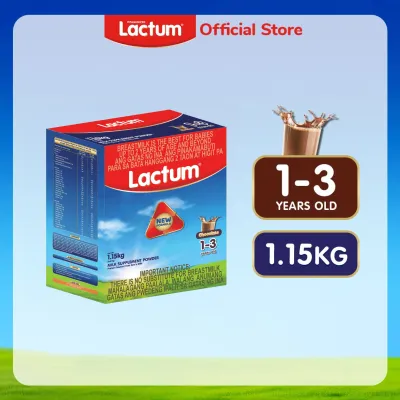

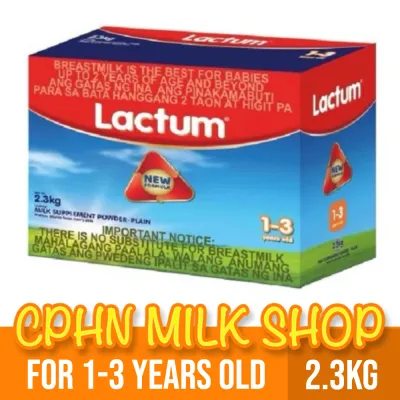
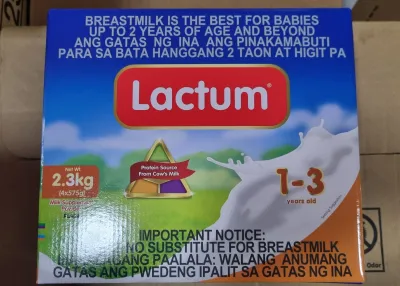
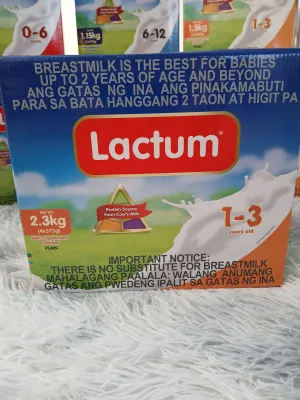
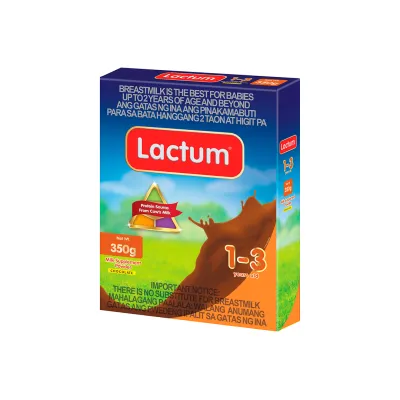
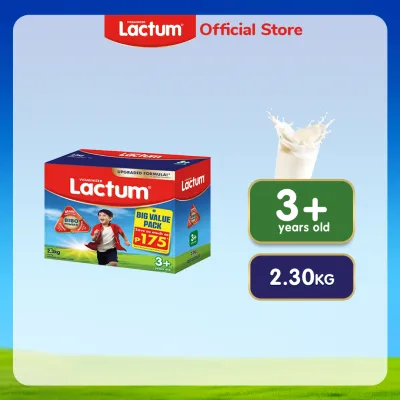
Prices are valid at publication and may change. Please refer to the product page for the latest price.
Understanding the Core Differences in Toddler Formulas
To make an informed comparison, it is essential to understand that toddler formulas, often referred to as Stage 3 or growing-up milks, are formulated differently from infant formulas. Infant formulas are designed to be the sole source of nutrition for babies under twelve months and are subject to strict international regulatory standards regarding nutrient composition. In contrast, toddler formulas are classified as nutritional supplements intended for children aged one to three years who are already consuming solid foods.
Because growing-up milks are meant to supplement a solid food diet rather than replace it, their nutritional profiles are tailored to address the common dietary shortfalls of early childhood. They typically contain higher levels of calcium, vitamin D, iron, and zinc compared to standard cow’s milk, which helps prevent common deficiencies. However, because regulations for toddler milks are more flexible than those for infant formulas, the ingredients and nutrient levels can vary widely between brands.
When comparing Lactum 1 to 3, Nido, NAN, and Enfagrow, your decision-making process should rest on three core dimensions: micronutrient fortification, age-stage alignment, and cost efficiency. Micronutrient fortification refers to the specific vitamins, minerals, and fatty acids added to the milk. Age-stage alignment ensures the product matches your child’s digestive capacity and developmental stage. Cost efficiency involves calculating the actual cost of feeding over time, rather than simply comparing the retail price of the packaging.
Comparing Nutritional Profiles and Ingredient Labels
The most reliable way to compare toddler formulas is to ignore the promotional slogans on the front of the packaging and turn directly to the nutrition facts panel and ingredient list on the back. Front-of-pack marketing often highlights specific ingredients, such as DHA or probiotics, but only the nutrition label reveals the exact amounts per serving. By comparing these numbers side-by-side, you can determine which product best addresses your toddler’s unique dietary needs.

Start by verifying the micronutrient levels, focusing on iron, zinc, vitamin D, and brain-supportive nutrients like DHA and ARA. Iron is critical for preventing iron-deficiency anemia, a common concern for toddlers who consume limited amounts of meat or iron-rich vegetables. Zinc supports a healthy immune system, while vitamin D is essential for calcium absorption and bone development. If your toddler’s pediatrician has identified a specific nutritional gap, check the label to ensure the formula provides an adequate percentage of the daily recommended intake for that nutrient.
Next, examine the carbohydrate and sugar sources listed in the ingredients. Lactose is the natural sugar found in cow’s milk and is the preferred carbohydrate source for healthy toddlers. However, some manufacturers add other sugars, such as sucrose, corn syrup solids, maltodextrin, or glucose syrup, to enhance flavor or alter the texture. Ingredients are listed in descending order of weight, so if you see added sugars near the top of the list, that formula contains a higher proportion of non-milk sugars, which you may want to limit to encourage healthy eating habits.
Finally, look at the protein and fat structures of each formula. The protein content in toddler milks typically comes from cow’s milk, but the ratio of whey to casein can vary. Some formulas use partially hydrolyzed proteins, which are pre-broken down into smaller pieces to make them easier for sensitive tummies to digest. For fats, check the vegetable oil blend used to provide essential fatty acids. Some premium variants may also list specific lipid structures or milk fat globule membrane components, which you should verify directly on the ingredient list if you are looking for specific developmental support.
Age Suitability and Transitioning Between Stages
Before purchasing any toddler formula, always verify the manufacturer’s stated age range on the packaging. Most brands use a numbering system, where Stage 3 is typically formulated for toddlers aged one to three years, and Stage 4 is for children aged three and up. However, some brands use explicit age descriptors like ‘1 to 3 years’ instead of numbers. Feeding your child a formula designed for a different age group can lead to nutritional imbalances, as the protein, fat, and mineral ratios are calibrated to specific developmental milestones.
Transitioning your child from breastmilk or infant formula to a growing-up milk should be done gradually. Look for observable signals that your toddler is ready for this transition, such as a steady increase in solid food consumption, the ability to chew and swallow various textures, and a generally stable digestive system. If your child is already eating a highly diverse and balanced diet of fruits, vegetables, proteins, and grains, they may be ready to transition directly to plain whole cow’s milk rather than a fortified toddler formula.
It is crucial to monitor your toddler closely during any formula transition for signs of digestive distress or allergic reactions. Symptoms such as persistent vomiting, chronic diarrhea, skin rashes, hives, excessive gas, or unusual fussiness after feeding can indicate an intolerance or an allergy to cow’s milk protein. If you observe any of these signs, stop using the formula immediately and consult your pediatrician. A medical professional can help determine if your child requires a specialized, hypoallergenic, or lactose-free formula instead of standard commercial options.
Evaluating Price and Cost Per Serving
When managing a household budget, comparing the shelf price of different formula tins can be highly misleading. A larger tin may seem more expensive upfront, but it might actually offer a lower cost per gram. Similarly, different brands recommend different scoop sizes and water ratios, meaning that one tin might yield significantly more servings than another of the exact same weight. To find the true value, you must calculate the cost per serving.
To calculate the true cost per serving, use this simple formula: first, find the total net weight of the package in grams (for example, 800g). Next, look at the preparation instructions to find the weight of powder required for a single serving (for example, 35g). Divide the total net weight by the serving weight to find the total number of servings in the package (800 ÷ 35 = 22.8 servings). Finally, divide the retail price of the package by the total number of servings (for example, ₱600 ÷ 22.8 = ₱26.32 per serving). Comparing this final number across brands reveals the true impact on your wallet.
You can also optimize your budget by choosing the right packaging format. Many popular brands offer their formulas in both metal tins and cardboard box refills containing foil pouches. Refill pouches are almost always more cost-effective per gram than metal tins. To keep the powder fresh and safe from moisture in tropical climates, you can purchase a metal tin once, and then buy the more economical refill pouches to pour into the clean, dry tin for long-term storage.
When shopping, compare prices across physical supermarkets and authorized online stores on e-commerce platforms. Be wary of bulk-purchase promotions that seem to offer massive discounts; always calculate the unit price per gram to verify if the deal is genuine. Additionally, ensure you only buy from official brand stores or reputable retailers to avoid the risk of purchasing counterfeit products or items that have been stored in hot, humid warehouses, which can degrade the nutritional quality of the milk.
Decision Framework: Which Formula Fits Your Toddler?
To finalize your decision, you can use a conditional framework that matches your toddler’s nutritional needs and your household budget to the specific characteristics of each brand. Start by gathering the retail prices from your local stores, performing the cost-per-serving calculations, and reviewing the ingredient labels of the variants available in your area.
You might choose Lactum 1 to 3 if your primary goal is to find a reliable, budget-friendly nutritional supplement that covers the essential vitamins and minerals your toddler needs. If your child is generally a good eater but occasionally misses out on key nutrients due to picky eating, and you want a cost-effective formula that fits comfortably into a standard monthly budget, verify if Lactum’s specific label profile aligns with these requirements.
Alternatively, you might choose Nido, NAN, or Enfagrow if their specific ingredient profiles better address your toddler’s unique developmental or digestive needs. For instance, if you are looking for a highly accessible option with a strong focus on immune-supporting micronutrients like zinc and vitamin C, check the Nido label. If your toddler has a sensitive stomach and would benefit from active probiotic cultures or partially hydrolyzed proteins to aid digestion, verify if the specific NAN variant you are considering includes these components. If your budget allows for a premium option and you want to prioritize higher levels of DHA and specific milk fat lipids for brain development, review the Enfagrow label to see if it meets your criteria.
Before making any final purchase, always verify if your child has a history of lactose intolerance, cow’s milk protein allergy, or any other specific medical conditions. Standard toddler formulas from all of these brands are based on cow’s milk and are not suitable for children with these sensitivities. If your child shows any signs of digestive discomfort or allergic reactions, stop use immediately and consult a pediatrician to get a professional recommendation for a specialized formula.
Frequently Asked Questions (FAQ)
Can I mix different brands of toddler formula?
Mixing different brands of toddler formula powder in the same bottle is not recommended. Each brand has a unique formulation, scoop size, and specific water-to-powder ratio designed to ensure the milk is properly reconstituted. Mixing powders can result in a feed that is either too concentrated, which can strain your toddler’s kidneys and digestive system, or too diluted, which deprives them of necessary nutrients. If you need to transition your child from one brand to another, do so gradually by replacing one full feeding per day with the new brand over the course of a week, allowing their digestive system to adjust safely.
Is toddler formula necessary if my child eats solid foods well?
Toddler formula is not strictly necessary if your child is growing well and consistently eating a diverse, balanced diet of solid foods. If your toddler regularly consumes iron-rich foods, fruits, vegetables, healthy fats, and grains, they can transition directly to plain whole cow’s milk or continue breastfeeding after twelve months of age. However, if your child is a selective eater, is recovering from an illness, or has difficulty meeting their daily nutritional requirements through solid foods alone, a fortified growing-up milk can serve as a helpful safety net to prevent micronutrient deficiencies. Always consult your pediatrician to determine the best dietary plan for your child’s specific growth and development.
Community discussion
Share your experience or ask a question. Comments are reviewed before publication.