
Choosing the right toddler formula for your child between the ages of one and three is a significant decision for parents in the Philippines. With popular options like Lactum 1-3, Nido, and Enfagrow lining supermarket shelves, finding the perfect match requires balancing your child’s unique nutritional needs, taste preferences, and your household budget. There is no single formula that works best for every toddler; instead, the ideal choice depends on how well a brand’s specific formulation complements your child’s daily solid food intake.
Defining Your Toddler's Nutritional and Dietary Needs
As children transition from infancy to toddlerhood, their primary source of nutrition shifts from milk to solid foods. During this stage, milk serves as a supplement to fill potential nutritional gaps rather than a complete meal replacement. Active toddlers often experience selective eating phases, which can lead to minor deficiencies in essential micronutrients such as iron, calcium, zinc, and vitamin D. Assessing your child’s daily diet helps you identify which specific nutrients need the most support from a toddler milk.
Food sensitivities and allergies are also critical factors when selecting a formula. Some toddlers may experience mild lactose sensitivity, digestive discomfort, or diagnosed cow’s milk protein allergies. If your child has a history of skin rashes, excessive gas, or loose stools after consuming dairy, you must identify these patterns before purchasing a standard milk powder. Specialized or hypoallergenic formulas may be necessary under these conditions, making a careful review of standard milk bases essential.
Products mentioned in this guide
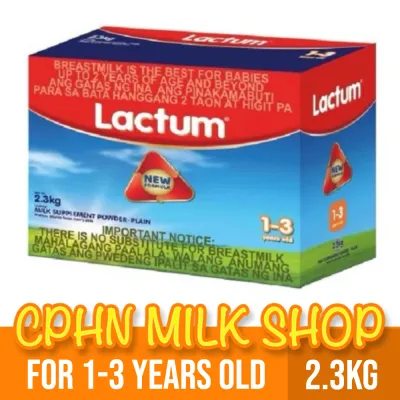


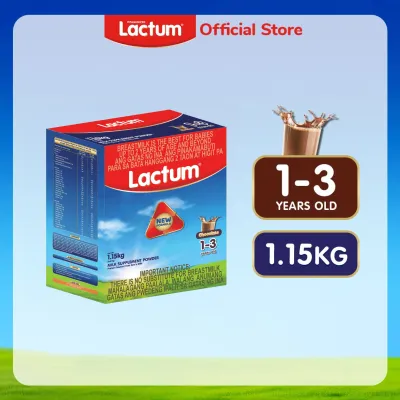
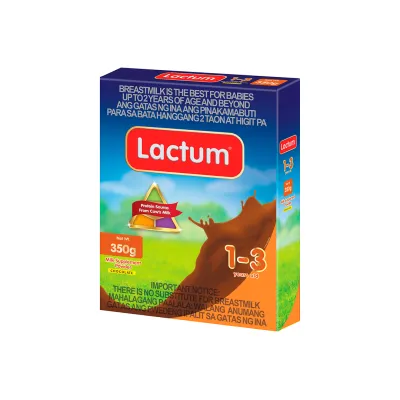
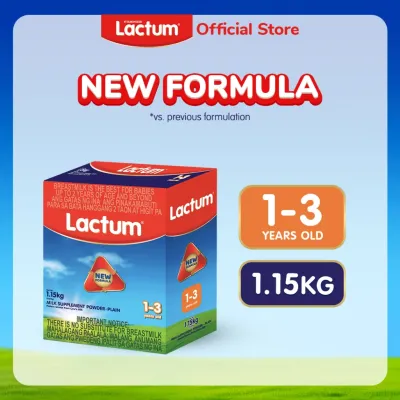
Prices are valid at publication and may change. Please refer to the product page for the latest price.
Pediatric guidelines generally recommend limiting a toddler’s daily milk intake to prevent it from displacing solid foods. Consuming too much milk can fill a toddler’s small stomach, reducing their appetite for nutrient-dense meals and potentially leading to iron-deficiency anemia. Pediatricians in the Philippines typically advise keeping milk consumption within two to three servings per day. Consulting your pediatrician ensures you establish a healthy balance between solid foods and formula.
Comparing Lactum 1-3, Nido, and Enfagrow Across Key Dimensions
When evaluating Lactum 1-3, Nido, and Enfagrow, the first step is to examine the nutrition information panel on each product’s packaging. While all three brands are formulated to support growth during the crucial one-to-three-year stage, they distribute their micronutrient ratios differently. For instance, some formulations place a higher emphasis on iron and vitamin C to support immune function, while others may prioritize calcium and vitamin D for bone development. Checking the daily value percentages on the label allows you to match the milk to your child’s specific dietary gaps.

The ingredient list reveals important differences in sweeteners, flavorings, and specialized nutrient blends. Toddler formulas often contain different types of carbohydrates, such as lactose, sucrose, corn syrup solids, or maltodextrin. Parents who prefer to limit added sugars should look closely at the order of ingredients, as they are listed by weight from highest to lowest. Additionally, look for functional ingredients like docosahexaenoic acid (DHA) for brain development, or prebiotics like oligofructose and inulin to support gut health.
Taste and mixability are practical considerations that affect daily preparation and child acceptance. Some formulas have a sweeter, creamier taste profile that appeals to picky eaters, while others maintain a more natural, less sweet milk flavor. In terms of preparation, certain powders dissolve quickly in room-temperature water, whereas others require lukewarm water and vigorous shaking to prevent clumping. Observing how easily the powder mixes can save time during busy mornings or late-night feedings.
| Dimension | Lactum 1-3 | Nido (Toddler Range) | Enfagrow (Toddler Range) |
|---|---|---|---|
| Primary Focus | Check label for targeted growth nutrients and essential vitamins | Check label for immune support ingredients and daily protection blends | Check label for brain development nutrients like DHA and prebiotic blends |
| Carbohydrate Sources | Verify presence of sucrose, lactose, or corn syrup solids on the back panel | Verify presence of lactose or added sugars on the ingredient list | Verify carbohydrate sources and sweetness levels on the packaging |
| Specialty Additions | Look for specific fiber blends or standard vitamin-mineral mixes | Look for active cultures, prebiotics, or specific immune-support nutrients | Look for higher concentrations of DHA, beta-glucan, or polydextrose |
| Preparation Check | Observe mixability in warm water; check for residue | Observe solubility in room-temperature or warm water | Observe powder texture and mixing instructions on the tin |
Calculating True Cost and Checking Local Availability
To understand the long-term financial impact of your choice, you must calculate the true cost per serving rather than simply comparing the retail price of the tin or box. Toddler formulas in the Philippines are sold in various packaging sizes, ranging from small boxes to large economy tins. To find the cost per serving, divide the retail price of the package by the total number of servings it yields, which is determined by the manufacturer’s recommended scoop-to-water ratio.
You can estimate your monthly expenditure using a simple formula based on your toddler’s daily consumption. Multiply the cost per serving by the number of servings your child drinks per day, then multiply that figure by thirty days. For example, if a serving costs ₱X and your child drinks two glasses a day, your monthly cost is ₱X multiplied by sixty. Performing this calculation prevents unexpected budget strain, especially since milk remains a consistent household expense for several years.
Consistent availability is another crucial factor, as sudden brand switches due to stock shortages can upset a toddler’s digestive system. Most major supermarkets, local pharmacies, and authorized online flagship stores across the Philippines carry these three prominent brands. However, specific package sizes or specialized variants may occasionally go out of stock. It is wise to verify which brands are consistently stocked at your nearest physical grocery store or preferred online marketplace.
Many families manage their budgets by taking advantage of bulk-buying options, store promotions, or subscription services. Purchasing larger tin sizes or multi-pack boxes often reduces the cost per gram significantly compared to buying smaller boxes weekly. Additionally, official brand stores on major e-commerce platforms frequently offer discount vouchers, bundle deals, or loyalty points during monthly sales events, providing opportunities to lower your overall expenses.
Decision Framework: Matching the Formula to Your Child
Selecting the right formula involves matching your child’s specific needs and your family’s circumstances to the characteristics of each brand.
Choose Lactum 1-3 if your primary goal is to find a reliable, budget-friendly option that provides essential macronutrients and micronutrients without unnecessary complexity. This choice is highly suitable for toddlers who already eat a well-balanced diet of solid foods and simply need a standard milk supplement to maintain their daily nutrient intake. Always verify the ingredient label to ensure the sugar content and vitamin levels align with your preferences.
Choose Nido if your child prefers a rich, classic milk taste and you want a widely accessible formula that emphasizes immune support and digestive health. This option is often favored by families looking for excellent value, widespread availability in local stores and supermarkets, and a taste profile that transitions smoothly to regular milk later on. Check the specific packaging to confirm the presence of active cultures or prebiotics if gut health is a priority.
Choose Enfagrow if your pediatrician recommends a formula with a strong focus on brain development nutrients, such as DHA, or if your child requires specific prebiotic blends to support digestion. This brand is positioned in a premium segment, making it ideal for parents who are comfortable with a higher price point in exchange for specialized ingredient formulations. Be sure to review the preparation instructions carefully to maximize the benefits of its nutrient blend.
Verify first with your pediatrician if your child has underlying medical conditions, severe food allergies, or persistent digestive issues. If your toddler exhibits signs of lactose intolerance, milk protein allergies, or chronic reflux, standard commercial formulas may not be suitable. A qualified healthcare professional can recommend specialized, hypoallergenic, or lactose-free alternatives that ensure safe growth and development.
Safely Transitioning and Monitoring Tolerance
When introducing a new toddler formula, a gradual transition is essential to allow your child’s digestive system to adapt. Suddenly switching brands can cause temporary stomach upset, changes in stool consistency, or formula rejection due to the unfamiliar taste. A standard transition plan spans several days, slowly increasing the proportion of the new formula while decreasing the old one.
To execute a safe transition, begin by mixing the formulas in a single feeding or alternating feedings throughout the day. On days one and two, offer a mixture of seventy-five percent of the old formula and twenty-five percent of the new formula. On days three and four, shift to a fifty-fifty ratio. By days five and six, use twenty-five percent of the old formula and seventy-five percent of the new formula, before transitioning completely to the new brand on day seven.
During this transition period, closely monitor your child for observable signs of tolerance. A well-tolerated formula will result in normal, soft bowel movements, consistent energy levels, and a lack of excessive gas or abdominal bloating. It is normal to observe minor, temporary changes in stool color or frequency as the gut microbiome adjusts to the new ingredients, but these should stabilize within a week.
Stop using the new formula and consult your pediatrician immediately if you observe clear signs of intolerance or allergic reactions. These warning signs include persistent diarrhea, vomiting, skin rashes, hives, excessive fussiness during or after feedings, or blood in the stool. Never force a child to consume a formula they consistently reject, and always seek professional medical advice before attempting another brand switch.
Frequently Asked Questions (FAQ)
Can I mix two different toddler formula brands together?
While you can mix two different brands temporarily during a gradual transition period, it is not recommended for long-term daily feeding. Each brand has a unique formulation and specific scoop-to-water ratio designed to deliver a precise balance of nutrients. Mixing different powders permanently can alter the concentration of vitamins and minerals, potentially leading to nutrient imbalances or digestive strain. Always follow the preparation instructions provided by each individual manufacturer.
When should a toddler transition from formula to regular cow's milk?
Most pediatric guidelines suggest that healthy toddlers can begin transitioning to regular pasteurized cow’s milk or whole milk after their first birthday, provided they are eating a diverse range of solid foods. Regular cow’s milk is an excellent source of calcium and vitamin D but lacks the fortified iron and specific micronutrients found in toddler formulas. You should consult your pediatrician to assess your child’s nutritional readiness before making the transition to regular milk.
How long can prepared toddler formula sit at room temperature?
Prepared toddler formula should be consumed within two hours of preparation if kept at room temperature. In the warm and humid tropical climate of the Philippines, bacteria can multiply rapidly in prepared milk, increasing the risk of foodborne illness. If your child does not finish a cup or bottle within one hour of starting a feeding, discard the remaining milk immediately to prevent bacterial contamination from saliva. Unused, freshly prepared formula can be stored in the refrigerator for up to twenty-four hours.
Community discussion
Share your experience or ask a question. Comments are reviewed before publication.