
A newborn’s digestive system and kidneys are highly delicate, meaning they require a very specific balance of nutrients. When comparing Lactum 0-6, NAN, Nido, and Enfagrow, the most critical safety fact to understand is that only Stage 1 infant formulas are safe and appropriate for a baby aged 0 to 6 months. Among the four brands mentioned, only Lactum 0-6 and NAN (specifically NAN Optipro 1) offer Stage 1 formulations designed specifically for newborns.
In contrast, Nido and Enfagrow are toddler and growing-up milks designed for children aged one year and older. Feeding these toddler milks to a newborn can be highly dangerous. Their high protein and mineral concentrations can severely strain a newborn’s immature kidneys and cause severe digestive distress. Therefore, if you are selecting a formula for a 0 to 6-month-old baby, you must completely exclude Nido and Enfagrow from your choices. The actual comparison for this age group is strictly between Lactum 0-6 and NAN Stage 1.
Brand Breakdown: Infant Formula vs. Toddler Milk
Understanding the distinction between infant formula and toddler milk is vital for your baby’s health. Infant formulas are highly regulated breastmilk substitutes engineered to match the nutritional profile of breastmilk as closely as possible, ensuring they do not overload a newborn’s organs. Toddler milks, on the other hand, are meant to supplement a solid food diet for older children who can process more complex proteins and minerals.
Products mentioned in this guide
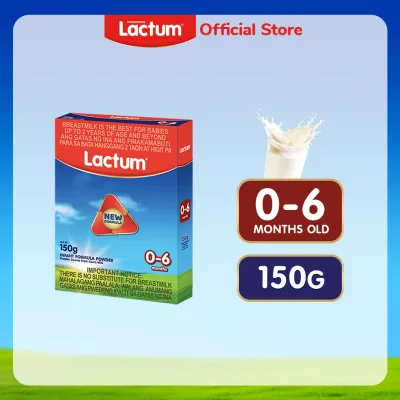
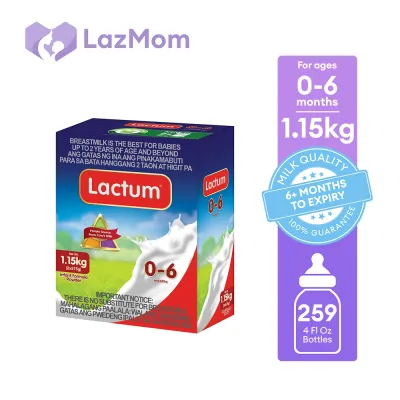
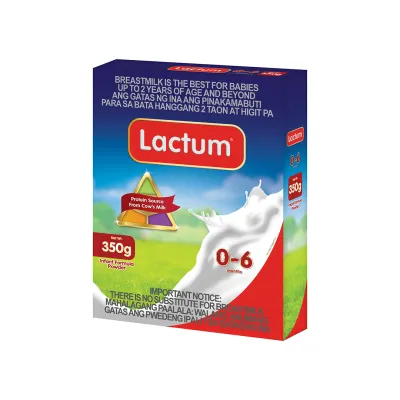
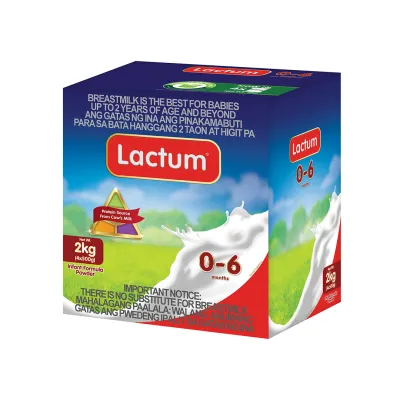
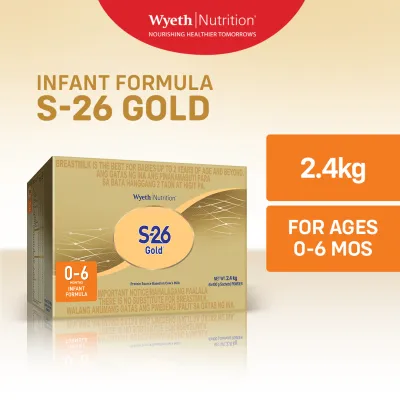
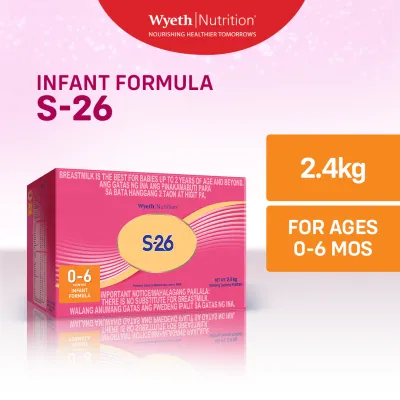
Prices are valid at publication and may change. Please refer to the product page for the latest price.
In the Philippines, the marketing and distribution of these products are strictly regulated under the Philippine Milk Code (Executive Order 51). This regulation ensures that parents receive clear, objective information about infant feeding. It also emphasizes that breastmilk is the best option for babies, with infant formulas serving as highly controlled alternatives when breastfeeding is not possible.
Lactum 0-6 and NAN Optipro 1 (0-6 Months)
Lactum 0-6 is a widely recognized and highly accessible Stage 1 infant formula in the Philippines. It is manufactured by Mead Johnson and is designed as a standard infant formula. Many Filipino families choose it because it provides the essential vitamins and minerals required for early infant development at a more accessible price point compared to premium brands.
NAN Optipro 1 is a premium Stage 1 infant formula produced by Nestlé. It is formulated with a focus on optimized protein quality (whey-to-casein ratios) and often includes specific probiotics or prebiotics to support gut health and digestion. Because of these specialized additions, it is positioned in a higher price tier.
Whenever you purchase formula for a newborn, you must physically inspect the packaging. Always verify that the label explicitly states ‘0-6 months’ or ‘Stage 1’ on the front of the tin or box before making a purchase.
Nido and Enfagrow (1 Year and Above)
Nido (such as Nido 1+ or Nido 3+) and Enfagrow (such as Enfagrow A+ Four) are specifically formulated to meet the nutritional needs of toddlers and preschoolers. They contain higher levels of calcium, sodium, and protein, which are beneficial for an active toddler but highly inappropriate for a newborn’s delicate digestive tract.
If you are interested in the premium nutritional research of Mead Johnson for your newborn, you should look for the Enfamil line (such as Enfamil A+ Stage 1) rather than Enfagrow. Enfagrow is strictly for older children and must never be fed to a baby under 12 months.
Never assume that because a brand is popular or highly visible in the supermarket, all of its products are safe for all ages. Always check the age indicator on the packaging to prevent dangerous feeding mistakes.
Head-to-Head: Lactum 0-6 vs. NAN Optipro 1
For parents choosing between the two viable newborn options, comparing their formulation philosophies, digestibility, and cost can help clarify which product aligns best with your baby’s needs and your household budget.

Nutritional Focus and Formulation Philosophies
Lactum 0-6 is designed around a ‘standard and essential’ formulation philosophy. It provides the foundational nutrients required by the Philippine Dietary Reference Intakes (PDRI) for infants, including essential vitamins, minerals, and standard levels of DHA and ARA to support brain and eye development. It avoids highly specialized or experimental ingredients to keep the product affordable and reliable.
NAN Optipro 1 takes a ‘premium and specialized’ approach. Nestlé focuses heavily on its ‘Optipro’ technology, which aims to provide a high-quality protein blend that mimics the protein profile of breastmilk to support healthy growth without overloading the baby’s metabolic system. Additionally, NAN Optipro 1 often incorporates active probiotic cultures, such as Bifidobacterium lactis, to support a healthy gut microbiome.
Because manufacturers frequently update their formulations, you should always check the ingredient list on the physical tin. Look closely at the specific amounts of DHA, ARA, and the presence of prebiotics or probiotics to understand exactly what you are paying for.
Digestibility and Tolerance
A newborn’s digestive system is still developing, making digestibility a primary concern for parents. While NAN Optipro 1 markets its optimized proteins and probiotics as aids for easy digestion, there is no single formula that is universally ‘best’ for every baby.
Your baby’s individual tolerance is the ultimate deciding factor. You should closely monitor your baby for signs of formula tolerance or sensitivity.
Signs of good tolerance:
- Your baby is generally content after feeding.
- They pass soft stools regularly.
- They gain weight consistently.
Signs of potential sensitivity:
- Excessive gas or bloating.
- Frequent or forceful spitting up.
- Hard, dry, or pebble-like stools.
- Watery diarrhea or mucus-filled stools.
- Persistent fussiness and crying during or immediately after feedings.
Accessibility and Budget
In the Philippines, infant formula is a significant ongoing household expense. When comparing costs, it is helpful to calculate the price per serving rather than just looking at the retail price of the tin.
Lactum 0-6 is highly accessible and can be found in almost any local supermarket, neighborhood pharmacy, or official online store. It is priced as a standard formula, making it a sustainable long-term choice for budget-conscious families.
NAN Optipro 1 is a premium formula and carries a significantly higher price tag per gram. While it is also widely available in major supermarkets and pharmacies across the Philippines, the higher cost per tin can add up substantially over the first six months of your baby’s life.
To compare costs effectively, divide the price of the tin by its weight in grams to find the cost per gram, then multiply that by the scoop size recommended on the label. This will give you a realistic view of the daily feeding cost.
Decision Framework: Which Formula Fits Your Baby and Budget?
Choosing the right formula involves balancing your baby’s physiological response with your family’s financial reality. Use the following guidelines to help make your decision.
When to Choose Lactum 0-6
- Standard tolerance: Your baby has no known digestive issues, colic, or sensitivities, and easily digests standard cow's milk-based formulas.
- Budget considerations: You want a reliable, nutritionally complete formula that fits comfortably within a moderate household budget without sacrificing essential developmental nutrients.
- High accessibility: You prefer a brand that is easy to find even in smaller local pharmacies or grocery stores outside major metropolitan areas in the Philippines.
When to Choose NAN Optipro 1
- Focus on gut health: You are specifically looking for a formula with added probiotics and optimized protein structures to support your baby's developing digestive tract.
- Mild digestive sensitivities: Your baby experiences mild gas or occasional constipation on standard formulas, and you want to see if a premium protein blend improves their comfort.
- Flexible budget: Your household budget can comfortably accommodate a premium-tier formula for the first six months of your baby's life.
When Neither Formula Is Appropriate
If your baby displays symptoms of a cow’s milk protein allergy (CMPA)—such as severe eczema, blood or mucus in the stool, chronic diarrhea, or extreme distress after feeding—neither Lactum 0-6 nor NAN Optipro 1 is safe. Both are based on intact cow’s milk protein.
If you observe these severe symptoms, or if your baby suffers from severe acid reflux or suspected lactose intolerance, you must immediately stop feeding standard formula and consult a pediatrician. Your doctor may recommend a specialized hypoallergenic (extensively hydrolyzed or amino acid-based) formula or a lactose-free alternative.
Always verify the age label before purchasing any milk. If you accidentally purchase a product labeled for ages 1+ or 3+, do not feed it to your newborn under any circumstances; return it to the store or save it for later use.
Safe Preparation and Feeding Guidelines for Newborns
Because newborns have highly vulnerable immune systems, preparing formula safely is just as important as choosing the right brand. In the warm and humid tropical climate of the Philippines, bacteria can multiply rapidly, making strict hygiene essential.
Sterilize all equipment: Before every feeding, thoroughly wash and sterilize all bottles, nipples, caps, and preparation utensils. You can use a dedicated steam sterilizer or submerge the equipment in boiling water for at least five minutes.
Use safe drinking water: Always use clean, safe water. Boil the water vigorously for at least one minute, then let it cool down to the temperature specified on the formula tin—typically around 40°C. This ensures the water is safe while preventing the high heat from destroying delicate nutrients and active probiotics in formulas like NAN.
Follow exact ratios: Always use the scoop provided in the specific tin you are using. Follow the manufacturer’s instructions exactly, adding the precise number of level scoops to the measured volume of water. Never dilute the formula to make it last longer, and never make it more concentrated, as both practices can cause severe nutritional imbalances or dehydration.
Practice safe storage and disposal: Prepare only one bottle at a time, immediately before feeding. If your baby does not finish a bottle, discard the remaining formula within one to two hours. The combination of saliva and warm milk creates an ideal breeding ground for harmful bacteria.
Manage tropical humidity: Store opened formula tins in a cool, dry place, but never in the refrigerator, as the condensation can cause the powder to clump and spoil. Ensure the lid is tightly sealed after every use, and consume the contents within the timeframe recommended by the manufacturer (usually three to four weeks after opening).
Important health notice: Breastmilk is the gold standard for infant nutrition. The World Health Organization (WHO) recommends exclusive breastfeeding for the first six months of life. Infant formula should only be introduced when medically necessary, when breastfeeding is not possible, or upon the direct advice of a qualified healthcare professional.
Frequently Asked Questions (FAQ)
Can I mix Lactum 0-6 and NAN in the same bottle?
No, you should never mix different brands or stages of formula in the same bottle. Each formula is scientifically balanced with a specific ratio of water to powder to ensure proper nutrient and mineral concentrations. Mixing them can alter this delicate balance, leading to digestive upset, constipation, or dehydration. Additionally, if your baby has an allergic reaction or digestive trouble, mixing formulas makes it impossible to identify which brand caused the issue. If you need to transition your baby from one formula to another, consult your pediatrician for a safe, gradual transition schedule.
What if my baby vomits after drinking Lactum 0-6?
It is vital to distinguish between normal infant spit-up and actual vomiting. Spit-up is typically small in volume, effortless, and occurs shortly after feeding as a baby’s digestive tract matures. Forceful, large-volume, or projectile vomiting is not normal. If your baby vomits frequently, shows signs of lethargy, has a fever, produces fewer wet diapers (indicating dehydration), or is not gaining weight, you must consult a pediatrician immediately. Do not attempt to diagnose the issue yourself or switch to a different formula brand without professional medical guidance.
Community discussion
Share your experience or ask a question. Comments are reviewed before publication.