
Finding the right balance between cost and nutrition is a primary concern for parents in the Philippines, especially when managing a household budget. When comparing bulk options like a 4kg package, the upfront cost can seem high, but the long-term savings are often substantial. However, determining the absolute “best deal” among Lactim, Nido, NAN, and Enfagrow is not as simple as looking at the price tag. Because retail prices fluctuate constantly due to promotions, vouchers, and regional shipping rates, parents must calculate the actual price per kilogram to make an accurate comparison. Furthermore, a bulk purchase is only a true saving if the toddler accepts the taste and digests the formula well before the product reaches its expiration date. Before committing to a large purchase, always verify the current prices in ₱ on official brand flagship stores or authorized e-commerce platforms.
Quick Answer: Evaluating the 4kg Toddler Formula Deal
When shopping for toddler formula in the Philippines, a 4kg bulk purchase is often one of the most cost-effective ways to buy milk powder. However, the true value of a bulk deal depends on several dynamic factors rather than a single fixed price. Because retail prices fluctuate across different physical stores and online marketplaces, parents should always calculate the price per kilogram before checking out.
Additionally, a bulk purchase is only beneficial if your toddler consumes the product before it spoils. In tropical climates, humidity can affect the shelf life of opened formula, making it essential to match the package size with your child’s actual consumption rate. To ensure you are getting a genuine deal, always verify the current prices in ₱ on official brand websites or authorized e-commerce platforms before making a decision.
Products mentioned in this guide
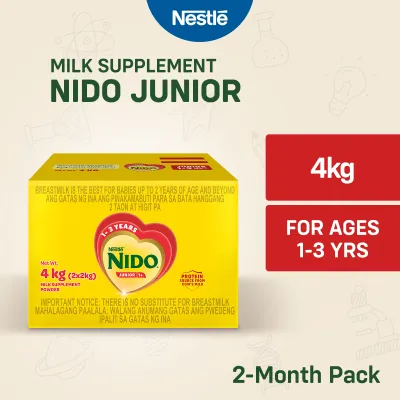
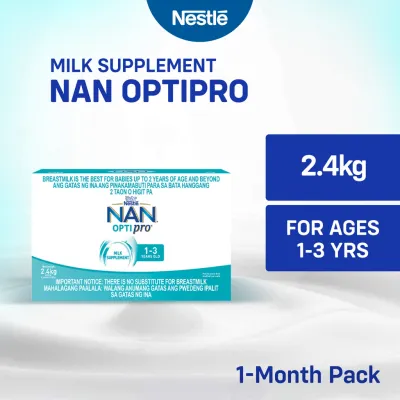
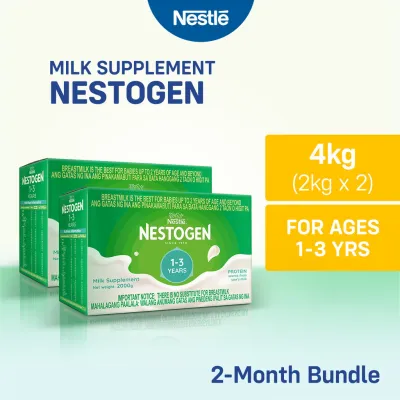
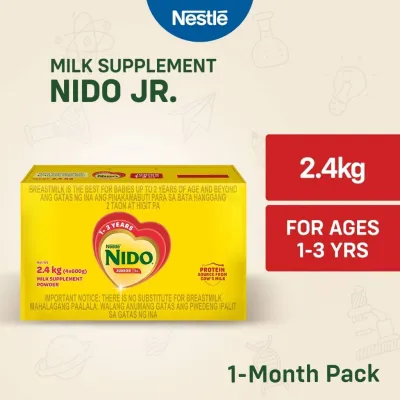
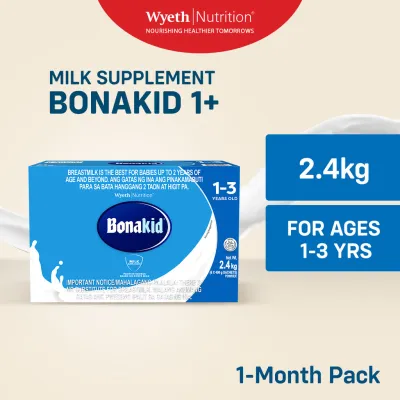
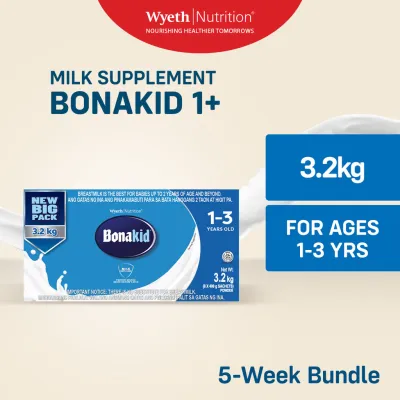
Prices are valid at publication and may change. Please refer to the product page for the latest price.
Brand Positioning for Toddlers (1-3 Years)
Each of these four brands occupies a distinct niche in the Philippine market, catering to different parental priorities and budget ranges. Understanding these general positionings helps narrow down which options align with your family’s goals before you run the numbers.

Lactim is widely recognized as an accessible, budget-friendly option for families seeking practical nutritional support. It is designed to provide essential daily nutrients without the premium price tag associated with highly specialized formulations. When considering this brand, parents should carefully inspect the packaging to verify the specific age-stage labeling, ensuring it matches their toddler’s current developmental needs.
Nido is a household staple in many Filipino homes, traditionally focusing on overall growth, physical development, and immune support. It is often formulated with specific micronutrients like Zinc, Vitamin C, and Selenium to help support the body’s natural defenses. Many parents choose this brand because of its familiar, creamy taste profile, which tends to be highly acceptable to picky eaters transitioning from breast milk or infant formula.
NAN is positioned within the premium segment, with a strong emphasis on digestive health and gut comfort. Formulations under this brand often feature specific probiotic strains or prebiotic fiber blends designed to support a healthy gut microbiome and ease digestion. This focus makes it a common consideration for toddlers who experience occasional digestive sensitivity or hard stools.
Enfagrow is another premium option that heavily highlights cognitive development and brain support in its marketing. Its formulations typically feature higher levels of Docosahexaenoic Acid (DHA) alongside other key nutrients like Iron and Choline. Parents who prioritize early childhood cognitive milestones and brain development often look to this brand as a primary option, despite its higher price point.
Regardless of the brand, always verify the exact product variant, such as Step 3 or Stage 3, as formulations, ingredients, and target age ranges can vary significantly across different SKUs.
Calculating Price per Kilogram and Bulk Value
To find the true value of a toddler formula, you must look past the total package price and calculate the cost per unit of weight. A larger box or tin might seem expensive at first glance, but it often carries a lower unit price than smaller packaging sizes.
To standardize your comparison across Lactim, Nido, NAN, and Enfagrow, use this simple formula:
Price per Kilogram = Total Price of the Package (in ₱) ÷ Total Weight of the Package (in kg)
For example, if a bulk package costs ₱2,400 and weighs 4kg, the price per kilogram is ₱600. If a smaller 1.2kg tin of the same brand costs ₱840, the price per kilogram is ₱700. In this scenario, the 4kg bulk pack saves you ₱100 per kilogram.
While bulk buying offers clear financial advantages, it also introduces specific trade-offs that parents in the Philippines must consider:
- Taste Rejection Risk: If you purchase a 4kg pack of an unfamiliar brand and your toddler refuses to drink it, the unused powder represents a significant financial loss.
- Storage and Humidity: The tropical climate and high humidity in the Philippines can cause opened formula powder to absorb moisture quickly. If the bulk package is not stored in an airtight container, the powder may clump, spoil, or lose its freshness before your child can finish it.
- Upfront Cash Flow: Buying 4kg at once requires a larger immediate cash outlay, which may not always align with weekly or bi-weekly household budgeting.
Additionally, online shopping on major e-commerce platforms introduces variables like shipping fees, platform vouchers, store coupons, and loyalty points. A slightly higher base price on one platform might become the cheaper option once you apply a free shipping voucher or cashback rewards.
To help you calculate the current real-time value, use this blank comparison checklist when browsing online or in-store:
- Brand & Variant: [e.g., Brand A Stage 3]
- Retail Price: ₱_______
- Shipping/Delivery Fee: ₱_______
- Discounts/Vouchers Applied: ₱_______
- Final Net Price: ₱_______
- Total Weight (kg): _______ kg
- Calculated Price per Kilogram: ₱_______ per kg
Nutritional Label Checks and Ingredient Standards
While price is a critical factor, the nutritional value of the formula determines whether it is truly worth the investment. Parents should develop the habit of reading the nutrition facts panel and ingredient list rather than relying solely on front-of-pack marketing claims.
When evaluating formula for toddlers aged 1 to 3 years, look for these essential nutrients:
- Iron and Zinc: Crucial for cognitive development and immune function, especially as toddlers transition to solid foods.
- Calcium and Vitamin D: Essential for supporting rapid bone growth and dental health during these active years.
- DHA (Docosahexaenoic Acid): An omega-3 fatty acid that supports brain and eye development.
- Prebiotics and Probiotics: Active cultures or fibers that support gut health and smooth digestion.
Beyond beneficial nutrients, examine the ingredient list for added sugars and carbohydrate sources. Some brands may use sucrose, corn syrup solids, or glucose syrup to enhance taste or texture, while others rely primarily on lactose, the natural sugar found in milk. If you prefer to limit your child’s intake of added sugars, compare the sugar content per serving across the different brands.
Keep in mind that specific health claims, clinical studies, or quality certifications mentioned in advertisements must be verified directly on the product packaging or the manufacturer’s official website. If your toddler has specific dietary restrictions, suspected food allergies, lactose intolerance, or requires a specialized therapeutic formulation, always consult a pediatrician before introducing or switching formulas.
Practical Considerations: Mixing, Taste, and Digestion
The real-world usability of a formula can make or break the value of a bulk purchase. Even the most nutritionally complete or budget-friendly formula is of little use if it is difficult to prepare or causes discomfort for your child.
Powder mixability is a practical factor that directly impacts daily preparation. Some formulas dissolve quickly in lukewarm water, while others require vigorous shaking or warmer water to prevent clumping. Persistent clumping not only clogs bottle nipples but also leads to wasted powder at the bottom of the bottle, reducing the overall value of your purchase.
Taste acceptance is entirely subjective and varies from child to child. Toddlers can be highly sensitive to changes in flavor, sweetness, or texture. If you are planning to switch to a new brand to save money or access different nutrients, it is highly recommended to purchase a small trial size or single-serve sachets first. Only commit to a 4kg bulk purchase once you are certain your toddler enjoys the taste.
Finally, monitor your toddler’s physical response during any transition. Observe their digestion, stool consistency, and general comfort levels. A formula that causes gas, bloating, or constipation is not a good fit, regardless of how attractive the price per kilogram may be.
Decision Framework: Choosing the Right Formula
To simplify your final decision, use this conditional framework to match your household priorities with the characteristics of each brand:
- Choose Lactim if: Your primary goal is to minimize household expenses while still providing standard nutritional support, and your toddler has already demonstrated good tolerance to the formulation.
- Choose Nido if: You are looking for a widely available, family-trusted option with a taste profile that appeals to picky eaters, focusing on general growth and everyday immune support.
- Choose NAN if: Your toddler has a sensitive stomach, and you want to prioritize digestive comfort, easy stool transition, and active gut health support.
- Choose Enfagrow if: You are willing to pay a premium price to prioritize specific nutrients like DHA that are heavily associated with cognitive development and early learning support.
Before making any purchase, always verify if your toddler has known allergies, lactose sensitivity, or specific medical dietary needs. In such cases, standard commercial formulas may not be suitable, and a specialized product recommended by your pediatrician should be used instead.
Frequently Asked Questions (FAQ)
How long does a 4kg tin of toddler formula typically last?
The duration of a 4kg supply depends entirely on your toddler’s daily consumption, the recommended serving size, and the scoop measurements specified on the product label. On average, a toddler consuming two 200ml bottles per day will finish a 4kg supply in approximately four to six weeks. However, you must check the manufacturer’s guidelines on the packaging regarding how many days the powder remains safe and fresh after the container is first opened. In humid tropical environments, it is often recommended to consume the opened product within three to four weeks to prevent moisture absorption and spoilage.
Is it safe to mix two different brands of toddler formula?
Mixing two different brands or stages of formula in the same bottle is generally not recommended unless you receive explicit instructions from your pediatrician. Each brand has a unique formulation, specific scoop size, and precise water-to-powder ratio designed to deliver a balanced concentration of nutrients. Mixing them can alter the density of the feed, potentially leading to improper nutrient intake, dehydration, or digestive upset. If you are transitioning your toddler from one brand to another, it is safer to introduce the new brand gradually by replacing one full feed per day rather than mixing the powders together in a single bottle.
Community discussion
Share your experience or ask a question. Comments are reviewed before publication.