
Finding the right diaper for your baby involves balancing performance, comfort, and budget. While household names like Pampers and Huggies have established global reputations, alternative brands like Kukumu and Equator have entered the market to offer parents more choices. To determine which diaper delivers the best absorbency and leak protection for your baby’s specific needs, you must look beyond brand names and systematically evaluate their structural designs, fit mechanics, material compatibility, and overall cost-effectiveness.
Evaluating Absorbency Claims and Core Structures
To understand how a diaper manages moisture, you need to examine its core technology. Modern disposable diapers, including Kukumu, Pampers, Huggies, and Equator, rely on superabsorbent polymers (SAP) mixed with wood pulp to lock away wetness. When comparing these brands, check the product packaging for descriptions of their core structures. Some brands utilize multi-layer cores or specialized channel designs that distribute liquid evenly, preventing the diaper from sagging or clumping in one spot. A well-distributed core helps keep the surface dry, reducing the time wetness remains in contact with your baby’s skin.
Wetness indicators are another practical feature to look for on the diaper’s exterior. These color-changing strips help you monitor saturation levels in real time without having to open the diaper. While most premium and mid-tier diapers include this feature, verify its presence on the packaging of the specific line you are considering, as some budget-friendly options or larger sizes might omit it. Relying on a clear visual cue can prevent unnecessary changes while ensuring your baby does not sit in a fully saturated diaper for too long.
Products mentioned in this guide
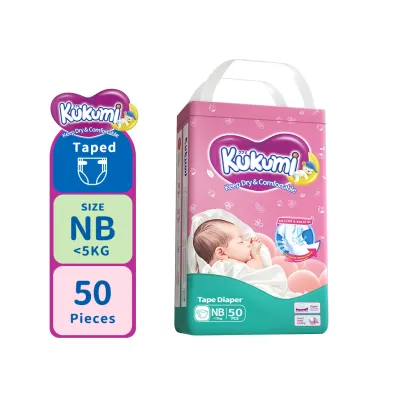
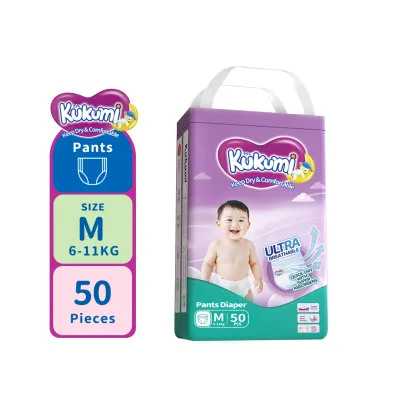
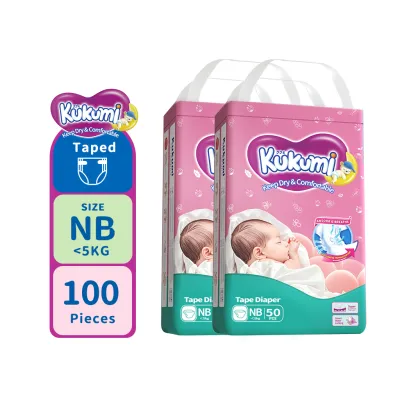
Prices are valid at publication and may change. Please refer to the product page for the latest price.
Additionally, always compare the manufacturer-stated weight ranges and recommended wear times. A diaper designed for overnight use will typically feature a higher concentration of SAP or a thicker distribution layer than a standard daytime diaper. Keep in mind that recommended wear times are maximum estimates under ideal conditions; actual performance will vary based on your baby’s hydration levels and urination frequency. Checking these specifications on the packaging helps you set realistic expectations for daytime and nighttime use.
Assessing Leak Protection and Fit Mechanics
Even the most absorbent diaper core will fail if the physical fit allows liquid to escape. Leak protection relies heavily on the design of the leg cuffs and the waistband. When inspecting Kukumu, Pampers, Huggies, or Equator diapers, look for double leak guards or elasticized leg gathers. These barriers should stand upright and hug your baby’s thighs snugly without leaving deep red marks, creating a secure seal against sudden blowouts. During your physical inspection, gently pull the cuffs to verify their elasticity and height.

The elasticity of the waistband is equally critical, especially for active babies who crawl, roll, or walk. A flexible, stretchy waistband allows the diaper to move with your baby, preventing gaps at the back where leaks frequently occur. Compare the stretchiness of the back panels and the fastening tabs of each brand to see which design offers the most secure, adaptive fit. A waistband that conforms to your baby’s shape helps contain messes during high-movement activities.
Improper sizing is one of the primary causes of diaper leaks. Because sizing standards vary significantly between brands, do not assume that a medium in one brand will fit the same as a medium in another. Regularly measure your baby’s weight and cross-reference it with the brand-specific sizing charts printed on the packaging. If your baby is approaching the upper limit of a weight range, transitioning to the next size up often resolves persistent leaking issues by providing more coverage and absorbency.
Finally, pay close attention to how you apply the diaper. Ensure the front and back orientations are correct, and pull the leg cuffs outward after fastening the tabs. The tabs should be secured symmetrically on the front landing zone to maintain an even, gap-free fit around both legs. Taking a few extra seconds to adjust the fit during each change can significantly reduce the likelihood of accidental leaks.
Comparing Material Comfort and Skin Compatibility
In tropical climates where heat and humidity are constant factors, material comfort and breathability are vital for maintaining healthy skin. A diaper’s outer cover, or back-sheet, must allow air to circulate to prevent moisture and heat buildup. Look for packaging claims that specify breathable, micro-porous outer materials, which help keep your baby’s skin dry and cool during warm afternoons. High breathability is essential for minimizing the risk of heat rash in warm environments.
The inner top-sheet, which directly touches your baby’s skin, should feel soft and dry to the touch. Many brands describe their top-sheets as having a cotton-like texture or a 3D embossed pattern designed to minimize skin contact with wetness. When trialing Kukumu, Pampers, Huggies, or Equator, feel the inner lining yourself to assess its softness. A softer lining reduces friction against your baby’s delicate skin during movement.
Skin sensitivity varies from baby to baby, making dermatological testing and hypoallergenic formulations highly relevant. Check the packaging for labels indicating that the diapers are free from added fragrances, elemental chlorine, parabens, and latex. Fragrance-free options are generally safer for babies prone to eczema or diaper dermatitis, as added perfumes can trigger allergic reactions on sensitive skin.
Ultimately, the most reliable test of material compatibility is observing your baby’s skin. During a trial period with any new brand, monitor the diaper area closely for signs of redness, chafing, or rash. If irritation develops shortly after switching brands, discontinue use and consult a pediatrician to identify potential triggers and find a more compatible material.
Calculating Cost and Value per Diaper
To make an informed financial decision, you must calculate the exact cost per diaper rather than comparing the total price of a pack. Divide the retail price of the package by the number of diapers inside to find the unit cost in Philippine Pesos (₱). You can gather current pricing from official brand stores, local supermarkets, or authorized online marketplaces to ensure accurate calculations. This simple math reveals the true cost of each diapering option.
However, a lower unit price does not always translate to long-term savings. If a budget-friendly diaper has lower absorbency, you may find yourself changing your baby more frequently to prevent leaks and skin irritation. For example, if a diaper costing ₱8 requires eight changes a day, it may end up costing more over time than a diaper priced at ₱12 that only requires five changes due to superior moisture retention. Balance the unit price against how many diapers you actually use daily.
To optimize your budget, look for bulk packaging options, such as mega packs or box deals, which typically offer a lower cost per piece than small travel packs. Many authorized e-commerce retailers also offer subscription discounts or promotional vouchers that can significantly reduce your recurring diaper expenses. Planning your purchases around these sales events can help you maintain high-quality care within your budget.
Decision Framework: Choosing the Right Brand for Your Baby
Selecting the right diaper brand depends on your baby’s unique shape, skin sensitivity, and your household budget. There is no single option that works perfectly for every family, so a conditional approach is the most practical way to decide which brand fits your daily routine.
Consider trying Kukumu if you want to test a cost-effective alternative to premium brands and are comfortable monitoring the fit and absorbency closely during an initial trial phase. This brand can be an excellent option for daytime use when changes are naturally more frequent, allowing you to save your premium diapers for longer stretches.
Opt for Pampers or Huggies if your priority is established, proprietary core technologies, widely available sizing options, and specialized features like overnight wetness protection. These brands are highly suitable if you prefer a predictable, globally recognized standard of performance and have a flexible budget that accommodates premium pricing.
Choose Equator if you are looking for a balance of local market availability and budget-friendly pricing, making it a convenient option for everyday diapering needs without a premium price tag. It serves as a reliable baseline for parents who want straightforward performance at an accessible price point.
Regardless of which brand you lean toward, always verify compatibility by purchasing a small trial pack first. This approach allows you to test the fit, absorbency, and skin reaction on your baby before committing to a large bulk purchase. Taking this step protects both your baby’s comfort and your household budget.
Frequently Asked Questions (FAQ)
How can I safely test a new diaper brand for leaks at home?
To safely test a new diaper brand, conduct your trial during active daytime hours when you can monitor your baby closely. Check the diaper every two hours, paying attention to the wetness indicator and the condition of the leg cuffs. Observe how the diaper handles movement while your baby plays, and ensure there is no sagging or shifting before you attempt to use the brand for overnight sleep.
Does a thicker or heavier diaper always mean better absorbency?
No, a thicker diaper does not automatically guarantee better absorbency or superior leak protection. Modern diaper manufacturing utilizes highly concentrated superabsorbent polymers (SAP) that can lock away large volumes of liquid while remaining incredibly thin. Thinner diapers often provide better flexibility, breathability, and comfort for your baby, especially in warm and humid weather.

Community discussion
Share your experience or ask a question. Comments are reviewed before publication.