
Quick Answer: Finding the Best Fit Among Kukumi, Pampers, Huggies, and Equator
To find the ideal diaper for your baby, you must weigh your child’s unique skin sensitivity, daily activity levels, and your household budget. There is no single “best” diaper that fits every infant perfectly; instead, the right choice depends on matching specific diaper designs to your parenting priorities. The market offers a wide variety of choices, ranging from established global leaders to newer, value-driven alternatives.
Pampers and Huggies stand as established global giants, backed by extensive clinical research, proprietary manufacturing technologies, and specialized product tiers designed for heavy wetters or highly active toddlers. On the other hand, newer or regionally focused brands like Kukumi and Equator have gained traction in the Philippines by offering cost-effective alternatives tailored for frequent daytime changes. These brands allow parents to manage household expenses while ensuring their babies remain clean and dry.
It is essential to recognize that diaper performance fluctuates significantly across a single brand’s product lines. A budget-friendly daytime option from a premium brand may perform differently than its dedicated overnight tier, making direct brand-to-brand comparisons highly dependent on the specific model you select. Therefore, evaluating a diaper requires looking at the exact product tier rather than the brand name alone.
Products mentioned in this guide
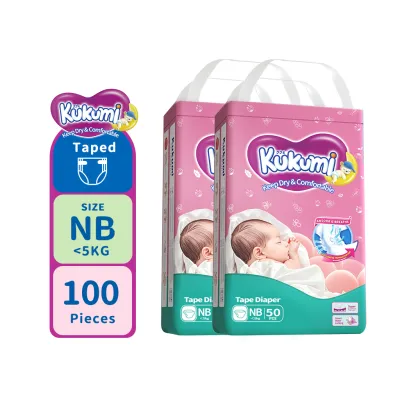
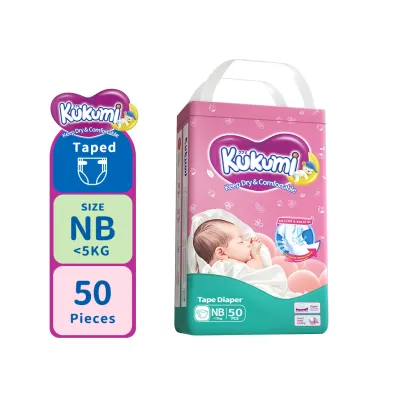
Prices are valid at publication and may change. Please refer to the product page for the latest price.
Before purchasing any diaper in bulk, always check the manufacturer’s packaging for weight and sizing guidelines, as an improper fit is the leading cause of leaks and skin irritation. Start by testing small packs to observe your baby’s skin reaction and physical comfort in real-world conditions. If your baby shows signs of discomfort or persistent redness, you should stop use and consult a qualified professional.
Comparing Absorbency: What to Look For in Kukumi, Pampers, Huggies, and Equator
Evaluating diaper absorbency requires looking past marketing slogans and understanding the physical components that manage moisture. Every modern disposable diaper relies on a combination of materials designed to draw liquid away from your baby’s skin and lock it securely inside the core. Understanding how these layers work can help you make an informed decision when comparing Kukumi, Pampers, Huggies, and Equator.

The primary engine of absorbency is the Super Absorbent Polymer (SAP), tiny sodium polyacrylate crystals embedded within the diaper’s core. When liquid enters, these crystals swell and turn the moisture into a gel, preventing it from leaking back out under the pressure of your baby’s movements. The ratio of SAP to fluff pulp inside the core determines how much liquid the diaper can hold before saturating.
Working alongside the SAP is the acquisition distribution layer (ADL), a specialized sub-layer that quickly channels liquid evenly along the length of the diaper. Without an effective ADL, moisture pools in a single spot, causing the diaper to sag prematurely and increasing the risk of leaks at the waist or thighs. A well-designed ADL ensures that the entire core is utilized, maximizing the diaper’s overall capacity.
Double elasticized leg cuffs, also known as standing leak guards, provide the final barrier of protection. These hydrophobic barriers must stand upright against your baby’s skin to contain sudden, high-volume wetness before the core has time to fully absorb it. If the leak guards are too loose or fail to stand up, liquid will escape along the thighs, regardless of how absorbent the core is.
Packaging labels often boast “12-hour dryness” or “overnight protection,” but these claims are manufacturer guidelines based on standardized laboratory testing rather than real-world conditions. Your baby’s actual sleep duration, feeding schedule, and liquid intake will heavily influence how long a single diaper remains dry. Caregivers should treat these claims as maximum limits rather than everyday guarantees.
To verify these claims, you must observe the diaper’s real-world performance during your baby’s longest sleep stretches. A successful diaper should feel relatively dry to the touch on the inside lining even when fully loaded, indicating that moisture is securely locked within the core. If the lining feels wet or clammy, it suggests that the diaper’s absorption rate is too slow for your baby’s needs.
Assessing Pampers and Huggies
Global brands like Pampers and Huggies utilize advanced, multi-layer absorbency systems designed to distribute wetness across multiple channels. These structures are engineered to prevent the inner core from breaking apart or clumping when wet, maintaining a uniform barrier against your baby’s skin. This technology helps to minimize the heavy, sagging feeling that can restrict your baby’s movements.
Most lines within these brands feature external wetness indicators—a color-changing strip that transitions from yellow to blue-green as moisture accumulates. This visual cue helps caregivers determine when a change is necessary without having to unfasten the diaper’s tape. It is a particularly useful feature for nighttime monitoring or for secondary caregivers who may be less familiar with the baby’s regular schedule.
When choosing between these brands, matching the specific product tier to your baby’s developmental stage is crucial. For instance, standard daytime variants may not possess the heavy-duty SAP concentration found in their premium overnight counterparts, which are specifically designed to handle extended sleep cycles. Always check the product packaging to ensure the tier matches your intended use case.
To evaluate real-world performance, check the diaper after three to four hours of continuous wear. Note whether the outer shell feels damp or if the diaper sags excessively between your baby’s legs, as these are indicators that the core’s absorption capacity is reaching its limit. If you notice dampness on your baby’s clothes, it may be time to upgrade to a more absorbent tier or adjust the diaper size.
Assessing Kukumi and Equator
Brands like Kukumi and Equator focus on delivering functional absorbency at a more accessible price point. When evaluating these options, inspect the diaper’s physical core thickness and check the packaging for references to dual-layer leak guards or high-density SAP distribution. A thinner diaper is not necessarily less absorbent, provided it uses high-quality SAP materials.
Because smaller or value-focused brands may have less public clinical data, paying close attention to recent caregiver feedback is highly beneficial. Look for reviews from parents in the Philippines that specifically discuss overnight leak frequency and how well the diaper holds up during long car rides or naps. These real-world experiences can provide valuable insights into how the diaper performs in local weather conditions.
You can conduct a simple, practical test at home to assess these diapers under your specific household conditions. Monitor the diaper’s performance across a standard feeding and sleeping cycle, checking the inner lining with a dry tissue immediately after removal to see if moisture transfers back onto the paper. This test will give you a clear indication of the diaper’s re-wet performance.
Observe how well the diaper retains its shape when filled with liquid. If the absorbent material shifts, clumps, or separates into distinct sections, it may leave unprotected gaps that can lead to skin irritation or sudden leaks during active play. A stable core is essential for maintaining consistent protection as your baby moves throughout the day.
Comfort and Skin Health: Evaluating Softness, Fit, and Breathability
In a hot and humid tropical climate like the Philippines, diaper comfort is directly linked to your baby’s skin health. Prolonged exposure to trapped heat and moisture can rapidly break down the skin’s natural barrier, leading to painful conditions like diaper rash or heat rash. Therefore, selecting a diaper that prioritizes skin health is just as important as finding one with high absorbency.
True diaper comfort is not just about a soft texture; it requires a delicate balance of material flexibility, breathability, and physical fit. A diaper must move naturally with your baby while allowing continuous airflow to keep the skin temperature as close to normal as possible. Stiff materials can cause friction, which quickly leads to chafing and discomfort.
Caregivers must regularly inspect the diaper area during changes, looking for early signs of chafing, redness, or localized heat. If skin irritation persists despite frequent changes, it is important to stop using the current brand and consult a pediatrician or qualified healthcare professional. Never ignore persistent redness, as it can quickly escalate into a more severe skin infection.
Material Softness and Inner Linings
To evaluate material softness, run your fingers over the diaper’s inner top sheet—the layer that remains in direct contact with your baby’s skin. The texture should feel smooth and fabric-like, without any stiff or plastic-like edges that could scratch delicate areas. Pay close attention to the softness of the waistband and leg cuffs as well, as these areas are prone to friction.
Premium tiers of Pampers and Huggies often incorporate specialized inner liners coated with hypoallergenic lotions, aloe vera, or pH-balancing formulations designed to soothe sensitive skin. When looking at Kukumi or Equator, check the packaging to see if they offer specific sensitive-skin variants or if their standard liners are free from known irritants like fragrances and elemental chlorine. Identifying these details helps you protect your baby from potential contact allergens.
Observe how the inner lining feels after the diaper has been wet. Some materials remain remarkably soft even when damp, while others can become stiff or rough, which increases friction against your baby’s skin as they move. A high-quality top sheet should maintain its structural integrity and softness throughout the entire duration of wear.
Fit, Elasticity, and Movement
A proper physical fit is essential for preventing both leaks and skin chafing. The waistband should offer enough elasticity to stretch comfortably as your baby’s stomach expands after feeding, while the leg cuffs must sit snugly in the groin creases without digging into the skin. A fit that is too tight will restrict movement, while a fit that is too loose will inevitably leak.
After removing a diaper, inspect your baby’s thighs and waist for red marks or deep indentations. If you notice persistent red marks, it is a clear sign that the diaper is either fastened too tightly or that your baby has outgrown the current size range, necessitating an immediate transition to the next size up. Do not rely solely on the weight range printed on the packaging, as every baby’s body shape is unique.
Your baby’s developmental stage should dictate the style of diaper you choose. For active infants who are learning to crawl, pull up, or walk, pant-style diapers with highly elastic 360-degree waistbands—often a design highlight for Huggies and Pampers—provide superior security during movement, whereas tape-style diapers allow for highly customizable adjustments on younger, less active infants. Matching the diaper style to your baby’s mobility level ensures both comfort and containment.
Breathability in Humid Climates
When shopping in the Philippines, prioritize diapers that feature “breathable backsheet,” “micro-pores,” or “air-flow” technology on their packaging. These terms indicate that the outer layer of the diaper is designed with microscopic perforations that allow warm air and water vapor to escape while keeping liquid safely contained. This ventilation is crucial for maintaining a comfortable microclimate inside the diaper.
High humidity makes it difficult for sweat to evaporate, making babies highly susceptible to heat rash around the waistband and leg areas. If you notice small, red bumps forming in these regions, it suggests that the diaper is trapping excessive heat and moisture against the skin. Switching to a brand with higher breathability or increasing the frequency of diaper-free time can help alleviate these symptoms.
It is important to remember that even the most advanced breathable diaper cannot replace the need for regular changes. In tropical environments, sweat accumulates quickly inside the diaper wrapper, meaning frequent, routine changes are essential to maintain dry, healthy skin regardless of the brand’s performance claims. Regular changing remains your first line of defense against diaper-related skin issues.
Decision Framework: Which Brand Should You Choose?
Selecting the right diaper involves balancing your baby’s physical comfort with your family’s daily routine and financial considerations. To help you navigate these choices, use the following conditional guidelines based on observable product traits and typical parenting scenarios. These recommendations can serve as a starting point for finding the perfect match for your household.
Choose Pampers if: You prioritize widely available, clinically tested diapers with highly specialized product lines designed for sensitive skin or heavy overnight wetness. This brand is ideal for parents who want a highly reliable option that can be easily sourced from local supermarkets and pharmacies across the Philippines. It is particularly suitable if you prefer a brand with a long history of safety testing and established quality standards.
Choose Huggies if: Your baby is highly active, crawling, or walking, and you require a secure, exceptionally stretchy fit with robust leg cuffs to prevent blowouts during movement. Their pant-style options are particularly well-suited for toddlers who resist staying still during diaper changes. This brand is a great choice for parents who prioritize physical flexibility and a snug, leak-proof seal during active play.
Choose Kukumi if: You are searching for a balanced, cost-effective diaper that offers dependable everyday comfort and a soft inner lining for daytime use. This brand is a strong candidate if your baby’s skin tolerates its specific material blend well and you want to reduce your overall diaper expenses without sacrificing basic softness. It serves as an excellent option for parents looking to optimize their daily diapering budget.
Choose Equator if: Your primary goal is to maximize value with a highly budget-friendly diaper designed for frequent daytime changes. By calculating a lower cost per piece in Philippine Pesos (₱), you can comfortably change your baby’s diaper at the first sign of wetness without worrying about high running costs. This approach is highly effective for maintaining excellent hygiene during the day when changes are naturally more frequent.
Verify first if: Your baby has a history of severe diaper rash, eczema, or highly sensitive skin. Before purchasing any diaper in bulk, consult a pediatrician, carefully inspect the ingredient and material lists on the packaging for potential allergens, and always test a small single pack to verify compatibility with your baby’s skin. Taking these precautionary steps can save you from dealing with severe allergic reactions or unused bulk inventory.
Frequently Asked Questions (FAQ)
How often should I change my baby's diaper to prevent rash?
As a general rule, you should change your baby’s diaper every 2 to 3 hours, or immediately after every bowel movement. Leaving a soiled diaper on for extended periods allows urea and fecal enzymes to irritate the skin, which is the primary cause of diaper rash. Regardless of whether you use Pampers, Huggies, Kukumi, or Equator, frequent and timely changes are the most effective way to protect your baby’s delicate skin barrier. If a rash develops and does not improve within a few days, you should stop use and consult a healthcare professional for advice.
Can I mix different diaper brands for day and night use?
Yes, mixing different diaper brands is a highly practical and cost-effective strategy used by many caregivers in the Philippines. You can use a more budget-friendly option, such as Equator or standard Kukumi, for frequent daytime changes when you can monitor and change your baby regularly. Then, transition to a premium, high-absorbency option like specialized overnight lines from Pampers or Huggies for bedtime to ensure your baby enjoys uninterrupted, dry sleep. This hybrid approach allows you to optimize your diapering budget while still providing maximum protection during the longest stretch of the day.
Community discussion
Share your experience or ask a question. Comments are reviewed before publication.