
Finding the right diaper pants for your baby in the Philippines involves balancing cost, skin health, and active movement. When comparing the kukumi pants diaper to established household names like Pampers, Equator, and Huggies, there is no single universal winner. A diaper’s performance depends heavily on your baby’s specific weight, thigh thickness, and urination frequency.
Generally, Pampers and Huggies focus on specialized absorbency channels, advanced moisture-wicking materials, and highly secure elastic fits designed for long-wear or overnight protection. On the other hand, Kukumi and Equator frequently compete on value, offering generous bulk packaging and reliable baseline performance that works exceptionally well for standard daytime use.
Before committing to a large supply, caregivers should check the specific product line’s weight range and elasticity features on the packaging. Observing how a small trial pack performs during daily activities is the safest way to ensure a leak-free, comfortable fit.
Products mentioned in this guide
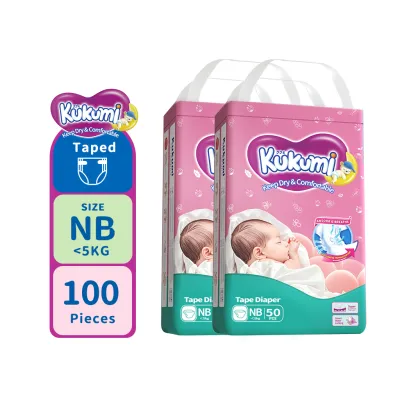
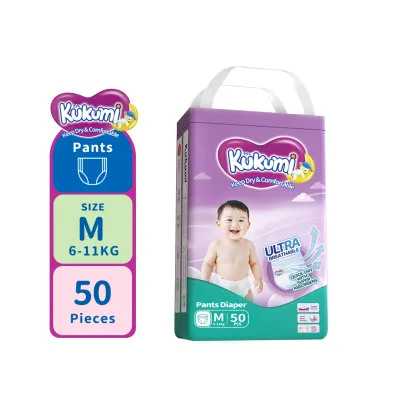
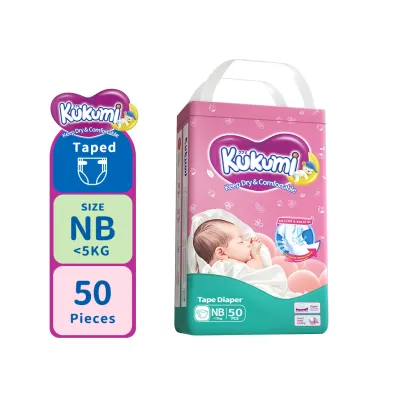
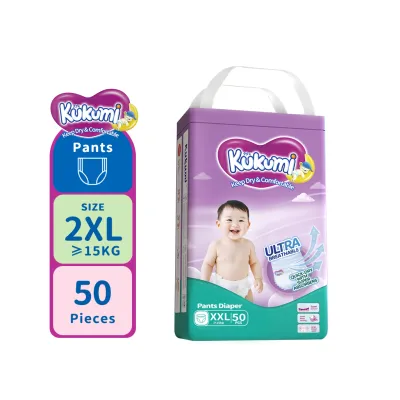
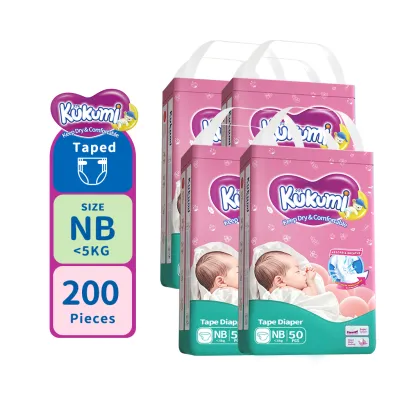
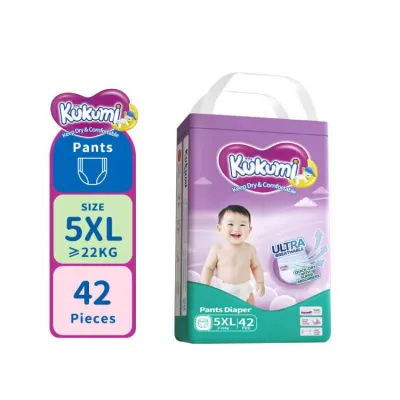
Prices are valid at publication and may change. Please refer to the product page for the latest price.
Evaluating Absorbency and Leak Protection: Kukumi Pants Diaper vs. Competitors
Absorbency is the most critical function of any disposable diaper, directly impacting both leak prevention and skin integrity. When evaluating diaper pants, caregivers must look past marketing slogans and focus on verifiable design elements. The core of a diaper determines how quickly liquid is pulled away from the skin and how well it is locked inside, preventing wetness from re-emerging under the pressure of a baby’s movements.
In tropical climates like the Philippines, where heat and humidity naturally increase the risk of skin irritation, superior absorbency is not just about preventing wet clothes—it is a cornerstone of pediatric skin health. Understanding how different brands structure their absorbent cores allows parents to make informed choices that match their baby’s specific wetting patterns.
Core Technologies and Wetness Indicators
When examining the product packaging of a kukumi pants diaper, Pampers, Equator, or Huggies, look closely for specifications regarding Super Absorbent Polymer (SAP) distribution. SAP is the active material responsible for turning liquid into a gel. Modern diapers utilize multi-layer cores or specialized dryness channels that distribute this polymer evenly rather than concentrating it in a single central block.
Dryness channels, which are highly emphasized in premium lines of Pampers and Huggies, help channel liquid rapidly along the length of the diaper. This design prevents the core from sagging and clumping between the baby’s legs. For value-focused options like Kukumi and Equator, the core may rely on a more traditional, uniform SAP layer that provides reliable absorption but may expand more uniformly when fully saturated.
Another invaluable feature to verify on the packaging is the presence of a wetness indicator. This color-changing line, typically running down the center of the outer shell, shifts from yellow to blue or green as the diaper absorbs moisture. This visual cue allows caregivers to monitor saturation levels at a glance without having to unfasten or tear the sides of the diaper pants, minimizing disruptions during play or rest.
Regardless of the brand you choose, always verify the maximum recommended weight limit printed on the label. Diaper sizes are determined by weight ranges, and exceeding the upper limit of a size compromises the core’s capacity to lock away moisture. If your baby is approaching the upper limit of their current size, upgrading to the next size up is often necessary to maintain optimal absorbency, even if the waistband still fits.
Daytime vs. Overnight Leak Protection
A major decision point for caregivers is distinguishing between daytime and overnight diapering needs. Daytime diaper pants prioritize a slim profile, lightweight materials, and high breathability to support active crawling, walking, and playing. Because babies are changed more frequently during waking hours—typically every three to four hours—the total fluid capacity of a daytime diaper does not need to be as massive as an overnight variant.
In contrast, overnight protection requires a diaper that can handle multiple wetting cycles over an eight-to-twelve-hour period without leaking. Premium lines within the Pampers and Huggies portfolios often feature dedicated overnight variants or heavily reinforced cores specifically engineered for prolonged wear. These diapers utilize denser SAP configurations and thicker distribution layers to manage heavy overnight wetting.
When testing a new diaper brand, observe how the core expands after use. A well-designed core distributes liquid evenly, preventing localized pooling and sagging. Sagging is a primary cause of leg leaks, as the heavy, wet core pulls the elastic cuffs away from the baby’s thighs, creating gaps.
For babies who are heavy wetters, caregivers may find that value-oriented options like Kukumi and Equator are highly efficient and economical for daytime use when frequent changes are already part of the routine. However, for long sleep stretches, transitioning to a premium overnight tier from Pampers or Huggies, or sizing up in your preferred brand, can provide the extra capacity needed to prevent midnight sheet changes and sleep disruptions.
Assessing Fit, Comfort, and Breathability in Humid Climates
In the Philippines, the combination of high ambient temperatures and persistent humidity creates a challenging environment for diaper wearers. A diaper that fits poorly or traps heat can quickly cause discomfort, chafing, and diaper rash. Therefore, evaluating the physical construction, elasticity, and material breathability of diaper pants is just as crucial as assessing their absorbency.

Waistband Elasticity and Leg Cuff Design
The primary benefit of diaper pants over taped diapers is the ease of pulling them up on an active, squirming baby. However, this convenience relies entirely on the quality of the waistband. When evaluating a waistband, look for a 360-degree elastic design that stretches smoothly to accommodate a baby’s expanding belly after meals.
The waistband should provide a snug, secure fit to prevent blowouts at the back, yet it must be gentle enough not to leave deep red marks or indentations on the baby’s skin. Additionally, check the tear-away side seams. High-quality diaper pants should tear cleanly and effortlessly from the bottom up when it is time for a change, preventing accidental spills or messes during removal.
Equally important are the leg cuffs, which act as the final barrier against leaks. Look for diapers featuring dual leak guards—inner and outer elasticized barriers that hug the contours of the baby’s thighs. When putting the diaper pants on, always run a finger around the leg openings to ensure the outer cuffs are flared outward rather than tucked inside.
Babies with thicker thighs, often affectionately called “chubby babies,” present a unique fit challenge. If a diaper’s leg cuffs are too tight, they will restrict circulation and cause painful chafing. If your baby has robust thighs, you may need to size up earlier than the weight chart suggests, or select brands like Huggies that are widely noted for their generous, stretchy leg openings. Conversely, slimmer babies may require a more snug, contoured cut to prevent gaps around the legs.
Material Breathability for Tropical Weather
To maintain healthy skin in hot, humid weather, a diaper must allow air to circulate. This requires a highly breathable outer cover and a soft, non-woven inner lining that wicks moisture away from the skin instantly. When shopping, check the packaging for claims of micro-pores, breathable zones, or cotton-like materials that facilitate heat dissipation.
Caregivers can physically assess breathability by feeling the texture of the diaper. A stiff, plastic-like outer shell is more likely to trap heat and sweat, creating a microclimate ripe for diaper rash and miliaria (prickly heat). Modern diaper pants, including many options from Kukumi, Pampers, Equator, and Huggies, utilize advanced non-woven fabrics that feel soft to the touch and promote airflow.
However, even the most breathable diaper on the market cannot overcome the risks of prolonged exposure to wetness. In high-humidity environments, frequent diaper changes remain the most effective defense against diaper rash. Caregivers should establish a regular changing schedule and avoid letting a wet diaper sit on the baby’s skin.
If your baby develops a persistent, red, or inflamed rash that does not improve with frequent changes and barrier creams, stop using the diaper and consult a qualified pediatrician. Rashes can sometimes be linked to specific material sensitivities or localized fungal infections that require professional medical diagnosis and targeted treatment.
Specification and Feature Comparison Matrix
To help you navigate the options available on the market, the following matrix outlines the key design features and specifications you should verify when comparing these four brands. Because manufacturers frequently update their product lines, introduce new sub-brands, or adjust packaging sizes, treat this table as a practical checklist to guide your physical inspection or online shopping verification.
| Brand | Typical Weight Range per Size | Waistband Type | Leg Cuff Design | Wetness Indicator | Common Pack Sizes |
|---|---|---|---|---|---|
| Kukumi | Check packaging for size-to-weight charts | 360-degree elastic stretch waistband | Dual-layered leak barriers | Verify on individual product packaging | Bulk economy packs, standard packs |
| Pampers | Check packaging for size-to-weight charts | High-stretch, seamless comfort belt | Dual-barrier leg cuffs with active stretch | Yes (available on most product lines) | Mega packs, super jumbo packs, trial packs |
| Equator | Check packaging for size-to-weight charts | Soft elasticized waistband with tear-away sides | Double-layered elastic leg guards | Verify on individual product packaging | Budget-friendly bulk packs, standard packs |
| Huggies | Check packaging for size-to-weight charts | Secure-fit elastic waistband with high elasticity | Triple or dual-barrier elastic cuffs | Yes (available on most product lines) | Jumbo packs, super jumbo packs, trial packs |
When shopping in-store or browsing official online stores, use this matrix to cross-reference the features listed on the diaper packaging. Pay close attention to the weight ranges, as different brands may have slightly overlapping weight limits for sizes like Medium (M), Large (L), and Extra Large (XL). Verifying these physical specifications ensures you select a diaper pants variant tailored to your baby’s current developmental stage.
Calculating Value: Cost Per Diaper and Pack Strategies
For many families in the Philippines, managing the household budget requires a strategic approach to purchasing baby essentials. Because diapers are a recurring, high-volume expense, evaluating their true economic value is just as important as assessing their performance. Comparing package prices at face value can be highly misleading, as pack sizes vary widely across brands and retailers.
To calculate the true cost of a diaper, always use the cost-per-piece formula. Divide the total price of the diaper pack by the exact number of diaper pants inside. For example, dividing the total pack price (in Philippine Pesos, ₱) by the number of pieces inside gives you the exact cost per diaper. This simple calculation allows you to compare a budget-friendly bulk pack directly against a premium jumbo pack, revealing which option offers the best value for your money.
When transitioning to a new brand or sizing up, always prioritize smaller trial packs, even though they carry a slightly higher cost per piece. Purchasing a small pack minimizes financial risk; if the diaper does not fit your baby’s unique body shape or causes skin irritation, you will not be left with a large, unusable inventory. Once you have confirmed that a specific brand and size fit your baby perfectly without causing leaks or rashes, you can confidently transition to buying bulk boxes or mega packs to secure the lowest possible cost per piece.
Additionally, caregivers can optimize their diaper budget by monitoring official brand stores on major e-commerce platforms. In the Philippines, monthly double-day sales and holiday promotional campaigns offer excellent opportunities to stock up. Value brands like Equator and Kukumi typically maintain highly competitive, aggressive baseline pricing year-round, making them excellent everyday options. Meanwhile, premium brands like Pampers and Huggies frequently offer steep discounts, vouchers, and bundle deals during major online shopping events, allowing you to purchase high-tier, specialized diapers at a significantly reduced cost.
Final Decision Framework: Which Brand Fits Your Routine?
To finalize your diapering strategy, consider how each brand aligns with your daily routine, budget, and baby’s unique physical characteristics. There is no need to restrict your household to a single brand; many parents find success by mixing and matching different diapers for different times of the day. Use the following framework to guide your next purchase:
- Choose Kukumi if: You are looking for a highly cost-effective, reliable option for frequent daytime changes. This brand is ideal if you prefer purchasing in bulk to maintain a steady supply of lightweight diaper pants that provide dependable baseline leak protection during your baby's active waking hours.
- Choose Pampers if: Your top priority is advanced dryness technology and rapid moisture absorption. This brand is highly suitable if your baby has sensitive skin prone to wetness-induced irritation, or if you require a reliable, high-capacity diaper that keeps skin dry over extended periods.
- Choose Equator if: You want a balanced, locally accessible value brand that delivers straightforward sizing and reliable everyday performance. This is an excellent choice for families seeking a practical, budget-conscious diaper that handles standard baby proportions and regular changing schedules with ease.
- Choose Huggies if: You have a highly active baby who is constantly crawling, climbing, or walking, or an infant with thicker thighs. The brand's robust leg barriers and highly elasticized, secure waistband are specifically engineered to prevent blowouts and gaps during vigorous movement.
- Verify first if: Your baby is prone to severe skin allergies, has highly unique body proportions, or is currently transitioning between developmental stages. Before purchasing a large bulk order of any brand, always buy a small trial pack to test the real-world fit, material softness, and absorbency on your baby.
Always follow the manufacturer’s weight guidelines printed on the packaging as your primary reference point, and closely monitor your baby’s skin health whenever you introduce a new diaper brand. If you notice persistent redness, unusual chafing, or signs of discomfort, discontinue use immediately and consult a healthcare professional. By combining careful observation with a clear understanding of each brand’s strengths, you can keep your baby comfortable, dry, and happy throughout their diapering years.

Community discussion
Share your experience or ask a question. Comments are reviewed before publication.