
Finding the right diaper for your baby in the tropical climate of the Philippines is a balancing act between absorbency, breathability, and cost. While Kukumi, Pampers, Equator, and Huggies are popular choices, there is no single brand that performs perfectly for every infant. The ideal diaper depends on your baby’s unique body shape, skin sensitivity, and urination patterns. By understanding how to evaluate physical features, read manufacturer labels, and conduct safe home trials, you can find the perfect fit that keeps your baby dry and comfortable through humid days and long nights.
Every baby’s physical build is different, meaning a diaper that works wonderfully for a friend’s child might lead to leaks or red marks on yours. In a high-humidity environment, diaper performance is also closely tied to how well the materials handle moisture and allow airflow. Rather than relying on generic recommendations, parents benefit most from a systematic approach to comparing these brands based on observable design elements and hands-on testing.
Understanding the Core Brand Profiles
Each diaper brand on the market designs its products with a specific philosophy, targeting different parental priorities such as ultra-thinness, heavy-duty overnight protection, or budget-friendly daily use. Understanding these general profiles helps you narrow down which options to test first based on your baby’s immediate needs and your household budget.
Products mentioned in this guide
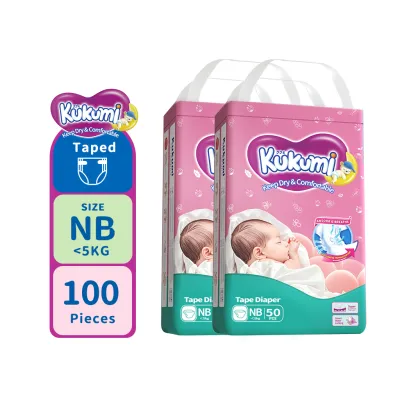
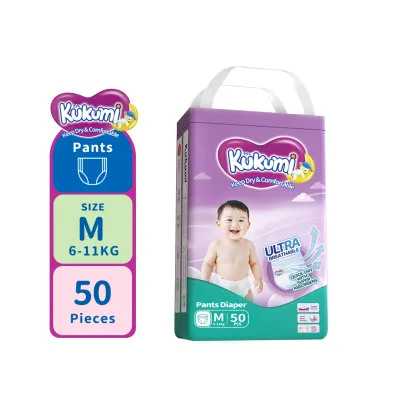
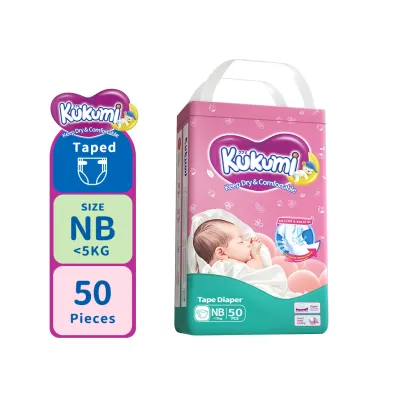
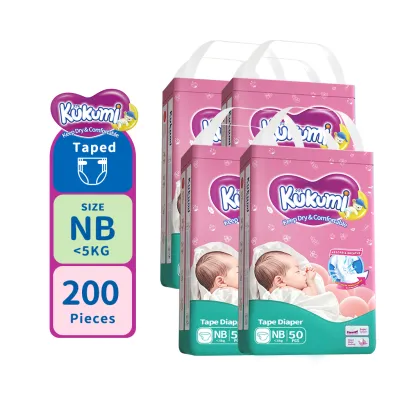
Prices are valid at publication and may change. Please refer to the product page for the latest price.
Kukumi is often positioned in the market as a modern, premium-tier diaper option that emphasizes an ultra-thin profile and high breathability. Its packaging typically highlights lightweight materials designed to minimize bulk, making it an appealing choice for parents living in warm, tropical climates where heat rash is a constant concern. The brand focuses on a soft, cloth-like feel that aims to reduce friction against a baby’s delicate skin during active movement.
Pampers is a globally established household name with a diverse product lineup ranging from everyday value options to premium dry-care lines. The brand generally focuses on advanced wetness distribution, utilizing specialized channels to spread liquid evenly and prevent sagging. Many of their designs feature highly stretchable side panels and thin, flexible absorbent cores that adapt to a baby’s movements.
Equator is widely recognized as a practical, value-oriented brand that focuses on delivering reliable, everyday leak protection without unnecessary frills. Its design philosophy centers on functional simplicity, offering a straightforward absorbent core and standard fastening systems. This makes it a popular choice for daytime use when diaper changes are frequent and cost-efficiency is a primary consideration for the family.
Huggies is known for its robust construction and focus on secure, snug-fitting designs that prevent messy cleanups. Their diapers often feature unique structural elements, such as pocketed waistbands designed to trap runny stools and double grip strips for a secure hold. The brand typically prioritizes high-capacity absorbency, making many of its product lines a common choice for overnight wear or long outings.
When comparing these brands, it is crucial to verify the specific product tier you are purchasing, such as standard, premium, or pants-style diapers. Features, softness, and overall performance can vary significantly between a brand’s budget-friendly line and its premium offering, so always check the packaging details carefully before making a direct comparison.
Evaluating Absorbency, Fit, and Skin Gentleness
Before committing to a large purchase, you can assess a diaper’s potential performance by closely examining its physical construction and the technical specifications listed on the packaging. This proactive evaluation helps you understand how the diaper is engineered to handle moisture, secure a proper fit, and protect your baby’s skin.

Checking Absorbency and Leak Protection
To evaluate how well a diaper can manage liquid, start by checking the packaging for descriptions of the absorbent core technology. Many modern diapers utilize superabsorbent polymers (SAP) that lock moisture away from the skin, while others use traditional pulp-based cores. Look for the presence of a wetness indicator—a color-changing strip on the outside of the diaper—which provides a quick visual cue for when a change is needed.
Next, physically inspect the diaper’s structural barriers before putting it on your baby. Gently run your fingers along the leg cuffs to ensure the standing leak guards are flexible and stand upright, as these elasticized barriers are your primary defense against side leaks. Additionally, check if the back waistband has an elastic barrier or pocket, which is essential for containing blowouts when your baby is lying down.
Keep in mind that packaging claims regarding “up to 12 hours of dryness” are tested under standardized laboratory conditions and may not reflect your baby’s actual experience. Real-world absorbency depends heavily on your baby’s liquid intake, urination frequency, and sleeping position, meaning you must monitor leak frequency during actual use to verify these claims.
Assessing Fit and Stretchability
A diaper’s ability to prevent leaks is only as good as its fit, which must match your baby’s specific body proportions. Examine the elasticity of the waistband and the flexibility of the side panels to see how much they stretch when pulled gently. High-quality fasteners should be easy to grip and capable of being repositioned multiple times without losing their stickiness or tearing the diaper material.
When choosing a size, do not rely solely on the weight ranges printed on the manufacturer’s size chart. These charts are general guidelines, and a baby who falls right in the middle of a weight range may still experience a poor fit if they have particularly chubby thighs or a round tummy. Compare your baby’s current weight and physical proportions against the diaper’s cut to anticipate whether you need to adjust the size.
It is common for a specific diaper brand to fit one baby perfectly while causing persistent red marks or leaks on another. This variation occurs because diaper cuts differ; some brands favor a narrower crotch and wider waist, while others are cut wider through the hips. Observing how the diaper sits on your baby’s unique frame is the only way to ensure a comfortable, leak-free fit.
Verifying Skin Gentleness and Materials
Because a baby’s skin is incredibly thin and sensitive, the materials that remain in direct contact with it for hours must be evaluated carefully. Read the ingredient and material list on the diaper packaging to check for the addition of botanical lotions, moisturizing strips, or synthetic fragrances. Some parents prefer fragrance-free and elemental chlorine-free options to minimize the risk of contact dermatitis.
Look for dermatological testing logos or hypoallergenic certifications on the packaging, which indicate that the manufacturer has submitted the materials for third-party skin safety evaluations. However, remember that these labels do not guarantee absolute safety for every child, as individual skin sensitivities are highly personal and unpredictable.
The most reliable way to verify skin compatibility is to observe your baby’s skin closely during the first few days of using a new brand. Check the diaper area during every change for signs of irritation, warmth, or localized redness. If persistent redness or diaper rash develops and does not improve with standard barrier creams, stop using that specific brand immediately and consult a qualified healthcare professional.
Practical Testing and Observation Guide
To find the best diaper without wasting money on large boxes that might not work, parents should adopt a structured, step-by-step trial method. This approach allows you to observe how each brand performs under real-world conditions before making a long-term financial commitment.
Begin by purchasing the smallest packs available, such as travel packs or trial bundles, directly from official brand stores or authorized sellers on trusted e-commerce platforms. Avoid buying bulk boxes initially, even if they offer a lower cost per diaper, as a sudden fit issue or skin reaction could leave you with unusable inventory. Testing small quantities first keeps your initial investment low and manageable.
During the trial period, pay close attention to how the diaper sits on your baby’s body after several hours of wear. When you remove the diaper, check the waistline and the inner thighs for red marks or deep indentations left by the elastics. While light, temporary marks that fade quickly are normal, deep or persistent red lines indicate that the elastic is too tight, the cut is too narrow, or you need to size up.
Keep a simple mental or written log over a three-to-five-day period for each brand you test, noting specific performance metrics. Track how many times a leak occurs, whether the diaper successfully contains heavy bowel movements, and how dry your baby’s skin feels to the touch during changes. This systematic tracking provides a clear, objective baseline that helps you compare the actual performance of Kukumi, Pampers, Equator, and Huggies on your baby.
Decision Framework: Choosing the Right Diaper
Once you have completed your home trials and gathered real-world observations, you can use a structured decision framework to choose the brand that best aligns with your family’s priorities, budget, and baby’s comfort.
Consider choosing Kukumi if your trial shows that its ultra-thin, lightweight design fits your baby’s body shape comfortably without sagging, and if its price fits within your daily household budget. This option is particularly suitable for parents who prioritize maximum breathability and a soft, low-bulk feel during hot, humid days.
Opt for Pampers if your baby benefits from the brand’s specialized wetness distribution channels and highly flexible side panels. This choice is ideal if you prefer a diaper that maintains a slim profile even when wet and provides reliable, active-day stretchiness that moves naturally with an crawling or walking infant.
Select Equator or Huggies if your trial indicates that your baby requires robust structural features to manage heavy wetting or overnight sleep. Equator serves as an excellent, cost-effective choice for frequent daytime changes where straightforward utility is key. Huggies is highly suitable if you require specialized features like pocketed waistbands to prevent back blowouts or heavy-duty absorbency for uninterrupted overnight dryness.
Regardless of the brand you choose, always prioritize your baby’s health and comfort over brand loyalty or promotional discounts. If your baby has known skin allergies or develops persistent, painful rashes that do not resolve with regular diaper changes and barrier creams, stop using the product immediately. Always consult a pediatrician to address underlying skin sensitivities and obtain professional medical guidance.
Frequently Asked Questions (FAQ)
Is it safe to mix different diaper brands for day and night use?
Yes, mixing different diaper brands is entirely safe, provided your baby’s skin tolerates the materials of both brands without any adverse reactions. Many parents find that using a lighter, more breathable diaper during the day allows for comfortable movement and frequent, cost-effective changes, while switching to a high-capacity, heavy-duty diaper at night helps prevent sleep-disrupting leaks.
How do I know if I need to size up in a specific brand?
You generally need to size up when you notice frequent leaks despite proper application, or when the diaper leaves deep, persistent red marks on your baby’s thighs and waist. Other clear indicators include difficulty pulling the fastening tabs to the designated landing zone on the waistband, or if the diaper’s rise is too low, failing to cover your baby’s bottom fully.
Community discussion
Share your experience or ask a question. Comments are reviewed before publication.