
Finding the right diaper pants for your baby in the Philippines often feels like a continuous trial-and-error process, especially with the tropical heat and humidity. Parents frequently compare established household names like Pampers and Huggies with newer, value-focused alternatives like Kukumi diaper pants. Each of these brands offers distinct design philosophies, material choices, and price points aimed at keeping your little one dry and comfortable throughout the day and night.
The ideal diaper pants for your baby will ultimately depend on their unique body shape, skin sensitivity, and daily activity levels. Active toddlers who are constantly crawling or walking require a highly flexible waistband that moves with them, while babies with sensitive skin need materials that prioritize breathability to prevent diaper rash.
As a quick guide, Pampers is often favored by parents looking for a thin, highly flexible fit that minimizes bulk under clothing. Huggies is widely recognized for its robust leak guards and structured design, making it a popular choice for heavy wetters and overnight use. Meanwhile, Kukumi diaper pants appeal to budget-conscious families seeking a soft, ultra-thin, and highly cost-effective option for frequent daytime changes without sacrificing basic absorbency. By understanding the unique strengths of each brand, you can make an informed decision that balances your baby’s comfort with your household budget.
Products mentioned in this guide
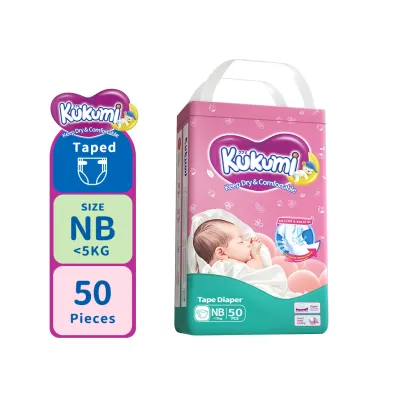
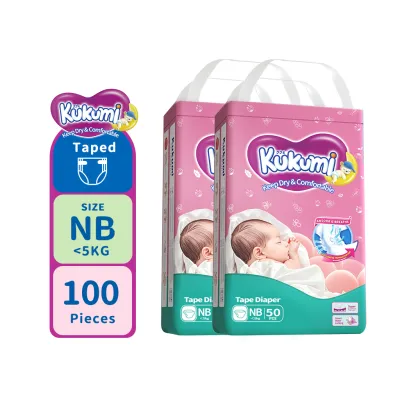
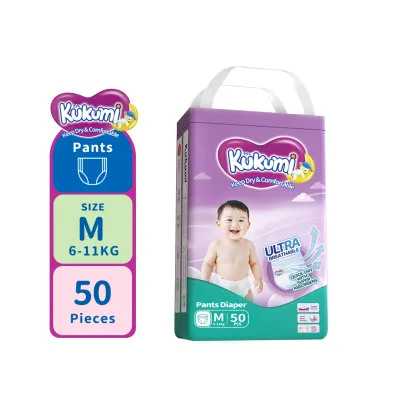
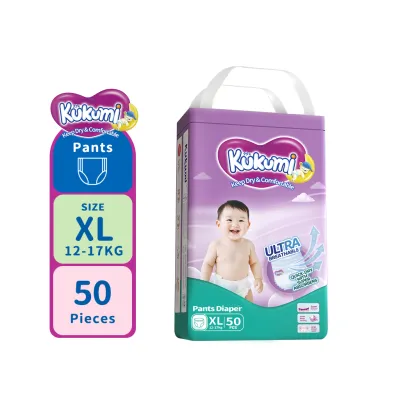
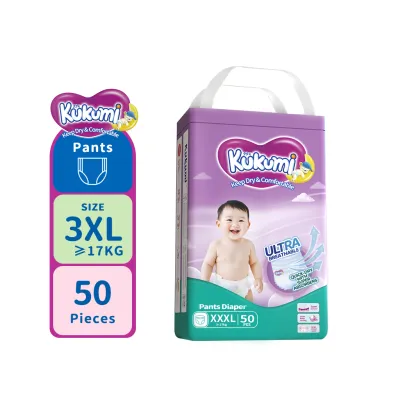
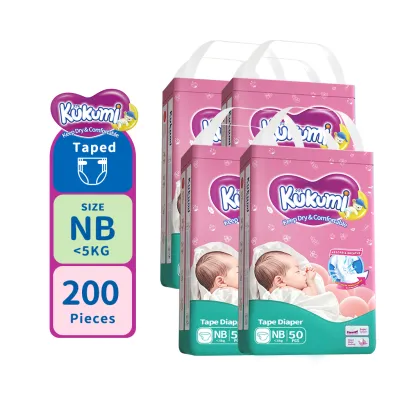
Prices are valid at publication and may change. Please refer to the product page for the latest price.
Comparing Absorbency and Leak Protection
Absorbency is the primary defense against diaper rash and sleep disruptions, making it the most critical factor for Filipino parents. When evaluating these three brands, you will find different approaches to managing moisture. Pampers typically utilizes a thin absorbent core designed to distribute wetness evenly across the diaper, preventing a heavy sag in the middle. Huggies often features a more structured, multi-layer absorbent pad that locks moisture away quickly, which is highly effective for sudden, heavy flows. Kukumi diaper pants focus on an ultra-thin composite core designed to absorb moisture rapidly while maintaining a flat profile.
Most modern diaper pants include a wetness indicator—a colored line on the outside of the diaper that changes color when wet. When comparing these brands, check the packaging to confirm if your chosen size includes this feature, as some basic or economy lines omit it. A reliable wetness indicator helps caregivers identify exactly when a change is needed, reducing the risk of prolonged skin contact with moisture.
During daily use, you should actively monitor how the diaper handles liquid by checking for sagging, pooling, and the performance of the leak guards. If you notice the diaper sagging heavily between your baby’s legs shortly after they urinate, the core may not be distributing the liquid efficiently. Pooling occurs when the top sheet fails to absorb liquid quickly enough, leaving wetness sitting on your baby’s skin. Always ensure the double-layered leg cuffs, or leak guards, are flared outward rather than tucked inward after putting the diaper pants on.
For overnight use, standard diaper pants may occasionally fall short if your baby is a heavy wetter or sleeps for long stretches. In these situations, you may need to size up by one level to increase the overall absorbent capacity of the diaper. Alternatively, you can look for premium overnight-specific product lines from Huggies or Pampers, which are specifically engineered with extra absorbent materials to handle up to twelve hours of wetness. Testing different sizes for nighttime use can help you find the perfect balance without experiencing leaks.
Evaluating Fit, Comfort, and Skin Sensitivity
A diaper can have excellent absorbency, but if it does not fit comfortably, it can cause physical distress and skin irritation. The waistband is the anchor of any diaper pants, and its elasticity varies significantly between brands. Pampers is known for its highly stretchable, body-hugging waistbands that adapt easily to different body shapes. Huggies offers a more secure, snug waistband that provides excellent support for active babies but can feel slightly stiffer. Kukumi diaper pants emphasize a soft, cloud-like waistband designed to minimize pressure on a baby’s delicate tummy.

To ensure the fit is correct, always inspect your baby’s skin during diaper changes. Look closely for red marks or deep indentations around the thighs and waist after you remove the diaper pants. Red marks around the thighs indicate that the leg cuffs are too tight, which can restrict circulation and cause chafing in hot, humid weather. If you see deep marks around the waist, the waistband is too snug, suggesting it is time to transition to a larger size or switch to a brand with a more forgiving stretch.
Breathability is another essential factor in the tropical Philippine climate, where trapped heat and sweat quickly lead to prickly heat and diaper rash. Look for packaging claims that highlight micro-pore outer covers or breathable backing sheets. These designs allow hot air to escape while keeping liquid contained, helping to keep your baby’s skin cool and dry.
Before committing to a brand, always verify hypoallergenic claims and dermatological testing labels on the packaging. While many brands advertise their products as gentle or hypoallergenic, babies with highly sensitive skin can still react to specific materials, fragrances, or lotions embedded in the diaper. Checking the packaging for certifications or clear ingredient disclosures is a reliable way to safeguard your baby’s skin health. If your baby develops persistent redness, consult a pediatrician to identify potential triggers.
Decision Framework: Which Brand Suits Your Baby?
To help you navigate the selection process, use this practical decision framework based on your baby’s specific needs and your family’s daily routine.
Choose Kukumi diaper pants if you are looking for an ultra-thin, soft, and highly affordable diaper for frequent daytime changes. This brand is particularly suitable for parents who prefer to change diapers every few hours to maintain hygiene and want to minimize the cost per piece in ₱. It is also an excellent option for babies who dislike bulky diapers under their clothes.
Choose Pampers if your baby is highly active, constantly on the move, and requires a diaper with maximum flexibility and a thin profile. This brand is ideal if you want a snug, underwear-like fit that stretches easily with your baby’s movements without causing friction.
Choose Huggies if you need a highly structured diaper with robust leak protection for overnight use or long outings. This brand is well-suited for heavy wetters who require a thick, reliable absorbent core and strong leg guards to prevent messy blowouts.
Verify first if your baby has severe eczema, extremely sensitive skin, or unusual body proportions, such as very chunky thighs or a highly slender waist. In these cases, standard sizing charts based solely on weight may not apply. You may need to experiment with different brands to find a cut that matches your baby’s unique shape without leaving gaps or causing tight red marks.
Before buying large bulk boxes, always purchase small trial packs of each brand. This allows you to test the fit, absorbency, and skin compatibility in real-world conditions. Additionally, calculate the exact price per piece in ₱ by dividing the total pack price by the number of diapers inside. This calculation ensures you are getting the best value for your budget while keeping your baby comfortable and dry.
Frequently Asked Questions (FAQ)
When should I switch from taped diapers to diaper pants?
You should consider switching to diaper pants when your baby reaches key mobility milestones, such as rolling over, crawling, pulling up to stand, or walking. During these stages, keeping an active baby still on their back for a taped diaper change can become incredibly challenging. Diaper pants can be pulled on quickly while your baby is standing or moving, making diaper changes much faster and less stressful for both of you.
How do I know if the diaper pants are the wrong size?
You will know the diaper pants are the wrong size if you observe specific physical signs during use. If you notice deep red marks around your baby’s waist or thighs, or if you experience frequent leaks and blowouts despite putting the diaper on correctly, the diaper is likely too small, and you need to size up. Conversely, if you see visible gaps around the legs, or if the diaper sags heavily even when it is completely dry, the diaper is too large, and you should size down.
Can I mix different diaper brands for day and night use?
Yes, mixing different diaper brands for day and night use is a highly practical and cost-effective strategy used by many parents. You can use a lighter, highly breathable, and more affordable diaper like Kukumi for frequent daytime changes when you can monitor your baby closely. For overnight sleep, you can switch to a more heavy-duty, highly absorbent diaper from Huggies or Pampers to ensure your baby stays dry and sleeps soundly without leaks. Always monitor your baby’s skin for any signs of irritation or redness when frequently switching between different diaper materials.
Community discussion
Share your experience or ask a question. Comments are reviewed before publication.