
Evaluating portable wipes for sensitive skin requires looking beyond brand names to examine physical dimensions, packaging integrity, and specific chemical formulations. While Kleenfant mini wipes are highly popular for their compact size and affordability, determining whether they are the gentlest choice depends entirely on your baby’s individual skin tolerance and your specific usage scenario.
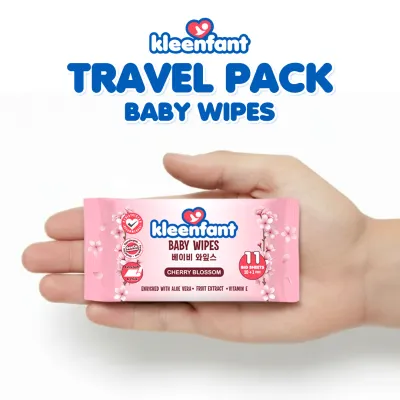
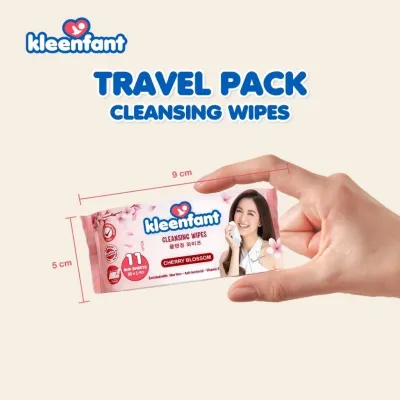
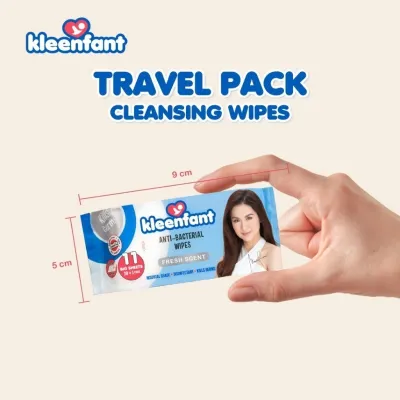
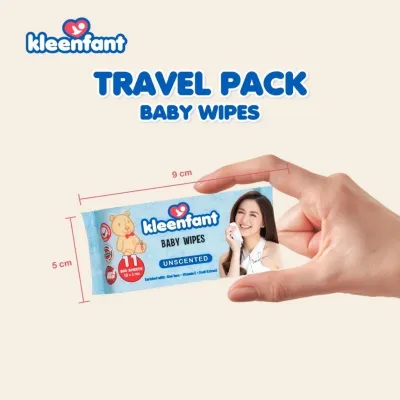
The primary advantage of Kleenfant mini wipes is their pocket-sized packaging, which fits easily into small diaper clutches, pockets, or stroller organizers. This small form factor is incredibly convenient for quick cleanups, such as wiping sticky fingers or light dust while traveling. However, a smaller package naturally means smaller individual wipe sheets, which can affect how you clean larger or more sensitive areas.
Caregivers must always verify the exact ingredient list on the specific package they purchase, as formulations can vary by batch or product line. While these wipes are marketed for sensitive skin, they are best suited for light, on-the-go cleanups. For heavy diaper messes or highly reactive, compromised skin barriers, a thicker, ultra-pure water-based alternative may be necessary to minimize friction and prevent irritation.
Products mentioned in this guide
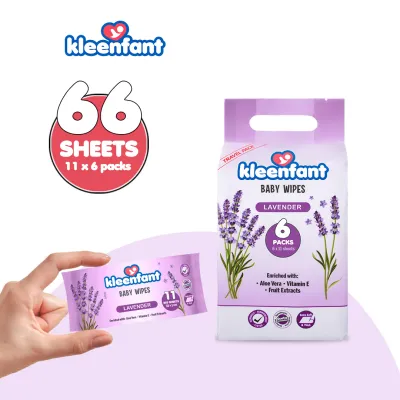
Prices are valid at publication and may change. Please refer to the product page for the latest price.
What Makes a Portable Wipe Safe for Sensitive Skin?
Sensitive skin, especially that of infants, has a thinner outer barrier that is highly susceptible to environmental irritants, friction, and chemical triggers. In tropical climates like the Philippines, heat and humidity can exacerbate skin sensitivity, making the choice of wipes even more critical. A safe portable wipe must balance effective cleansing with ingredients that preserve the skin’s natural protective barrier.
High water purity is the foundation of any safe baby wipe. Premium wipes often use water that has undergone multi-stage purification processes, such as reverse osmosis or electrodeionization (EDI), to remove minerals, micro-plastics, and bacterial contaminants. This ensures that the liquid base of the wipe does not introduce external irritants to already delicate skin.
Preservatives are necessary in wet wipes to prevent the growth of harmful bacteria and mold once the package is opened. However, the type of preservative matters immensely; caregivers should actively avoid harsh sensitizers like methylisothiazolinone (MIT) and chloromethylisothiazolinone (CMIT). Safe formulations rely on mild, food-grade, or dermatologically approved preservatives that keep the product sterile without triggering contact dermatitis.
Added synthetic fragrances and drying alcohols, such as ethanol or isopropyl alcohol, should be entirely absent from sensitive skin wipes. Fragrances are among the most common clinical allergens for infant skin, while alcohol strips away natural lipids, leaving the skin dry, cracked, and vulnerable. A truly safe wipe relies on a fragrance-free, alcohol-free formulation to maintain skin integrity.
Maintaining a proper pH balance is another non-negotiable feature for sensitive skin care. Healthy skin has a slightly acidic pH, typically hovering around 5.5, which helps maintain the acid mantle and deters harmful bacterial growth. Wipes that are formulated to match this natural pH range help prevent diaper rash and localized irritation during cleanups.
Beyond ingredients, the physical properties of the wipe—specifically its thickness and texture—play a major role in skin safety. Thinner, rougher materials require more wiping motions and physical pressure to clean a mess, creating mechanical friction that can cause microscopic tears in the skin. Soft, thick, and plush fibers allow caregivers to clean effectively with minimal strokes, significantly reducing the risk of friction-induced redness.
Marketing terms like “hypoallergenic,” “natural,” or “dermatologist-tested” are often self-declared by manufacturers and are not strictly regulated global standards. Caregivers should treat these claims as starting points rather than absolute guarantees. The most reliable way to ensure safety is to read the ingredient list on the back of the pack and understand what is actually touching your baby’s skin.
Assessing Kleenfant Mini Wipes: Portability and Skin Care Features
Kleenfant mini wipes are specifically engineered to address the need for maximum portability. The “mini” designation refers to the ultra-compact packaging, which typically contains a smaller sheet count—often 8 to 10 wipes per pack. This design allows caregivers to slip a pack into a pocket, a small handbag, or a vehicle compartment, ensuring that a quick cleaning option is always within arm’s reach.

While the compact packaging is highly convenient, it is important to evaluate how the mini form factor affects the actual size and thickness of the wipe. Smaller packaging necessitates smaller individual sheets to ensure they fold neatly inside the compact wrap. When dealing with larger messes, a smaller sheet may require you to fold and reuse the same wipe multiple times, or use several sheets in rapid succession, which can increase the overall friction applied to sensitive skin.
When examining Kleenfant packaging, caregivers should look for specific skin-safe claims, such as dermatological testing marks or clear statements regarding the absence of parabens, alcohol, and phenoxyethanol. Because formulations can be updated, physically checking the label of the specific batch you are purchasing is the only way to confirm these claims. This step is particularly important if your child has a history of allergic reactions to common cosmetic preservatives.
Moisture retention is a critical factor for any portable wipe, especially in warm, humid environments where evaporation occurs rapidly. Mini packs rely on adhesive sticker seals rather than hard plastic flip-top lids to maintain their slim profile. If the sticker seal is not pressed down perfectly after each use, or if dust and lint accumulate on the adhesive, the wipes can dry out quickly.
Dried-out wipes present two distinct hazards for sensitive skin. First, they lose their natural lubricating properties, turning a soft wipe into a rough, abrasive sheet that can easily irritate delicate skin during use. Second, a loss of moisture and compromised sealing can allow airborne bacteria or mold spores to enter the pack, potentially contaminating the remaining wipes.
How Kleenfant Compares to Other Portable Wipe Brands
To make an informed decision, caregivers must compare Kleenfant mini wipes against other portable and travel-sized wipes across three critical dimensions: formulation transparency, physical performance, and packaging durability.
Ingredient Transparency and Irritant-Free Claims
When comparing ingredient lists, Kleenfant mini wipes generally offer a budget-friendly formulation that excludes major irritants like parabens and alcohol. However, some premium sensitive-skin competitors take ingredient minimalism a step further. For example, ultra-premium brands may formulate their wipes with 99.9% purified water and a single drop of fruit extract, completely avoiding synthetic conditioning agents or complex preservative blends.
Some portable wipes include botanical extracts, such as aloe vera, chamomile, or tea tree oil, to soothe the skin. While these ingredients can be beneficial for some, they can act as contact allergens for children with highly reactive skin or conditions like eczema. Caregivers should compare the simplicity of Kleenfant’s ingredient list against these minimalist alternatives, prioritizing products with the fewest chemical components if their child has highly sensitive skin.
To verify these formulations, caregivers can cross-reference the listed ingredients with reputable skincare databases, such as the Environmental Working Group (EWG) Skin Deep database, or consult pediatric dermatological guidelines. Do not rely solely on front-of-pack marketing; a quick scan of the actual chemical names on the back will reveal whether a brand uses mild preservatives or more complex chemical stabilizers.
Wipe Thickness, Texture, and Cleaning Efficiency
Kleenfant mini wipes are designed primarily for light, everyday cleanups, meaning they are typically thinner than heavy-duty, premium diapering wipes. This thinness makes them incredibly lightweight and cost-effective, with prices often ranging from ₱15 to ₱30 per pack in the Philippines, making them highly accessible for daily local travel.
In contrast, premium sensitive-skin wipes often feature a embossed or quilted texture and a thicker fabric weight (measured in grams per square meter, or GSM). Thicker, textured wipes are designed to grab and hold onto messes, especially during diaper changes, in a single pass. This minimizes the need for repeated wiping, which is a primary cause of skin irritation in the diaper area.
If your primary use case is wiping dusty hands, sweaty faces, or clean surfaces while out in the humid weather, the thinner profile of Kleenfant mini wipes is highly efficient and practical. However, if you are managing diaper blowouts on the go, a thicker, more durable premium wipe will protect your hands better and clean the skin with far less friction.
Packaging Design and Moisture Retention for Travel
Packaging design directly impacts how well a portable wipe performs over its shelf life. Kleenfant mini wipes utilize a standard adhesive sticker seal to keep the package as slim and light as possible. This design is highly space-efficient but requires careful handling to ensure the adhesive remains clean and functional over multiple uses.
Some competing travel-sized wipes feature a miniature hard plastic flip-top lid. While this lid adds a small amount of bulk to the package, it provides a much more secure, airtight seal that prevents moisture loss even when the pack is tossed into a crowded diaper bag. The hard lid also makes it much easier to extract a single wipe with one hand while managing a squirming child.
For caregivers who go through a mini pack quickly—such as within a day or two of opening—the adhesive sticker on Kleenfant wipes is perfectly adequate. However, if you keep a pack in your bag for occasional emergencies, a brand with a hard plastic lid or a high-quality, heavy-duty adhesive seal will offer better long-term moisture retention and hygiene.
Quick Comparison Checklist for Caregivers
This comparison table summarizes how Kleenfant mini wipes generally compare to standard premium sensitive-skin portable wipes across key operational and physical categories.
| Feature | Kleenfant Mini Wipes | Standard Premium Portable Wipes |
|---|---|---|
| Packaging Size & Portability | Extremely compact; fits easily in pockets or small clutches. | Compact travel size, but slightly bulkier due to thicker materials or lids. |
| Wipe Thickness & Texture | Thinner, smooth sheet designed for light, rapid cleanups. | Thicker, often embossed or quilted for heavy-duty messes. |
| Ideal Use Case | Hands, face, and quick surface cleanups during brief outings. | Diaper changes, highly sensitive skin, and heavy-duty cleaning. |
| Moisture Retention Design | Slim adhesive sticker seal; requires careful resealing to prevent drying. | Heavy-duty adhesive seal or miniature plastic flip-top lid. |
| Key Ingredients to Verify | Absence of parabens, alcohol, and synthetic fragrances on the label. | Minimalist water-based formula (e.g., 99.9% purified water). |
Note: Exact specifications, ingredient formulations, and packaging designs can vary by product line, regional manufacturing batch, or brand updates. Always physically inspect the product label before purchase to confirm current ingredients and suitability.
Decision Framework: Which Wipe Should You Pack?
Choosing the right portable wipe involves matching the product’s specific characteristics to your daily routine, budget, and your child’s unique skin profile.
Choose Kleenfant Mini Wipes if:
- You prioritize maximum portability: You need a pack that fits into a small pocket, belt bag, or stroller pouch without adding bulk during short trips.
- The primary use is light cleanups: You need wipes mainly for wiping dusty hands, sweaty faces, or quick spills while traveling.
- Your child's skin is healthy and resilient: Your baby does not have active eczema, severe dry patches, or highly reactive skin, and can tolerate standard sensitive-skin formulations.
- You are budget-conscious: You want an affordable, everyday option for frequent, light cleanups that won't break the bank.
Choose Alternative Premium Portable Wipes if:
- You need them for diaper changes: You require a thick, textured, and durable wipe that can handle heavy diaper messes with minimal friction.
- Your child has highly reactive skin: Your baby requires a strictly minimalist formula (such as 99.9% water and a single mild preservative) to avoid contact allergies.
- You need long-term storage in a diaper bag: You want a package with a highly secure seal, such as a hard plastic lid, to prevent the wipes from drying out over weeks of occasional use.
Verify First if:
- Your baby has a diagnosed skin condition: If your child has eczema, psoriasis, or severe diaper dermatitis, consult your pediatrician before introducing any new wipe brand, regardless of "sensitive skin" or "hypoallergenic" marketing claims.
Safe Usage Tips and When to Consult a Pediatrician
To protect your baby’s skin barrier, always perform a simple patch test before fully integrating any new wipe brand into your routine. Gently wipe a small, clean area of your baby’s skin—such as the inner arm or thigh—and wait 24 hours. Monitor the area closely for any signs of irritation, redness, swelling, or localized dryness before using the product regularly.
If you observe any adverse reactions, stop using the wipes immediately. Common signs of skin irritation or allergic contact dermatitis include persistent redness, raised red bumps, dry or peeling skin, and crying or fussing during wiping. If these symptoms do not resolve within a few days of discontinuing the product, or if they worsen, consult a qualified pediatrician.
It is important to remember that wet wipes are a convenient supplement for travel and on-the-go cleanups, not a complete replacement for traditional washing. For daily care at home, or when managing an active diaper rash, washing the skin gently with lukewarm water and a soft, clean cotton cloth is the safest way to clean without causing friction. Always pat the skin completely dry with a clean towel rather than rubbing it.
Proper storage is essential to preserve the safety and efficacy of your portable wipes. Keep all wipe packages in a cool, dry place away from direct tropical sunlight, as extreme heat can degrade the preservatives and cause the adhesive seals to fail. Additionally, always store wipe packages out of reach of infants and toddlers to prevent accidental ingestion, choking hazards, or misuse.

Community discussion
Share your experience or ask a question. Comments are reviewed before publication.