
Choosing the right baby wipe in the Philippines requires balancing effective cleaning with skin compatibility, especially under humid tropical conditions. The ideal choice depends entirely on your baby’s unique skin triggers, the frequency of diaper changes, and whether their skin tolerates mild botanical formulations.
For babies with highly reactive skin or active diaper rash, a strictly fragrance-free, minimal-ingredient wipe is generally the safest starting point. Conversely, if you require a durable, textured wipe for heavy cleanups and your baby does not react to mild scents, a scented or botanical-infused option can offer a pleasant diapering experience.
Because every infant’s skin barrier develops at a different rate, parents should always perform a localized patch test. Apply a single wipe to a small, discreet area on the baby’s arm or leg for a few days and observe for any redness, dryness, or bumps before committing to full-body use.
Products mentioned in this guide
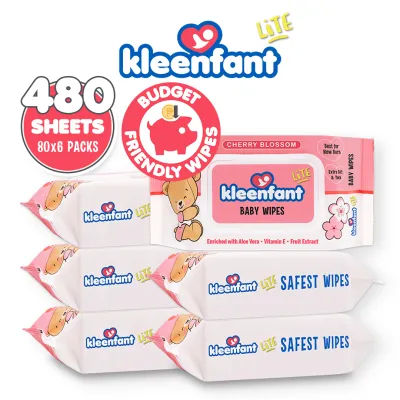
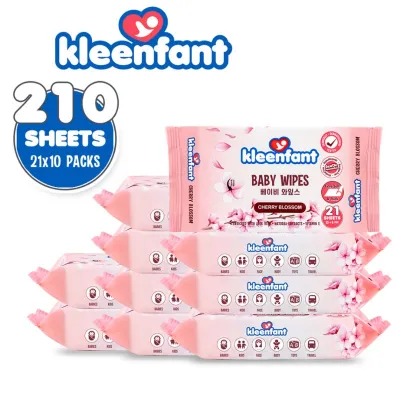
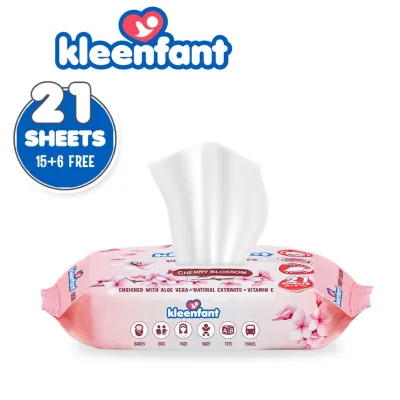
Prices are valid at publication and may change. Please refer to the product page for the latest price.
Key Label Checks for Sensitive Skin Wipes
When navigating the baby care aisle, reading the ingredient list is your first line of defense against diaper dermatitis. Many products feature prominent marketing claims on the front, but the real story lies in the fine print on the back of the packaging.
Look closely for the absence of drying alcohols, such as isopropyl alcohol or alcohol denat, which strip the skin of its natural oils and exacerbate dryness. Parabens and phenoxyethanol are common preservatives that some parents prefer to avoid due to potential skin sensitivity. Synthetic fragrances are a leading trigger for contact dermatitis in infants; thus, identifying “fragrance-free” or “unscented” on the label is crucial for highly sensitive skin.
The physical sheet itself plays a major role in skin health. Wipes are typically made from a blend of synthetic fibers or plant-based fibers like viscose and cotton. Plant-based fibers are often softer and more absorbent, reducing the friction required to clean the skin. Look for embossed or textured patterns on the sheet, as these lift messes more efficiently with fewer wipes, minimizing repetitive rubbing that can compromise the delicate skin barrier.
A high-quality wipe relies on purified water as its primary ingredient, often listed as EDI purified water or reverse osmosis water. The moisture level should be balanced; a wipe that is too dry will cause friction, while one that is excessively wet can leave residual moisture in diaper folds, creating a breeding ground for yeast in hot, humid climates. Soothing additives like aloe vera, chamomile, or botanical extracts can provide a cooling effect, but their suitability depends entirely on whether your baby has an underlying allergy to those specific plants.
Comparing Kleenex Cherry Blossom, Pigeon, and Mamypoko
Evaluating these three popular options side-by-side reveals distinct differences in formulation, texture, and intended use. Each brand targets a slightly different diapering need, making them suitable for different stages of a baby’s development.

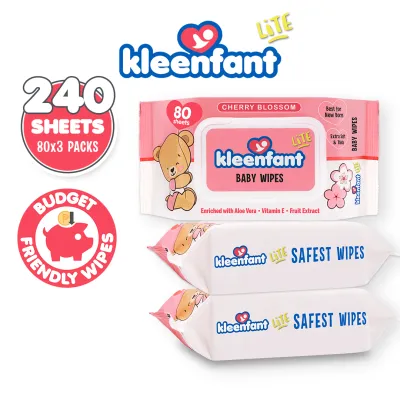
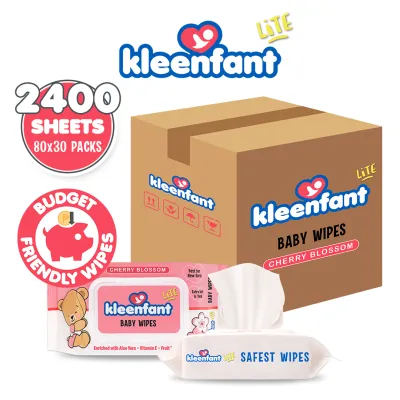
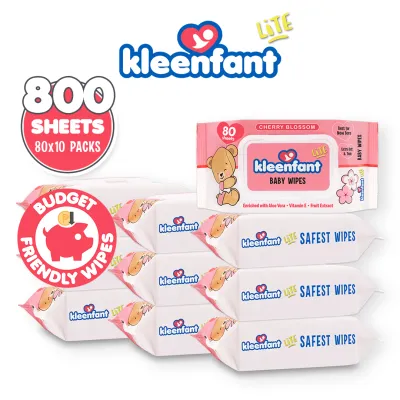
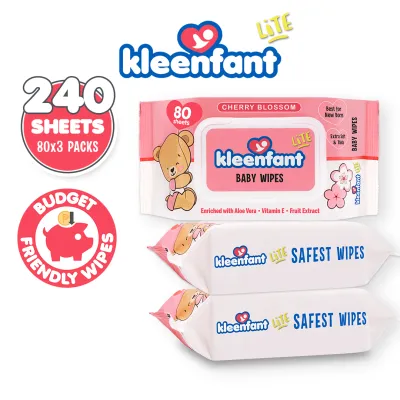
This option is highly popular among parents who appreciate a pleasant, refreshing scent during diaper changes. The primary appeal of the kleenfant cherry blossom wipes lies in their soft, textured sheet and the inclusion of cherry blossom extract, which is often utilized for its soothing properties. However, because it contains a distinct fragrance, parents must carefully inspect the ingredient list to ensure their baby does not have a sensitivity to botanical extracts or added perfumes. It is an excellent choice for everyday cleanups of hands, toys, and normal skin, but may require caution if your baby is prone to eczema flare-ups.
Pigeon is widely recognized for its clinical, minimalist approach to baby skincare. Their sensitive skin variants, such as the 99% Pure Water wipes, focus heavily on reducing the ingredient list to the absolute essentials. These wipes are typically fragrance-free, alcohol-free, and paraben-free, making them highly compatible with newborns and infants with extremely reactive skin. The material is designed to be exceptionally gentle, though it may lack the heavy embossing found in more robust utility wipes. If your primary goal is to minimize the risk of chemical irritation, verifying the specific “pure water” label on Pigeon packs is a reliable path.
Known primarily for their diapering expertise, Mamypoko offers wipes designed to handle heavy-duty cleanups. These wipes often feature a thicker, more cushiony material that prevents tearing and keeps hands clean during messy diaper changes. They generally maintain a high moisture retention level, ensuring the wipe remains wet from the first sheet to the last. Parents should check the packaging of the specific Mamypoko variant to verify the preservative system and material blend, as some versions may contain mild formulations designed for skin barrier support, while others focus purely on robust cleaning power.
Which Wipe Fits Your Baby's Skin and Routine?
Selecting the right product involves matching these brand characteristics with your daily routine and your baby’s specific skin tolerance.
Opt for kleenfant cherry blossom if your baby has normal to slightly sensitive skin and you prefer a wipe that leaves a clean, light scent. The textured sheet is highly effective for wiping away sticky tropical sweat, food residue, and everyday dirt during outdoor trips. It offers a practical balance of cost-effectiveness and sensory appeal for families who do not require strictly medical-grade, unscented products.
Select Pigeon if you are managing a newborn’s delicate skin barrier or if your baby regularly experiences redness and irritation from scented products. Its minimalist, water-heavy formulation provides peace of mind, especially during the high-humidity months when skin is already prone to heat rashes and friction.
Choose Mamypoko if your daily routine involves managing frequent, heavy diaper changes where sheet thickness and moisture retention are paramount. The robust design reduces the number of wipes needed per change, making it a highly efficient option for busy parents, provided your baby’s skin is compatible with their specific moisturizing formula.
If your baby has a diagnosed skin condition such as pediatric eczema, atopic dermatitis, or severe diaper candidiasis, do not rely solely on commercial product comparisons. Always consult a qualified pediatrician or pediatric dermatologist before introducing any new wet wipe to their care routine.
Frequently Asked Questions (FAQ)
Can I use scented wipes like Cherry Blossom on a newborn?
It is generally recommended to avoid scented wipes, including cherry blossom variants, on newborns during their first few months of life. A newborn’s skin barrier is significantly thinner and more permeable than adult skin, making it highly susceptible to absorbing topical chemicals and developing contact allergies. Added fragrances, even those derived from natural botanical extracts, can trigger redness, dryness, and itching on highly sensitive newborn skin. For the initial postpartum period, stick to wipes labeled as 99% pure water and fragrance-free, or use cotton balls dipped in warm water, until your pediatrician confirms that your baby’s skin barrier has matured sufficiently to tolerate mild scents.
How should I store wet wipes to prevent them from drying out or growing mold?
In warm, humid climates, proper storage of baby wipes is essential to maintain both moisture and hygiene. Always seal the plastic lid or adhesive tab tightly immediately after pulling out a wipe to prevent ambient air from drying out the pack. Store the wipes in a cool, dark cupboard away from direct sunlight, heat sources, or humid bathroom environments, as elevated temperatures can accelerate bacterial and mold growth inside the packaging. If you notice any change in the color of the wipes, a sour or unusual odor, or any dark spots, discard the entire pack immediately to protect your baby from potential skin infections.
Community discussion
Share your experience or ask a question. Comments are reviewed before publication.