
Finding the right newborn diaper in the Philippines involves balancing structural design, material breathability, and your baby’s unique anatomy. While Kleenbebe (often compared alongside Kleenfant), Pampers, Huggies, and Equator are all popular choices, no single brand offers a universal performance advantage. Instead, their effectiveness in preventing leaks and protecting sensitive skin depends on how their specific fit mechanisms and absorbent cores interact with your newborn’s body shape and daily output.
Because newborns have exceptionally delicate skin and a high frequency of liquid stools, selecting a diaper requires looking closely at physical features rather than relying on generalized brand popularity. The tropical climate adds another layer of complexity, as high humidity and heat make breathability and rapid moisture absorption critical to preventing diaper rash. By understanding what to look for on each product’s packaging and how to test the fit at home, you can make an informed decision that keeps your baby dry and comfortable.
Defining Absorbency and Fit for Newborn Skin
Absorbency in a newborn diaper is primarily determined by the distribution of its absorbent core, which typically consists of superabsorbent polymer (SAP) granules and cellulose pulp. This core is designed to quickly draw liquid away from the skin and lock it inside to prevent rewetting. Many modern diapers also feature a wetness indicator—an external strip that changes color when exposed to moisture—helping caregivers identify when a change is needed without opening the diaper.
Products mentioned in this guide
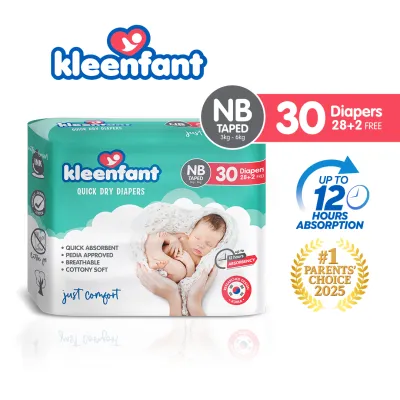
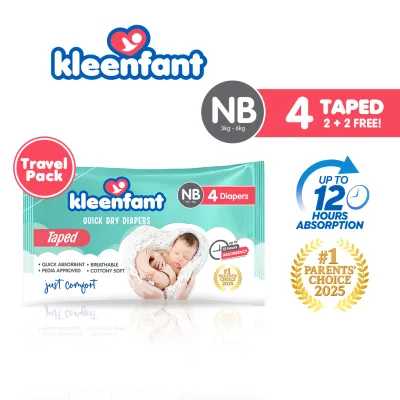
Prices are valid at publication and may change. Please refer to the product page for the latest price.
Proper fit is equally critical to prevent leaks and ensure comfort. A well-fitting diaper relies on three main structural areas: snug but gentle leg cuffs (often designed as double leak guards), an elastic waistband that stretches with the baby’s movements, and a contoured front area to accommodate the healing umbilical cord stump. If any of these areas do not align with your baby’s specific proportions, leaks or skin irritation can occur regardless of the diaper’s theoretical absorbency.
While manufacturers print various performance claims on their packaging, such as “12-hour dryness” or “hypoallergenic materials,” these are tested under standardized laboratory conditions. In daily practice, you must verify these claims against your baby’s actual skin reaction and leak frequency. A diaper that works well for one newborn may sag or leak on another due to differences in thigh circumference, waist shape, or sleeping positions.
Comparing Structural Design and Fit Features
To find the most compatible option, caregivers should examine the packaging and product specifications of each brand for specific newborn-focused design elements. Comparing these physical features side-by-side allows you to match the diaper’s structural strengths with your baby’s immediate physical needs.

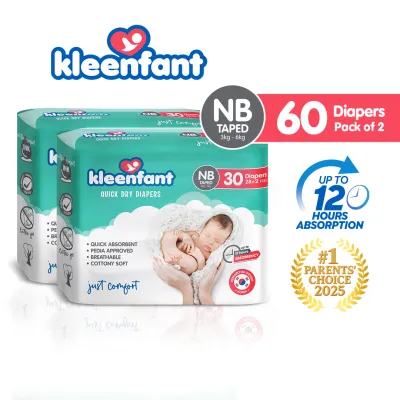
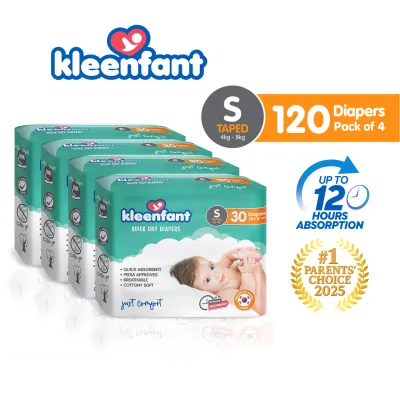
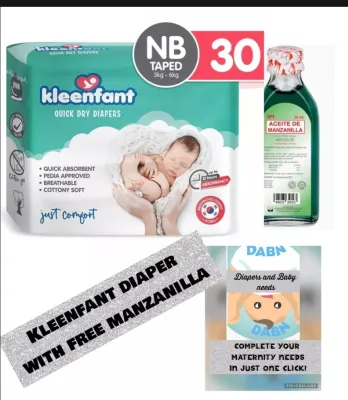
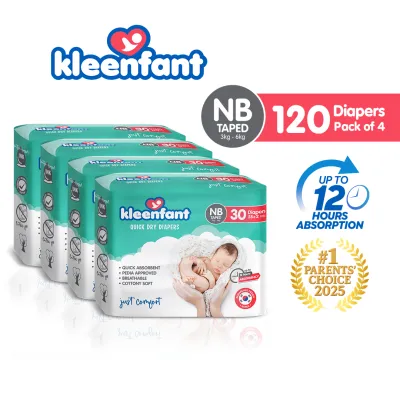
Kleenbebe and Kleenfant NB Diapers
When evaluating Kleenbebe and Kleenfant newborn diapers, start by checking the packaging labels for their specific core technology and material softness claims. Kleenfant products often emphasize skin-friendliness, hypoallergenic certifications, and ultra-soft top sheets designed to minimize friction against sensitive newborn skin. Kleenbebe lines may focus on reliable, everyday absorption and value, making it important to distinguish between these two related brands when shopping.
Next, inspect the packaging or product descriptions for details regarding the waistband and umbilical cord area. Look for indications of a stretchable waistband, which helps secure the diaper against back leaks when your baby is lying down. You should also verify whether the specific newborn pack features a dedicated umbilical cord cutout, as some product lines require you to manually fold down the front panel to keep the healing belly button stump exposed to air.
Finally, review the material specifications for breathability. In a humid tropical environment, a diaper with a highly breathable back sheet is essential for allowing heat and moisture to escape. Check the label to confirm if the diaper utilizes micro-porous materials that promote air circulation while keeping wetness contained.
Pampers Newborn Diapers
Pampers newborn diapers are widely recognized for their specific absorbent channel designs, often marketed as zones that distribute wetness evenly across the core. When inspecting Pampers packaging, look for details on how these channels function to prevent the diaper from sagging or clumping when wet. A well-distributed core helps maintain a consistent fit even after multiple urinations.
You should also examine the side panels and leg cuff structures described on the package. Pampers typically features highly stretchable, tape-on side fasteners that allow for a highly customizable fit around a newborn’s delicate waist. The leg cuffs are designed with double-layer barriers to contain liquid stools, which is particularly important during the first few weeks of life.
Keep in mind that Pampers offers different product lines in the local market, such as Premium Care and Baby Dry. Premium Care variants generally focus on silk-like softness and enhanced breathability, while Baby Dry variants prioritize long-lasting dryness. Caregivers should carefully verify the specific variant’s features on the label to ensure it aligns with their baby’s skin sensitivity and their own budget.
Huggies Newborn Diapers
Huggies newborn diapers frequently feature a pocketed waistband at the back, which is a physical barrier designed to trap loose, runny bowel movements and prevent back blowouts. When reviewing Huggies packaging, look for this specific structural feature, as it can be highly beneficial for breastfed newborns who tend to have frequent, liquid stools.
Additionally, check the label for information regarding the umbilical cutout. Huggies often designs its newborn sizes with a specially contoured front waistband that sits comfortably below the belly button, reducing the risk of friction against the healing cord stump. You should also inspect the claims regarding their absorbent core, which often highlight rapid-draw liners or textured top sheets designed to pull wetness away from the skin instantly.
Because Huggies offers multiple product lines, such as Huggies Dry and Huggies Nature Care, it is essential to verify the exact variant you are purchasing. Nature Care lines may feature organic cotton blends and hypoallergenic materials, whereas standard lines focus on reliable daily protection. Reviewing these details on the packaging helps you select the right balance of material purity and performance.
Equator Newborn Diapers
Equator newborn diapers are often considered an accessible, budget-friendly option for families. When assessing Equator packaging, pay close attention to the core material specifications and breathability claims. Look for indications of a high-capacity absorbent core that can handle regular output without causing surface dampness.
Inspect the leg gather design and the strength of the fastening tabs. The elastic leg gathers should be wide and flexible enough to create a secure seal around the thighs without digging into the skin. Strong, refastenable tabs are also important, as they allow you to open and adjust the diaper multiple times to check for wetness without tearing the outer material.
Finally, compare the stated weight range on the Equator package with your baby’s current weight. Sizing can vary significantly between brands, and a newborn diaper designed for babies up to 5 kilograms may fit differently depending on whether your baby has chubby thighs or a slender build. Checking the weight guidelines helps prevent purchasing a size that is immediately too small or too loose.
How to Test and Adjust Diaper Fit at Home
Once you have selected a diaper, verifying its fit during actual use is the most effective way to prevent leaks and protect your baby’s skin. Start by applying the two-finger rule: after fastening the diaper tabs, slide two fingers easily between the waistband and your baby’s tummy. If the space is too tight, the diaper may cause discomfort or gas pain; if it is too loose, liquid can easily escape from the top.
Next, check the leg openings to ensure the cuffs are positioned correctly. Run your finger around the elastic leg gathers to pull the outer frills outward. If the inner or outer cuffs are tucked inward, they cannot form an effective barrier, which is a primary cause of leg leaks. The cuffs should sit snugly in the groin crease without leaving deep red indentations.
Monitor the diaper’s performance by checking the wetness indicator regularly and observing the core after use. If you notice severe gel clumping, sagging, or if the outside of the diaper feels cold and damp, the diaper has reached its absorbency limit. You should stop using a specific brand or size if your baby experiences persistent red marks on their skin, frequent leaks, or localized chafing. If a diaper rash develops and does not improve with frequent changes and barrier cream, consult a pediatrician for professional guidance.
Decision Framework: Choosing the Right Diaper for Your Baby
Choosing the right diaper involves matching your baby’s current physical needs with the structural strengths of each brand. If your newborn is prone to frequent, explosive liquid stools, prioritizing a diaper with a pocketed waistband, such as Huggies, can help prevent messy back blowouts. If your baby’s umbilical cord stump is still healing and highly sensitive, look for a brand with a prominent, pre-cut umbilical cutout, or prepare to fold down the front panel of brands like Equator or Kleenbebe.
In the hot and humid Philippine climate, prioritizing breathability and rapid absorption is key to maintaining skin health. If your baby has highly sensitive skin, investing in premium variants like Pampers Premium Care or Kleenfant, which emphasize hypoallergenic materials and soft top sheets, may be beneficial. For daytime use when changes are highly frequent, a more budget-friendly option like Equator or standard Kleenbebe can help manage household expenses.
To evaluate the financial impact, calculate the cost-per-piece using current prices from physical supermarkets or online marketplaces. Divide the total price of the pack by the number of diapers inside (for example, ₱350 for a pack of 40 diapers equals ₱8.75 per piece). Comparing these unit costs allows you to see the actual value of each brand without relying on outdated promotional figures.
Before committing to bulk purchases, always buy the smallest available packs of two or three different brands. Testing these small packs over a few days allows you to observe how each diaper fits your baby’s unique shape, how well it handles their specific output, and how their skin tolerates the materials. This trial method prevents you from getting stuck with a large supply of diapers that do not fit or that cause skin irritation.
Frequently Asked Questions (FAQ)
How often should I change a newborn diaper to prevent leaks?
Newborns urinate frequently and have multiple bowel movements a day, making regular changes essential. The general pediatric recommendation is to check your baby’s diaper every two to three hours and change it immediately after any bowel movement. Do not rely solely on the wetness indicator or wait for the diaper to feel heavy, as newborn skin is exceptionally thin and highly vulnerable to irritation from the ammonia in urine and the enzymes in stool. Frequent changes are the most effective way to prevent diaper rash and minimize the risk of leaks.
Do all newborn diapers have an umbilical cord cutout?
No, an umbilical cord cutout is not a universal feature across all newborn diaper brands. While many premium newborn variants include a contoured front waistband or a physical cutout to protect the healing cord stump, some standard or budget-friendly brands rely on a straight, lower-rise front panel. If the diaper you choose does not have a cutout, you can easily fold the front waistband outward and downward before fastening the tabs. This simple adjustment prevents the diaper material from rubbing against the stump, keeping it dry and exposed to air to promote safe healing.
Community discussion
Share your experience or ask a question. Comments are reviewed before publication.