
Quick Answer: Which 3XL Pants Diaper Should You Choose?
Finding the right 3XL pants diaper for an active toddler in the Philippines involves balancing fit, skin comfort, and household budget. Because there is no single diaper that works perfectly for every child, the ideal choice depends on your toddler’s unique body shape, skin sensitivity, and your daily spending goals.
When comparing Kleen Enfant, Pampers, and Huggies, parents often look at different brand characteristics. For instance, some brands are frequently associated with budget-friendly bulk options, while others are known for premium overnight absorbency or ultra-flexible waistbands. However, these general reputations should always be treated as hypotheses to verify by checking the specific product packaging.
Before purchasing a large box, always check the exact weight range printed on the 3XL packaging. Sizing standards vary significantly between Kleen Enfant, Pampers, and Huggies, meaning a 3XL in one brand might fit differently than a 3XL in another.
Products mentioned in this guide
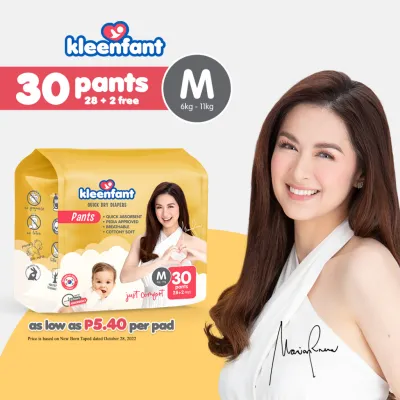
Prices are valid at publication and may change. Please refer to the product page for the latest price.
Sizing and Fit: Comparing 3XL Dimensions for Toddlers
One of the most common misconceptions in toddler care is that diaper sizes are standardized across all manufacturers. In reality, a “3XL” label does not represent a universal set of dimensions. The cut, waistband elasticity, and leg opening sizes can differ dramatically between Kleen Enfant, Pampers, and Huggies. This variation is particularly important for toddlers who are transitioning into larger sizes but still have unique body proportions, such as chunky thighs or a rounder belly.

To avoid the frustration of leaks or uncomfortable chafing, parents should measure their toddler’s waist and thighs rather than relying solely on weight recommendations. Once you have these measurements, compare them against the detailed sizing charts often found on the brand’s official website or the back of the diaper packaging. A diaper that matches your child’s weight range might still cause leaks if the leg cuffs are too loose or if the waistband is too tight.
When trying a new brand of 3XL pants, observe how the diaper sits on your toddler’s body during active play. Look closely for any red marks left on the skin around the waist and thighs after a few hours of wear. These marks indicate that the elastic is too tight or that the cut is too narrow for your child’s build. Additionally, check that the waistband stretches comfortably without restricting movement and that the outer leg cuffs flare outward rather than tucking inward.
If you notice frequent blowouts, sagging even when the diaper is relatively dry, or if your toddler constantly pulls at the waistband, it may be time to adjust. These signs suggest that you either need to size up or switch to a brand with a different cut. For example, a toddler with a slender build might require a brand known for a snugger, more contoured fit, while a more robust toddler will benefit from a brand that offers wider leg openings and highly stretchable side panels.
Absorbency and Skin Comfort: Evaluating Core Materials
In a warm and humid tropical climate like the Philippines, diaper breathability and absorbency are crucial for maintaining healthy skin. When evaluating Kleen Enfant, Pampers, and Huggies, parents should carefully inspect the packaging for specific core technology claims. Look for features such as wetness indicators, breathable outer sheets that allow heat to escape, and specialized absorbent channels designed to distribute liquid evenly and prevent sagging.
To determine how well a diaper performs in your specific home environment, you can conduct a simple real-world test. Observe the diaper during overnight use or during a long afternoon nap when heavy wetting is most likely to occur. Note whether the diaper sagged excessively, whether the outer surface felt damp to the touch, or if any moisture leaked onto the bedsheets. This hands-on observation is often more reliable than relying on generic marketing claims.
Skin sensitivity is another critical factor when choosing a 3XL pants diaper. If your toddler has a history of diaper rash or sensitive skin, prioritize packages that display clear dermatological testing labels, hypoallergenic certifications, or fragrance-free formulations. These indicators suggest that the materials have been evaluated to minimize the risk of irritation, though they do not guarantee absolute safety for every individual child.
Regardless of the brand you choose or the advanced absorbency technologies advertised on the box, frequent diaper changes remain your primary defense against diaper rash. Prolonged exposure to moisture and friction is the leading cause of skin irritation. In high-humidity environments, changing your toddler’s diaper promptly after wetting is essential, even if the diaper’s core is designed to hold a large volume of liquid.
Value and Cost Analysis: Calculating the Price Per Diaper
When managing household expenses, comparing the total price of diaper packs can be highly misleading. A larger box might seem expensive at first glance, but it often contains a higher quantity of diapers, resulting in a lower cost per individual piece. To make an accurate financial comparison between Kleen Enfant, Pampers, and Huggies 3XL pants, you must calculate the price per diaper.
To find this value, divide the total cost of the pack in ₱ by the number of diapers inside. For example, if a pack costs ₱600 and contains 30 diapers, the cost per piece is ₱20. Use this simple formula to compare bulk boxes against smaller travel packs found on online marketplaces or in local supermarkets. Often, buying in bulk or during promotional events on ecommerce platforms yields a significantly lower price per piece.
As toddlers grow older, their daily diaper consumption typically decreases. A toddler who is beginning potty training may only need a few diapers a day, mostly for naps and nighttime use. This shift changes the value proposition of different brands. If you only need two or three diapers a day, investing in a premium, highly absorbent brand for overnight wear might be more cost-effective than buying a massive bulk box of a budget brand that requires more frequent changes.
However, parents should exercise caution when stockpiling 3XL diapers. Because 3XL is typically the final size before a child transitions fully to underwear, your toddler may potty train sooner than expected. Buying too many bulk boxes of 3XL pants can leave you with expensive leftover inventory that your child has outgrown. It is generally wiser to purchase medium-sized packs or maintain a modest stock as your toddler nears potty training age.
Decision Framework: Matching the Diaper to Your Toddler
To make your final purchasing decision easier, use this structured framework to match the diaper brand to your toddler’s specific daily needs and your family’s lifestyle.
Choose a budget-friendly or bulk-oriented brand if:
- Your toddler is changed frequently throughout the day, making ultra-high overnight absorbency less critical.
- You are actively potty training and only need a simple, easy-to-pull-up pant diaper for short outings.
- Your primary goal is minimizing the daily cost per piece while maintaining basic leak protection.
Choose a premium or highly absorbent brand if:
- Your toddler is a heavy wetter, especially during overnight sleep, and you want to minimize sleep disruptions.
- Your child has highly sensitive skin that reacts quickly to moisture, requiring advanced breathable materials and moisture-wicking channels.
- You prefer a highly elastic, contoured fit that accommodates an active, fast-moving toddler without sagging.
Verify first if:
- Your toddler has unique physical proportions, such as exceptionally chunky thighs or a very narrow waist, which may require testing different cuts.
- You are unsure about skin compatibility; always check the packaging for hypoallergenic or dermatologically tested labels before buying.
Before committing to a large bulk purchase of Kleen Enfant, Pampers, or Huggies 3XL pants, always buy a small trial pack first. Testing a small quantity allows you to evaluate the fit, absorbency, and skin compatibility on your toddler in real-world conditions without risking a significant financial loss.
Frequently Asked Questions (FAQ)
When should I switch my toddler from tape diapers to 3XL pants?
You should consider switching to 3XL pants when your toddler becomes highly active, starts standing or walking, and resists lying down for diaper changes. Pants diapers are much easier to pull on while the child is standing, making changes quicker and less stressful. Additionally, if your toddler has outgrown the maximum weight limit of your current tape diapers, or if the tape tabs are straining and leaving red marks on their hips, transitioning to a 3XL pants diaper will provide a more comfortable, flexible fit.
How do I prevent leaks if the 3XL diaper fits but still leaks at night?
If the 3XL diaper is the correct size but still leaks overnight, start by checking the leg cuffs immediately after putting it on. Ensure the outer ruffles are pulled outward and are not tucked inside, as tucked cuffs are a primary cause of leg leaks. You should also evaluate your toddler’s fluid intake in the hour before bedtime. If leaks persist, consider using a diaper specifically designed for overnight use, or adjust the diaper’s positioning slightly higher in the front for boys or in the middle for girls to align with where they wet most.

Community discussion
Share your experience or ask a question. Comments are reviewed before publication.