
Finding the right diaper for your baby is a journey of trial and observation, especially in the tropical climate of the Philippines where high humidity and heat make skin-friendliness and breathability top priorities. When comparing household names like Pampers and Huggies with rising budget-friendly alternatives like Kleefants and Equator, parents often wonder if they need to pay a premium for everyday protection. The truth is that the ideal diaper is not necessarily the most expensive one; rather, it is the one that matches your baby’s current developmental stage, skin sensitivity, and your family’s daily routine.
By understanding how a kleefants diaper compares to established global brands, you can design a smart, cost-effective diapering strategy that keeps your little one dry and rash-free without overstretching your budget.
Quick Answer: Which Diaper Brand Fits Your Baby's Needs?
Every baby has a unique body shape, skin chemistry, and activity level, meaning there is no single diaper brand that works perfectly for every infant. What keeps one baby dry during a long afternoon nap might cause leaks or skin irritation for another. Choosing the right option requires balancing performance factors like absorbency and fit against your household budget.
Products mentioned in this guide
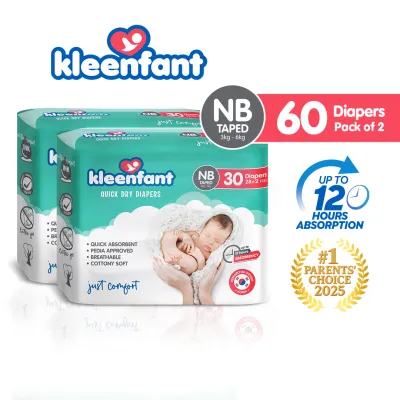
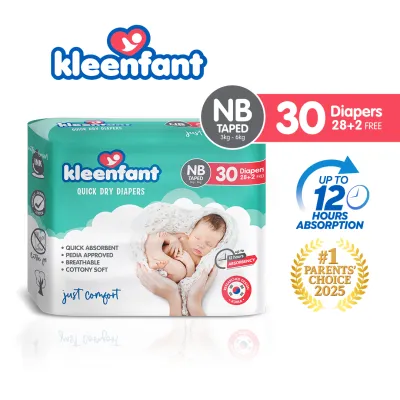
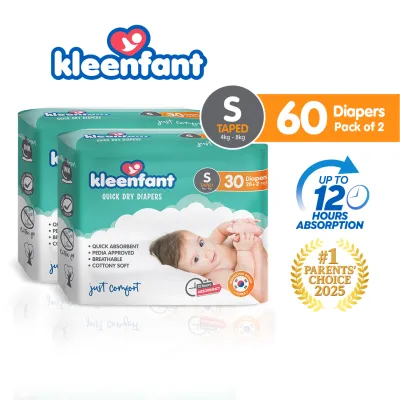
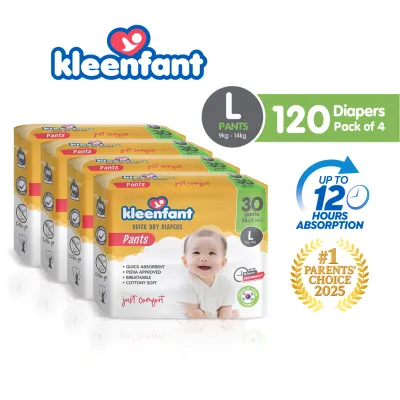
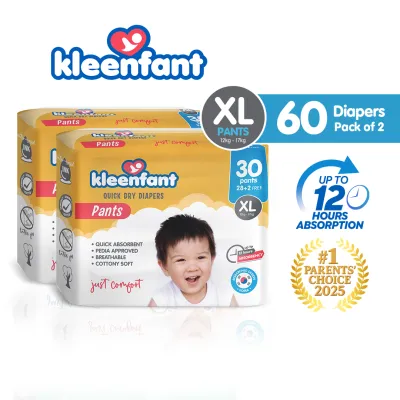
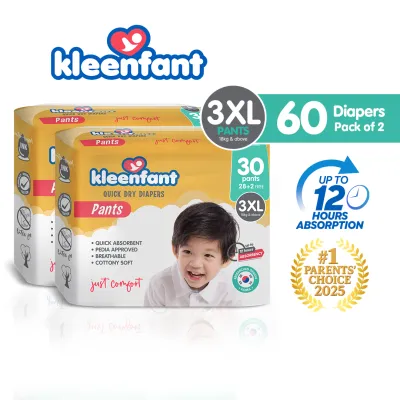
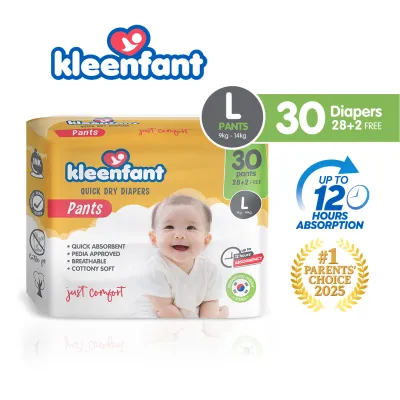
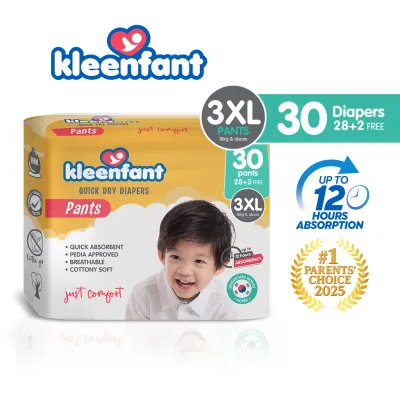
Prices are valid at publication and may change. Please refer to the product page for the latest price.
To simplify your decision, you can use a conditional framework based on your primary caregiving goals:
- Pampers: Opt for this brand if your absolute priority is specialized skin care, ultra-soft materials, and a proven track record of dermatological testing. It is highly suitable for newborns and babies with highly sensitive skin, provided you are willing to invest in their premium product tiers.
- Huggies: Choose this brand if your baby is constantly on the move—crawling, rolling, or taking their first steps. Their diapers are widely recognized for a secure, contoured fit and robust elastic barriers around the legs that prevent messy blowouts during active play.
- Kleefants or Equator: Select these options if you are looking for highly economical, reliable diapers for frequent daytime changes. In the Philippines, where the warm climate makes regular changes essential to prevent heat rash, these brands offer an excellent balance of basic absorbency and affordability for bulk purchasing.
Keep in mind that brand reputation is highly dependent on the specific product line you buy. A brand’s entry-level diaper will perform differently than its premium or overnight counterpart. Always verify the specific features, weight recommendations, and material details printed on the individual packaging before making a bulk purchase.
Understanding the Contenders: Brand Positioning and Core Strengths
To make an informed choice, it is helpful to understand where each brand sits in the market and what they design their products to achieve. The diaper market is broadly divided between value-focused brands designed for high-frequency daily use and premium brands that invest heavily in specialized material technologies.

Kleefants and Equator: Value and Everyday Use
Value-focused brands like Kleefants and Equator have gained significant popularity among Filipino parents due to their highly competitive pricing. In a tropical environment, pediatricians often recommend changing diapers every three to four hours during the day—regardless of how full they are—to prevent moisture buildup and bacterial growth. This high frequency means families can go through eight to ten diapers a day, making premium brands a significant ongoing expense.
Kleefants and Equator address this practical need by focusing on reliable, everyday absorbency at a fraction of the cost. These diapers are designed to handle standard daytime wetness efficiently, allowing parents to maintain a hygienic, high-frequency changing schedule without financial strain. While they may not feature the advanced channel technologies or proprietary lotion-infused top sheets of premium competitors, they provide the essential leak protection required for daily wear.
When purchasing a kleefants diaper or an Equator pack, parents should carefully inspect the packaging. Look for specific callouts regarding wetness indicators, the presence of breathable outer covers, and the exact weight ranges. Because value brands frequently update their product lines to improve performance, checking the package ensures you know exactly which features are included in your current batch.
Pampers and Huggies: Premium Features and Specialized Fit
On the other end of the spectrum, Pampers and Huggies represent the premium tier of the global diaper market. These brands invest heavily in research and development to create materials that actively protect skin health and adapt to a baby’s rapid physical development.
Pampers has built its reputation on skin preservation and moisture lock-in. Their product design typically prioritizes exceptionally soft top sheets that reduce friction against a baby’s delicate skin. Many of their lines feature dermatologically tested materials and unique absorption channels that distribute liquid evenly, preventing the diaper from sagging and keeping wetness away from the skin for extended periods. This focus makes them a preferred choice for parents of newborns whose skin barrier is still developing.
Huggies focuses intensely on structural fit and leak prevention for active babies. Recognizing that babies change shape as they transition from lying flat to crawling and walking, Huggies designs diapers with highly elastic waistbands and double-layered leg cuffs. This contoured architecture is engineered to move with the baby, minimizing the gaps that typically cause leaks during vigorous movement.
Both global brands offer a wide array of product tiers, ranging from standard daily-use options to specialized overnight lines. It is crucial for caregivers to read the labels carefully; a standard dry-type diaper from these brands will not offer the same level of softness or overnight capacity as their premium sensitive or overnight lines. Matching the specific tier to your baby’s immediate needs is key to getting the best value from these premium investments.
How to Test Absorbency, Fit, and Skin Comfort at Home
Because laboratory tests cannot fully replicate your baby’s unique movements, sleeping positions, and skin sensitivities, the most reliable way to evaluate any diaper is through careful home observation. By systematically checking key performance indicators, you can determine if a brand truly delivers on its promises.
Observing Absorbency and Leak Protection
Evaluating absorbency goes beyond checking if a diaper leaks; it is about how dry the material keeps your baby’s skin. During the day, monitor the wetness indicator—the colored line running down the center of the diaper. If the line changes color rapidly or the diaper begins to sag and feel heavy after only one or two wetness cycles, the core material may have a lower absorption capacity, making it better suited for quick daytime changes than long stretches.
To check how well the diaper locks moisture away, gently press a dry tissue against the inside liner of a moderately wet diaper during a change. If the tissue comes away damp, the diaper is not fully locking the liquid in the core, which increases the risk of diaper rash. Additionally, check the outer cover of the diaper. A high-quality outer layer should feel dry to the touch; any external dampness or condensation indicates that the diaper’s moisture barrier is letting liquid seep through.
For nighttime use, do not rely on standard diaper models, regardless of the brand. Look specifically for packaging labeled “overnight,” “extra absorb,” or “up to 12 hours of dryness.” These specialized lines contain higher concentrations of superabsorbent polymers (SAP) designed to handle multiple heavy wetness cycles while your baby sleeps, reducing the likelihood of midnight diaper changes and sleep disruptions.
Checking Fit, Comfort, and Mobility
A diaper that does not fit correctly will leak, no matter how absorbent its core is. To verify the fit around your baby’s waist, use the “two-finger rule.” Once the diaper is fastened, you should be able to slide two fingers comfortably between the waistband and your baby’s stomach. If the fit is tighter than this, the diaper may constrict their breathing or digestion; if it is looser, liquid can easily escape from the back when the baby lies down.
Next, inspect the leg openings. Run your finger along the inner leg cuffs to ensure they are flared outward rather than tucked inward. After removing the diaper, closely examine your baby’s thighs and lower back. If you notice deep red marks or indentations, the elastic is either too tight, or the diaper size is too small. Conversely, if you see visible gaps between the leg cuffs and your baby’s skin when they bend their legs, the diaper is too large or the cut is incompatible with their body shape.
Finally, observe how the diaper behaves when your baby crawls, walks, or rolls over. A well-designed diaper should stay securely in place without bunching up into a tight ball between the thighs or slipping down over the hips. If the diaper constantly shifts or sags even when empty, the fastening tabs or waistband elastic are not providing adequate support for your baby’s activity level.
Monitoring Skin-Friendliness and Breathability
In the warm, humid climate of the Philippines, diaper rash and heat rash (bungang-araw) are constant challenges. Every time you change your baby’s diaper, take a moment to inspect their skin for any signs of irritation. Look for localized redness, small pink bumps, or skin that feels unusually warm to the touch. These are early indicators of friction, moisture entrapment, or a mild allergic reaction to the diaper’s materials.
You can evaluate a diaper’s breathability by paying attention to the temperature of the skin immediately after removing a wet diaper. If the skin feels hot, clammy, or sweat-soaked, the diaper’s outer cover is trapping heat and humidity. A highly breathable diaper allows microscopic vapor to escape, keeping the skin temperature closer to normal and significantly reducing the risk of fungal and bacterial infections.
If your baby has highly reactive skin or a history of eczema, pay close attention to the ingredient callouts on the packaging. Standard diapers often contain mild fragrances or lotions designed to mask odors, which can trigger contact dermatitis in sensitive infants. In these cases, actively seek out diaper lines that are explicitly labeled “fragrance-free,” “lotion-free,” “hypoallergenic,” or “dermatologically tested.”
Building a Diaper Strategy: Day, Night, and Sensitive Skin
Many experienced parents find that relying on a single diaper brand or model is rarely the most efficient or cost-effective approach. Instead, building a hybrid diaper strategy allows you to optimize your budget while ensuring your baby remains comfortable and protected around the clock.
Daytime vs. Nighttime Strategy
During the day, caregivers are typically alert and able to change diapers frequently. Because your baby is awake and active, a diaper is rarely left on for more than a few hours. This makes the daytime an ideal opportunity to utilize highly economical options like Equator or a standard kleefants diaper. Using value brands for these rapid daytime rotations keeps your ongoing costs low while maintaining excellent hygiene.
At night, the priority shifts entirely to uninterrupted sleep. Waking a sleeping baby to change a wet diaper can disrupt their sleep cycle and yours. For the night, it is highly beneficial to invest in premium, high-absorbency options from Pampers or Huggies’ specialized overnight lines. These diapers are engineered to lock away large volumes of liquid for up to 12 hours, keeping the skin dry and preventing leaks even when your baby rolls over in their sleep.
Sensitive Skin vs. Active Explorers
Your diaper selection should also adapt to your baby’s developmental milestones and physical sensitivities. If your infant is prone to redness or has eczema, prioritize diapers with ultra-soft, lotion-free top sheets and hypoallergenic certifications. During these sensitive phases, minimizing chemical additives and friction is far more important than finding a diaper with high physical stretch.
Once your baby begins to crawl, pull themselves up, and walk, their physical demands change. At this stage, a secure fit becomes the primary defense against leaks. Look for diapers with wide, stretchy waistbands, double-layered leg guards, and strong re-fastenable tabs that can withstand constant movement. Huggies’ active-fit lines or premium pants-style diapers are particularly well-suited for this highly active developmental phase.
To help you verify these critical features before purchasing, use this quick checklist during your next shopping trip:
| Feature to Verify | What to Check on the Packaging | Why It Matters for Your Baby |
|---|---|---|
| Absorbency Tier | Look for "Overnight," "Extra Absorb," or "12-Hour" labels. | Ensures the diaper can handle long sleep stretches without leaking or causing wetness-related wake-ups. |
| Skin Additives | Look for "Fragrance-free," "Lotion-free," or "Hypoallergenic." | Minimizes the risk of contact dermatitis, allergic reactions, and irritation on sensitive skin. |
| Fit Indicators | Look for "Stretchy waistband," "Double leg cuffs," or "3D fit." | Prevents gaps and blowouts during active movement while ensuring the diaper doesn't leave red marks. |
| Wetness Indicator | Look for a color-changing line running down the center. | Allows you to check wetness at a glance without opening the diaper, minimizing unnecessary disturbances. |
How to Safely Switch Brands and Monitor Skin Reactions
When introducing a new diaper brand to your baby’s routine, doing so abruptly can sometimes lead to unexpected skin irritation or fit issues. Because every brand uses slightly different materials, adhesives, and elastic tensions, a systematic and cautious transition is the safest approach.
Before purchasing a large box or bulk carton of a new brand, always start by buying the smallest pack available, or try to obtain sample pieces. This allows you to test the diaper’s fit and compatibility with your baby’s skin without committing to a significant financial investment.
To introduce the new brand safely, implement a gradual transition over several days:
- Day 1-2: Use the new diaper brand for just one or two hours during the day when you can monitor your baby closely. Keep a close eye on how their skin reacts immediately after removal.
- Day 3-4: If there is no redness, gradually increase the wear time, using the new brand for standard daytime stretches.
- Day 5 and beyond: Once you are confident the diaper does not cause irritation or leaks, you can fully integrate it into your regular daytime rotation.
Always check the manufacturer’s instructions on the packaging for proper application and sizing guidelines. If your baby’s skin reacts negatively, stop using the diaper immediately. Clear signs that require you to discontinue use include severe redness, blistering, a persistent raised rash, or any signs of an allergic reaction. If these symptoms occur, clean the area gently with warm water, pat dry, and consult your pediatrician or a qualified healthcare professional for personalized guidance.
Frequently Asked Questions (FAQ)
Can I use different diaper brands for day and night?
Yes, mixing diaper brands is a highly effective, practical strategy used by many parents. Using budget-friendly brands like Equator or Kleefants for frequent daytime changes helps manage your household expenses, while reserving premium, high-absorbency options like Pampers or Huggies overnight lines for bedtime ensures your baby enjoys long, comfortable sleep stretches without leaks.
How do I know if a diaper is too small or too large?
A diaper is likely too small if it leaves deep red marks or indentations on your baby’s thighs or waist, if the fastening tabs are difficult to secure near the center, or if you experience frequent leg-cuff leaks. It is likely too large if there are visible gaps around the legs, if the waistband slips down when your baby moves, or if liquid leaks from the top of the diaper. Always cross-reference your baby’s current weight with the specific weight ranges printed on the packaging, as sizing can vary slightly between different brands.

Community discussion
Share your experience or ask a question. Comments are reviewed before publication.