
Quick Answer: Which Diaper Profile Fits Your Baby?
Selecting the right diaper in the Philippines requires balancing cost, absorbency, and skin health under humid tropical conditions. Because every baby has a unique body shape and skin sensitivity, there is no single diaper brand that works perfectly for everyone. Instead, parents can match their specific household priorities to the general profile of each brand.
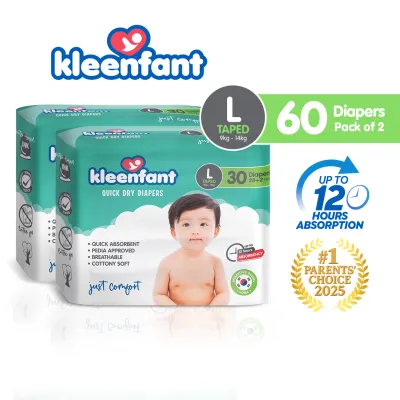
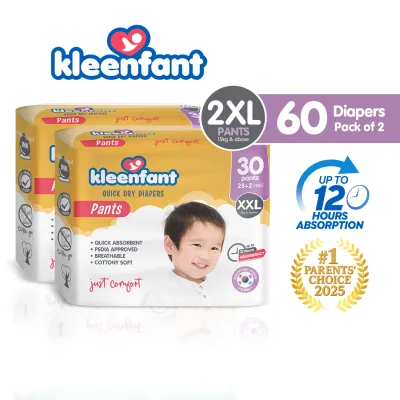
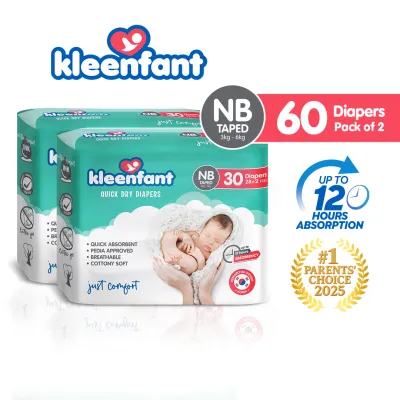
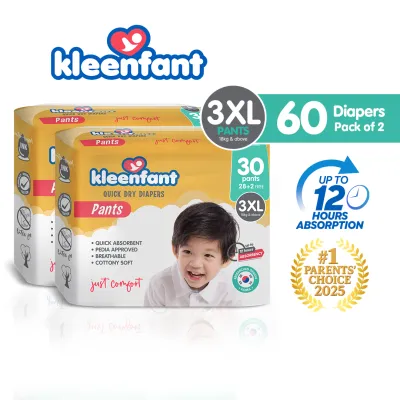
- Choose Kleefant if your primary goal is to explore a highly cost-effective, budget-friendly option available in the local market and you are willing to verify its sizing consistency through initial trial packs.
- Choose Pampers if you prioritize a widely available brand with established product tiers, standard sizing, and specific skin-care label claims such as lotion-infused topsheets.
- Choose Huggies if you want to test robust structural features, such as highly elastic waistbands and deep pocket guards, to accommodate an active baby's movements.
Before committing to a bulk purchase of any brand, always conduct a small-batch test to observe how the diaper performs on your baby’s unique anatomy and sensitive skin.
Understanding the Contenders: Brand Positioning and Core Features
Navigating the diaper aisle can be overwhelming with various packaging claims and product lines. Understanding how Kleefant, Pampers, and Huggies position themselves in the market helps set realistic expectations before you make a purchase.
Products mentioned in this guide
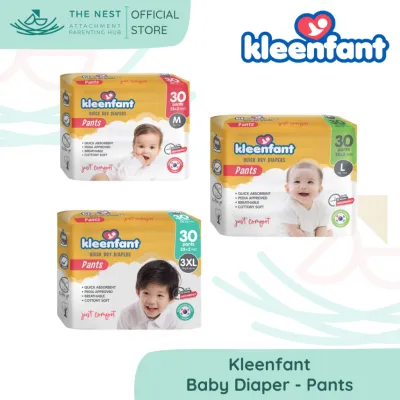
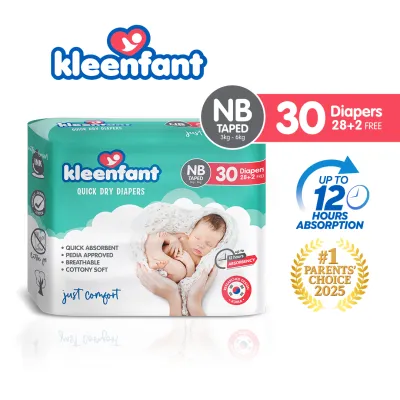
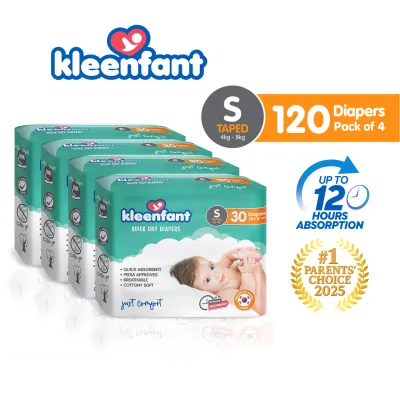
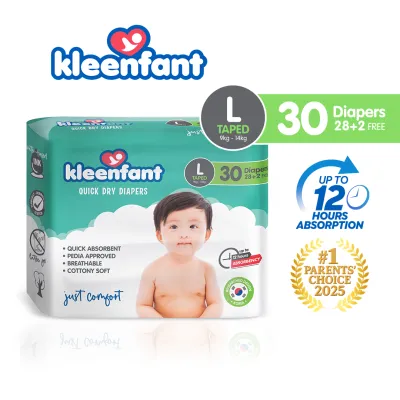
Prices are valid at publication and may change. Please refer to the product page for the latest price.

Kleefant: The Budget-Conscious Challenger
Kleefant has gained traction in the local market as an accessible, pocket-friendly alternative to legacy brands. It is primarily marketed toward parents looking to optimize their daily diapering expenses without sacrificing basic functionality. On its packaging, you will typically find claims emphasizing an ultra-thin design, lightweight materials, and high breathability. These features are particularly appealing in tropical climates where heavy, bulky diapers can trap heat and cause discomfort.
Pampers: The Established Standard
Pampers is a long-standing household name with a broad distribution network across local supermarkets and online stores. The brand generally categorizes its products into distinct tiers, ranging from basic, everyday lines to premium, high-performance options. When examining Pampers packaging, parents will find a strong focus on skin protection, wetness distribution channels, and lotion-infused inner layers designed to minimize friction against delicate skin.
Huggies: The Structural Specialist
Huggies is widely recognized for its focus on structural fit and leak prevention. The brand caters to active babies by incorporating specific design elements aimed at securing the diaper during movement. On Huggies packaging, parents should look for features such as elasticized waistbands, double leak guards around the thighs, and wetness indicators that change color when the diaper reaches capacity. Like its competitors, Huggies offers both economy and premium product lines to suit different household budgets.
Comparing Key Dimensions: How to Evaluate Absorbency, Fit, and Comfort
To determine which diaper brand truly suits your baby, you must look beyond marketing claims and evaluate how the product performs in real-world conditions. You can assess absorbency, fit, and comfort using simple at-home checks and careful observation.
Absorbency and Moisture Management
A diaper’s primary job is to keep wetness away from your baby’s skin to prevent irritation. Most modern disposable diapers utilize superabsorbent polymer cores to lock in liquid. To evaluate absorbency at home, you can perform a simple moisture-transfer check. Pour approximately 100 milliliters of lukewarm water onto the center of the diaper, wait two minutes for the liquid to absorb, and then firmly press a dry paper towel against the topsheet. If the paper towel remains dry, the diaper’s core is successfully locking away moisture. If the paper towel dampens, the material may allow wetness to sit against your baby’s skin, which increases the risk of diaper rash in humid weather.
Sizing and Fit Realities
While diaper packaging provides weight guidelines, these ranges are only starting points. A baby’s unique body shape—such as chubby thighs or a round belly—heavily influences how a diaper fits. To verify the fit, observe your baby after they have worn the diaper for a few hours. Look for red marks or deep indentations around the waist and thighs, which indicate that the elastic is too tight and you may need to size up. Conversely, check for gaps between the leg cuffs and your baby’s skin; any visible clearance suggests the diaper is too loose, which will likely lead to leaks during movement or sleep.
Comfort and Material Breathability
In the warm and humid climate of the Philippines, breathability is essential for maintaining skin integrity. Stiff, plastic-like outer covers can trap heat and sweat, leading to heat rash. When opening a new pack, feel the inner and outer layers of the diaper. They should feel soft and fabric-like to the touch. Monitor your baby’s skin closely during the first few days of using a new brand. Look for signs of friction, chafing, or localized redness where the diaper’s edges rub against the skin, especially around the active leg areas.
Price and Value: How to Calculate the True Cost per Diaper
Comparing diaper prices by the box or bag can be misleading because pack counts vary significantly between brands and sizes. To find the true economic value, you must calculate the cost per individual piece and consider how performance affects your daily usage.
The Cost-Per-Piece Formula
To determine the actual cost of a diaper, divide the total price of the pack by the number of diapers inside. For example, if a pack costs ₱450 and contains 40 diapers, the cost per piece is ₱11.25. Performing this quick calculation allows you to compare Kleefant, Pampers, and Huggies on an equal footing. Generally, Kleefant sits at a lower price point per piece, while the premium lines of Pampers and Huggies occupy the higher end of the pricing spectrum.
Balancing Price and Performance
A lower cost per piece does not always translate to long-term savings. If a budget-friendly diaper has lower absorbency, you may find yourself changing your baby more frequently to prevent leaks and skin irritation. For instance, if you use eight budget diapers a day at ₱6 each, your daily cost is ₱48. If a premium diaper costing ₱10 each allows you to safely use only four diapers a day due to superior moisture retention, your daily cost is ₱40. Additionally, using fewer diapers reduces the physical volume of waste your household generates. Parents should track their daily diaper consumption over a week to determine which brand offers the best overall value for their specific routine.
The Final Decision: Which Brand Should You Choose?
Your final choice should align with your baby’s physical needs, your daily routine, and your household budget. Use this decision framework to guide your next purchase:
- Choose Kleefant if you are looking for an economical daytime diaper. Because babies require frequent changes during waking hours, using a budget-friendly option like Kleefant during the day can significantly lower your monthly expenses, provided you verify that the fit is secure and does not cause friction.
- Choose Pampers if you want a reliable, widely accessible diaper with a soft topsheet for sensitive skin. It is highly suitable for parents who prefer the convenience of buying diapers during regular grocery runs and want a trusted option for standard daytime or nighttime wear.
- Choose Huggies if your baby is highly active, crawling, or walking, and requires a diaper with robust elastic waistbands and secure leg cuffs to prevent blowouts and leaks during movement.
Regardless of the brand you choose, your baby’s skin health is the ultimate deciding factor. If you observe persistent redness, swelling, or signs of contact dermatitis that do not improve with standard diaper creams, stop using the brand immediately and consult a pediatrician for professional guidance.
Where to Buy and What to Verify Before Purchasing
To ensure your baby’s safety and comfort, it is crucial to purchase authentic products and inspect them thoroughly before use. The rise of online shopping makes it easier to find deals, but it also requires extra vigilance.
Buy from Authorized Sources
Always purchase diapers from official brand stores on reputable e-commerce platforms, established supermarkets, or authorized local pharmacies. Avoid buying loose, unbranded diapers or purchasing from unauthorized third-party sellers who cannot guarantee proper storage conditions. Diapers stored in damp or poorly ventilated warehouses can absorb ambient moisture and lose their effectiveness before you even open the package.
Inspect the Packaging Upon Delivery
When your order arrives, take a moment to inspect the physical packaging. Verify that the outer plastic seal is completely intact and free from punctures or tears. Look for the manufacturing or expiration date, which is typically printed on the side or bottom of the pack. Authentic diapers should have clear, legible printing and no unusual chemical odors when the package is first opened.
Start with Small Trial Packs
Avoid the temptation to buy massive bulk boxes of a new brand just because they are on sale. A diaper that works wonderfully for another baby might cause a fit issue or skin reaction for yours. Start by purchasing the smallest pack size available. Once you have verified that the diaper fits securely, keeps your baby dry, and does not cause skin irritation over a trial period of one to two weeks, you can confidently transition to larger, bulk-saving packages.
Frequently Asked Questions (FAQ)
Can I mix different diaper brands for daytime and nighttime use?
Yes, mixing diaper brands is a highly practical strategy used by many parents to balance their budget and their baby’s comfort. During the day, when you change your baby frequently, you can opt for a more economical brand like Kleefant to keep costs down. For nighttime use, when your baby sleeps for longer stretches, you can switch to a premium tier of Pampers or Huggies that features advanced absorbency claims designed for extended wear. If you choose this approach, monitor your baby’s skin in the morning to ensure the nighttime diaper successfully locked away moisture without leaking.
How do I know if a diaper is causing a rash or allergic reaction?
It is important to distinguish between standard diaper rash caused by prolonged wetness and an allergic reaction to diaper materials. A standard rash typically presents as mild redness in areas directly exposed to moisture. An allergic reaction or contact dermatitis often appears as intense, bright red irritation, bumps, or scaling that matches the exact shape of the diaper’s components, such as the waistband or leg elastics. If you notice these severe signs, or if a mild rash does not improve after a few days of frequent changes and diaper cream application, stop using the current brand immediately and consult a healthcare professional.
Community discussion
Share your experience or ask a question. Comments are reviewed before publication.