
Choosing the right drawer cabinet lock depends on balancing the specific hazards of each room with the physical design of your furniture. In high-risk areas like the kitchen, where heavy cookware, sharp knives, and chemical cleaners are stored, you need maximum-security solutions such as magnetic locks or heavy-duty internal latches that can withstand persistent pulling. In contrast, bedroom drawers typically hold low-risk items like clothing and linens, making flexible strap locks or standard spring latches ideal for preventing messy exploration without requiring complex installations. By matching the lock mechanism to the room’s contents, the weight of the drawers, and your local environmental conditions, you can create a reliable safety barrier that protects your child while keeping daily tasks manageable. However, remember that child-proofing products are designed as supportive deterrents; they never replace active adult supervision. Always verify the manufacturer’s age recommendations, weight limits, and specific installation warnings on the product packaging before purchasing.
Understanding Magnetic, Strap, and Latch Drawer Locks
To select the best drawer cabinet lock for your home, it is essential to understand how the three primary mechanisms function, their visibility, and their general holding strength.
Magnetic locks are completely hidden from the outside, preserving the aesthetic of your kitchen or bedroom furniture. The system consists of a latch mounted inside the drawer and a catch secured to the cabinet frame. The drawer remains securely locked until you place a magnetic key against the outside of the cabinet face to disengage the latch. Because there are no visible external parts, these locks do not tempt curious toddlers to pull or play with them. They generally provide strong holding force, making them excellent for heavy drawers, though they require precise alignment during installation and a designated, safe spot to store the magnetic key.
Products mentioned in this guide
Prices are valid at publication and may change. Please refer to the product page for the latest price.
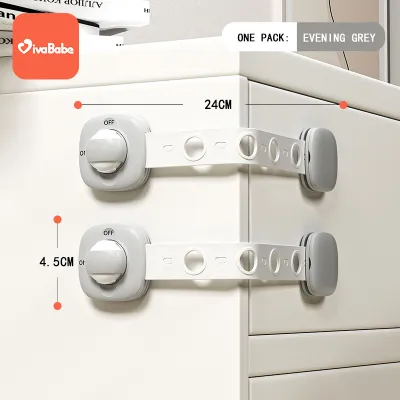
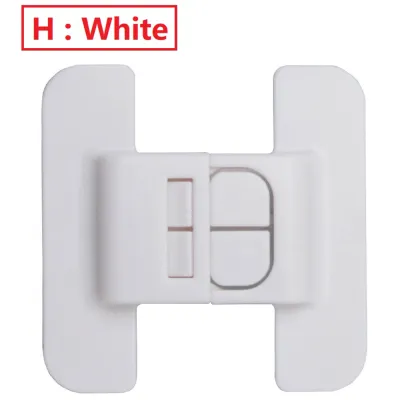
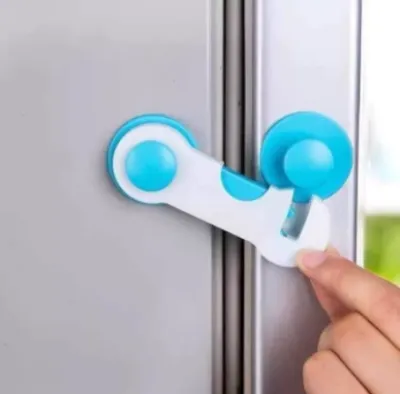
Strap locks utilize a flexible plastic or fabric strap anchored by adhesive pads on both ends. These are installed on the exterior of the furniture, wrapping around corners or bridging the gap between a drawer and the cabinet frame. While they are highly visible and may attract a child’s attention, their flexibility makes them incredibly versatile for securing curved surfaces, unusual handle shapes, or even appliances. They are easy to install without tools, but the external adhesive is fully exposed to room conditions, which is an important factor to consider in warm, humid environments.
Internal latch locks are spring-loaded plastic hooks installed inside the drawer. When you pull the drawer open slightly, the hook catches on the cabinet frame, stopping it from opening further. To open the drawer fully, an adult must reach through the narrow gap and press down on the latch to disengage it. These locks are relatively inexpensive and do not require a key, but they do leave a small gap open when pulled. This gap can occasionally lead to pinched fingers if a child tries to slam the drawer shut, so caregivers must monitor their use closely.
Kitchen vs. Bedroom: Matching Locks to Room Hazards
The kitchen and the bedroom present entirely different safety challenges, requiring you to match the strength and design of your drawer cabinet lock to the specific hazards of each space.

The kitchen is arguably the most hazardous room for a developing toddler. Lower cabinets and drawers often house heavy cast-iron pans, ceramic dishes, sharp cutlery, and toxic household cleaners. A child pulling open a heavy kitchen drawer risks not only accessing dangerous items but also pulling the entire weight of the drawer or its contents down onto themselves. For these high-risk zones, high-strength locks like magnetic systems or robust, screw-mounted internal latches are highly recommended. These systems keep the drawer completely flush and closed, preventing even a sliver of access to sharp edges or chemical bottles.
Bedroom drawers present a different set of challenges. They typically contain soft items like clothes, socks, and light linens. While a toddler pulling out all their clothes creates a messy cleanup chore, the immediate physical danger is lower than in a kitchen. For bedroom dressers, the primary goal is often preventing the child from using open drawers as steps to climb the furniture, which poses a severe tip-over hazard. Strap locks or standard internal latches are usually sufficient here to keep drawers closed and discourage climbing. However, caregivers must still ensure that heavy dressers are securely anchored to the wall, regardless of the lock type used.
The physical structure of your furniture also dictates which lock will work. For example, heavy wooden drawers in a kitchen require a lock with a high holding capacity to resist forceful tugging. If your cabinets have modern, handle-less flat panels, external strap locks have no anchor points, making magnetic locks the logical choice. Conversely, traditional cabinets with prominent knobs or long bar handles can easily accommodate strap locks that loop around or stick adjacent to the hardware. Always assess the clearance space inside the drawer frame before purchasing internal latches, as some tight-fitting modern drawers may not have enough vertical or horizontal clearance for a spring hook to operate.
Checking Cabinet Surfaces and Installation Requirements
Before purchasing any drawer cabinet lock, you must evaluate your cabinet materials and the installation environment to ensure the lock can be mounted securely without causing permanent damage.
Many modern drawer cabinet locks rely on heavy-duty double-sided adhesive tape for installation. This makes them highly appealing for renters or those who want to avoid drilling holes into expensive furniture. However, the success of an adhesive lock depends heavily on the surface material and environmental factors. In tropical regions with high humidity, adhesive bonds can weaken over time, especially on porous wood, textured laminates, or surfaces with oily residues. Before applying any adhesive lock, the surface must be thoroughly cleaned with rubbing alcohol and allowed to dry completely. Additionally, removing these adhesives later can sometimes strip away delicate wood veneers, paint, or varnish, so caregivers should weigh this risk against the convenience of a drill-free installation. While basic strap locks might cost around ₱150 to ₱300 for a multi-pack, magnetic systems can range from ₱500 to over ₱1,500 depending on the number of locks and keys included.
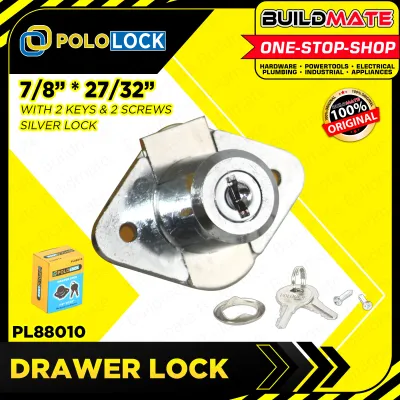
For long-term reliability and maximum holding strength, screw-mounted locks remain the gold standard. These are physically anchored into the solid wood or MDF frame of your cabinets, ensuring they cannot be pulled off by a determined toddler. They are highly recommended for heavy kitchen drawers containing heavy cookware. While they do require drilling permanent holes into the interior of your furniture, these holes are typically invisible from the outside, preserving the external appearance of your cabinets. If you are dealing with delicate antique furniture or thin hollow-core drawer fronts, however, screw-mounting may not be feasible, and alternative securing methods must be explored.
Regardless of the lock type you choose, reading and following the manufacturer’s specific installation guidelines is critical. For adhesive locks, pay close attention to the recommended curing time—many adhesives require a full 24 hours to bond completely before they can withstand any pulling force. Attempting to test or use the lock immediately after installation is a common cause of premature failure. For screw-mounted options, ensure you use the correct drill bit size to avoid splitting the cabinet wood, and verify that the screws provided are not longer than the thickness of your drawer fronts to prevent them from poking through the exterior.
Testing and Maintaining Your Baby-Proofing Locks
Baby-proofing is not a set-it-and-forget-it task. Children grow rapidly, and their physical strength and problem-solving skills develop alongside them.
Caregivers should establish a routine of testing all drawer cabinet locks at least once a month. This involves applying a firm, adult-level tug to the locked drawer to simulate a toddler’s forceful pulling. If an adhesive lock wiggles, peels at the edges, or shows signs of slipping, it must be replaced immediately. For screw-mounted locks, check that the mounting screws remain tight and have not stripped the wood over time due to repeated daily impacts.
Over months of constant use, the physical components of your locks will experience wear. Plastic strap locks can become brittle, especially when exposed to sunlight or kitchen heat, and may develop hairline cracks that compromise their strength. Internal spring latches can suffer from spring fatigue, causing them to fail to snap back into the locked position automatically when the drawer is pushed shut. If you use magnetic locks, always keep the magnetic keys in a designated, high-up location out of your child’s reach, and consider keeping a spare key in a secure secondary location to avoid getting locked out of your own kitchen drawers.
As toddlers transition into preschool age, they often learn how to bypass basic locking mechanisms simply by watching adults operate them. If you notice your child successfully pressing an internal latch or searching for the magnetic key, the lock has lost its effectiveness. At this stage, you must either upgrade to a more complex safety system, relocate hazardous items to high-up wall cabinets, or begin teaching your child clear boundaries about which drawers are strictly off-limits. Regularly assess your child’s cognitive development to determine when it is safe to remove the locks entirely or when a more advanced child-proofing strategy is required.
Frequently Asked Questions (FAQ)
Can I use the same drawer cabinet lock for both knobs and bar handles?
Strap locks are highly versatile and can generally be adapted to secure drawers with either knobs or bar handles, as the flexible strap can bend around different shapes and stick to the flat surfaces adjacent to the hardware. However, you must carefully measure the strap length and plan the adhesive placement to ensure a tight fit that does not allow the drawer to open wide enough for small hands to slip inside. If your furniture has a mix of knobs and bar handles, internal latches or magnetic locks are often a more seamless choice. Because these mechanisms are installed entirely inside the drawer frame, they operate independently of the external handle style, providing consistent security across different furniture designs without affecting their visual appearance.
How do I remove adhesive baby-proofing locks without damaging my cabinets?
To safely remove adhesive locks when they are no longer needed, start by applying gentle heat to the adhesive pad using a hairdryer on a low or medium setting. The heat helps soften the glue, making it much easier to peel away slowly without tearing the underlying wood grain or paint. Once the plastic lock is removed, any remaining sticky residue can be treated with a mild, oil-based adhesive remover or a small amount of cooking oil. Always test these solvents on a hidden spot of the cabinet first to ensure they do not discolor or dissolve the finish. If your cabinets feature delicate veneers, antique finishes, or peeling paint, proceed with extreme caution, peeling the adhesive parallel to the surface, and consult a professional furniture restorer if you encounter resistance.
Community discussion
Share your experience or ask a question. Comments are reviewed before publication.