
Selecting the right baby changing mat is one of the most practical decisions you will make when preparing your nursery. To ensure both safety and hygiene, a high-quality changing mat must combine reliable physical fall-prevention features with easy-to-clean, non-toxic materials. While a beautifully designed nursery is a joy to assemble, the diaper changing area is a high-activity zone where quick movements and unexpected messes are daily occurrences.
In a tropical climate like the Philippines, where high humidity can accelerate the growth of mold and bacteria, the hygiene aspect of your changing mat becomes just as critical as its structural safety. Ultimately, no single product feature can replace active caregiver supervision. By understanding what physical designs to look for and how to verify material safety claims on product labels, you can create a secure, sanitary space that protects your baby during every diaper change.
Essential Fall-Prevention and Security Features
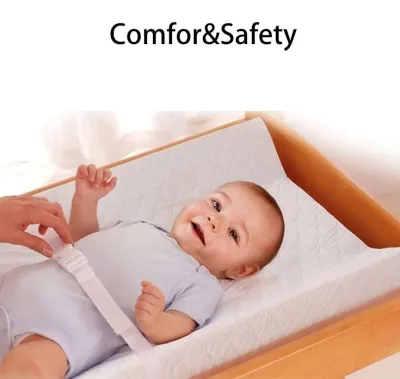
When evaluating changing mats, physical security is your primary consideration. Babies develop motor skills rapidly, and a newborn who lies still today may attempt to roll or wiggle unexpectedly tomorrow. Contoured edges and raised sides are highly effective design elements for preventing accidental falls. These mats feature a curved, concave shape with elevated left and right borders that help keep your baby centered on the pad. When shopping, look for deep contours rather than shallow curves, as deeper walls provide a more substantial physical block as your baby grows.
Products mentioned in this guide
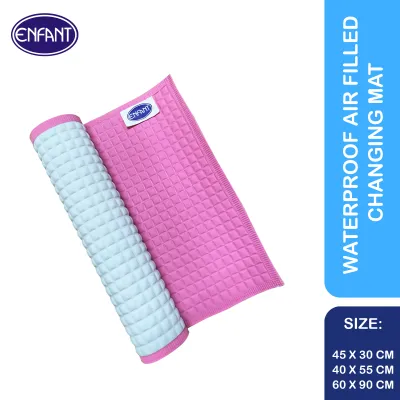
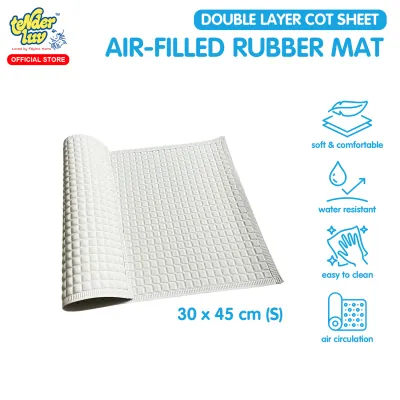
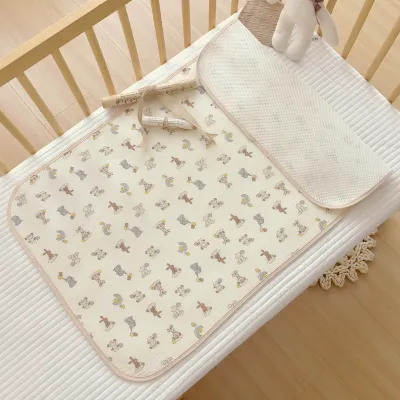
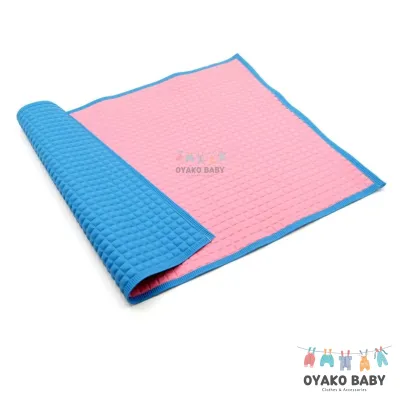
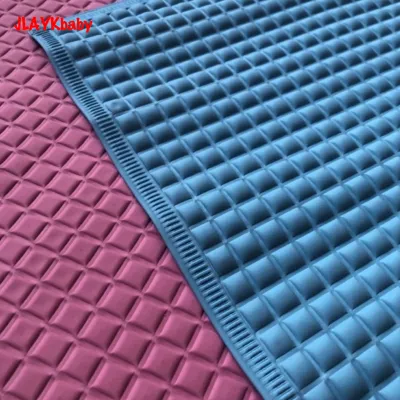
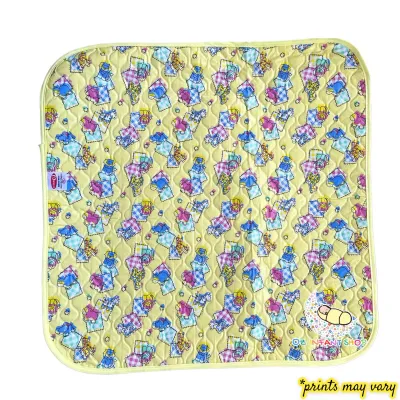
Prices are valid at publication and may change. Please refer to the product page for the latest price.
Integrated safety straps and harness systems offer an additional layer of security, particularly during active phases when diaper changes become challenging. A reliable harness should feature adjustable straps that secure snugly across your baby’s torso without causing discomfort. Examine the buckle mechanism to ensure it is sturdy, easy for you to fasten with one hand, and difficult for a curious toddler to undo. Always verify the attachment points of these straps; they should be securely anchored to the core structure of the mat or directly to the changing table itself to prevent the harness from slipping out of place under tension.
A secure base is equally vital to prevent the entire mat from sliding across your furniture. Many changing mats feature a non-slip bottom surface made of textured rubber or silicone grip dots. If you plan to place the mat on top of a wooden dresser or a dedicated changing table, check for integrated safety straps designed to screw or anchor directly into the back of the furniture. Without these anchoring mechanisms, a sudden, forceful kick from an active baby could cause the entire mat to slide forward, creating a severe fall hazard.
Finally, pay close attention to the firmness of the padding. While it is tempting to choose an ultra-soft, plush mat for your baby’s comfort, overly soft surfaces pose a serious safety risk. If a baby rolls over onto a soft cushion, their face can sink into the material, creating a suffocation hazard. A safe changing mat should feel firm to the touch, quickly rebounding when pressed. This firmness supports your baby’s spine, provides a stable surface for quick diaper changes, and minimizes respiratory risks.
Hygiene and Material Checks for Easy Sanitization
Diaper blowouts and spills are inevitable, making easy sanitization a non-negotiable feature for any changing mat. In warm, humid environments, moisture trapped in seams or fabric can quickly lead to mold, mildew, and unpleasant odors. To prevent this, prioritize waterproof and wipeable surfaces. Look for mats covered in a solid, impermeable barrier such as medical-grade polyurethane or high-quality vinyl. It is crucial to inspect the construction of the mat for deep seams, decorative stitching, or crevices. Moisture and bacteria easily trap in these tight spaces, making them incredibly difficult to clean thoroughly during a quick wipe-down. A seamless or heat-sealed edge design is highly recommended for maximum hygiene.

Because your baby’s delicate skin will come into direct contact with the mat daily, you must carefully verify the chemical safety of the materials. Many older or lower-quality foam and vinyl mats contain harmful chemicals used to soften plastics. Always read the product labels and manufacturer specifications to verify that the mat is explicitly certified as non-toxic, phthalate-free, lead-free, and BPA-free. Do not assume that all baby products are automatically free of these substances; active verification of the product packaging or the manufacturer’s official website is the only way to ensure chemical safety.
Another key decision is choosing between a wipe-only solid mat and a mat that requires a removable, machine-washable cover. Solid, waterproof mats made of modern materials like molded silicone or polyurethane foam can be wiped clean and sanitized instantly, making them highly convenient for busy parents. On the other hand, fabric covers add a layer of softness but require frequent laundering. If you prefer using covers, ensure you have at least three or four spares on hand. In humid tropical weather, fabric covers can take longer to dry, and keeping spares ensures you always have a clean, dry layer ready.
Some manufacturers advertise built-in antimicrobial treatments within the mat’s cover or foam core. While this sounds appealing, you should treat generic marketing terms with caution. Instead of relying on vague claims of “germ-resistance,” check the manufacturer’s technical specifications to see exactly what treatments are used and whether they comply with international safety standards. If a brand cannot provide clear documentation regarding their antimicrobial claims, it is safer to rely on your own regular cleaning routine using mild, baby-safe sanitizers.
Setting Up a Safe Changing Environment
A high-quality changing mat can only do its job if it is integrated into a well-planned, secure physical space. Before purchasing a mat, measure the top surface of your changing table, dresser, or chest of drawers. The dimensions of the mat must match the supporting furniture perfectly. Any overhang—where the mat extends past the edges of the table—creates an unstable surface that can tip over when weight is applied to the edge. Ensure the mat sits completely flat and fits snugly within the safety rails of your changing table if it has them.
Organization is another critical factor in preventing accidents. You should arrange your diapering supplies—including clean diapers, wipes, rash creams, and a change of clothes—so they are all within arm’s reach of the changing mat. If you have to step away, even for a second, to grab a fresh diaper from a closet across the room, you leave your baby vulnerable to a fall. By keeping everything organized in nearby baskets or drawers directly beneath or beside the changing surface, you ensure that you never have to turn your back or take your hands off your baby.
The furniture supporting your changing mat must be exceptionally stable. Check the structural integrity, wobble-resistance, and weight capacity of the dresser or changing table regularly. As your baby grows and becomes heavier, their movements will exert more force on the furniture. Ensure that drawers are closed tightly so they do not serve as steps for older siblings, and consider anchoring heavy furniture to the wall to prevent tip-over accidents. Whether you are investing ₱500 or ₱3,000 in a changing setup, structural stability remains your foundation.
Finally, evaluate the surrounding environment for hidden hazards. Position your changing setup away from windows, where dangling blind cords or curtains pose a strangulation risk. Keep the area clear of electrical outlets, wall decorations, heavy picture frames, or shelves holding heavy objects that could be knocked down or fall onto the changing surface. The space directly above and around the changing mat should be completely clear of any potential dangers.
Safe Usage Rules and When to Retire the Mat
Even the most advanced safety features cannot replace safe diapering habits. The golden rule of diaper changing is the “one-hand rule.” This means you must keep at least one hand physically on your baby at all times during the change, regardless of whether you have secured the safety straps. A strap can loosen, or a highly active baby might wiggle free, but your physical touch provides an immediate, fail-safe barrier against sudden rolls or falls. Never leave your baby unattended on an elevated changing surface, not even for a split second to answer a phone or grab a toy.
Every changing mat comes with specific manufacturer guidelines regarding weight, age, and developmental limits. These limits are not suggestions; they are critical boundaries established through safety testing. Locate these specifications on the product label or in the user manual and adhere to them strictly. If your baby reaches the maximum weight limit—which often ranges between 15 to 30 pounds depending on the model—or if they exceed the length of the mat, it is time to stop using it on elevated surfaces.
Developmental milestones are often more important than age or weight when deciding to retire an elevated changing mat. As soon as your baby begins to roll over actively, attempt to sit up, or push themselves up on their hands and knees, the risk of a fall from a high surface increases dramatically. When you observe these developmental changes, transition to changing your baby on a clean mat placed directly on the floor. Changing your baby on the floor completely eliminates the risk of falls and provides a much safer environment for an active, mobile infant.
Lastly, establish a weekly routine to inspect your changing mat for signs of wear and tear. Look closely for tears in the waterproof outer cover, peeling vinyl, exposed inner foam, or frayed safety straps and broken buckles. In humid climates, pay special attention to the underside of the mat and any seams for signs of mold or mildew growth. If the waterproof barrier is compromised, moisture from diaper leaks or cleaning sprays will seep into the internal foam, creating an unsanitary breeding ground for bacteria. If you detect any structural damage, deep mold, or broken safety components, retire the mat immediately and replace it to protect your baby’s health and safety.
Frequently Asked Questions (FAQ)
Do I need a contoured changing mat or is a flat pad safe?
Contoured changing mats with raised edges are highly recommended for elevated surfaces like changing tables because they provide a physical barrier that helps prevent newborns from rolling. However, a flat pad can be perfectly safe if it is used exclusively on the floor, where there is no risk of falling. Regardless of whether you choose a contoured or flat design, strict adherence to the one-hand rule is always required, as no physical barrier can completely prevent a determined or highly mobile baby from moving.
How do I properly sanitize a changing mat after a mess?
To properly sanitize your changing mat, always start by checking the manufacturer’s care label for approved cleaning agents, as harsh chemicals can degrade waterproof coatings over time. For routine cleaning, wipe the surface down with mild soap and warm water, then follow up with a baby-safe disinfectant wipe if necessary. It is absolutely vital to dry the mat completely with a clean towel or let it air dry thoroughly before storing it or placing a cover over it, especially in humid tropical climates where trapped moisture quickly leads to mold and mildew.
Community discussion
Share your experience or ask a question. Comments are reviewed before publication.