
Selecting the right pacifier 0 to 6 months is a decision that directly impacts your baby’s comfort, oral development, and safety during their first half-year of life. In these early months, a baby’s oral structures are exceptionally delicate, and their instinctual need to suck is at its peak. While pacifiers serve as excellent tools for soothing and supporting sleep, choosing an inappropriate design can lead to skin irritation, jaw fatigue, or safety hazards. Focusing on specific structural features, material safety, and age-appropriate dimensions ensures that the pacifier you choose supports your infant’s development safely.
Why the Right Pacifier 0 to 6 Months Selection Matters
During the first six months of life, an infant’s mouth, jaw, and palate develop at an extraordinary rate. The roof of a newborn’s mouth is highly malleable, meaning that prolonged or excessive pressure from an improperly sized pacifier nipple can potentially alter its natural shape. Sucking is a fundamental non-nutritive reflex that helps newborns self-soothe, stabilize their heart rates, and regulate their nervous systems. In tropical climates like the Philippines, where high heat and humidity can contribute to infant irritability, having a safe, reliable soothing mechanism is especially valuable for daily comfort.
Pediatricians often recommend pacifier use during sleep as a helpful measure to support safe sleep practices, though parents must remember that a pacifier should never replace a secure sleep environment or regular monitoring. Because every infant’s oral anatomy is unique, relying solely on popular brand names or attractive colors is not enough. Parents must learn to evaluate physical specifications, material compositions, and safety certifications to find a product that aligns perfectly with their child’s developmental stage.
Products mentioned in this guide
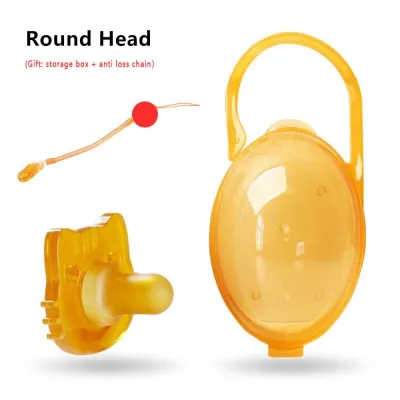
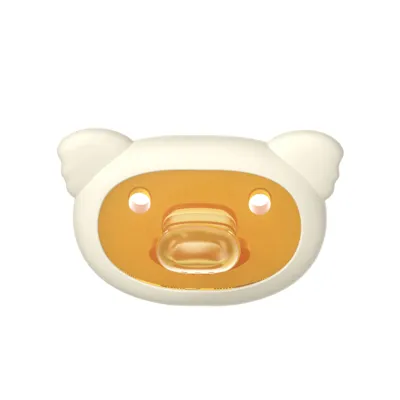
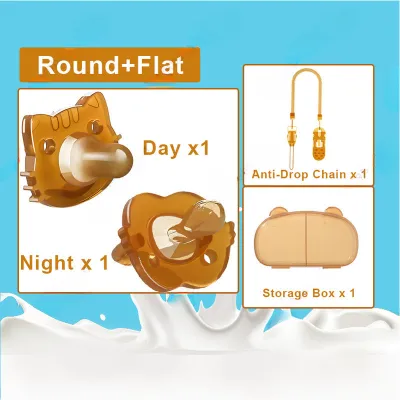
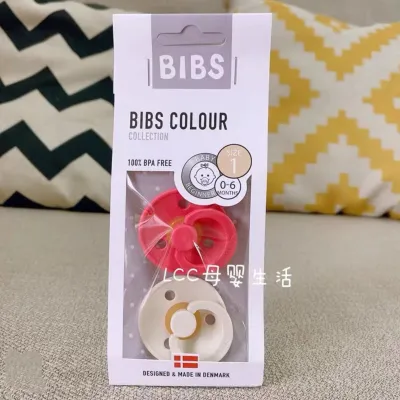
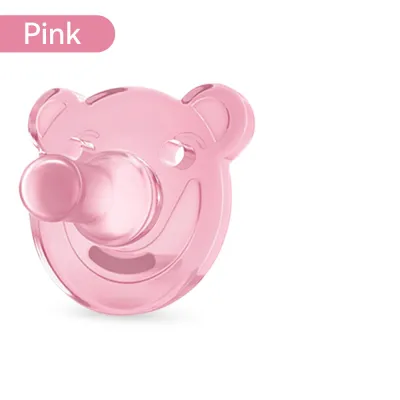
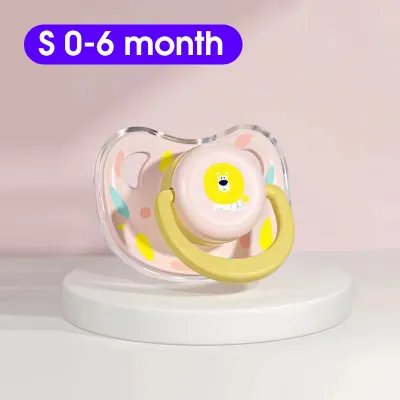
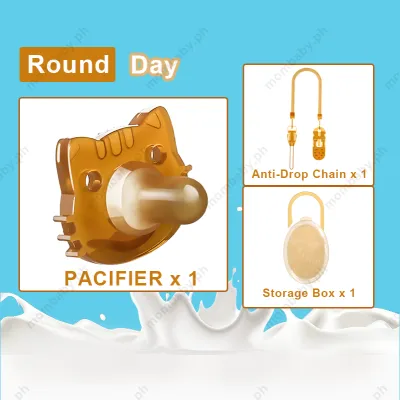
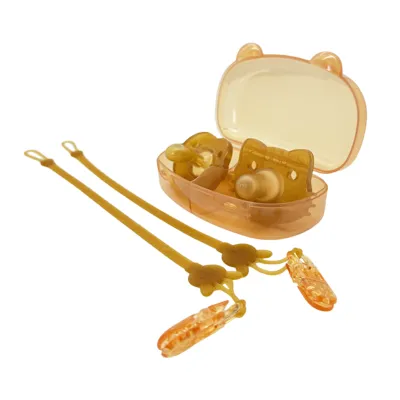
Prices are valid at publication and may change. Please refer to the product page for the latest price.
Essential Pacifier Features to Look For
To make an informed purchase, you must understand the basic anatomy of a pacifier. A standard pacifier consists of three primary components: the nipple, the shield, and the ring or handle. These parts must work together seamlessly to provide comfort while eliminating physical risks.

When evaluating these components, look for designs where the parts are securely integrated to prevent structural failure. The subsequent sections break down the exact physical and material specifications you need to verify before introducing any pacifier to your baby.
Age-Appropriate Size and Weight
Newborns have small oral cavities and limited jaw strength, which makes the physical size and weight of a pacifier critical. You should always verify the manufacturer’s age and weight recommendations on the packaging, which are typically labeled as “0-3 months” or “0-6 months.” Avoid the temptation to buy a larger size for a newborn, as an oversized nipple can press too hard against the soft palate, trigger a gag reflex, or cause discomfort.
Weight is a frequently overlooked factor that directly affects how easily a baby can retain the pacifier. A heavy pacifier requires excessive muscular effort from a newborn’s developing jaw, which can lead to rapid fatigue and cause the pacifier to fall out of the mouth repeatedly. Look for ultra-lightweight designs specifically engineered for the first few months of life. Additionally, you must measure or visually inspect the shield to ensure it is significantly wider than your baby’s open mouth, which prevents the entire pacifier from being accidentally drawn into the oral cavity.
Nipple Material: Silicone vs. Latex
Parents generally choose between two primary materials for pacifier nipples: silicone and natural rubber latex. Each material has distinct physical properties, benefits, and maintenance requirements that you must consider before purchasing.
- Silicone: This medical-grade material is firm, highly durable, odorless, and hypoallergenic. It resists heat exceptionally well, making it easy to sterilize repeatedly in boiling water or steam sterilizers without warping. Silicone pacifiers do not absorb moisture or odors, which helps maintain hygiene over long periods.
- Natural Latex: Latex is softer and more flexible than silicone, closely mimicking the natural feel of skin. However, latex is an organic material that degrades much faster. It can also trigger latex allergies in sensitive infants, which requires careful monitoring during initial use.
In warm, humid tropical environments, natural latex degrades at an accelerated rate. High humidity can cause latex nipples to absorb moisture, swell, become sticky, or develop microscopic cracks that harbor bacteria and mold. If you choose latex, you must check the product labels for material composition, store the pacifiers in a cool, dry place away from direct sunlight, and inspect them daily for any signs of structural breakdown.
Shield Design and Ventilation
An infant’s skin is incredibly thin and sensitive, making it highly susceptible to drool rashes and contact dermatitis. When a baby sucks on a pacifier, saliva naturally pools behind the shield. If the shield lacks adequate ventilation, this trapped moisture, combined with friction, can quickly irritate the skin around the mouth.
To prevent this, look for shields designed with large, open ventilation holes that promote continuous airflow and allow the skin to dry naturally. The shape of the shield should also feature a curved, contoured profile—ideally with a distinct cutout at the top—to clear the baby’s nose and chin. This contouring ensures that the shield does not press against the nose, allowing for unobstructed breathing. Finally, examine the shield for a smooth, seamless finish; any rough plastic edges can scratch delicate skin, while deep crevices can trap milk residue and dirt.
Comparing Pacifier Nipple Shapes
Pacifier nipples are manufactured in several distinct shapes, each designed to interact differently with your baby’s tongue, palate, and jaw movement. Finding the right shape often requires a balance between dental recommendations and your baby’s personal preference.
Orthodontic Nipples
These nipples feature a rounded top and a flat bottom. This asymmetrical design is engineered to mimic the shape of a mother’s breast nipple during active nursing. It adapts to the natural pumping motion of the tongue and minimizes pressure on the developing gums and palate, making it highly recommended for supporting natural oral development.
Cherry or Round Nipples
These nipples have a classic, bulbous shape that resembles a traditional baby bottle nipple. Many infants find this shape easy to latch onto immediately because it provides a familiar, consistent shape in the mouth. However, because it is thicker and rounder, it can exert more upward pressure on the soft palate over time compared to flatter designs.
Symmetrical Nipples
These nipples are flat on both the top and bottom, making them completely reversible. The primary advantage of a symmetrical design is that the pacifier is always positioned correctly in the baby’s mouth, even if the infant flips or rotates it. This shape distributes sucking pressure evenly across the tongue and palate.
| Nipple Shape | Design Characteristics | Best Use Cases | Potential Limitations |
|---|---|---|---|
| Orthodontic | Flat bottom, rounded top; mimics natural breastfeeding compression | Breastfed infants; long-term oral development support | Must be inserted right-side up to function correctly |
| Cherry (Round) | Bulbous, ball-like shape; mimics traditional bottle nipples | Bottle-fed infants; babies with a strong, simple latch | Applies more direct pressure on the upper palate over time |
| Symmetrical | Flat on both sides; identical top and bottom profiles | Reversible use; infants who adjust their own pacifiers | May not mimic breast shape as closely as orthodontic designs |
Because babies often have strong individual preferences, purchasing a single pacifier or a small multi-pack with different shapes is a practical way to test what your baby prefers before buying in bulk. If you have concerns about nipple confusion, latch difficulties, or transitioning between feeding methods, you should consult a pediatrician or a certified lactation consultant for professional guidance.
Safety Checks and Features to Avoid
When buying a pacifier, safety must always be your primary filter. Certain design features pose severe risks to newborns and infants, and understanding what to avoid can prevent life-threatening accidents.
First, avoid multi-piece pacifiers where the nipple is glued or snapped into a separate plastic shield. Over time, exposure to saliva, heat, and constant tension can degrade these adhesive bonds, causing the nipple to detach and pose a severe choking hazard. Instead, prioritize one-piece, solid silicone designs where the nipple and shield are molded as a single, continuous unit.
Second, never attach pacifiers to long strings, ribbons, cords, or beaded straps. These items can easily wrap around an infant’s neck, posing a critical strangulation risk. If you choose to use a pacifier clip, ensure it is short, safety-approved, and only attached to your baby’s clothing while they are awake and under direct caregiver supervision. Never leave a pacifier clip attached to a baby during naps or overnight sleep.
Third, verify that all components are free from harmful chemicals. Look for clear product labeling indicating that the pacifier is BPA-free, BPS-free, and phthalate-free.
To maintain ongoing safety, establish a daily and weekly inspection routine using the following checklist:
- The Pull Test: Before every use, firmly tug the nipple in all directions to check for structural weakness, tiny tears, or punctures.
- Texture Inspection: Feel the nipple for any signs of stickiness, cloudiness, or swelling, which indicate material breakdown.
- Visual Check: Look for discoloration, cracks, or thinning of the material, especially near the base where the nipple meets the shield.
- Immediate Replacement: Discard and replace the pacifier immediately if you detect any signs of damage or wear.
Never coat a pacifier in sweet substances, sugar, or honey. Honey is highly dangerous for babies under one year of age due to the risk of infant botulism. Always follow the manufacturer’s specific sterilization and cleaning instructions. In the Philippines, using purified or boiled water for sterilizing baby items is highly recommended to protect your infant’s developing immune system from waterborne contaminants.
Frequently Asked Questions (FAQ)
How often should I replace a 0 to 6 month pacifier?
Most manufacturers recommend replacing pacifiers every 4 to 8 weeks for hygiene and safety reasons. Natural latex pacifiers degrade faster than silicone and may require more frequent replacement, particularly in hot, humid climates. Regardless of the timeline, you must replace any pacifier immediately if you observe tears, cracks, stickiness, or structural changes during your daily pull tests.
Can I use a pacifier if I am breastfeeding?
Yes, but timing is important to ensure breastfeeding is fully established. Many pediatricians and lactation consultants suggest waiting to introduce a pacifier until your baby is 3 to 4 weeks old, which helps establish a strong latch and a consistent milk supply. If you encounter feeding difficulties, latch issues, or slow weight gain, consult a healthcare provider or a certified lactation consultant before continuing pacifier use.
Community discussion
Share your experience or ask a question. Comments are reviewed before publication.