
During pregnancy, your body undergoes remarkable physiological changes to support the growth of a new life. These changes significantly increase your daily nutritional requirements, making optimal prenatal care a top priority. Lactagrow is a specialized maternal nutritional supplement formulated to help expectant mothers meet these elevated dietary demands. Designed to support both maternal well-being and fetal development, this supplement acts as a convenient nutritional safety net during a critical phase of your life.
While a balanced diet rich in whole foods is the foundation of prenatal health, meeting every increased nutrient requirement through meals alone can be challenging. Busy schedules, morning sickness, and food aversions often make it difficult to consume the necessary variety of vitamins and minerals. Maternal nutritional supplements help bridge these dietary gaps, ensuring that both you and your developing baby receive consistent nourishment.
However, it is crucial to understand that nutritional supplements are designed to complement, not replace, a wholesome diet. Every pregnancy is unique, and your specific nutritional needs may vary based on your health history, lifestyle, and stage of gestation. Before introducing any new supplement into your daily routine, you must consult your obstetrician or healthcare provider to ensure it aligns with your personal prenatal care plan.
Products mentioned in this guide
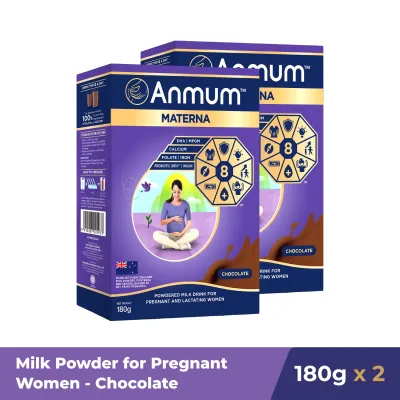
Prices are valid at publication and may change. Please refer to the product page for the latest price.
Understanding Lactagrow's Role in Pregnancy Nutrition
Meeting the nutritional demands of pregnancy requires a proactive approach to your daily diet. During this period, your body requires more calories, protein, and micro-nutrients to build new tissues, support placenta development, and ensure healthy fetal growth. Maternal milk supplements like Lactagrow are formulated to provide a concentrated source of these essential nutrients in an easily digestible format.
In the Philippines, where daily meals may sometimes lack specific micro-nutrients due to food preparation methods or limited access to diverse food groups, a maternal supplement offers peace of mind. It helps safeguard against common deficiencies that could impact your health or your baby’s development. Incorporating a structured nutritional drink into your routine can make it easier to reach your daily dietary targets consistently.
Nevertheless, supplementation must always be approached with care and professional guidance. Your obstetrician can perform routine blood tests to assess your current nutrient levels and identify any specific deficiencies. This personalized medical insight ensures that you select a supplement that addresses your actual physiological needs without risking over-supplementation.
Key Ingredients in Lactagrow and Their Functions
Maternal milk supplements are carefully formulated to deliver a concentrated blend of essential nutrients. Understanding what goes into these formulations allows you to make informed decisions about your prenatal health. By examining the roles of specific vitamins and minerals, you can appreciate how each component contributes to a healthy pregnancy.

Vitamins Essential for Fetal Development
Folic acid, also known as Vitamin B9, is arguably the most critical vitamin in early pregnancy. It plays a fundamental role in the rapid division of cells and the formation of the baby’s neural tube, which eventually develops into the brain and spinal cord. Ensuring adequate folic acid intake before conception and during the first trimester is a universally recognized step in reducing the risk of neural tube defects.
Vitamin D is another vital component of prenatal nutrition, acting as the key that unlocks calcium absorption in your body. Without sufficient Vitamin D, your body cannot effectively utilize the calcium you consume, which is essential for building your baby’s bones, teeth, and heart. Additionally, Vitamin D supports your immune system and overall cellular health during pregnancy.
The B-complex vitamins, including B6 and B12, are crucial for managing your daily energy levels and supporting your baby’s developing nervous system. Vitamin B6 can help ease the symptoms of morning sickness, while Vitamin B12 works closely with folic acid to support red blood cell production. These vitamins help convert the food you eat into usable energy, combating the natural fatigue that often accompanies pregnancy.
Because product formulations can change over time or vary by region, you must verify the exact vitamin profile and daily value percentages on the physical Lactagrow packaging. Check the nutrition facts panel on the back of the tin or box to see how much of each vitamin is provided per serving. This step ensures you are aware of the exact nutritional values you are consuming each day.
Minerals Crucial for Maternal and Fetal Health
Iron is a vital mineral during pregnancy because your blood volume expands by up to fifty percent to support your growing baby and the placenta. Your body uses iron to produce hemoglobin, the protein in red blood cells that carries oxygen to your tissues and to your baby. Adequate iron intake helps prevent iron-deficiency anemia, a common condition that can leave you feeling exhausted and weak.
Calcium is the primary building block for your baby’s skeletal system, which develops rapidly throughout your pregnancy. If your daily calcium intake is insufficient, your body will naturally draw this mineral from your own bones to meet the baby’s developmental needs. Consuming enough calcium helps preserve your maternal bone density while ensuring your baby builds strong bones and teeth.
Trace minerals such as zinc and iodine also play critical roles in a healthy pregnancy. Zinc is essential for cellular growth, DNA synthesis, and immune function, while iodine is a key component of thyroid hormones that regulate fetal brain and nervous system development. These micro-nutrients, though needed in smaller quantities, are fundamental to your baby’s overall growth.
You should carefully cross-reference the physical packaging of your supplement to confirm which minerals are included in the formulation. If a critical mineral like iron is absent or present in very low amounts, you must discuss this with your doctor. You may need to obtain these essential nutrients through targeted dietary adjustments or separate prenatal supplements.
Reading the Label: Safety, Dosage, and Dietary Checks
Navigating the nutrition label of a maternal supplement requires a systematic approach to ensure safety and efficacy. When purchasing a supplement in the Philippines, take a few moments to examine the ingredient list and allergen warnings. This practice protects you from adverse reactions and helps you tailor the product to your specific dietary requirements.
First, check the label for common allergens such as dairy, soy, or gluten. Since many maternal supplements are milk-based, they contain lactose, which may not be suitable if you suffer from lactose intolerance or a milk protein allergy. Additionally, inspect the label for non-active ingredients, including added sugars, artificial sweeteners, or artificial flavorings, which are important to monitor if you are managing your blood sugar levels.
Understanding the concept of Tolerable Upper Intake Levels (UL) is essential for preventing nutrient toxicity. While vitamins are beneficial, consuming them in excessive amounts can be harmful, particularly fat-soluble vitamins like Vitamin A. Unlike water-soluble vitamins, excess fat-soluble vitamins accumulate in the body’s tissues and can pose risks to fetal development if safety thresholds are exceeded.
To avoid over-supplementation, compare the nutrient profile of your supplement with your daily dietary intake. If your regular meals already consist of fortified foods, dairy products, and nutrient-dense vegetables, your total daily intake of certain vitamins might be higher than expected. Sharing your typical daily diet with your healthcare provider will help them determine if the supplement’s nutrient levels are appropriate for you.
Always verify the manufacturer’s recommended daily dosage and preparation instructions on the packaging. In a warm, humid climate like the Philippines, proper storage and hygienic preparation are crucial to prevent bacterial contamination and preserve nutrient quality. Follow the specific water-to-powder ratios and temperature guidelines precisely, and never exceed the recommended daily serving unless explicitly instructed by your obstetrician.
When to Seek Professional Medical Advice
While maternal supplements are excellent tools for nutritional support, they must be used under the guidance of a qualified healthcare professional. Certain health conditions require careful medical supervision before you begin taking any new dietary product. Your doctor can help you navigate these complexities to ensure a safe and healthy pregnancy journey.
If you have pre-existing or pregnancy-specific medical conditions, such as gestational diabetes, thyroid disorders, or chronic hypertension, a medical consultation is mandatory. The carbohydrate or sugar content in maternal milk drinks can affect blood glucose levels, while trace minerals like iodine can impact thyroid function. Your doctor will evaluate whether the ingredients in the supplement are safe for your specific medical profile.
You must also consult your healthcare provider if you are currently taking other prescription medications or prenatal vitamins. Combining multiple supplements can lead to accidental double-dosing of certain nutrients, which may interfere with your medications or cause adverse health effects. A professional review of all your supplements ensures there are no harmful interactions.
Pay close attention to how your body responds to the supplement, and watch for any signs of adverse reactions. If you experience persistent gastrointestinal distress, such as severe bloating, constipation, nausea, or diarrhea, or if you notice signs of an allergic reaction like skin rashes or swelling, discontinue use immediately. Contact your doctor right away to identify the cause and find a suitable alternative.
Remember that maternal nutritional supplements are designed to support your diet, not to diagnose, treat, or cure pregnancy-related complications. Regular prenatal checkups, routine blood tests, and consistent communication with your OB-GYN remain the primary standards of maternal care. Rely on your healthcare team to guide your nutritional choices throughout your pregnancy.
Frequently Asked Questions (FAQ)
Can I take Lactagrow alongside my regular prenatal multivitamin?
You should avoid taking multiple comprehensive prenatal supplements simultaneously without direct supervision from your doctor. Combining a maternal milk supplement with a standard prenatal multivitamin can easily lead to exceeding the safe upper limits for critical nutrients like iron, folic acid, and Vitamin A. Over-supplementation can place unnecessary strain on your organs and potentially harm your developing baby. To ensure your safety, bring all your current supplement bottles to your next prenatal checkup so your obstetrician can perform a comprehensive label review and recommend a balanced regimen.
Is this formulation suitable for all trimesters of pregnancy?
Your body’s nutritional requirements shift dynamically as your pregnancy progresses through each trimester. For instance, your demand for iron and calcium increases significantly during the second and third trimesters to support rapid fetal bone growth and blood volume expansion. You must check the product packaging for any specific trimester recommendations or usage instructions provided by the manufacturer. Because your needs change, your doctor may recommend adjusting your supplement intake or transitioning to different formulations based on your routine prenatal blood tests and overall health status.
Community discussion
Share your experience or ask a question. Comments are reviewed before publication.