
Weaning is a major milestone in your baby’s development, marking the transition from exclusive milk feeding to a world of solid foods. As your baby begins to explore purees, mashed vegetables, and soft fruits, their daily formula intake naturally decreases. Consequently, a single batch of formula powder sits in its container for a much longer period, increasing its exposure to ambient air and humidity. To support this transition, the ideal formula milk powder container must prioritize advanced airtight sealing, non-toxic food-grade materials, precise leveling mechanisms, and UV protection. Choosing a container with these specific features ensures that every feed remains fresh, dry, and nutritionally complete, even in challenging climates.
Always consult your pediatrician or a qualified healthcare professional before making major changes to your baby’s feeding routine. Additionally, verify the manufacturer’s age and usage guidelines on any container packaging before purchasing to ensure it aligns with your baby’s developmental stage.
Why Formula Storage Needs Shift During Weaning
During the first few months of life, babies consume formula rapidly, meaning a large tin is emptied long before moisture or air can degrade the powder. However, as solid foods gradually replace milk feeds during the weaning stage, the volume of formula you prepare daily decreases. This slower rate of consumption means that formula powder remains in its storage vessel for several weeks. The longer the powder is stored, the more susceptible it becomes to degradation from repeated exposure to air, which can compromise both its taste and its nutritional value.
Products mentioned in this guide
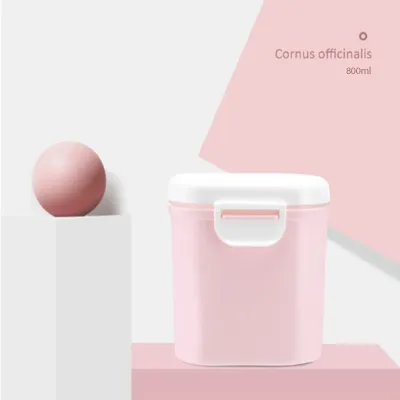
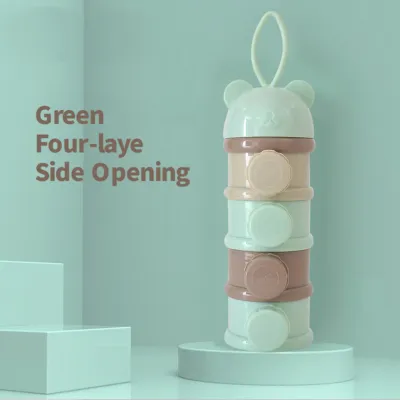
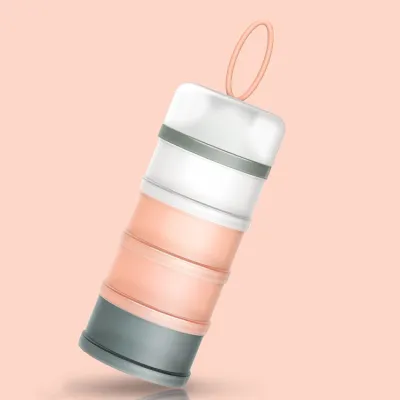
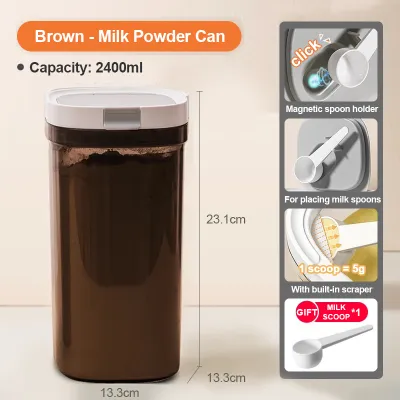
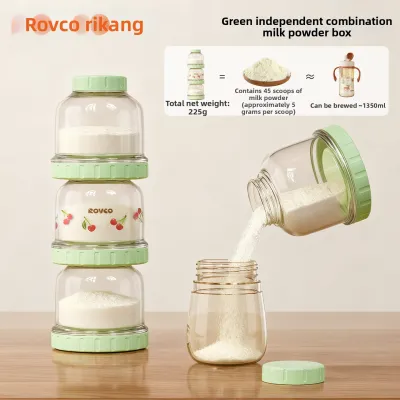
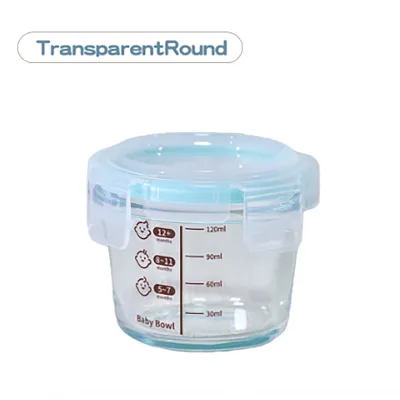
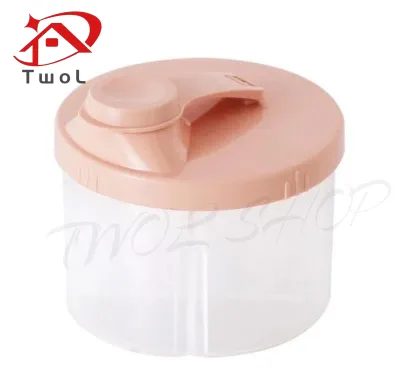
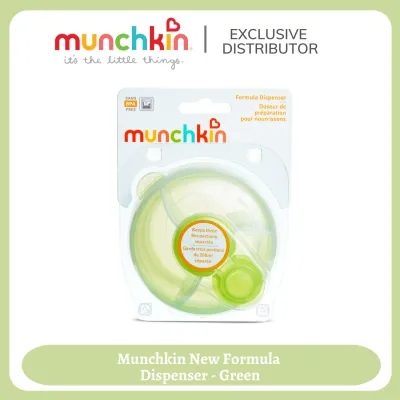
Prices are valid at publication and may change. Please refer to the product page for the latest price.
At the same time, your daily routine with a weaning baby becomes more active and mobile. You are likely taking your baby on more outdoor trips, park visits, or playdates to encourage sensory development. During these outings, your packing requirements change. You are no longer just carrying a single bottle of milk; you also need to carry dry weaning snacks like teething biscuits, cereal puffs, or freeze-dried fruits. A versatile storage container that can adapt to hold both precise formula portions and dry solid snacks becomes an invaluable asset in your diaper bag.
Tracking your baby’s shifting nutritional intake is another critical task during weaning. As solid food consumption fluctuates from day to day, monitoring exactly how much formula your baby drinks helps ensure they still receive adequate vitamins and minerals. Accurate formula preparation is essential. Containers that make it difficult to measure exact, level scoops can lead to over-concentrated or diluted feeds, which can upset your baby’s developing digestive system.
In the Philippines, the tropical climate adds an extra layer of difficulty to formula storage. High relative humidity, especially during the rainy season, means that moisture is constantly present in the air. When humid air enters a standard formula tin, the powder quickly absorbs the moisture, resulting in hard clumps. This clumping not only makes accurate scooping nearly impossible but also creates an environment where mold and bacteria can thrive. Robust moisture protection is not just a matter of convenience; it is a critical safety requirement for Filipino households.
4 Must-Have Features in a Weaning-Stage Formula Container
To protect your baby’s nutrition during this transitional phase, certain physical features and design elements are non-negotiable. When shopping for a formula milk powder container, look for these key specifications to ensure safety, freshness, and ease of use.

Airtight Seals and Moisture Protection
To combat persistent tropical humidity, a standard slip-on lid is simply not enough. You should look for containers equipped with high-quality silicone sealing rings that line the rim of the lid. These rings create a physical, airtight barrier that blocks moisture and air from seeping in. Additionally, multi-point snap-lock lids that secure on all four sides provide the consistent pressure needed to keep the seal tight over months of repeated use.
Another highly effective design is the vacuum-release button or a one-touch secure latch system. When you press the button, it expels excess air from the container before locking, creating a partial vacuum. This minimizes the volume of air left inside to interact with the powder. A secure latch system also ensures that even if the container is accidentally dropped or tossed around in a diaper bag, the lid will not pop open, preventing messy spills and exposure to contamination.
Food-Grade and BPA-Free Materials
Safety must always come first when selecting materials that come into direct contact with infant nutrition. Look for containers made from high-quality, food-grade plastics such as Polypropylene (PP) or Polyphenylsulfone (PPSU). PP is lightweight, durable, and highly resistant to heat, making it easy to sanitize. PPSU is a premium medical-grade plastic known for its extreme durability and high heat resistance, allowing it to withstand repeated steam sterilization without degrading. Alternatively, borosilicate glass is an excellent, non-porous option that does not retain odors or stains, though it requires careful handling to prevent breakage.
Before making any purchase, it is vital to verify the product labeling. Ensure the packaging explicitly states that the container is BPA-free, BPS-free, and phthalate-free. Bisphenol A (BPA) and Bisphenol S (BPS) are chemical compounds used in some plastics that can mimic hormones and disrupt development. Phthalates are plasticizers that pose similar risks. Checking for these safety certifications on the manufacturer’s official documentation or packaging is a crucial step in protecting your baby’s developing endocrine system.
Easy Scooping and Leveling Designs
Preparing a bottle while managing a fussy, weaning baby requires a design that minimizes steps and mess. A built-in leveling edge is a game-changer. This is a small, flat plastic ledge built into the corner or side of the container’s opening. Instead of searching for a clean knife or using your fingers to level off a scoop of powder, you simply scrape the scoop against this edge. This ensures an exact, flat scoop every time, maintaining the precise water-to-powder ratio recommended by your pediatrician.
A wide-mouth design is equally important. Narrow openings make it difficult to insert standard formula scoops without spilling powder over the sides. A wide opening allows easy access, even when the powder level is low. This design is particularly helpful during the weaning stage when you may be preparing smaller, highly precise bottles (such as 2-ounce or 4-ounce feeds) to supplement solid meals, where even a small spill can significantly throw off the measurement accuracy.
Opaque or UV-Protective Bodies
Many parents do not realize that light exposure can actively damage the quality of formula powder. Ultraviolet (UV) light, whether from direct sunlight streaming through a kitchen window or ambient fluorescent lighting, can degrade sensitive vitamins and essential fats in the formula. Specifically, nutrients like vitamin A, vitamin B2 (riboflavin), and certain polyunsaturated fatty acids are highly susceptible to photo-oxidation, which reduces the nutritional value of the milk.
To protect these vital nutrients, look for containers with opaque bodies or those constructed with UV-blocking tints. Amber, dark brown, or solid white containers are excellent choices because they block harmful light waves while still allowing you to store the container on open kitchen shelves or countertops. If you prefer a clear container to easily monitor the remaining powder level, ensure you store it inside a dark pantry or closed cabinet away from any natural light sources.
Recommended Formula Container Types for Your Weaning Routine
Depending on your lifestyle, daily schedule, and whether you are feeding your baby primarily at home or on the go, different container styles will serve you best. Understanding the strengths and limitations of each type helps you build a seamless weaning routine.
Large Airtight Canisters for Bulk Storage
Best For: This type of container is best suited for home use, particularly for transferring powder from large, multi-week formula tins or refill pouches. It serves as your primary storage hub in the kitchen.
Key Advantage: Large canisters offer maximum capacity, often holding between 800 grams to 1.5 kilograms of powder. They feature superior moisture barriers and often come with a dedicated scoop holder built into the underside of the lid. This scraper-and-holder design keeps the scoop suspended above the powder, preventing your hands from introducing moisture or oils directly into the formula every time you make a bottle.
Limitations: Because of their large size and weight, these canisters are bulky and entirely unsuitable for travel or packing into a standard diaper bag. They require a dedicated, stable space on your kitchen counter or pantry shelf.
Pre-purchase Check: Before buying, verify that the base of the canister is wide and slip-resistant. A wide base prevents the container from tipping over when you are reaching in with a scoop, especially when the powder is running low and you have to tilt the container.
Multi-Compartment Portable Dispensers
Best For: This design is ideal for travel, short day trips, and transitioning your baby to a daycare environment. It is built specifically for parents on the move.
Key Advantage: These dispensers feature high portability, with a single compact unit divided into three or four separate compartments. Each compartment can hold a pre-measured portion of formula powder, allowing you to prepare a bottle quickly without carrying a large container or scoop. Many designs allow you to use individual compartments for dry weaning snacks, such as cereal puffs or teething biscuits, keeping them fresh and separate from the formula.
Limitations: The primary limitation is capacity. Each compartment typically holds enough powder for only one standard bottle (up to 8 or 9 ounces of formula). This means you must frequently refill the dispenser, and cleaning requires washing multiple small parts and internal dividers.
Pre-purchase Check: Verify that the rotating lid and dispensing spout are wide enough to align perfectly with both wide-neck and narrow-neck baby bottles. A poorly designed spout can cause powder to clog or spill during the transfer.
Stackable Formula Portioners
Best For: Stackable portioners are excellent for parents who want to prepare a full day’s worth of formula, cereal, and snacks in a highly organized, vertical format.
Key Advantage: The modular, tower-like design allows you to screw multiple individual containers together. You can add or remove tiers based on your specific daily schedule. For example, you can stack three tiers of formula and one tier of weaning snacks for a long afternoon outing, or just take a single tier for a quick trip to the grocery store. They fit easily into the bottle pockets of most diaper bags.
Limitations: Threading and unthreading multiple tiers can become tedious, especially when dealing with a hungry baby. Additionally, because each tier relies on threaded seals to stay connected, these seals can wear out over time, potentially leading to powder leaking between layers if not aligned perfectly.
Pre-purchase Check: Carefully inspect the threading mechanism. Look for deep, smooth threads that lock securely without catching. Ensure that the design does not have hard-to-reach crevices where powder can accumulate and trap moisture.
Comparison Table: Formula Container Types
To help you quickly evaluate which container type best fits your current weaning setup, use the comparison table below to weigh their key features and limitations.
| Container Type | Best Scenario | Portability | Capacity | Main Limitation |
|---|---|---|---|---|
| Large Airtight Canisters | Long-term home storage and bulk powder freshness | Low (not travel-friendly) | High (800g – 1.5kg) | Bulky; takes up kitchen counter space |
| Multi-Compartment Dispensers | Day trips, travel, and pre-portioned feeding | High (compact and lightweight) | Medium (3-4 individual servings) | Limited capacity per section; tedious to clean |
| Stackable Portioners | Modular daily tracking and packing snacks | High (fits in bottle pockets) | Customizable (modular tiers) | Threading can wear out; tedious to assemble |
Hygiene and Maintenance Rules for Formula Storage
Maintaining strict hygiene is vital because your baby’s immune system is still developing during the weaning stage. Before cleaning, check the manufacturer’s care instructions. Typically, the main plastic bodies of PP or PPSU containers are dishwasher-safe (usually on the top rack). However, components like silicone sealing rings, vacuum-release lids, and spring-loaded buttons should be hand-washed in warm, soapy water. Avoid using harsh abrasive sponges that can create micro-scratches on the plastic, as these tiny grooves can harbor bacteria and formula residue.
In the humid environment of the Philippines, moisture control is your biggest challenge. After washing, you must allow every single component to air-dry completely before reassembling the container or adding new formula powder. Even a single microscopic droplet of water trapped inside an airtight container can cause the powder to clump and foster the growth of mold or harmful bacteria. Place the washed parts on a clean, dry rack in a well-ventilated area away from direct humidity sources.
Regularly inspect the silicone sealing rings for any signs of wear. Over time, exposure to heat during sanitization can cause silicone to become stiff, brittle, or discolored. Look closely for tiny black spots, which indicate mold growth—a common issue in tropical climates. If you notice any damage, loss of elasticity, or mold spots that cannot be washed away, replace the seals or the entire container immediately to maintain an airtight environment.
Where you place your formula container in the kitchen matters. Never store it near heat sources such as your stove, oven, or microwave, as elevated temperatures can degrade the nutrients in the powder. Additionally, avoid storing formula in the refrigerator. While it might seem like a good way to keep things fresh, the constant temperature transition from the cold fridge to the warm, humid air of a Philippine kitchen causes condensation to form inside the container. This moisture will ruin the powder almost instantly. Instead, choose a cool, dark, and dry pantry cabinet.
Frequently Asked Questions (FAQ)
Can I reuse formula containers for storing baby purees or solid snacks?
Yes, but only under specific conditions. High-quality, food-grade, and BPA-free formula containers are excellent for repurposing to store dry weaning snacks like teething biscuits, baby puffs, or dry cereal. However, they are generally not suitable for wet purees, homemade baby food, or breast milk unless the manufacturer explicitly labels the container as leakproof and safe for liquid storage. Storing wet foods in a container designed purely for dry powder can lead to leaks, spoilage, and difficulty in thorough sanitization.
How often should I replace a plastic formula milk powder container?
As a general guideline, plastic formula containers should be replaced every 6 to 12 months. However, you should inspect the container regularly and replace it sooner if you notice the plastic becoming cloudy, heavily scratched, or retaining a persistent odor. Micro-scratches on the inner walls of the plastic can harbor bacteria that are difficult to clean, and material degradation can compromise the airtight seal, exposing your baby’s formula to humidity.
Is it safe to store formula in the refrigerator to keep it fresh?
No, it is highly recommended that you do not store dry formula powder in the refrigerator. The refrigerator is a high-humidity environment. Each time you open the container after taking it out of the fridge, the warm room air collides with the cold surface of the container, causing condensation to form on the inside walls. This moisture leads to powder clumping, nutrient degradation, and a significantly higher risk of bacterial contamination. Always store your dry formula container in a cool, dry pantry at room temperature.
Community discussion
Share your experience or ask a question. Comments are reviewed before publication.