
Preparing for the arrival of a new baby involves many practical decisions, but few will impact your daily routine as much as selecting a reliable bag for maternity. This essential piece of gear serves first as your lifeline during your hospital stay, keeping your labor and postpartum essentials within arm’s reach. Once your baby arrives, it transitions into your primary organizer for pediatric visits, family outings, and daily errands. To find the right maternity bag, you must prioritize features that balance storage capacity, structured organization, ergonomic comfort, and weather-resistant materials. In the Philippines, where high humidity, sudden tropical downpours, and varied commuting conditions are part of daily life, selecting a bag with the correct specifications is crucial to keeping your baby’s items dry, clean, and hygienic.
Essential Features for Hospital Stays and Early Parenthood
Choosing a bag for maternity requires looking beyond aesthetics to evaluate functional specifications. The right bag must support you through the hectic hours of hospital admission and the demanding first few months of early parenthood.
Capacity and Dimensions
When shopping for a maternity bag, do not rely on vague marketing terms like “extra-large” or “roomy.” Instead, check the precise dimensions listed on the manufacturer’s product label. If you plan to travel by air for your delivery or postpartum recovery, compare these dimensions against standard airline carry-on limits. Even for local travel to a hospital, you must consider the physical constraints of your delivery room. Standard hospital bedside lockers and storage cabinets in many Philippine medical centers can be surprisingly narrow. A bag that is too bulky may not fit into these lockers, forcing you to leave it on the hospital floor where it can gather dust or get in the way of medical staff. Look for a bag that offers a balance: large enough to hold three days of essentials, yet flexible enough to slide into standard storage compartments.
Products mentioned in this guide
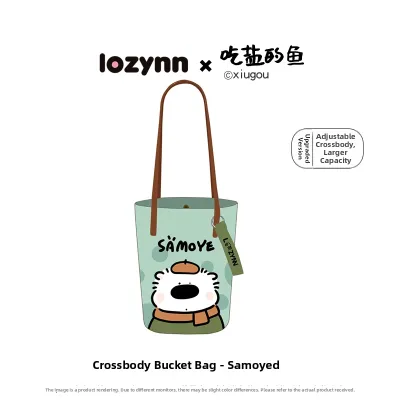
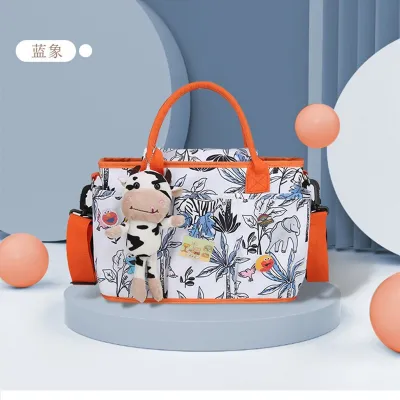
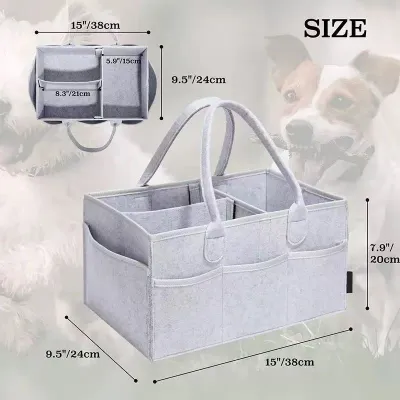
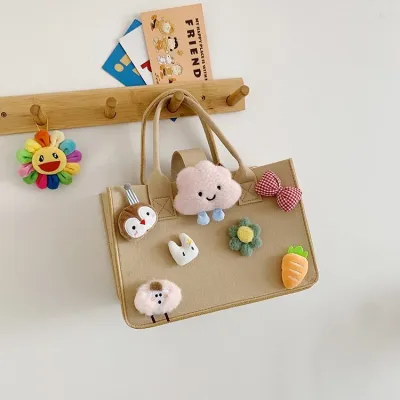
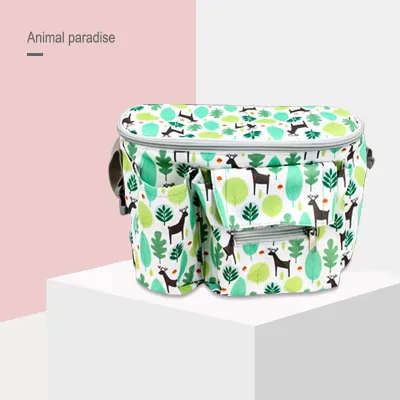
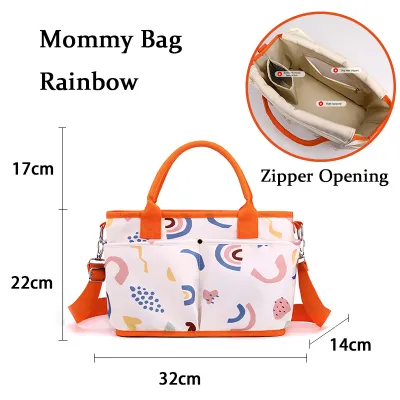
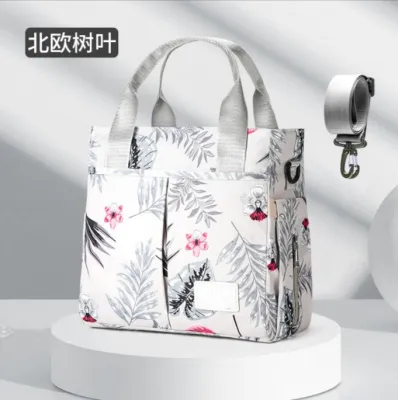
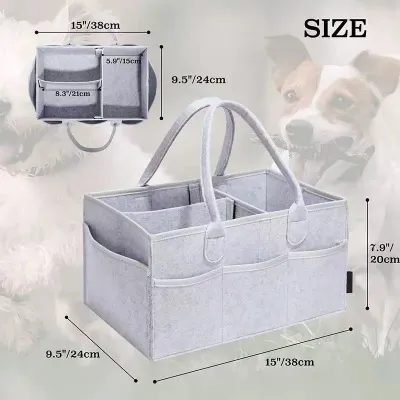
Prices are valid at publication and may change. Please refer to the product page for the latest price.
Compartmentalization
A chaotic bag leads to unnecessary stress during labor and early postpartum recovery. Dedicated zones within your maternity bag are vital for maintaining hygiene and organization. You should look for a bag that separates maternal recovery items, such as postpartum pads, nursing pads, and personal toiletries, from baby essentials like newborn onesies, swaddles, and diapers. Keeping these categories distinct prevents cross-contamination. For instance, a dedicated soiled-utility compartment or a wet pocket keeps dirty baby clothes or damp towels away from clean, sterile items. When you or your birth partner need to find a tiny newborn cap in a hurry, knowing exactly which pocket it is in saves precious time and reduces anxiety.
Wide-Open Access
The structure of the bag’s main opening significantly affects its daily usability. Bags with a narrow top opening often require you to unpack almost everything to reach an item at the bottom. Instead, prioritize a maternity bag with a wide-open top, such as a doctor-bag style frame or a full clamshell zipper that opens flat like a suitcase. This design allows you to view the entire contents of the bag at a single glance. In a dimly lit hospital room during a midnight diaper change, or while resting after childbirth, wide-open access ensures you can locate items quickly without creating a mess or needing to turn on bright overhead lights that might disturb your sleeping baby.
Insulated and Waterproof Pockets
Temperature control and moisture barriers are non-negotiable features for early parenthood. Insulated pockets help maintain the temperature of expressed breast milk, warm water bottles, or infant formula while you are on the move. However, you should check the manufacturer’s care labels and product manuals to verify the actual thermal retention times, as these vary widely depending on the insulation thickness and external temperatures. Equally important are waterproof-lined pockets. These compartments are designed to isolate wet wipes, damp burp cloths, or clothes soiled by diaper leaks. Always check the washing instructions for these pockets; some require a simple wipe-down with a damp cloth, while others can be pulled inside out for deeper cleaning.
Recommended Maternity Bag Styles and Their Best Use Cases
Selecting the perfect bag for maternity is not a one-size-fits-all decision. The ideal style depends heavily on your planned delivery method, your physical recovery needs, and how you plan to navigate daily life after discharge. For instance, a mother recovering from a cesarean section will have different physical comfort requirements than a mother who had an uncomplicated vaginal delivery. By evaluating maternity bags by their structural categories, you can select a style that matches your specific mobility and capacity needs.

Weekender and Duffle Bags for Maximum Capacity
- Best For: Duffle and weekender bags are best suited for families planning extended hospital stays, those undergoing scheduled cesarean deliveries, or partners who want to pack their belongings together in a single, unified bag. They are also ideal if you prefer to pack bulkier comfort items, such as your own nursing pillow, thick bath towels, or a favorite postpartum robe.
- Key Advantages: These bags offer the largest main-compartment volume of any maternity bag style. Their rectangular, flexible fabric construction allows them to hold oddly shaped items easily. Despite their large capacity, high-quality duffles can often be squeezed or compressed slightly to fit into tight hospital storage spaces or car trunks.
- Limitations to Check: The primary drawback of a large duffle bag is the physical strain of carrying it. When fully loaded, a weekender bag can become incredibly heavy. For a mother recovering from childbirth, carrying a heavy shoulder bag can strain the abdominal and pelvic floor muscles. Before purchasing, check the product specifications for thick, padded, and adjustable crossbody straps. It is highly recommended to let your partner or a family member handle the heavy lifting of a weekender bag during your transition to and from the hospital.
Backpacks for Hands-Free Mobility
- Best For: Backpack-style maternity bags are excellent for solo parents, those who rely on public transportation or active walking, and parents who prioritize long-term ergonomic comfort.
- Key Advantages: A backpack distributes weight evenly across both shoulders, which reduces localized strain on your neck and lower back. This style keeps both of your hands completely free, allowing you to carry your baby safely in a wrap or carrier, navigate stairs, hold handrails, or manage hospital paperwork without a bag slipping off your shoulder. Most maternity backpacks also feature quick-grab exterior pockets designed specifically for high-frequency items like keys, phones, and sanitizing wipes.
- Limitations to Check: In the warm and humid climate of the Philippines, carrying a heavy backpack can quickly lead to discomfort and back sweat. When evaluating backpacks, verify if the back panel is constructed with breathable, moisture-wicking mesh fabric. Additionally, inspect the quality of the zippers. Because you will often need to access the bag while holding your baby, the zippers must be durable, smooth, and easily operable with a single hand.
Convertible Totes for Everyday Versatility
- Best For: Convertible totes are ideal for minimalist packers, parents planning short hospital stays, and those who want a stylish, professional-looking bag that transitions seamlessly from a maternity bag to an everyday work or casual tote.
- Key Advantages: These bags offer a high level of aesthetic versatility. They often feature hidden functional pockets, allowing you to carry baby gear without the bag looking like a traditional diaper bag. Many convertible designs include detachable straps that let you wear the bag as a backpack, a shoulder tote, or a crossbody bag. They also frequently feature integrated stroller straps or clips, allowing you to hang the bag securely from a stroller handlebar during afternoon walks.
- Limitations to Check: While stroller straps are highly convenient, you must exercise caution. Check the manufacturer's official guidelines for the maximum load limit of both the straps and the bag's handles. Overloading a tote bag can cause the straps to tear or, more dangerously, cause your stroller to tip backward when you lift your baby out of the seat. Always ensure the bag's weight is safely balanced and does not exceed the recommended limits of your stroller.
Material, Hygiene, and Safety Considerations
The environment in which you use your bag for maternity dictates the materials you should choose. In a tropical climate, high humidity, frequent rain, and intense heat can affect the durability and hygiene of your bag.
Exterior Fabrics
The most common materials for maternity bags are nylon, polyester, and vegan (polyurethane) leather. Nylon and high-density polyester are lightweight, highly durable, and offer excellent resistance to water and abrasions, making them ideal for daily use and sudden rain showers. Vegan leather offers a sleek, sophisticated look and is highly resistant to spills, but low-quality synthetic leathers can crack or peel when exposed to intense tropical heat and humidity over time. Regardless of the fabric, look for bags that explicitly state they have a water-resistant or wipe-clean exterior finish, and verify these claims by reading the care tag instructions.
Interior Linings
The interior of your maternity bag should be designed for maximum visibility and hygiene. Avoid bags with dark interior linings, such as black or deep navy, as they make it incredibly difficult to find small items like pacifiers, safety pins, or medication in low-light conditions. Instead, choose light-colored linings—such as light gray, cream, or pastel shades. Ensure the lining material is wipeable so that accidental liquid spills can be cleaned quickly. Some advanced maternity bags feature fully removable, machine-washable interior linings. Always check the manufacturer’s care instructions to see if the lining can be laundered or if it requires hand-washing and air-drying.
Hardware and Zippers
The longevity of a maternity bag often depends on its hardware. In humid coastal regions or during the monsoon season in the Philippines, cheap metal zippers and clasps are highly susceptible to rusting and sticking. Look for bags equipped with rust-resistant hardware, such as brass, treated aluminum, or heavy-duty molded plastic. The zippers should have large, easy-to-grip teeth and pull tabs. Test the zippers to ensure they glide smoothly without catching on the inner lining, as you will frequently need to open the bag with one hand while holding your baby or managing other tasks.
Chemical Safety
Because your maternity bag will hold items that come into direct contact with your baby’s mouth and skin—such as bottles, pacifiers, teething toys, and clothing—chemical safety is a primary concern. Do not assume a bag is safe simply because of its brand name or price point. Instead, look for bags that explicitly state on their official packaging, product labels, or safety certifications that they are free from harmful chemicals, including Bisphenol A (BPA), phthalates, lead, and Polyvinyl Chloride (PVC). If a product does not clearly state these safety standards, contact the manufacturer to verify the materials used in the lining and exterior coatings before purchasing.
Smart Organization and Packing Strategies
Having a feature-rich bag for maternity is only half the battle; you must also know how to pack it efficiently to maximize its benefits and protect your physical well-being.
The "Grab-and-Go" Pouch Strategy
Instead of placing loose items directly into the large compartments of your bag, utilize smaller, lightweight, and ideally transparent pouches. Group your items by category: dedicate one pouch for maternal recovery supplies, another for newborn clothing, one for diapering essentials (diapers, wipes, diaper rash cream), and one for personal toiletries. This modular approach allows you to pull out only the specific pouch you need, keeping the rest of the bag perfectly organized. It also makes it incredibly easy for your partner or a nurse to find a specific item without rummaging through the entire bag.
Weight Distribution
Proper weight distribution is essential to prevent physical strain during your postpartum recovery. Always place your heaviest items—such as breast pumps, heavy water bottles, formula tins, or extra footwear—at the bottom of the bag and as close to the back panel (or center of gravity) as possible. Lighter items, such as swaddles, baby clothes, and diapers, should go near the top. This packing method keeps the bag balanced, preventing it from pulling you backward or straining your shoulders and lower back when you carry it.
Hospital Essentials vs. Homecoming Items
During your hospital stay, you will likely accumulate extra items, such as hospital pamphlets, complimentary baby care samples, postpartum recovery supplies provided by the clinic, and gifts from visiting family members. To accommodate this, pack a small, lightweight, foldable duffle or reusable tote bag inside your main maternity bag. This takes up virtually no space when folded but provides essential extra carrying capacity when it is time to pack up and head home with your newborn.
Frequently Asked Questions (FAQ)
Can I use a regular travel bag instead of a dedicated maternity bag?
Yes, you can use a regular travel bag or backpack, but dedicated maternity and diaper bags offer specific functional advantages designed for parenting. Standard travel bags often lack insulated pockets for milk storage, waterproof compartments for wet items, and integrated stroller attachments. They also tend to have dark interiors that make finding small baby items difficult. If you choose to use a regular bag, consider purchasing separate organizing pouches, insulated bottle sleeves, and stroller clips to replicate the functionality of a dedicated maternity bag.
How many bags should I prepare for the hospital stay?
It is highly recommended to prepare a two-bag system for your hospital stay. The first should be your main maternity bag, which holds the bulk of your postpartum recovery items, baby clothing, and toiletries. The second should be a smaller, easily accessible personal pouch or tote for high-frequency items that you need to keep right next to your hospital bed, such as your phone, charger, lip balm, identification documents, and snacks. Before packing, check your specific hospital’s admission guidelines, as some wards have strict limits on the number and size of bags allowed in the patient rooms due to space constraints.

Community discussion
Share your experience or ask a question. Comments are reviewed before publication.